新型透明质酸钠复合溶液中胚层疗法用于面部年轻化的多中心随机对照研究
2026年9月30日26 min read
Plastic and Reconstructive Surgery Global Open
Plastic and Reconstructive Surgery Global Open
结论与实践要点
本研究是一项在中国6家国家药监局认证机构开展的前瞻性、多中心、随机、评估者盲法的优效性试验(ChiCTR2500107291),为透明质酸钠复合溶液中胚层疗法(mesotherapy)用于面部年轻化提供了较高级别的循证证据。干预方案为每月1次、连续3次真皮内微量注射,含透明质酸钠及甘氨酸、脯氨酸、亮氨酸、赖氨酸等成分,操作简便、可重复。
临床可关注三点:①疗效明确——末次治疗后1个月GAIS有效率治疗组达97.56%,显著优于对照组3.95%(P<0.001),且 blinded 评估、操作者评估与受试者自评趋势一致;②客观指标佐证——皮肤含水量、弹性较基线显著改善并维持至末次治疗后3个月,提示作用并非单纯主观感受;③安全性良好——不良事件仅1.67%且均为轻中度,无严重事件,整体耐受性可接受。
落地提示:该方案适合以干燥、暗沉、毛孔粗大、细纹、弹性下降为主诉的轻中度面部老化人群,尤其需管理预期——属阶段性改善而非一次性逆转,通常需按疗程维持。临床应用中仍应规范无菌操作、把握注射层次与剂量,并常规告知可能的局部红肿、淤青等反应。对于重度皮肤松弛或轮廓下垂者,宜联合其他手段综合评估。
Background:Facial skin aging drives demand for minimally invasive rejuvenation. The technique of injecting skin boosters into the dermis through mesotherapy is increasingly used to improve signs of skin aging. This study evaluates the efficacy and safety of a novel sodium hyaluronate–based composite solution (containing sodium hyaluronate, glycine, proline, leucine, and lysine) for facial rejuvenation.
Methods:Participants aged 18 to 65 years with facial skin concerns (dryness, dullness, enlarged pores, reduced elasticity, or fine wrinkles) were randomized in a 2:1 ratio into a treatment group or a control group. The treatment group received 3 monthly intradermal injections, whereas the control group received no intervention. The primary endpoint was the efficacy rate 1 month after the final treatment using the Global Aesthetic Improvement Scale. Secondary endpoints included efficacy rates at different time points and changes in skin hydration and elasticity. Safety was monitored throughout.
Results:Of 456 enrolled participants, 439 completed the study (287 treatment, 152 control; 92.94% women). One month posttreatment, the treatment group showed a 97.56% efficacy rate, significantly higher than the control group’s 3.95% ( P < 0.001). Significant improvements in skin hydration and elasticity were observed in the treatment group ( P < 0.05) and sustained for up to 3 months. The adverse event incidence was only 1.67%, and all of them were mild to moderate, with no serious events reported.
Conclusions:The skin booster (a novel sodium hyaluronate composite solution) delivered via mesotherapy is effective for improving signs of skin aging. With a favorable safety profile, it offers a validated therapeutic option for facial rejuvenation.
With global population aging and rising aesthetic expectations, facial skin aging has become a major concern in aesthetic medicine. Mechanistically, skin aging is a multifactorial process involving impaired barrier function, dermal extracellular matrix (ECM) degeneration, and diminished fibroblast activity. 1 These alterations reduce the synthesis of key ECM components—such as hyaluronic acid (HA), collagen, and elastin—while increasing their degradation, thereby compromising skin hydration and structural fiber integrity and clinically manifesting as roughness, laxity, and wrinkles. 2
Common skin rejuvenation strategies include energy-based devices, injectable treatments, mesotherapy, and chemical peels to improve age-related skin manifestations such as dryness, enlarged pores, wrinkles, and sagging. 3 Mesotherapy is a minimally invasive, targeted approach that uses microinjection or microneedling to deliver bioactive agents into the dermis, bypassing the epidermal barrier. 4 , 5 Introduced in the 1950s for drug delivery, it has been adopted in aesthetic medicine, with effects attributed to controlled micro-injury and localized actives that modulate cellular activity and promote ECM remodeling. 6 Skin boosters are key mesotherapy formulations. HA-based skin boosters are often combined with nutrients (eg, amino acids, vitamins, and minerals) and designed to enhance overall skin quality. 7 , 8 HA primarily improves hydration by binding large amounts of water, thereby restoring moisture in the epidermis and dermal ECM. 9 , 10 Beyond hydration, HA can support repair by engaging receptors such as CD44 and activating pathways (eg, transforming growth factor-beta) that promote collagen and elastin synthesis, while HA-induced tissue expansion may further facilitate ECM remodeling. 11
The most recent systematic review and meta-analysis (in 2025) focusing on the effectiveness of HA-based skin boosters for facial skin aging reported that the sample sizes of the top 3 clinical studies were 235, 131 and 131, respectively, and they suggested that large randomized controlled trials are required. 9 The review found that HA-based skin boosters improved facial skin quality; however, no significant changes in skin elasticity were found. Previous studies of intradermal HA composite boosters have generally reported improvements in hydration and overall appearance with acceptable safety. 12 , 13 However, these studies were constrained by small samples, single-center designs, heterogeneous injection protocols, and limited follow-up.
To address these limitations, we conducted a multicenter, parallel-group, randomized controlled trial enrolling more than 400 participants, using standardized automatic 9-pin injector procedures and extended follow-up to systematically evaluate objective efficacy endpoints and adverse events, providing more robust evidence on the efficacy and safety of a novel HA-based skin booster for facial rejuvenation using an automatic 9-pin injector. It combines high-purity, noncrosslinked, biofermented HA with glycine, proline, leucine, and lysine, aligning with the “polysaccharide–amino acid composite” category. 14 These amino acids are integral to ECM biosynthesis: glycine and proline constitute a substantial fraction of collagen, 15 , 16 whereas leucine and lysine may further promote collagen production through complementary pathways. 17
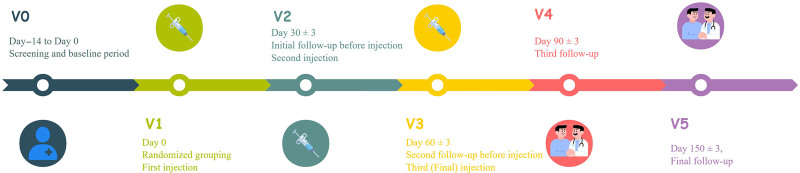
This was a prospective, multicenter, parallel-group, randomized, evaluator‑blinded superiority trial registered at ChiCTR (ChiCTR2500107291) and conducted at 6 National Medical Products Administration‑certified centers in China with ethics approval at all sites. Eligible adults aged 18 to 65 years seeking facial skin rejuvenation were randomized 2:1 (treatment:control) to receive 3 monthly intradermal mesotherapy sessions with a novel skin booster (HA sodium composite solution) or no treatment. 18 Follow-up was initiated at 1 month after the first treatment and continued until 3 months after the final treatment. 19 The study procedures are shown in Figure 1 .
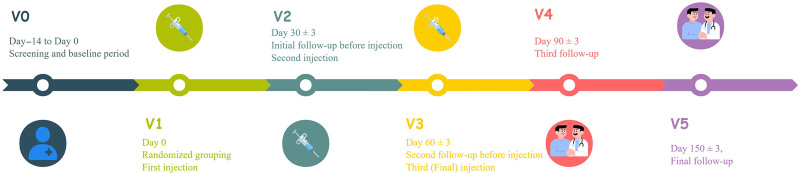
Fig. 1. Overview of study procedures.研究流程总览,展示6家中国中心入组、2:1随机分组、每月1次共3次中胚层注射及随访至末次治疗后3个月的时点安排。The primary endpoint was the efficacy rate at 1 month after the final treatment, assessed by blinded investigators using the Global Aesthetic Improvement Scale (GAIS) (Table 1 ). Secondary endpoints included GAIS-based efficacy rates at other time points and objective skin physiological measures (skin hydration and elasticity). Safety data were collected throughout. Statistical analyses were conducted using SAS software (Version 9.4 or later). Two-sided tests were applied with statistical significance defined as a P value less than 0.05, and appropriate statistical methods were selected for continuous, categorical, and ordinal variables, respectively. Full details regarding the experimental design and analytical procedures are presented in Supplemental Digital Content 1. ( See appendix, Supplemental Digital Content 1 , which details the experimental design, materials, and analytical procedures, https://links.lww.com/PRSGO/E977.) ( See Video [online] , which demonstrates the complete mesotherapy treatment protocol for facial skin rejuvenation using a novel sodium hyaluronate composite solution.)
Table 1. Global Aesthetic Improvement Scale
| Score | Degree | Description |
|---|---|---|
| 1 | Very much improved | Optimal cosmetic result in this subject |
| 2 | Much improved | Marked improvement in appearance from the initial condition, but not completely optimal for this subject |
| 3 | Improved | Obvious improvement in appearance from the initial condition, but a retreatment is indicated |
| 4 | No change | The appearance is essentially the same as the original condition |
| 5 | Worse | The appearance is worse than the original condition |
补充视频 / 附件(原文未随文提供原图,可于出版方页面查看)gox-14-e7853-s001.mp4Video 1. This surgical video demonstrates the technique of the modified fillet toe flap used for reconstruction after toe amputation. After amputation, a limited plantar releasing incision is created and the flap is elevated while preserving the dorsal subdermal vascular plexus. The flap is then unfolded three-dimensionally and inset to conform to the contour of the metatarsophalangeal (MTP) joint, enabling tension-free coverage of the defect. This modification increases the usable tissue of the fillet toe flap and may facilitate reconstruction of adjacent toe amputation stumps or peri-MTP ulcers in patients with diabetic foot disease or chronic limb-threatening ischemia (CLTI).
A total of 456 subjects were recruited in this study, of whom 439 completed the full course of treatment and follow-up, comprising 287 in the treatment group and 152 in the control group. Baseline demographic and skin condition characteristics were well balanced and comparable between groups ( P > 0.05, Table 2 ). The mean age in the treatment group was 35.17 ± 8.52 years, with women accounting for 92.33% (265 out of 287); in the control group, the mean age was 34.88 ± 8.63 years, with women comprising 94.08% (143 out of 152). There were no statistically significant differences between groups in baseline measurements of skin hydration and elasticity ( P > 0.05), meeting the requirements for comparability in randomized controlled trials.
Table 2. Baseline Characteristics of Subjects (V0)
| Parameter | Treatment Group (n = 287) | Control Group (n = 152) | Test Statistic | P |
|---|---|---|---|---|
| Female, % (n/N) | 92.33 (265/287) | 94.08 (143/152) | χ 2 = 0.473 | 0.491 |
| Age, y (mean ± SD) | 35.17 ± 8.52 | 34.88 ± 8.63 | t = −0.348 | 0.728 |
| Skin hydration (arbitrary units, mean ± SD) | 45.09 ± 10. 12 | 45.27 ± 9.87 | t = 0.342 | 0.732 |
| Skin elasticity, % | 59.17 ± 6.72 | 58.86 ± 5.82 | t = 0.478 | 0.633 |
| Wrinkles (Visia score) | 14.64 ± 17.33 | 15.28 ± 18.54 | Z = −0.034 | 0.973 |
| Texture (Visia score) | 6.39 ± 4.81 | 6.39 ± 4.31 | Z = 0.570 | 0.568 |
| Pores (Visia score) | 18.60 ± 9.46 | 19.80 ± 11.50 | Z = −0.548 | 0.584 |
| Porphyrins (Visia score) | 12.87 ± 10.31 | 13.91 ± 10.94 | Z = −0.942 | 0.346 |
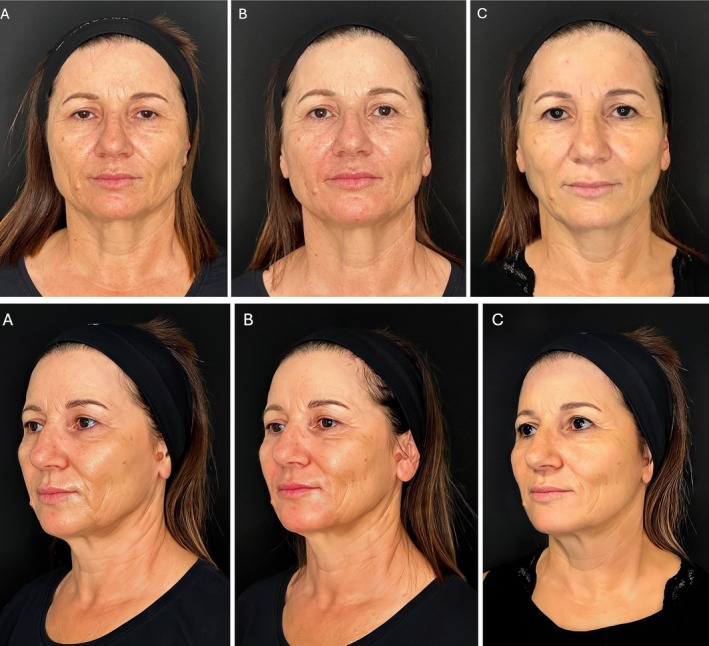
Among the 287 subjects in the treatment group, the efficacy rate reached 97.56% (280 out of 287) at 1 month postfinal treatment (V4), significantly higher than the 3.95% (6 out of 152) observed in the control group (χ 2 Cochran-Mantel-Haenszel [CMH] = 377.458, P <0.001) (Table 3 ). The rate difference was 93.61% (95% confidence interval, 90.04%–97.19%), with the 95% confidence interval confirming superiority over the 15% margin. The GAIS score distribution demonstrated that within the treatment group, 5.57% of subjects were rated as “very much improved,” 41.11% as “much improved,” and 50.87% as “improved.” In contrast, only 6 subjects (3.95%) in the control group showed improvement of any degree, whereas the remainder were rated as “no change” or “worse” (Table 4 ). Figure 2 displays representative facial assessment images of a participant, showing progressive improvements in skin condition following intradermal mesotherapy with the sodium hyaluronate composite solution.
Table 3. Primary Efficacy Results (V4)
| Indicator | Treatment Group | Control Group |
|---|---|---|
| Ineffective, n (%) | 7 (2.44) | 146 (96.05) |
| Effective, n (%) | 280 (97.56) | 6 (3.95) |
| Total (missing) | 287 (0) | 152 (0) |
| χ 2 CMH | 377.458 | |
| P | <0.001 |
Table 4. Distribution of GAIS Scores (V4)
| Rating Level | Treatment Group (n = 287) | Control Group (n = 152) |
|---|---|---|
| Very much improved, n (%) | 16 (5.57) | 0 (0.00) |
| Much improved, n (%) | 118 (41.11) | 1 (0.66) |
| Improved, n (%) | 146 (50.87) | 5 (3.29) |
| No change, n (%) | 5 (1.74) | 137 (90.13) |
| Worse, n (%) | 2 (0.70) | 9 (5.92) |
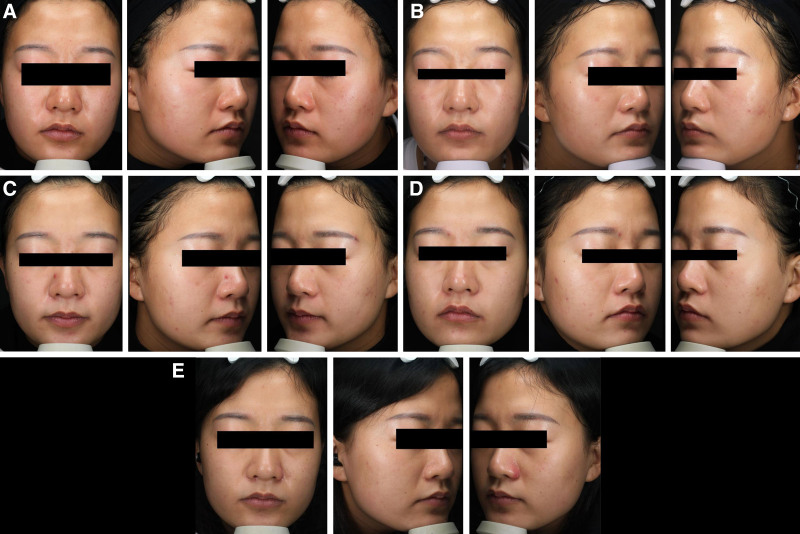
Fig. 2. Representative facial assessment images from a participant demonstrating progressive improvements in skin condition following intradermal mesotherapy with the sodium hyaluronate composite solution. From top to bottom: A (Screening/baseline, V0: day −14 to day 0), Baseline shows dull skin tone, uneven complexion, and reduced luminosity. B, (Before second treatment, V2: day 30 ± 3), Mild improvement in brightness and tone. C, (Before third treatment, V3: day 60 ± 3), Further improvements in evenness and radiance. D (Follow-up 1, V4: day 90 ± 3), Enhanced smoothness and a hydrated glow. E (Follow-up 2, V5: day 150 ± 3), Sustained rejuvenation with brightness. Images are presented in 3 columns from left to right: frontal view, right 45-degree view, and left 45-degree view.一例受试者治疗前后面部评估图像,自上而下显示基线、第2次治疗前及后续随访时皮肤状态逐步改善(肤色提亮、肤质细腻)。
Assessment of Treatment Efficacy Rates at Different Time PointsAnalysis of the secondary efficacy endpoints demonstrated that the treatment group consistently outperformed the control group across all time points and evaluation dimensions, with sustained therapeutic effects (Table 5 ).
Table 5. Secondary Efficacy Endpoints: Treatment Efficacy Rates at Different Time Points
| Evaluator | Time Point | Treatment Group (Cases/Total) | Control Group (Cases/Total) | P |
|---|---|---|---|---|
| Blinded evaluator, % (n/N) | V2 | 81.88 (235/287) | 4.00 (6/150) | <0.001 |
| V3 | 90.24 (259/287) | 5.37 (8/149) | <0.001 | |
| V5 | 91.87 (260/283) | 3.95 (6/152) | <0.001 | |
| Injecting investigator, % (n/N) | V2 | 93.38 (268/287) | 1.33 (2/150) | <0.001 |
| V3 | 96.52 (277/287) | 1.32 (2/152) | <0.001 | |
| V4 | 98.61 (283/287) | 1.97 (3/152) | <0.001 | |
| V5 | 90.81 (257/283) | — | — | |
| Subject Self-assessment, % (n/N) | V2 | 91.99 (264/287) | 0.00 (0/150) | <0.001 |
| V3 | 97.56 (280/287) | 0.00 (0/152) | <0.001 | |
| V4 | 97.56 (280/287) | 0.66 (1/152) | <0.001 | |
| V5 | 91. 17 (258/283) | — | — |
Blinded evaluator assessmentAt V2, the efficacy rate in the treatment group was 81.88% (235 out of 287), significantly higher than 4.00% in the control group (6 out of 150, P < 0.001). At V3, the efficacy rate increased to 90.24% (259 out of 287), again significantly higher than 5.37% in the control group (8 out of 149, P < 0.001). At V5, the efficacy rate remained high at 91.87% (260 out of 283), compared with 3.95% in the control group (6 out of 152), indicating long-term improvement.
Injector and subject self-assessmentsAccording to injector evaluations, the efficacy rates in the treatment group were 93.38% (268 out of 287) at V2, 96.52% (277 out of 287) at V3, 98.61% (283 out of 287) at V4, and 90.81% (257 out of 283) at V5. These were all significantly higher than those in the control group (1.33% to 1.97%, P <0.001). Subject self-assessments showed similar trends, with efficacy rates of at least 91.17% at all time points, significantly surpassing those of the control group (0% to 0.66%, P < 0.001).
Skin Physiological ParametersAnalysis showed that the skin physiological parameters in the treatment group were significantly better than those in the control group at all time points, with improvements sustained up to V5 (Table 6 ).
Table 6. Comparison of Changes in Skin Physiological Parameters Between the Treatment Group and Control Group
| Parameter | Time Point | Treatment Group (n = 287) | Control Group (n = 152) | Statistics | P |
|---|---|---|---|---|---|
| Skin hydration | V0 | 45.09 ± 10. 12 | 45.27 ± 9.87 | Z = 0.348 | 0.728 |
| V2 | 57.51 ± 8.79 (↑) | 45.73 ± 9.29 (↑) | Z = −14.73 | <0.001 | |
| V3 | 63.33 ± 7.26 (↑) | 46.75 ± 7.88 (↑) | Z = −15.06 | <0.001 | |
| V4 | 71.50 ± 10.70 (↑) | 46.68 ± 8. 16 (↑) | Z = −15.76 | <0.001 | |
| V5 | 62.33 ± 8.73 (↑) | — | — | — | |
| Skin elasticity | V0 | 59.17 ± 6.72 | 58.86 ± 5.82 | Z = 0.079 | 0.937 |
| V2 | 67.06 ± 7.15 (↑) | 58.85 ± 6.14 (↓) | Z = −11.90 | <0.001 | |
| V3 | 71. 12 ± 6.34 (↑) | 60. 11 ± 5.82 (↑) | Z = −13.07 | <0.001 | |
| V4 | 77.42 ± 7.90 (↑) | 60.77 ± 7.41 (↑) | Z = −13.79 | <0.001 | |
| V5 | 70.22 ± 8.09 (↑) | — | — | — |
Skin hydrationAt V2, hydration in the treatment group increased by 12.42 ± 7.74 from V0. At V3, the increase reached 18.25 ± 9.77; and at V4, it peaked at 26.50 ± 14.84. These values were 11.91, 16.61, and 25.10, respectively, higher than those of the control group ( P <0.001). At V5, hydration remained elevated by 17.35 ± 14.00 compared with V0, indicating a lasting moisturizing effect.
Skin elasticityElasticity in the treatment group increased by 7.89 ± 7.70 at V2, 11.95 ± 7.65 after the second injection (V3), and 18.18 ± 10.49 at V4. These values exceeded those in the control group by 7.99, 10.70, and 16.27, respectively ( P < 0.001). An improvement of 11.06 ± 9.58 was maintained at V5.
Adverse reactions were reported in 5 subjects in the treatment group, yielding an incidence rate of 1.67% (5 out of 300) (Table 7 ). Among these, 4 cases involved mild-to-moderate hyperpigmentation, and 1 case involved a moderate allergic reaction. Except for the allergic reaction, which required pharmacological treatment, all other adverse events resolved spontaneously without intervention. No serious adverse events occurred.
Table 7. Summary of Adverse Reactions
| Type of Event | No. Cases | Severity | Management | Outcome |
|---|---|---|---|---|
| Hyperpigmentation | 4 | Mild (3)Moderate (1) | No treatment (3)Local intervention (1) | All resolvedSpontaneously |
| Allergic reaction | 1 | Moderate | Treated with antihistamines | Recovered, no sequelae |
Mesotherapy involves delivery of single component or mixtures (mesococktails) of different compounds into the dermis for skin rejuvenation. Despite its popularity, skin boosters have a scarcity of large-scale studies evaluating their efficacy and safety profiles. 20 This multicenter randomized controlled study systematically evaluated the efficacy and safety of a sodium hyaluronate–based complex solution—comprising HA, glycine, proline, leucine, and lysine—in skin rejuvenation. The findings provide support for the application of this complex in facial skin rejuvenation, which are consistent with previous clinical studies, and further support the efficacy of skin boosters in mesotherapy through large-scale clinical research data. 9 , 21 Nevertheless, the choice of the skin boosters must be guided by high-quality research data to achieve the best desired effect. Although, compared with pure HA formulations, this novel skin booster (sodium hyaluronate composite solution) showed promising clinical outcomes relative to previous research findings. Streker et al 22 reported an approximately 80% efficacy rate at 3 months for monotherapy with HA, whereas the present study achieved a 91.61% efficacy rate at 3 months posttreatment.
The function of HA can be understood through 2 principal mechanisms: hydration and bioregulation. Physically, HA’s glucuronic acid groups form a dynamic hydration network in the dermis via hydrogen bonding, enabling each HA molecule to bind up to 1000 times its weight in water, significantly enhancing hydration in both the dermis and epidermis. 23 Dryness is one of the main characteristic manifestations of skin aging. The injection of HA into the skin enhances overall skin hydration, providing cells with a better hydrated ECM microenvironment. 24 In this study, skin hydration levels in the treatment group increased by an average of 26.50 one month after the final injection and maintained a 17.35-point gain at 3 months, consistent with previous findings on the long-lasting moisturizing effect of HA, confirming its core role in alleviating dryness through water retention. 25 , 26 Relevant latest and large-sample HA skin booster studies show consistency with this study’s 89.6% facial “improved” or “much improved” rate at 3 months. A double-blind placebo-controlled study found that 3 sessions of injections achieved an 82% facial GAIS improvement (improved/much improved) at 53 days, significantly higher than placebo. 27 Another prospective study found that 3 injections showed an 88% facial GAIS responder rate (slight improvement/important improvement) at 15 days and 3 months, maintaining 61% at 6 months. 28 An Asian prospective study showed 3 injections achieved more than 80% facial GAIS satisfaction at 32 weeks. 29 These findings confirm that HA skin boosters consistently deliver significant facial aesthetic improvements, with this study’s GAIS efficacy within the mainstream effective range.
On the bioregulatory level, HA binds to CD44 receptors on fibroblasts, activating the ERK1/2-MAPK signaling pathway and promoting transcription of transforming growth factor-beta, thereby inducing the synthesis of type I (COL1A1) and type III collagen. 30 , 31 The sustained improvement in skin elasticity observed in this study (average increase of 18.18 one month posttreatment) is likely related to HA-induced fibroblast activation and upregulation of tissue inhibitor of metalloproteinases-1, which promotes structural and functional rejuvenation of key ECM proteins such as collagen and elastin. This suggests that HA not only improves skin quality through increasing hydration and volumization, but also actively remodels the dermal matrix by modulating cell signaling pathways 28 , 30 , 31
In previous relevant controlled clinical studies, the proportion of skin boosters containing HA with amino acid was relatively small, as compiled in 2 recent systematic reviews (1/12 and 1/15), and the main type was still pure HA skin boosters. 9 , 21 Previous clinical studies on composite formulations of skin boosters for skin rejuvenation have yielded similar findings. 17 , 32 , 33 Amino acids can synergize with HA to promote fibroblast activation and ECM synthesis, thereby enhancing skin elasticity. 34 A prospective study of 40 healthy subjects treated with 3 intradermal injections of HA, amino acid, and vitamin complex at 2-week intervals showed that facial skin viscoelasticity increased by 12.5% at day 42 compared with baseline, with statistical significance. 15 A morphometric study of 32 women who received 2 sessions of high-molecular-weight HA and collagen/elastin synthetic amino acids injections reported enhanced facial skin tightening and elasticity at 12 weeks posttreatment. 35 A histological study of 20 subjects who underwent 4 mesotherapy sessions of HA fragments and amino acids found that fibroblast activity and type III collagen synthesis were significantly increased at 3 months, with the increased dermal and epidermal thickness, indirectly confirming improved skin elasticity. 17 Compared with these studies, the significant improvement in facial skin elasticity (eg, 18.7% increase at 3 months postfinal treatment versus baseline, calculated from Table 6 data) in this study is consistent with the efficacy range of HA and amino acid formulations, further verifying that the combination of HA and amino acids synergistically enhances skin elasticity by promoting ECM synthesis and fibroblast activation.
This is likely attributable to the sustained effects of amino acids on collagen biosynthesis and the synergistic effects of the multicomponent formulation. 36 In terms of treatment duration, the amino acid-enhanced stimulation of fibroblast ECM production may prolong the remodeling phase of the dermal matrix, as evidenced by the long-lasting elevation in skin elasticity (still 11.06 points above baseline at 3 mo). The coadministration of glycine, proline, leucine, and lysine may exert synergistic effects on collagen synthesis through precursor supply, structural reinforcement, and metabolic regulation. 36 – 38 Glycine, a major component of the collagen α-chain, directly participates in prolyl hydroxylase activity, promoting hydroxylation of proline into hydroxyproline—a key step for stabilizing the collagen triple helix. 39 , 40 Proline enhances collagen fiber resilience by stabilizing this triple helical conformation; deficiency in proline leads to increased collagen fragility. 38 The observed improvement in GAIS score and skin elasticity suggests better collagen stability and alignment, possibly due to enhanced dermal fiber organization. Leucine, an essential amino acid, activates the mTORC1 complex, thereby facilitating ribosomal biogenesis and accelerating fibroblast proliferation and ECM synthesis. 41 , 42 Lysine, by modifying the negative charge density of HA, enhances interactions with fibronectin and laminin, promoting homogeneous distribution and prolonged retention of the complex within the dermis. 43 , 44 Glycine delays HA degradation by inhibiting hyaluronidase activity (HYAL1/HYAL2), whereas leucine acts synergistically with HA in promoting the maturation of procollagen into functional collagen. 45
Local injection-site reactions such as pain, erythema, and swelling are expected with mesotherapy and were mostly mild and transient in this study, consistent with tissue responses caused by mechanical needle insertion. The incidence of product-related adverse events in the treatment group was 1.67% (5 cases), comprising 4 cases of hyperpigmentation and 1 case of allergic reaction, all mild to moderate with no serious events, which aligns with previous findings on the injection safety profile of similar products. Scarano et al 33 documented a 13.3% product-related adverse event rate (2 cases of injection-site erythema) in 15 subjects treated with HA and amino acids formation. Siquier-Dameto et al 15 reported a 2.4% hyperpigmentation rate and 2.4% mild itching rate in 40 subjects treated with HA, amino acids, and vitamin formation. Lee et al 13 recorded a 5% adverse event rate (1 case of subcutaneous nodule) in 20 subjects treated with an HA-based skin booster. Nodules and granulomatous reactions represent well-documented yet relatively uncommon complications associated with mesotherapy, 46 which have been implicated in foreign-body reactions, low-grade infections, product impurities, and suboptimal injection techniques (eg, large bolus administration, excessive depth of placement, or intralymphatic injection). 47 , 48 In our study, no clinical nodules or granulomatous reactions were detected during the follow-up period. Based on the aforementioned research data, the use of skin boosters has been demonstrated to have a high safety profile in skin rejuvenation. However, optimizing injection techniques and making rational selections of product characteristics can further enhance the safety and efficacy of the treatment. 19
Limitations of this study include (1) the absence of a negative control group, which precludes exclusion of potential effects from needle insertion alone; however, this approach aligns with current Chinese regulatory guidelines for medical device trials and considers patient welfare; (2) a predominantly female subject cohort (92.94%), resulting in limited male efficacy data. This reflects current real-world mesotherapy demographics, but future studies should consider gender-specific trial designs to explore potential sex-based differences in treatment response; (3) although the study demonstrated short- to medium-term efficacy and safety, future randomized clinical trials with longer follow-up periods are required to further confirm the long-term efficacy, durability, and safety of the sodium hyaluronate composite solution; (4) future research is needed to further clarify the molecular interactions between HA and the amino acids, particularly regarding their effects on cellular (keratinocyte and fibroblast) vitality and ECM metabolism, and to use histological analysis and immunofluorescence to determine the effects of the complex solution on fibroblast expression and ECM remodeling.
This study demonstrates that intradermal administration of a sodium hyaluronate–based complex via mesotherapy effectively improves facial skin rejuvenation, with a 97.56% efficacy rate observed 1 month after final treatment. Significant improvements in skin hydration and elasticity were observed and sustained for up to 3 months postfinal treatment. The combined effects of HA and amino acids promote moisturization, collagen synthesis, and ECM remodeling. The treatment was well tolerated, with only mild, transient local reactions reported. These findings support its use as a safe, effective, and minimally invasive option for managing mild to moderate skin aging, and provide a basis for further studies on long-term outcomes and combination strategies.
The authors have no financial interest to declare in relation to the content of this article. This study was funded by Bloomage Biotechnology Corporation Limited. The authors declare that the funding was provided solely for financial support. The funding organization had no influence on the study design, data collection, analysis, interpretation, or the decision to publish this work.
This work was supported by Bloomage Biotechnology Corporation Limited as part of a collaborative research project. The authors sincerely appreciate their financial and technical support, as well as their valuable contributions to the development of this study.
声明:中文精读 · 仅供学术参考。内容来自公开文献检索,不代表本人观点,不构成诊疗建议。 医疗美容需在正规医疗机构由执业医师实施。
基于相同主题推荐 · 继续深挖
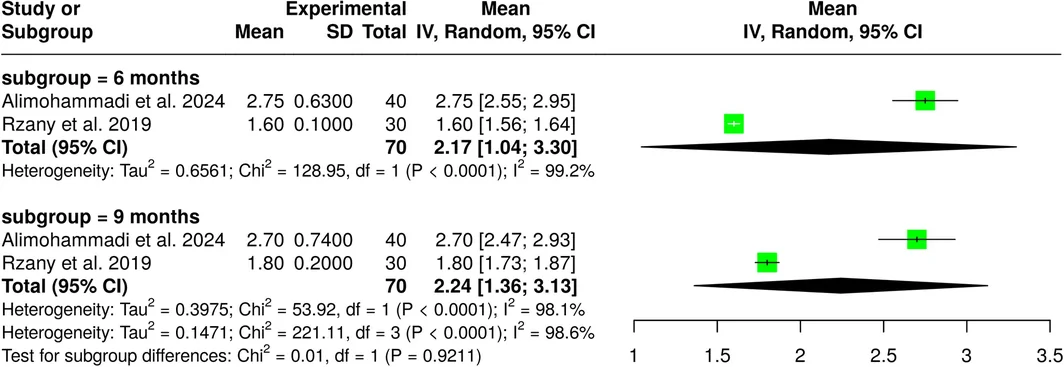
研究类型:系统综述联合单臂荟萃分析(遵循PRISMA,PROSPERO前瞻性注册),纳入11项研究共967例受试者,评估VYC-17.5L(Volift/Vollure,17.5
研究设计:意大利团队提出的三层(深层脂肪、浅层脂肪、真皮皮下层)超声引导中面部年轻化技术,属观察性/概念验证研究;15 例患者(13 女 2 男,50±8 岁,范围 42-65 岁
多中心RCT:6家中心、439例完成,治疗组287例、对照152例。