多核苷酸生物刺激剂(VAMP)泪沟年轻化 5 例病例系列
2026年10月15日11 min read
Plastic and Reconstructive Surgery Global Open
Plastic and Reconstructive Surgery Global Open
结论与实践要点
泪沟是注射并发症高风险区:皮肤薄、血管浅、增容过度易出现结节与丁达尔效应。本病例系列探索「不加容量、只改善肤质」的多核苷酸路线,5 例均获轻中度改善且无不良事件,与 PN 促真皮再生、不依赖容量的机制相符。操作上采用微滴(浅层水合 + 成纤维细胞激活)与线性穿行(沿泪沟轮廓均匀分布)联合,并以钝针降低血管损伤风险。
临床定位上,此类证据属于「可行性/先导」级别:样本 5 例、无对照、随访 3 个月,既无法与其他 PN 产品或 HA 填充做疗效比较,也无法排除早期水肿造成的假象。若在临床试用,建议:① 以肤质型泪沟(色素/纹理为主、容量缺损轻)为适应证;② 单侧 1 mL 量级、微滴 + 线性隧道联合;③ 至少 3 个月后评估真实再生效果;④ 完整告知证据级别低、可能需按疗程重复治疗。作者声明无经济利益。
Tear trough rejuvenation presents a clinical challenge due to thin skin, superficial vasculature, and age-related volume loss. VAMP, manufactured by Prollenium, a polynucleotide-based biostimulatory injectable, is designed to support dermal regeneration and improve skin quality without volumizing excess. The objective of this study was to evaluate early clinical outcomes after VAMP injection in the tear trough area. Five healthy female patients (aged 35–50 y) of Middle Eastern and White descent were treated with 2 mL of VAMP (1 mL per side) using a 23G 30-mm SoftFil microcannula. The product was delivered via a combined microdroplet and linear threading technique to enhance distribution. Follow-up assessments were conducted at 1 week, 2 weeks, 1 month, and 3 months. Evaluation included standardized clinical photography, patient-reported satisfaction, and assessments of texture, tone, pigmentation, and contour. Mild to moderate improvements were observed in tear trough appearance, skin smoothness, and pigmentation. No adverse events were reported within the follow-up period. However, the limited sample size and short duration preclude definitive conclusions. Preliminary results suggested that VAMP may offer a promising option for tear trough rejuvenation. Further studies with larger cohorts and extended follow-up beyond 6 months are warranted.
The periorbital region is highly susceptible to aging due to its thin dermal layer, minimal subcutaneous fat, and frequent muscular activity. Clinical manifestations often include tear trough depression, hyperpigmentation, fine lines, and skin laxity—leading to a fatigued appearance. Common therapeutic approaches include hyaluronic acid (HA) fillers, platelet-rich plasma, mesotherapy, and energy-based devices. However, these modalities may present challenges such as posttreatment edema, Tyndall effect, and risk of vascular complications. 1 – 3
Polynucleotides have recently emerged as a promising regenerative approach in aesthetic medicine due to their ability to stimulate fibroblast proliferation, improve hydration, and promote collagen synthesis. 4 – 6 Compared with platelet-rich fibrin and platelet-rich plasma, which rely on autologous platelet-derived growth factors, polynucleotides offer a standardized, stable, and bioactive matrix with more predictable outcomes. In contrast to HA fillers, which restore volume but may lead to contour irregularities or migration in the tear trough, polynucleotides enhance dermal quality without volumizing excess. Skin boosters offer hydration and glow but lack the sustained biostimulation profile of polynucleotide-based products.
VAMP is a next-generation polynucleotide-based injectable developed specifically for tissue biostimulation and structural rejuvenation. Unlike volumizing fillers, VAMP improves skin quality at a cellular level, facilitating long-term dermal remodeling. 7 – 10
This case series presents clinical outcomes after VAMP administration in the tear trough area, emphasizing technique, safety, patient satisfaction, and observed improvements. This study aimed to contribute to standardized practice by exploring an injection method designed to yield natural and reproducible results in a high-risk anatomical zone.
Five healthy female patients (aged 35–50 y) of Middle Eastern and White descent seeking tear trough rejuvenation were recruited. Exclusion criteria included active dermatologic conditions, previous tear trough filler injection within 6 months, pregnancy, autoimmune disorders, or known hypersensitivity to any of the product components. All patients provided informed consent.
The product used was VAMP, which is a sterile, injectable polynucleotide-based solution designed to support dermal regeneration through biostimulation. It contains highly purified DNA fragments that act as scaffolds for fibroblast activation, promoting collagen synthesis, angiogenesis, and tissue hydration. Unlike volumizing fillers, VAMP does not add structural bulk but instead enhances skin quality at the cellular level. Its noncrosslinked, bioresorbable formulation allows for uniform distribution with minimal risk of immunogenic response, making it particularly suitable for delicate areas such as the periorbital region.
VAMP was injected using a 23G 30-mm SoftFil microcannula (Soft Medical Aesthetics, France). One milliliter of the product was administered in each tear trough area, totaling 2 mL per patient. The injection was performed using a combined technique of microdroplet deposits and linear threading. Microdroplets were strategically placed to target superficial dermal hydration and stimulate fibroblast activity, whereas linear threads were used to distribute the product more deeply and uniformly along the tear trough contour. This dual approach ensured homogeneous distribution, minimized the risk of lumpiness or overcorrection, and promoted natural integration with minimal trauma to the delicate periorbital tissues.
Patients were evaluated at 1 week, 2 weeks, 1 month, and 3 months post injection. Evaluation criteria included the following:
Rationale for these intervals was based on known timelines of tissue remodeling and hydration after polynucleotide injection, with 3 months offering a reliable endpoint for safety and efficacy.
All 5 patients demonstrated noticeable improvement in tear trough appearance with visible enhancements in skin smoothness, hydration, and volume.
Key observations included the following:
Patients reported high levels of satisfaction, with descriptors including “refreshed,” “brighter eyes,” and “more youthful” noted consistently across follow-ups. Clinical results remained stable throughout the 3-month evaluation period (Figs. 1 – 4 ).
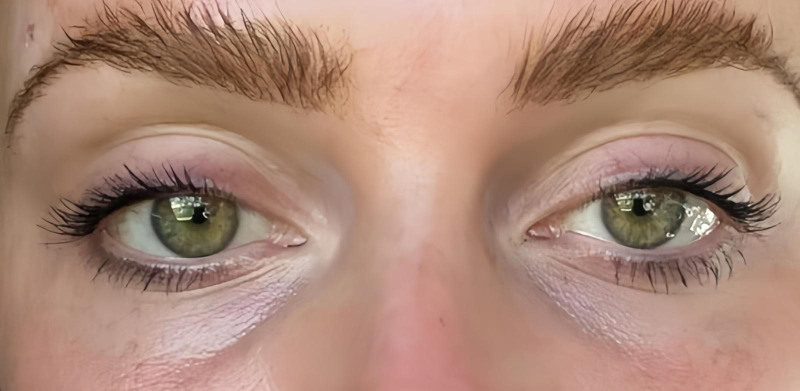
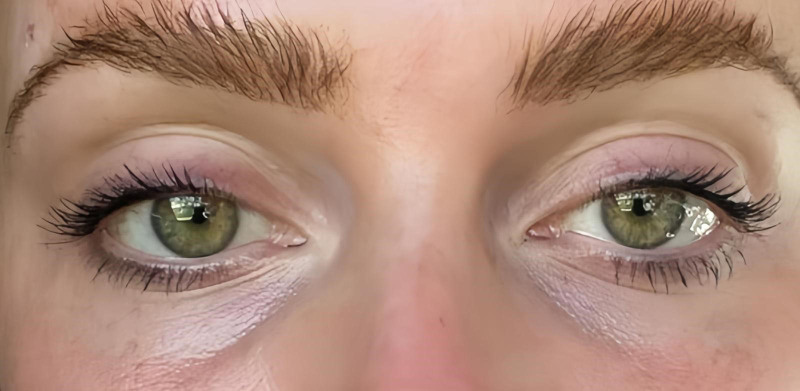
Fig. 1. Before picture for patient 1.病例 1 注射前照片:双侧泪沟凹陷伴色素沉着。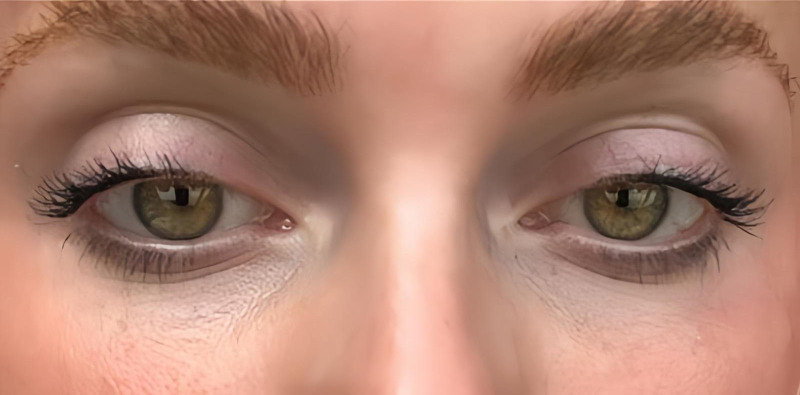
Fig. 2. Postinjection picture at 3-month interval for patient 1.病例 1 注射后 3 个月照片:泪沟深度与色素改善。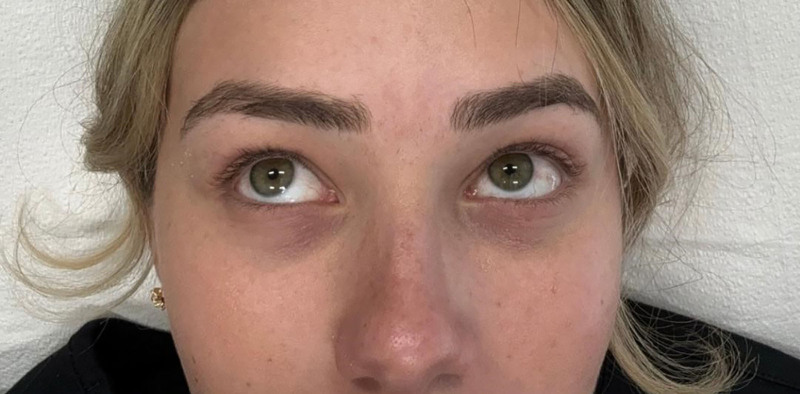
Fig. 3. Before picture for patient 2.病例 2 注射前照片。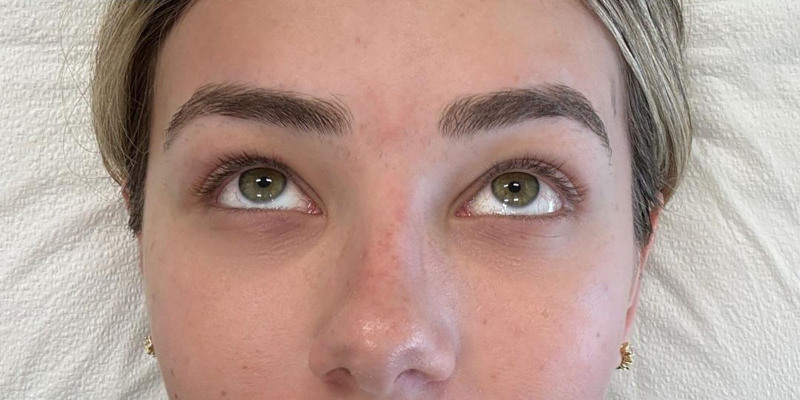
Fig. 4. Postinjection picture at 3-month interval for patient 2.病例 2 注射后 3 个月照片。
Polynucleotide-based injectables represent a paradigm shift in aesthetic medicine, focusing on cellular regeneration rather than volumization alone. In the present case series, VAMP demonstrated a favorable safety profile with reproducible aesthetic outcomes in the challenging tear trough region. Polynucleotides function by creating a favorable extracellular environment that encourages fibroblast proliferation, angiogenesis, and hydration at the tissue level. This is particularly advantageous in the tear trough area, where the goal is to improve skin tone and elasticity rather than add bulk. Previous literature has documented the regenerative effects of polydeoxyribonucleotides (PDRNs) on dermal fibroblasts, extracellular matrix remodeling, and skin hydration. 6 – 10
Comparative analysis between PDRNs and HA fillers reveals that, whereas the latter provides immediate volume correction, PDRNs stimulate neocollagenesis and improve skin architecture over time. 7 – 9 Moreover, complications frequently associated with fillers such as vascular occlusion and bluish discoloration were absent in our series. This can be attributed to both the nature of the product and the nontraumatic microcannula technique used. 10
Although no adverse events were noted in this limited cohort, the absence of complications in 5 cases cannot establish a comprehensive safety profile. Observed improvements may also reflect early-phase changes or residual edema, as complete tissue remodeling often requires more than 3–4 months. These limitations are acknowledged, and the results should be interpreted cautiously.
Although this case series provides valuable insights, it is limited by its small sample size and short follow-up duration. Larger, randomized controlled trials are necessary to validate these findings and compare the efficacy of VAMP with other biostimulatory agents. Future research should also incorporate objective measurement tools such as high-frequency ultrasound imaging or skin biomechanical analysis to quantify tissue changes more precisely. Moreover, evaluating the use of cannulas versus nanoneedles for product delivery may refine technique selection. It would also be valuable to assess the longevity of results beyond 3 months and the impact of repeated treatments on sustained improvement. Additionally, investigating optimal dosing strategies based on skin type, dermal thickness, and ethnic variations could help personalize treatment protocols. Comparative trials against various skin boosters, energy-based devices, or platelet-rich fibrin may further clarify the most effective and safe approach to tear trough rejuvenation.
VAMP represents a safe and effective biostimulatory alternative for tear trough rejuvenation, with consistent improvements in dermal texture, tone, and volume. Its favorable safety profile and regenerative mechanism make it particularly suitable for delicate anatomical areas. Large-scale studies are needed to further validate these preliminary findings and optimize treatment protocols.
The authors have no financial interest to declare in relation to the content of this article.
Patients provided written consent for the use of their images.
声明:中文精读 · 仅供学术参考。内容来自公开文献检索,不代表本人观点,不构成诊疗建议。 医疗美容需在正规医疗机构由执业医师实施。
基于相同主题推荐 · 继续深挖
5 例健康女性(35–50 岁,中东与白人)接受 VAMP(多核苷酸基生物刺激剂,Prollenium)泪沟注射,每侧 1 mL(共 2 mL),23G 30mm 钝针,微滴 +
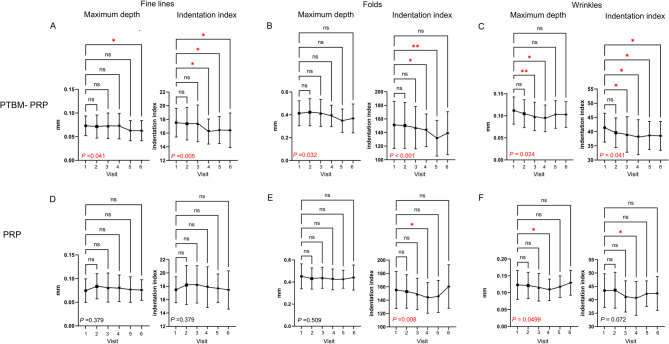
背景:自体富血小板血浆(PRP)常用于皮肤年轻化;本研究评估光热生物调节预处理 PRP(PTBM-PRP)对比标准 PRP 的疗效与安全性。
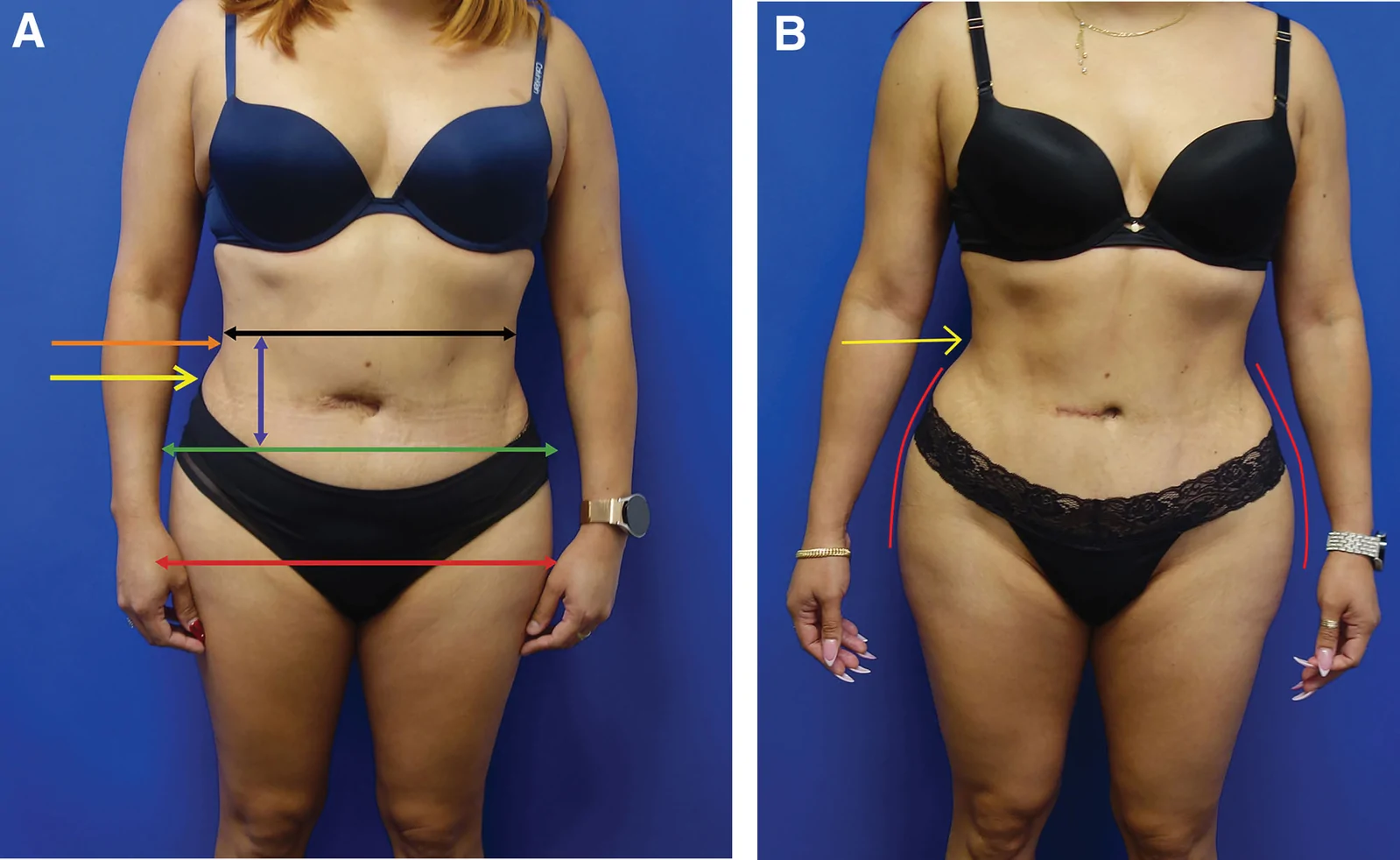
回顾性大样本病例系列(2016年11月至2025年1月),共1999例连续手术,中位年龄36岁(IQR 31至42),中位BMI 29(IQR 26至32),最短随访6个月。