纳米脂肪移植分区面部年轻化
2026年9月12日22 min read
Plastic and Reconstructive Surgery Global Open
结论与实践要点
循证层面: 本文为小样本回顾性研究(20 例手术患者),GAIS 评分改善显著且 3 个月维持,无不良事件报告,但缺乏对照组,无法单独归因联合治疗 versus 手术本身的效果,证据等级有限(专家意见/低质量观察性证据层面)。
证据等级与局限: 分区(compartment-specific)思路较清晰——下颌缘/颏下用较高能量局部减脂,中面部以低能量保留脂肪并促进生物刺激;但低能量参数(5–20 能量单位上限)与第三代过滤纳米脂肪工艺的标准化仍需更大样本与组织学数据支持。GAIS 主观评分一致性中等,建议未来结合 3D 影像等客观指标。
可落地提示: 对寻求「手术 + 皮肤质量提升」一站式方案的患者,可在术中以低能量射频微针建立微通道后行纳米脂肪皮下注射(口周、颧、颞等再生优先区),并以 2 mm/5 能量单位末遍控制热损伤;临床推广前仍建议在有对照条件下验证其因果贡献与长期耐久性。
Background:This study evaluated a novel approach combining low-energy Morpheus8 radiofrequency (RF) microneedling and nanofat grafting for facial rejuvenation, aiming to preserve adipose tissue while enhancing skin quality.
Methods:A retrospective analysis was conducted on 20 patients (aged 20–45 y) treated with nanofat injections immediately after low-energy RF microneedling. Outcomes included Global Aesthetic Improvement Scale scores and nonsurgical parameters (pore visibility, skin luminosity, and fine wrinkles), assessed at 1, 3, and 12 months posttreatment.
Results:Pretreatment Global Aesthetic Improvement Scale scores (mean = 3.35, SD = 0.61) showed significant improvement posttreatment (mean = 1.76, SD = 0.87; P < 0.001). Sustained enhancement was observed at 3 months (mean = 1.52, SD = 0.63; P < 0.001), with 85% of patients rated as “very much improved.” Blinded evaluations confirmed visible reductions in pore visibility, increased skin luminosity, and diminished fine wrinkles in nonsurgical regions (malar, perioral). No adverse events were reported.
Conclusions:The combination of low-energy RF microneedling and nanofat grafting synergistically improves facial aesthetics by targeting regenerative and structural aging markers. Specific enhancements in nonsurgical regions underscore the value of this adjunctive approach. Larger controlled studies are warranted to establish causality.
Nanofat grafting, a minimally invasive technique that involves the processing of autologous adipose tissue into small fat particles (<0.1 mm in diameter), 1 , 2 has gained popularity in plastic surgery, aesthetic dermatology, and regenerative aesthetics. This concentrate, rich in adipose-derived stem cells (ASCs) and growth factors, offers significant aesthetic and regenerative potential. 3 The readily available and biocompatible nature of autologous fat, combined with its known abundance of mesenchymal stromal cells since the 1970s, 1 makes it a readily accessible and biocompatible source for ASCs. 4 The current emphasis on regenerative aesthetics and achieving natural, 5 , 6 long-lasting results has increased interest in nanofat and energy-based devices, particularly among plastic surgeons.
Initially introduced by Tonnard et al, 7 nanofat grafting is widely used for facial rejuvenation and scar treatment, 2 leveraging the regenerative properties of ASC to enhance skin quality and improve aesthetic outcomes. 1 , 3 Early fat grafting studies focused primarily on structural components. Still, the discovery of the regenerative potential of ASC in 2001 8 and subsequent advancements in processing techniques, 7 , 9 enabling the isolation of stromal vascular fraction (SVF) cells, further propelled its clinical application. SVF cells, including ASCs, endothelial cells, and other supportive cells, significantly enhance fat graft regenerative capabilities and improve skin quality. 4 , 10 Nanofat, devoid of adipocytes but rich in regenerative cells, 9 has improved skin texture, elasticity, and pigmentation. 2 , 11 In facial aesthetic procedures, its combination with energy-based devices 12 and injectables, especially collagen biostimulators, is gaining significant popularity for treating superficial wrinkles and promoting overall skin rejuvenation. 4 , 13
Transcutaneous radiofrequency (RF) microneedling is currently used in plastic surgery primarily for skin rejuvenation and the treatment of various dermatologic conditions. This minimally invasive technique combines RF energy with microneedling to enhance skin tightening and improve the overall texture and appearance of the skin. Although the optimal nanofat application technique remains under investigation, RF microneedling has emerged as a promising method for enhancing aesthetic outcomes. 14 , 15 This minimally invasive approach, which combines RF energy with microneedling to stimulate collagen and elastin production, effectively addresses various signs of aging (facial rhytids, skin laxity), particularly in younger patients. 16 Additionally, RF microneedling improves acne scars and other scarring, 17 treats melasma and rosacea, addresses hair thinning, and treats cellulite and striae. It also serves as a valuable adjunct to surgical procedures. 15 , 16 The Morpheus8 device, with its unique ability to target dermal and subdermal layers, is preferred due to its efficacy, minimal downtime, and excellent tolerability across all skin types. It is also a practical option for drug delivery adjuvants. 18 However, it is crucial to understand how RF energy interacts with different tissue layers and to optimize its application to minimize adverse effects such as fat loss while enhancing the biostimulatory effects of microneedling-induced trauma and controlled dermal heating. 15 Excessive lipolysis from high-energy devices may accelerate skin aging by reducing adipocyte volume, impairing the endocrine functions of adipose tissue. Furthermore, volume loss in the subcutaneous fat layer can paradoxically exacerbate skin laxity, counteracting rejuvenation goals. 19
Existing RF microneedling protocols vary widely, 15 , 16 , 20 yet few studies quantify fat loss or define safe energy thresholds to mitigate this risk. This retrospective study (n = 20) investigated a novel combined approach: microneedle-assisted delivery of nanofat with controlled RF energy. Although RF is typically avoided with fat grafting due to concerns about cellular damage, this study explored the synergistic potential of combining both modalities. Our decision to use lower energy settings was motivated not only to reduce complications such as burns and postinflammatory hyperpigmentation—particularly relevant in populations with higher Fitzpatrick skin types (III–VI)—but also to address concerns about facial fat depletion. By precisely controlling RF energy delivery, we aimed to achieve 2 key objectives: first, to ensure the survival of the nanofat and its regenerative functions in the subcutaneous tissue through direct injection, which preserves the SVF and ASCs, and second, to leverage the microchannels created by microneedling to enhance nanofat penetration into the dermis, amplifying its reparative effects through deeper delivery of growth factors and ASCs. This dual strategy—combining subcutaneous injection with transdermal delivery—optimizes both fat retention and dermal rejuvenation, addressing structural and regenerative aspects of facial aging while minimizing risks associated with conventional high-energy protocols.
This retrospective study analyzed 20 patients (19 women, 1 man; aged 20–45 y) who underwent facial plastic surgery procedures (eg, rhinoplasty, blepharoplasty, and submental lipofilling) in Colombia (2020–2024). All patients received adjunctive treatment combining microneedle RF (Morpheus8, InMode Aesthetics) with variable volumes of nanofat, administered across the face and neck to optimize aesthetic outcomes.
We hypothesized that low-energy Morpheus8 (to create microchannels and stimulate dermal heating) combined with nanofat grafting would synergistically enhance results. High-energy settings were reserved for localized fat reduction (eg, jowls, submental area). However, energy levels remained conservative compared with standard InMode protocols. 21 , 22 Inclusion criteria were age 18 years or older and absence of autoimmune disorders. Exclusion criteria were pregnancy, breastfeeding, age younger than 18 years, or refusal of adjunctive treatment after informed consent.
Written informed consent was obtained for the use of images in publications. The Human Research Ethics Committee of Hospital San Jose—Fundacion Universitaria de Ciencias de la Salud (Comité de Ética de Investigación en Seres Humanos) approved the protocol in minute 22 on December 11, 2024, under communication (Comité de Ética de Investigación en Seres Humanos) 550-2024.
Data were analyzed using IBM SPSS Statistics 30.0 (IBM Corp., Armonk, NY). Descriptive statistics, Wilcoxon signed rank tests, and paired t tests were applied, with significance set at a P value less than 0.05.
The harvested fat underwent a standardized filtration and emulsification process to produce nanofat, using 3 different filters of 2, 1, and 0.5 mm (Sumedin International Ltd). This process reduced the size of fat cells while preserving the concentration of growth factors and stem cells.
Fractional microneedle RF (Morpheus8, InMode Aesthetics) was uniformly performed before nanofat application using the following parameters:
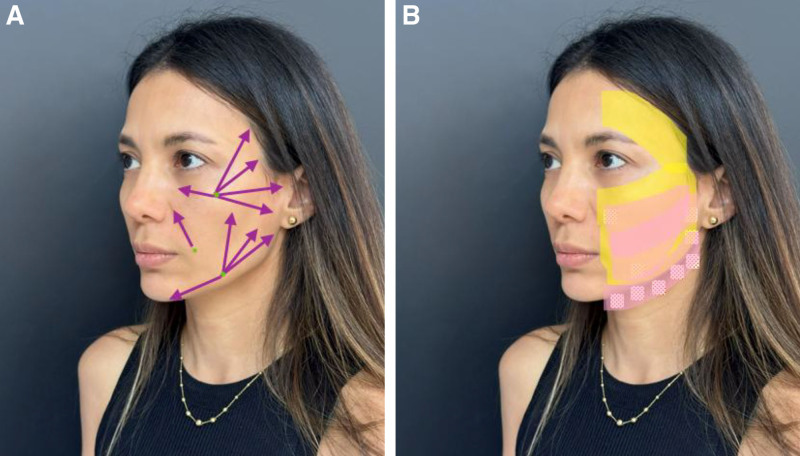
Nanofat was injected using a 19G Tulip cannula, with volumes tailored to individual anatomical needs (range: 10–20 mL; mean: 13.3 mL). Postmicroneedling, the nanofat was administered into the subcutaneous layer of regions prioritized for collagen synthesis and skin quality improvement (eg, perioral, malar, and temporal areas). Injection depth and distribution were guided by anatomical landmarks (Fig. 1 ).
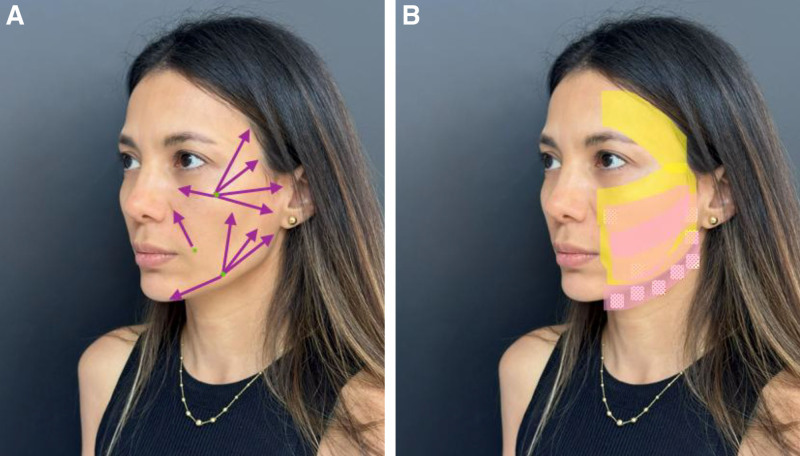
Fig. 1. An example of the areas treated with the technique (low-energy Morpheus8 and nanofat grafting ) in the patients is shown. A, Arrows indicate the direction of nanofat injection. Injection volumes were tailored to each patient based on age and facial anatomy. B, Pink squares denote pass 1 (fixed mode: 18–20 energy units, 5–6 mm depth), applied to submental, jowl, and Bichat fat pad regions for localized fat reduction, simulating bichectomy-like effects. Pass 2 (pink overlay: cycle mode, 10–15 energy units, 3–4 mm depth) targeted the mid-to-lower face. Pass 3 (yellow overlay: cycle mode, 5 energy units, 2 mm depth) encompassed the entire face, including the upper third.联合治疗覆盖区域示意:箭头示纳米脂肪注射方向,三色分区对应三遍射频参数(高能量局部减脂区 vs 中低能量全脸区)。
补充视频 / 附件(原文未随文提供原图,可于出版方页面查看)gox-13-e7185-s001.mp4Video 1. Step-by-step technique of combined low-energy Morpheus8 RF and nanofat grafting, dDemonstrates: 1. Tumescent anesthesia application D12. 2. Low-energy RF microneedling (3 passes) 3. Nanofat harvesting/processing. 4. Subcutaneous injection + topical application. (Patient consent obtained.)
Twenty patients undergoing facial plastic surgery (eg, rhinoplasty, blepharoplasty, submental liposuction, and lipofilling for volume restoration) received adjunctive microneedle RF and nanofat treatment, with a focus on midface rejuvenation. No immediate or delayed complications were observed. Standardized photographs were obtained at 6 and 12 months postprocedure. Nine blinded evaluators (board-certified plastic surgeons, aesthetic medicine physicians, and dermatologists) assessed global facial aesthetic improvement using photographic analysis and the Global Aesthetic Improvement Scale (GAIS; 1 = very much improved , 5 = worse ) (Fig. 2 ). Representative pre- and posttreatment outcomes are illustrated in Figures 3 – 10 .
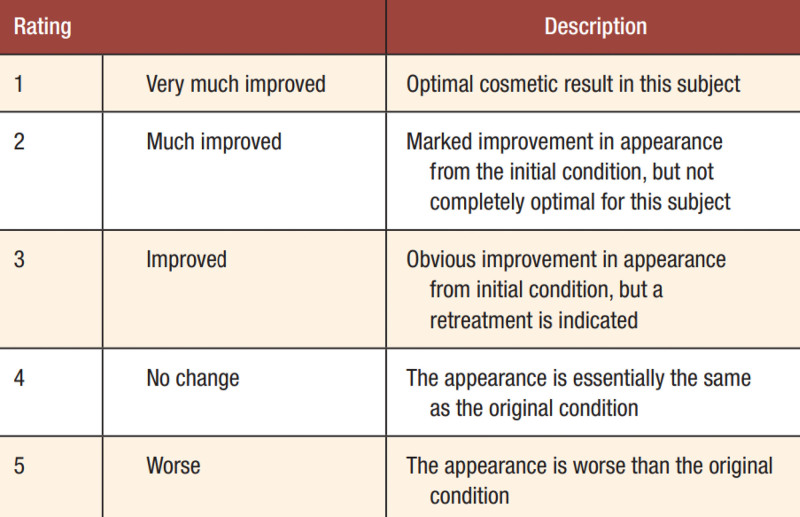
Fig. 2. Description of the 5-point GAIS used to assess treatment outcome. Scores range from 1 (very much improved) to 5 (worse).5 点 GAIS 评估标准:1=显著改善,5=恶化,用于盲法评估总体美学改善。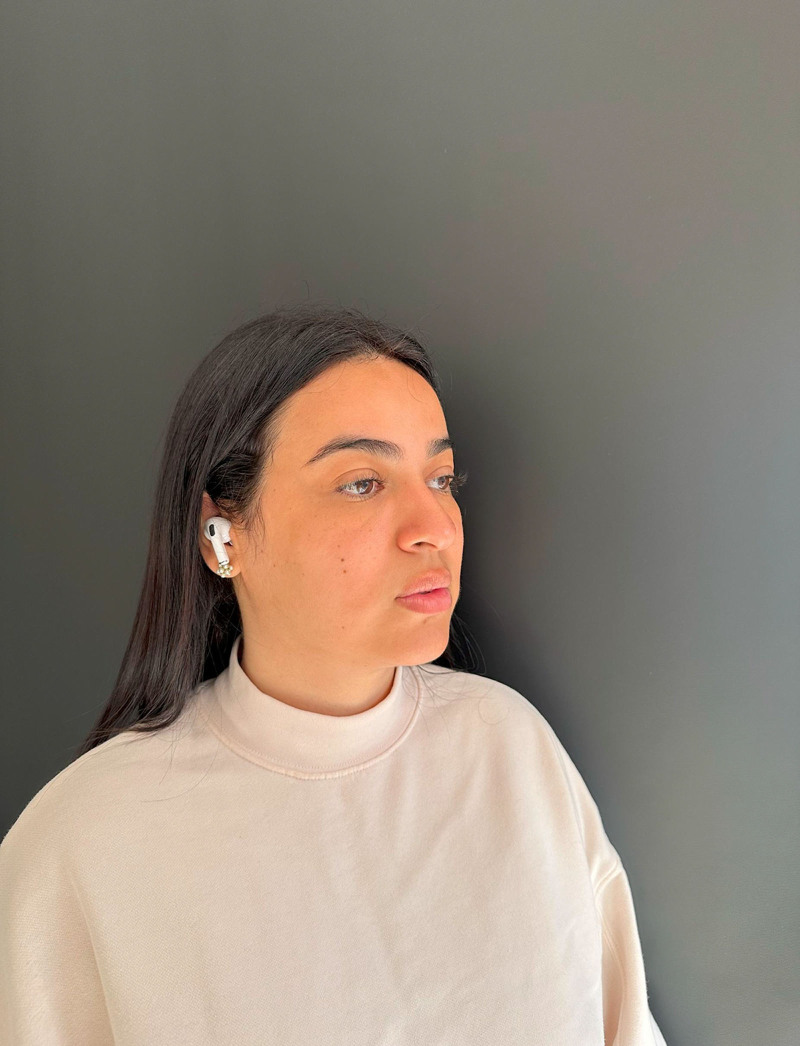
Fig. 3. Pretreatment photograph illustrating wrinkles in marionette lines.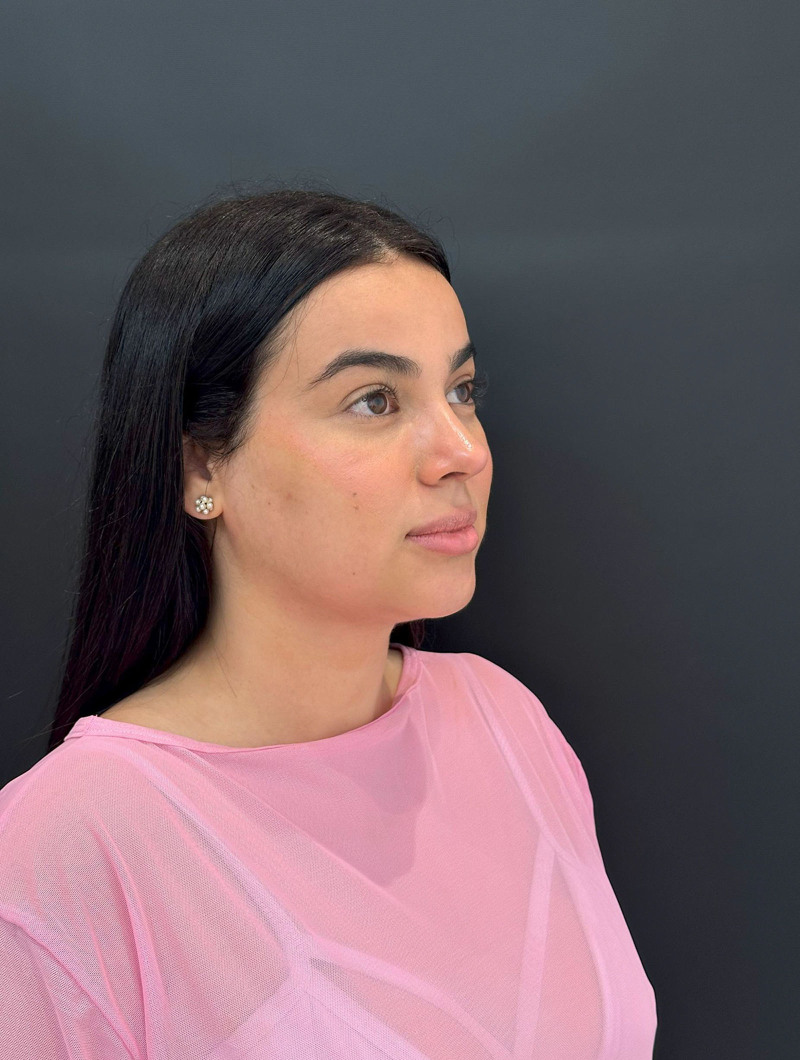
Fig. 4. Six-month posttreatment photograph illustrating the effects of adjunctive nanofat and microneedle RF treatment, showing improved skin texture and tone and a reduction in the appearance of wrinkles.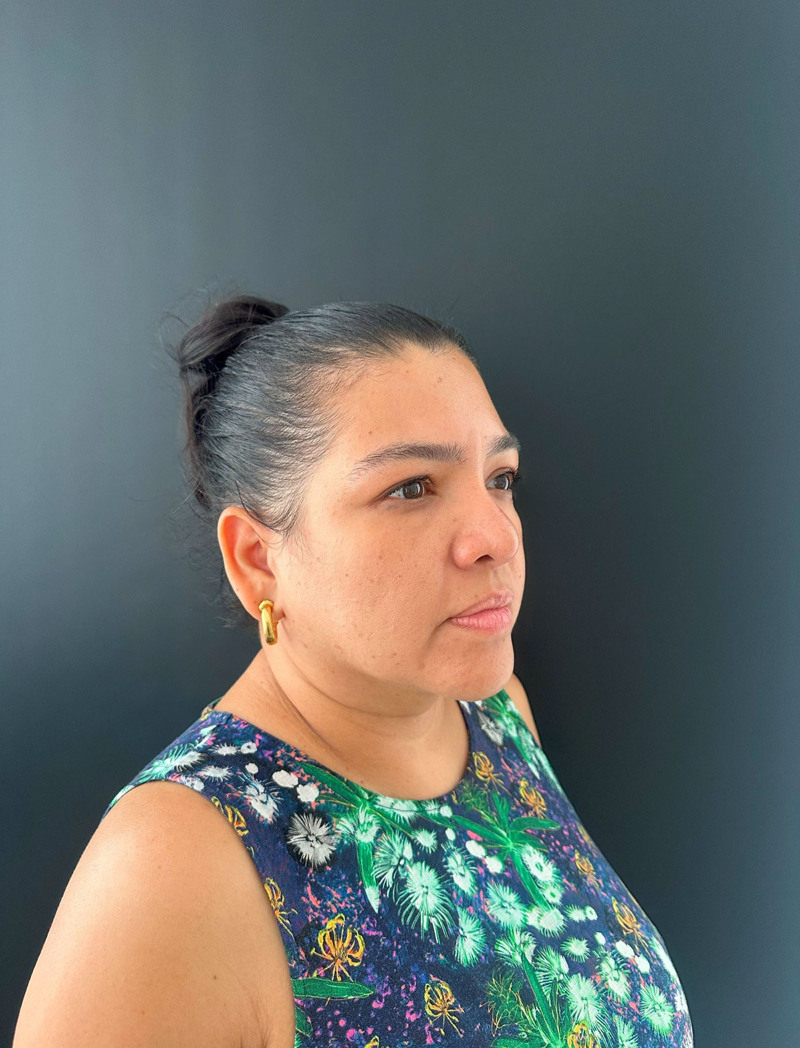
Fig. 5. Pretreatment photograph illustrating wrinkles in marionette lines.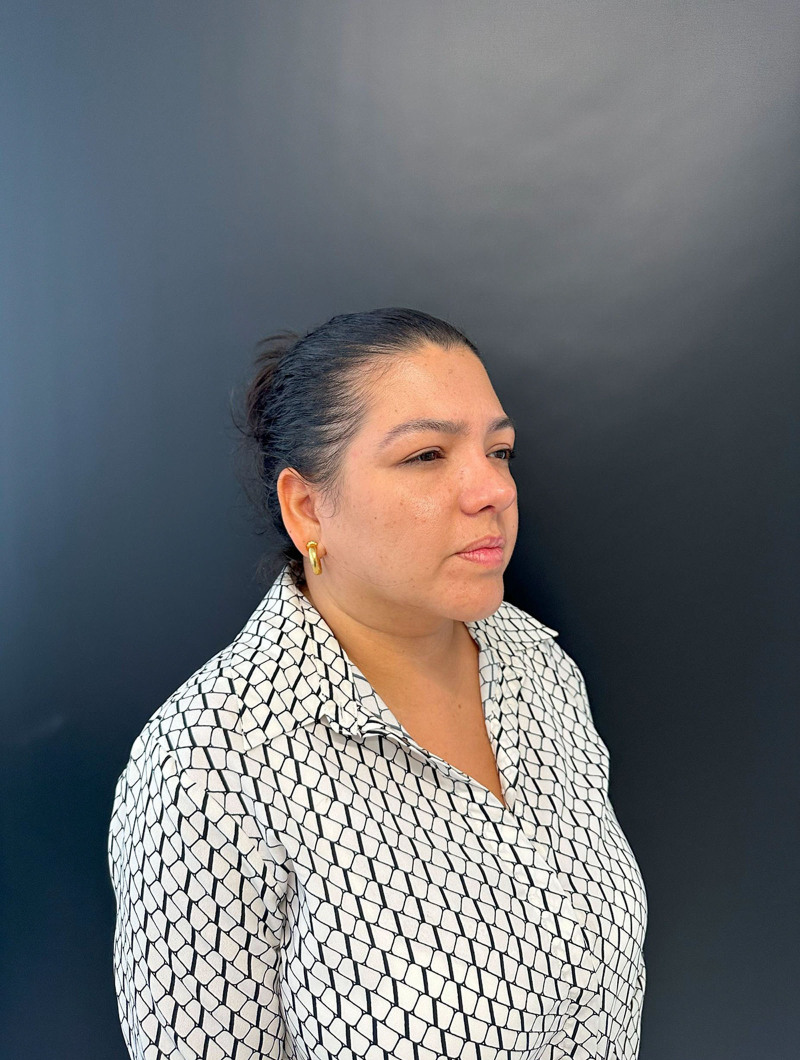
Fig. 6. Six-month posttreatment photograph illustrating the effects of adjunctive nanofat and microneedle RF treatment, showing improved skin texture and tone and a reduction in the appearance of wrinkles.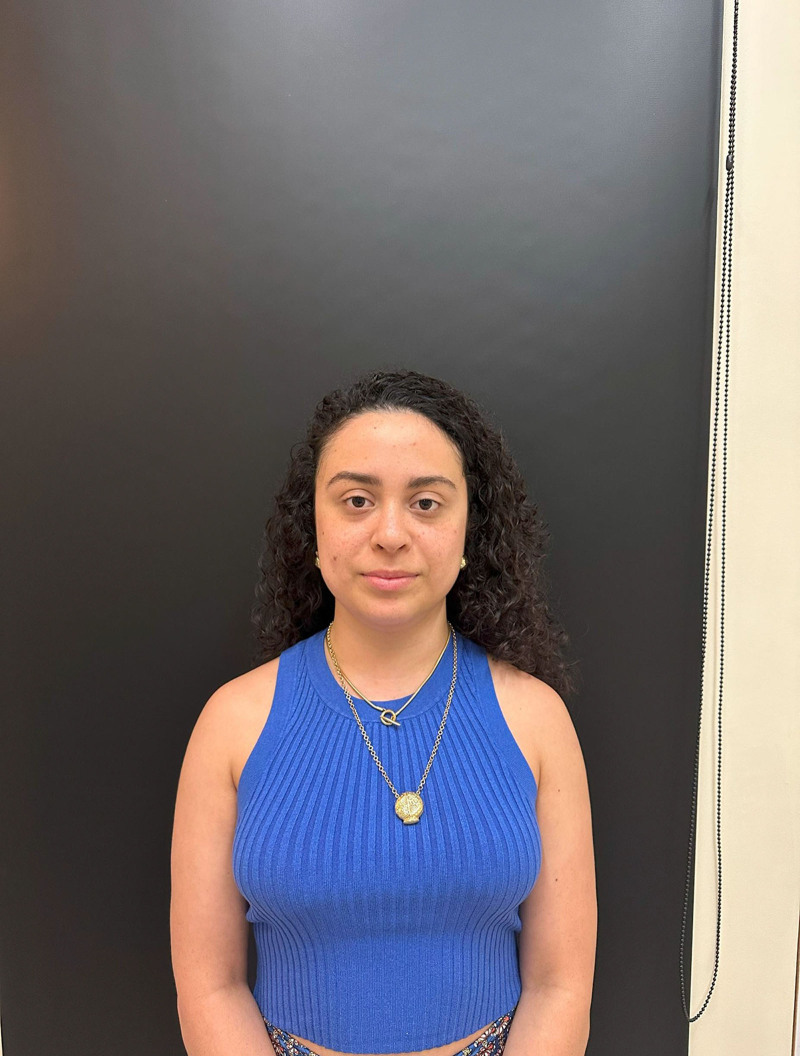
Fig. 7. Pretreatment photograph illustrating a 30-year-old patient with wrinkles in the marionette lines.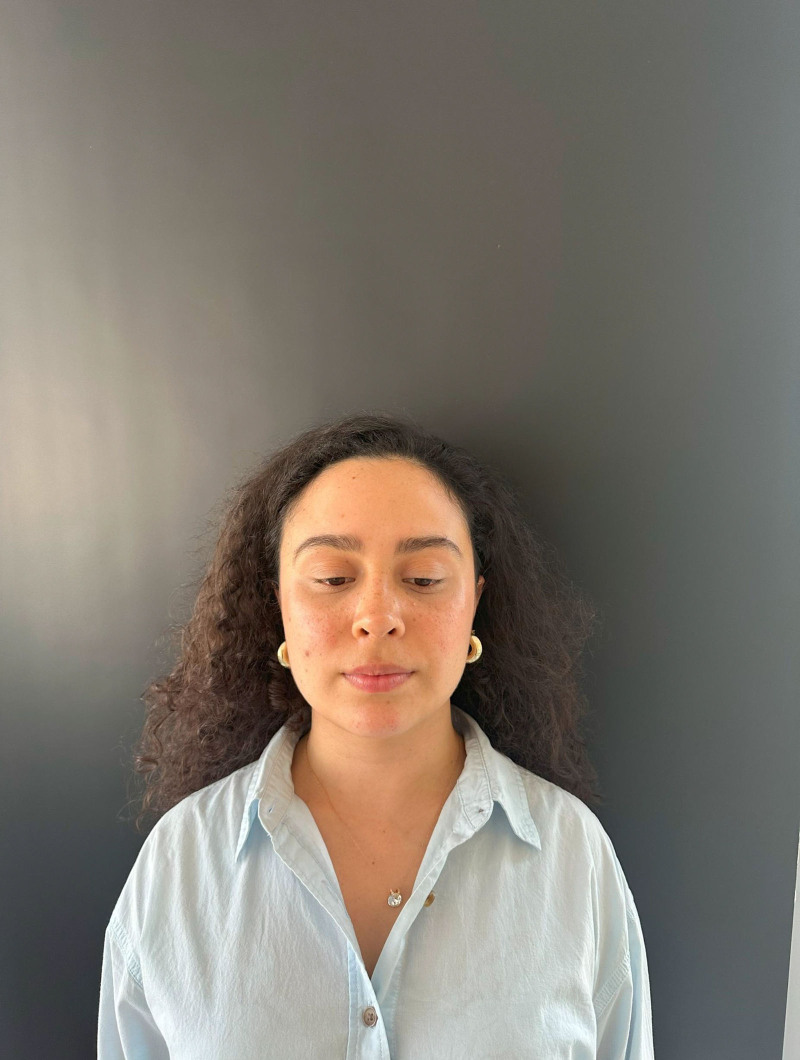
Fig. 8. One-year posttreatment photograph showing overall improvements in skin quality, including reduced pore visibility, enhanced luminosity, and a significant reduction in furrow depth, particularly in the marionette line area.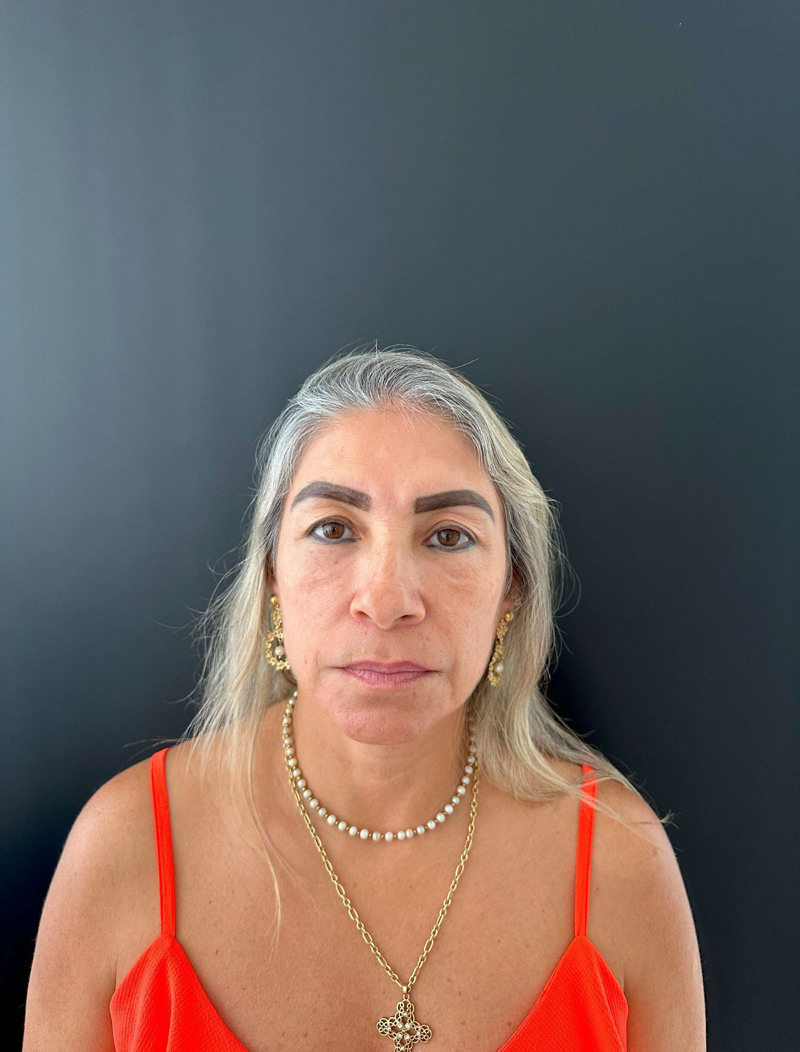
Fig. 9. Pretreatment photograph illustrating a 50-year-old patient with wrinkles in the marionette lines.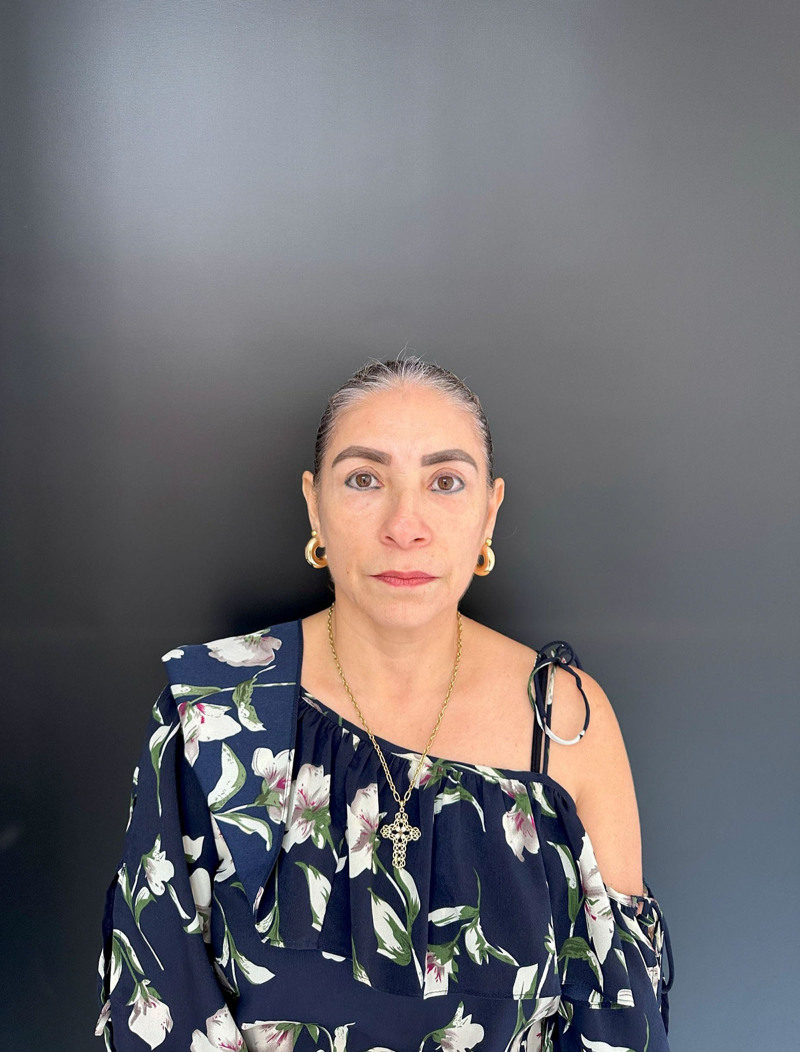
Fig. 10. One-year posttreatment photograph showing overall improvements in skin quality, including reduced pore visibility, enhanced luminosity, and a significant reduction in furrow depth, particularly in the marionette line area.Pretreatment GAIS scores ( M = 3.35, SD = 0.61) were substantially higher than posttreatment scores ( M = 1.76, SD = 0.87; N = 135; P < 0.001; Table 1 ), indicating substantial improvement (mean difference = 1.59, 95% confidence interval [1.41–1.76]; Cohen d = 2.12). This large effect size suggests clinically meaningful improvement, as lower GAIS scores indicate better aesthetic outcomes (Fig. 11 ). This visual trend toward lower scores in Figure 11 is further supported by both parametric (paired t test : t [134] = 17.72, P < 0.001) and nonparametric (Wilcoxon signed-rank test: Z = −9.36, P < 0.001; Table 2 ) analyses, confirming this significant improvement. The moderate interrater reliability (intraclass correlation coefficient = 0.72) suggests variability in GAIS scoring, potentially due to subjective differences in photographic assessment. Future studies should use objective tools (eg, 3D imaging) to reduce bias.
Table 1. Descriptive Statistics of GAIS Scores
| Variable | Time Point | Mean | SD | Minimum | Maximum |
|---|---|---|---|---|---|
| GAIS score | Before | 3.35 | 0.61 | 1 | 5 |
| GAIS score | 3 mo after | 1.76 | 0.87 | 1 | 5 |
Table 2. Results of Paired t Test and Wilcoxon Signed Rank Test: Demonstrating the Statistical Significance of the Change in GAIS Scores
| Test | t / Z | df/N | P | Mean Difference | 95% Confidence Interval | Cohen d |
|---|---|---|---|---|---|---|
| Paired samples t test | 17.72 | 135 | <0.001 | 1.59 | 1.41–1.76 | 2.12 |
| Wilcoxon signed rank test | −9.36 | 135 | <0.001 |
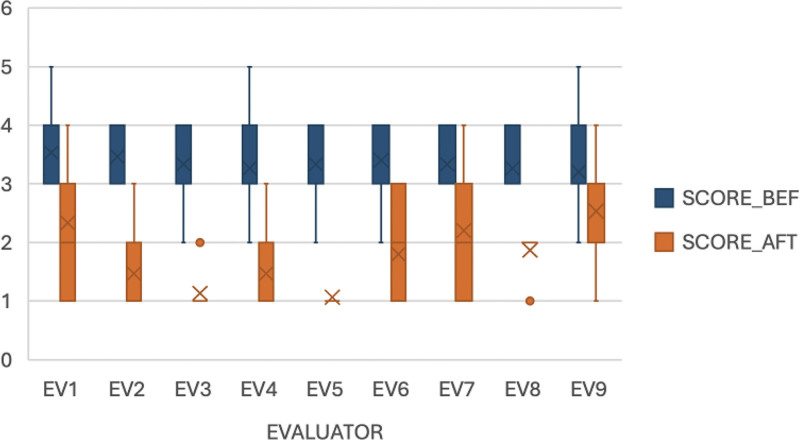
Fig. 11. Pre- and posttreatment GAIS scores (SCORE_BEF and SCORE_AFT, respectively) for 9 independent evaluators (EV1–EV9), represented as box plots. A statistically significant reduction in GAIS scores was observed posttreatment (mean difference = 1.59, 95% confidence interval [1.41–1.76]; Cohen d = 2.12), indicating a clinically meaningful improvement in the overall aesthetic outcome.9 名独立评估者 GAIS 评分箱线图,治疗后评分显著下降(平均差 1.59),提示有临床意义的整体改善。At 3 months, GAIS scores demonstrated sustained improvement ( M = 1.52, SD = 0.63; P < 0.001). Qualitative analysis by blinded evaluators highlighted improvements in pore visibility, skin luminosity, and fine wrinkles in regions unaffected by surgical procedures (eg, malar, perioral areas), as shown in Figures 4 , 6 , 8 , and 10 . These observations align with the regenerative mechanisms of nanofat and RF-induced dermal remodeling.
Although GAIS scores reflect global improvement, the absence of a control group limits causal attribution to the adjunct therapy alone. Surgical procedures likely contributed to periorbital enhancements (eg, blepharoplasty), but improvements in nonsurgical regions underscore the synergistic role of RF-nanofat.
This retrospective study of 20 patients demonstrates that adjunctive nanofat and microneedle RF (Morpheus8, InMode Aesthetics) treatment significantly improves facial aesthetics, 6 months and 1-year posttreatment, as indicated by a mean GAIS score of 1.7. This substantial improvement, confirmed by paired-sample t test analysis, suggests that this combined approach is a promising adjunctive treatment for facial surgical procedures, potentially optimizing outcomes within a single session. The enhanced efficacy is likely due to the synergistic effects of readily available autologous fat and the precise drug delivery enabled by microneedle technology, with RF stimulation further promoting dermal remodeling. However, the retrospective design and limited sample size (surgical patients only), and low interrater reliability in GAIS scoring necessitate larger, prospective, controlled studies to validate these findings and confirm their generalizability. Future research should prioritize the standardization of photographic assessment and explore alternative, more reliable scoring systems.
The technique for microneedle-assisted nanofat delivery has evolved from manual 23 used a device with 20 gold–titanium needles (0.13-mm diameter, 1.5-mm length) to deliver 8 mL of nanofat more than 15–20 minutes, resulting in improved skin texture and wrinkle reduction after 3 months, to motorized systems, 12 that reported improved outcomes using a motorized device (HydraNeedle and HydraRoller) that delivered 8 mL of nanofat in 6–7 minutes, achieving high patient satisfaction (84.8% rated results as very good or good) in a 12-month study of 86 patients. Although both studies reported minimal side effects, this study further refines the technique by incorporating RF microneedling, a minimally invasive procedure increasingly used for skin rejuvenation and dermatologic conditions. 16 This study further refines the method by incorporating RF microneedling (Morpheus8), a minimally invasive procedure widely used to stimulate collagen remodeling and improve skin texture; it offers a versatile treatment for facial rhytids and laxity, 14 acne scarring, 17 melasma, rosacea, hair thinning, cellulite, and striae. 15 Moreover, it serves as an effective adjunct to surgical procedures.
A key aspect of this study is using relatively low Morpheus8 energy settings (5–20 units maximum), a strategic choice differing from recommendations in other publications. 16 , 21 This deliberate energy modulation aims to control heat delivery precisely, primarily targeting the middle and superficial dermis, and potentially influencing sebum production. The lower energy setting may reduce potential adverse effects from excessive heat while optimizing the combined effects of RF microneedling and nanofat.
Nanofat itself, as a minimally invasive and biocompatible alternative to traditional fillers, offers a natural approach to facial rejuvenation. Studies such as Akbari et al 4 have demonstrated significant wrinkle reductions with minimal downtime and mild side effects, further supporting its use. The precise targeting of dermal and subdermal layers by Morpheus8, combined with nanofat’s regenerative potential (ASCs, growth factors), 1 , 4 , 9 , 11 likely enhances collagen production, neovascularization, and overall skin quality, resulting in significant wrinkle reduction.
The absence of a control group (eg, Morpheus8-only, nanofat-only, or surgery-only cohorts) significantly limits causal attribution of the observed improvements. Although GAIS scores suggest efficacy, the synergistic effects of RF, nanofat, and surgical procedures cannot be disentangled. For example, blepharoplasty or rhinoplasty may independently contribute to aesthetic outcomes. Future studies must include control arms to isolate the adjunctive role of combined RF-nanofat therapy. Additionally, although GAIS scores improved at 1, 3, and 12 months, transient effects (eg, edema) may inflate short-term results. Longer follow-up (eg, 24 mo) is needed to assess durability.
Although 3-month results indicate sustained improvement, the absence of a control group limits our ability to attribute these outcomes solely to the combined RF-nanofat therapy. For instance, natural postoperative healing or edema resolution after surgical procedures (eg, blepharoplasty) may independently enhance aesthetics. Future prospective studies comparing combined therapy against surgery-alone cohorts are essential to isolate the adjunctive benefit of RF-nanofat.
This retrospective study of 20 patients undergoing facial plastic surgery suggests that adjunctive nanofat grafting combined with low-energy microneedle RF (Morpheus8) significantly improves facial aesthetics, as evidenced by GAIS scores, without adverse events. By using minimal energy levels, targeted lipolysis was achieved in regions requiring volume reduction (eg, submental area, jowls), while preserving fat and enhancing biostimulation in areas prioritized for collagen synthesis. Nanofat’s regenerative potential—mediated by growth factors and mesenchymal stem cells—synergized with controlled RF to enhance skin quality and dermal remodeling. This protocol mitigates risks associated with conventional high-energy approaches, such as burns, excessive fat loss, and scarring.
However, the retrospective design and small sample size limit generalizability. Larger prospective studies with histopathologic analysis are warranted to validate long-term efficacy and establish standardized energy parameters. This combined approach represents a promising advancement in facial rejuvenation, balancing efficacy with safety through precision-controlled energy delivery and the regenerative properties of nanofat.
The authors have no financial interest to declare in relation to the content of this article.
Patient consent was obtained for the publication of clinical images and supplementary video.
The authors confirm adherence to the journal’s ethical policies, as outlined in the author guidelines.
声明:中文精读 · 仅供学术参考。内容来自公开文献检索,不代表本人观点,不构成诊疗建议。 医疗美容需在正规医疗机构由执业医师实施。
基于相同主题推荐 · 继续深挖
背景:本研究评估低能量 Morpheus8 射频微针与纳米脂肪(nanofat)移植联合用于面部年轻化的新思路,目标是在保留脂肪组织的同时改善皮肤质量。
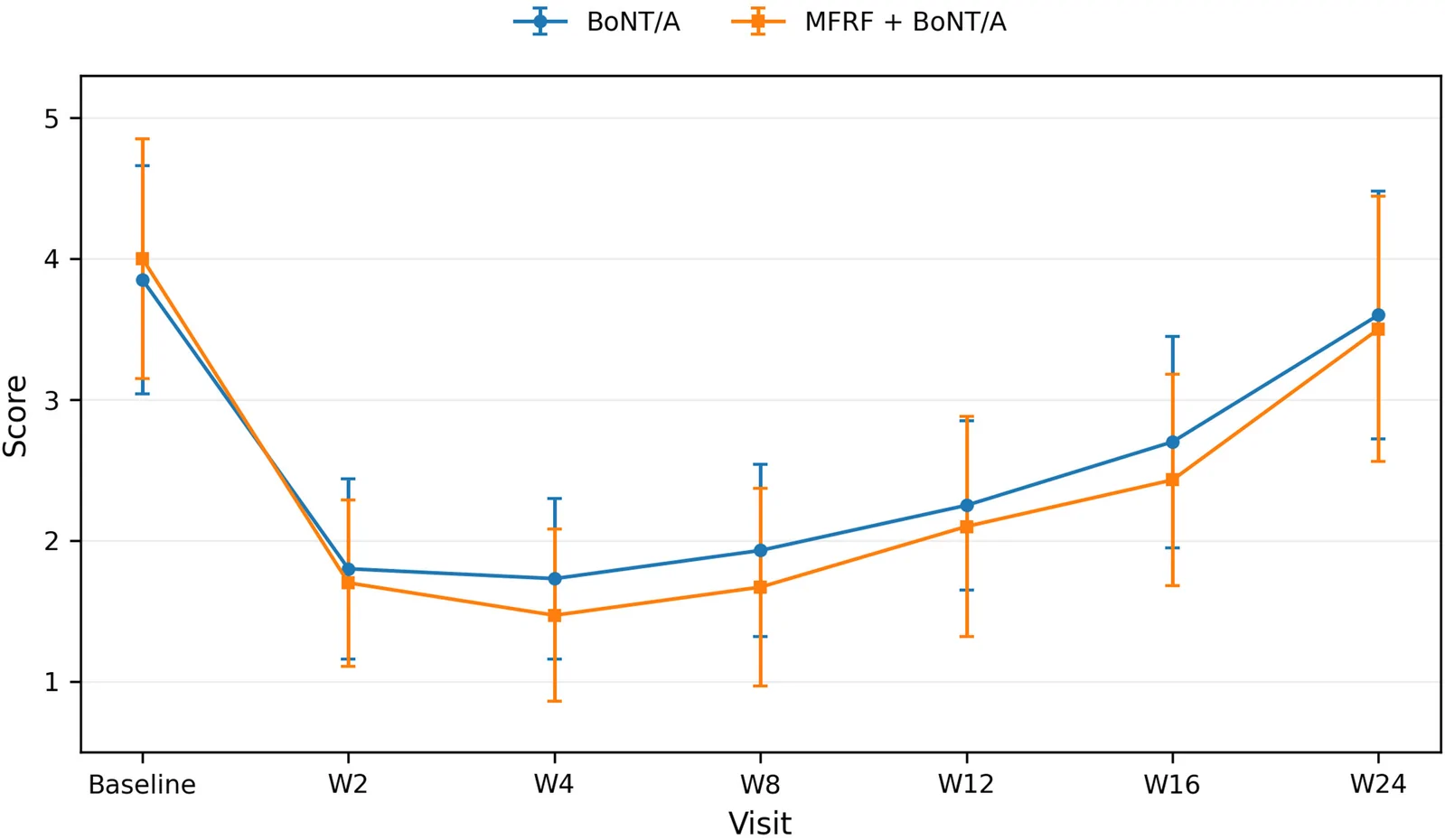
本研究为回顾性队列研究,纳入2022年5月至2025年5月治疗的35例眶周老化患者(91.4%为女性,32/35),年龄30–50岁;BoNT/A单用组20例,MFRF+BoNT/
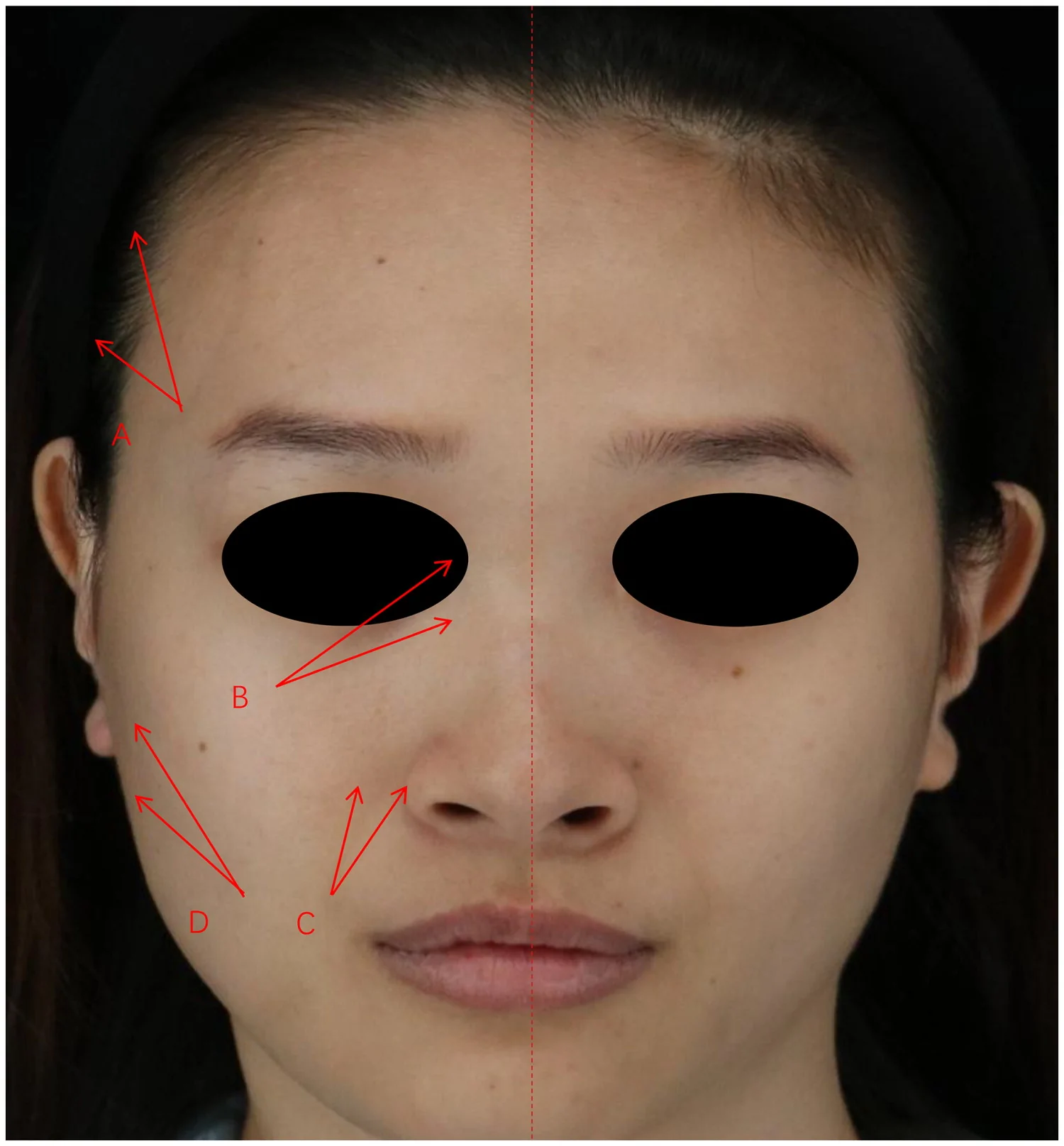
病例系列纳入3名面部皮肤松弛伴容量缺失的年轻女性(24–26岁),采用序贯方案:单次单极射频(Thermage CPT,900发,深度4.5–5.0mm)后1个月起行2次多层PLL