RibXcar 无创肋软骨重塑 3805 例多中心队列研究:安全性与有效性
2026年9月24日37 min read
Plastic and Reconstructive Surgery Global Open
Plastic and Reconstructive Surgery Global Open
结论与实践要点
RibXcar 是一种在超声引导下、经经皮穿刺(无皮肤切口)的第10–12肋单皮质骨折重塑技术,旨在改变胸廓轮廓、缩小腰围。本研究为目前较大样本的真实世界队列:3805例18–45岁女性,来自8个国家,随访1年。
结果显示,无论是否联合吸脂,第10–12肋平均成角减少约10°,腰围平均减少约11cm;BODY-Q 量表提示患者满意度较高。安全性方面报告了主要并发症气胸4例、血胸1例,以及次要并发症与双皮质骨折相关的慢性疼痛2例,均按常规处理并在记录病例中消退、未见持续功能损害。
临床解读:该技术可提供可测量的腰围下降,但属于有创操作,存在气胸、血胸等胸腔并发症风险,须由具备超声与胸壁解剖经验的术者实施,并完善围术期评估与应急准备。本证据为单组队列、无对照,长期效果与适应证边界仍需更多研究。
Background:Minimally invasive ultrasound-guided rib remodeling using percutaneous punctures (RibXcar) is a technique designed to modify thoracic contour and reduce waist circumference. This study aimed to describe waist circumference changes 1 year after surgery, as well as to report the occurrence of complications and patient-reported satisfaction.
Methods:This was a multicenter cohort study of 3805 patients from 8 countries who underwent RibXcar with or without liposuction (with or without retraction technology), between October 2022 and December 2023. All patients received follow-up care for 1 year after surgery. During follow-up, complications, angular variation, and waist reduction were assessed. Moreover, the BODY-Q questionnaire was used to assess patient satisfaction.
Results:A total of 3805 female patients aged 18–45 years (mean age 31.7 y) who underwent RibXcar received follow-up care. The mean angular reduction of ribs 10, 11, and 12 was 10 degrees, regardless of the associated surgery, whereas the mean waist reduction was 11 cm. The major complications included 4 cases of pneumothorax and 1 case of hemothorax, whereas the minor complications included 2 cases of chronic pain associated with bicortical fractures.
Conclusions:In this prospective cohort, RibXcar was associated with a measurable reduction in waist circumference. Reported complications included pneumothorax, hemothorax, and chronic pain; all were managed according to standard clinical practice and resolved without lasting functional consequences in the documented cases.
Rib remodeling for aesthetic purposes with ultrasound-guided monocortical fracture (RibXcar) is an effective procedure for waist reduction, especially when patient safety is the main goal. This technique is currently being implemented worldwide and has emerged as a suitable alternative to traditional procedures, where rib resection poses a greater risk and alters many of the protective functions of the ribs. 1 , 2
RibXcar has transformed rib remodeling by combining effective waist reduction with ultrasound-guided safety, allowing real-time visualization of monocortical fractures and early detection of complications such as bicortical fractures, pneumothorax, or hemothorax. This enables rapid management and improves patient outcomes. 1
The efficiency of the procedure lies in key concepts such as the angular variation of the fracture, as well as its structural effect. Performing RibXcar requires an understanding that waist reduction occurs due to an angular effect resulting from a controlled fracture, which can be affected by muscle memory at its insertion points, as well as actions unrelated to the surgery, such as incorrect use of a waistband or accidental trauma. 1 – 3 This study aimed to monitor a multicenter cohort of 3805 patients for 1 year after undergoing RibXcar performed by plastic surgeons trained in the technique, with or without other body contouring procedures, to assess surgical efficacy and determine the most frequent complications resulting from these procedures.
This prospective multicenter study included all patients treated with the RibXcar technique between October 2022 and December 2023. Of 3832 evaluated patients, 3805 met inclusion criteria and consented to participate. All participants were women aged 18–45 years from Argentina, Brazil, France, the United States, Mexico, Peru, Morocco, and Japan, treated by certified surgeons trained in the RibXcar technique.
Eligible patients had no prior rib surgery and met medical indications for remodeling of ribs 10–12 (rib 10 ratio ≥ 0.75, waist length < 10 cm, and lateral palpation of ribs 11–12). Exclusion criteria included uncontrolled comorbidities, connective or bone disorders, autoimmune or respiratory diseases, and concurrent abdominoplasty. All patients underwent preoperative computed tomography (CT) with 3D reconstruction to exclude anatomical variations. When rib 10 was floating, RibXcar alone was performed; when fixed, a preliminary Xonversion Ribs step was added. Complementary procedures included power-assisted liposuction (MicroAire, 160 mm Hg) and J-Plasma (Renuvion) when indicated.
Follow-up lasted 12 months and included structured postoperative monitoring. Pain and complications were assessed using a nurse-administered visual analog scale at 10, 30, and 90 days. The final 12-month visit included comprehensive clinical evaluation, adverse event documentation, and repeat standardized measurements.
Patient-reported outcomes were assessed using selected BODY-Q domains relevant to body contouring (satisfaction with body, body image, expectation satisfaction, satisfaction with back, and appraisal of body contouring scars), administered using publicly available validated language versions. In accordance with instrument guidance, the questionnaire was applied at the end of follow-up to capture postoperative perception of outcomes. Domain scores were analyzed as raw summed values with complete responses and no missing items.
All measurements followed a predefined standardized operating procedure applied across participating surgical centers. Patients were evaluated in the supine position with arms abducted at 90 degrees, without compressive garments, and measurements were recorded at end-expiration. Waist circumference was measured 1.5 cm below the inferior costal margin at the mid-axillary line using a standardized 150-cm measuring tape, recording the average of 3 consecutive measurements. Rib angulation was assessed by ultrasound using Clarius L7 devices with harmonized presets and predefined anatomical landmarks, with 3 measurements obtained per segment. Measurement reproducibility was evaluated in a predefined reliability subsample, demonstrating high intra- and interobserver agreement using intraclass correlation coefficients, supporting the consistency of ultrasound and anthropometric measurements across centers.
Data from all participating centers were collected using predefined standardized case report forms and centrally managed by the coordinating center (Aesthetic Xpert Scientific Lab, Lima, Peru), with local verification at each site and periodic cross-verification against source clinical records. In the absence of symptoms or unresolved complications, cases were formally closed at completion of follow-up. Continuous variables were assessed for normality using the Kolmogorov–Smirnov test, and group comparisons were performed using the Kruskal–Wallis test ( P < 0.05). Statistical analyses were conducted using SPSS v29.
All participants provided written informed consent before enrollment. The study protocol was reviewed and approved by the ethics committee of the Peruvian Society of Plastic Surgery and conducted in accordance with the principles of the Declaration of Helsinki. Periodic regulatory audits were conducted at participating sites to verify compliance with the ethical, methodological, and safety guidelines established in the approved protocol.
A total of 3805 patients aged 18–45 years (mean age 31.7 y) received follow-up care. The distribution of patients by country and surgery is summarized in Table 1 , whereas the demographic characteristics of the study participants are shown in Table 2 . Angular variations measured by ultrasound showed a mean reduction of 10 degrees, whereas waist circumference showed a mean reduction of 11 cm at the end of the 1-year follow-up. These reductions in angulation and waist circumference were statistically significant, and after applying a Bonferroni adjustment for multiple comparisons, differences among surgical techniques became evident. The detailed results by type of surgery are shown separately in Table 3 . Regarding pain, the highest mean visual analog scale scores were found in the immediate postoperative period, which then decreased progressively; pain was classified as chronic when it lasted more than 90 days, which occurred only in 2 cases and was associated with minor complications (Table 4 ).
Table 1. Distribution of Patients by Country
| Surgery | Distribution of Patients by Country |
|---|---|
| Argentina | Brazil |
| RibXcar | 418 |
| RibXcar + liposuction without retraction | 46 |
| RibXcar + Xonversion Ribs | 21 |
| RibXcar + liposuction + retraction | 126 |
| Total | 611 |
Table 2. Demographic Characteristics of Patients
| Variables | Country |
|---|---|
| Argentina | Brazil |
| Median | IQR |
| Age, y | 31.0 |
| Weight, kg | 58.0 a |
| Height, cm | 162.0 a |
| BMI, kg/m 2 | 22.0 a |
| Operative time, min | 72.0 a |
Table 3. Baseline, 12-month Values, and Paired Change (Δ) by Procedure, and Between-group Comparison of Δ With Bonferroni Post Hoc Analysis
| Variable | RibXcar Baseline | RibXcar 12 mo | RibXcar Δ | RibXcar + Liposuction Baseline | RibXcar + Liposuction 12 mo | RibXcar + Liposuction Δ | RibXcar + Xonversion Baseline | RibXcar + Xonversion 12 mo | RibXcar + Xonversion Δ | RibXcar + Liposuction+ Retraction Baseline | RibXcar + Liposuction + Retraction 12 mo | RibXcar + Liposuction + Ret Δ | KW (χ 2 ) | P Global |
|---|---|---|---|---|---|---|---|---|---|---|---|---|---|---|
| R10 right | 163 (158–167) | 153 (148–157) | 10 (2) a | 163 (158–168) | 153 (149–158) | 10 (2) a | 161 (156–166) | 151 (146–156) | 11 (2) b | 162 (158–167) | 152 (147–157) | 10 (2) ab | 19.6 | <0.001 |
| R10 left | 162 (157–167) | 152 (147–157) | 10 (2) a | 162 (158–167) | 153 (148–157) | 10 (2) a | 160 (155–165) | 150 (145–155) | 10 (2) b | 161 (157–167) | 151 (147–156) | 10 (2) ab | 15.7 | 0.001 |
| R11 right | 169 (166–173) | 160 (157–163) | 10 (2) a | 171 (168–175) | 161 (158–165) | 10 (2) b | 166 (163–169) | 157 (154–160) | 9 (2) c | 168 (165–172) | 158 (156–163) | 9 (1) ac | 61.6 | <0.001 |
| R11 left | 169 (160–173) | 159 (152–163) | 10 (2) ac | 171 (168–174) | 161 (158–164) | 10 (2) a | 157 (153–166) | 148 (144–155) | 9 (2) b | 166 (156–172) | 155 (147–161) | 9 (2) c | 44.3 | <0.001 |
| R12 right | 167 (163–170) | 157 (153–161) | 10 (2) a | 169 (164–172) | 159 (154–162) | 10 (2) b | 165 (162–168) | 156 (153–159) | 9 (2) c | 166 (163–169) | 157 (154–160) | 9 (2) d | 57.2 | <0.001 |
| R12 left | 166 (163–170) | 156 (153–160) | 10 (2) a | 168 (164–172) | 158 (154–162) | 10 (2) a | 165 (161–167) | 155 (152–158) | 9 (2) b | 165 (162–169) | 156 (153–159) | 9 (3) c | 29.1 | <0.001 |
| Waist circumference, cm | 67 (64–71) | 56 (53–60) | 11 (2) a | 67 (64–72) | 56 (53–61) | 11 (2) a | 67 (63–71) | 57 (53–61) | 10 (3) b | 67 (64–71) | 57 (53–61) | 11 (2) c | 41.8 | <0.001 |
Table 4. Pain Evolution Over Time by Procedure (Median [IQR]) With Friedman Test and Bonferroni Post Hoc Lettering
| Time Point | RibXcar (n = 2820) | RibXcar + Liposuction (n = 171) | RibXcar + Xonversion Ribs (n = 465) | RibXcar + Liposuction + Retraction (n = 349) |
|---|---|---|---|---|
| Baseline (preoperative) | 0.0 (0.0) d | 0.0 (0.0) d | 0.0 (0.0) d | 0.0 (0.0) d |
| Immediate postoperative | 5.0 (3.0) a | 4.0 (2.0) a | 6.0 (1.0) a | 6.0 (3.0) a |
| Pain after 10 d | 3.0 (3.0) b | 3.0 (2.0) b | 3.0 (3.0) b | 3.0 (3.0) b |
| Pain after 30 d | 0.0 (2.0) c | 1.0 (2.0) c | 0.0 (0.0) c | 0.0 (1.0) c |
| Pain after 90 d | 0.0 (0.0) d | 0.0 (0.0) d | 0.0 (0.0) d | 0.0 (0.0) d |
| Friedman χ 2 (within-group) | 8143.7 | 499.9 | 1336.0 | 1000.2 |
| P (within-group over time) | <0.001 | <0.001 | <0.001 | <0.001 |
BODY-Q outcomes showed high patient satisfaction (Table 5 ). General complications are shown in Table 6 . Major complications affecting the lung parenchyma included 4 cases of pneumothorax and 1 case of hemothorax, whereas minor complications related to rib structure included 2 chronic pain cases from bicortical fractures (Table 7 ).
Table 5. Patient Satisfaction by Surgical Procedure Based on the BODY-Q Scale
| Procedure | |
|---|---|
| RibXcar | RibXcar + Liposuction Without Retraction |
| Median | IQR |
| BODY-Q: satisfaction body | 39 |
| BODY-Q: body image | 27 |
| BODY-Q: expectation satisfaction | 31 |
| BODY-Q: satisfaction with back | 15 |
| BODY-Q: appraisal of body contouring scars | 39 |
Table 6. Overall Complication Incidence by Surgical Group (n [%]; 95% CI)
| Complication | RibXcar (n = 2819) | RibXcar + Liposuction Without Retraction (n = 171) | RibXcar + Liposuction + Retraction (n = 350) |
|---|---|---|---|
| Major complications (thoracic) | |||
| Pneumothorax | 3 (0.11; 0.04–0.31) | 0 (0.00; 0.00–2.20) | 1 (0.29; 0.05–1.60) |
| Hemothorax | 1 (0.04; 0.01–0.20) | 0 (0.00; 0.00–2.20) | 0 (0.00; 0.00–1.09) |
| Minor complications (thoracic) | |||
| Chronic pain associated with bicortical fracture | 1 (0.04; 0.01–0.20) | 0 (0.00; 0.00–2.20) | 0 (0.00; 0.00–1.09) |
| Chronic pain associated with pseudoarthrosis | 1 (0.04; 0.01–0.20) | 0 (0.00; 0.00–2.20) | 0 (0.00; 0.00–1.09) |
| Puncture-site burn (piezotome) | 0 (0.00; 0.00–0.14) | 0 (0.00; 0.00–2.20) | 0 (0.00; 0.00–1.09) |
| Minor complications (soft tissue: liposuction ± retraction) | |||
| Ecchymosis | 0 (0.00; 0.00–0.14) | 68 (39.77; 32.73–47.25) | 140 (40.00; 35.00–45.21) |
| Seroma | 0 (0.00; 0.00–0.14) | 17 (9.94; 6.30–15.34) | 35 (10.00; 7.28–13.59) |
| Hematoma | 0 (0.00; 0.00–0.14) | 2 (1.17; 0.32–4.16) | 4 (1.14; 0.45–2.90) |
| Contour irregularity | 0 (0.00; 0.00–0.14) | 5 (2.92; 1.26–6.66) | 10 (2.86; 1.56–5.18) |
| Asymmetry | 0 (0.00; 0.00–0.14) | 3 (1.75; 0.60–5.03) | 7 (2.00; 0.97–4.07) |
| Infection | 0 (0.00; 0.00–0.14) | 0 (0.00; 0.00–2.20) | 0 (0.00; 0.00–1.09) |
| Liposuction-site burn (energy device) | 0 (0.00; 0.00–0.14) | 17 (9.94; 6.30–15.34) | 35 (10.00; 7.28–13.59) |
Table 7. Postoperative Complications Description
| Variable | Patient 1 | Patient 2 | Patient 3 | Patient 4 | Patient 5 | Patient 6 | Patient 7 |
|---|---|---|---|---|---|---|---|
| Complication | Pneumothorax | Pneumothorax | Bilateral pneumothorax | Pneumothorax + bicortical fracture | Hemothorax + bicortical fracture | Chronic pain + bicortical fracture | Chronic pain + pseudoarthrosis |
| Complication severity | Major | Major | Major | Major | Major | Minor | Minor |
| Sex | Female | Female | Female | Female | Female | Female | Female |
| Age, y | 34 | 39 | 25 | 42 | 33 | 42 | 35 |
| Procedure | RibXcar | RibXcar | RibXcar + Liposuction + J-Plasma | RibXcar | RibXcar | RibXcar (10–11–12) | RibXcar |
| Possible cause | Contusion and pleural injury during transfer | Contusion and pleural injury during transfer | Puncture pneumothorax + possible helium diffusion | Fall-related contusion + complete rib fracture | Rib vascular injury | Technical error during osteoclasis | Poor bone consolidation (possible intrinsic factor) |
| Time to detection | Immediate | Immediate | Immediate | 8 h | 12 d | 15 d (persisted up to 3 mo) | 10 d (persisted up to 3 mo) |
| Warning symptoms | Hypoxemia | Hypoxemia, dyspnea | Hypoxemia, dyspnea, moderate chest pain | Hypoxemia, dyspnea, chest pain | Pleuritic pain, dyspnea, agitation, hypoxemia, palpitations | Persistent VAS pain with breathing (5–6/10) | VAS pain + rib mobility/irregularity (5–6/10) |
| Diagnostic imaging | 10% left lung compromise | 15% left lung compromise | Bilateral PTX on x-ray; CT: rib fractures without bicortical injury | >20% compromise + bicortical fracture | Right lung collapse + hemothorax (~2000 mL) + bicortical fracture (rib 11) | Bilateral bicortical fractures (ribs 11–12) | US: rib mobility + malpositioned consolidation; CT confirmation |
| Treatment | Oxygen 24 h | Oxygen 48 h + analgesia | Bilateral chest tubes + oxygen + analgesia | Oxygen 48 h + analgesia + respiratory therapy | Chest tube + 2000 mL drainage + oxygen + respiratory therapy (5 d) | Girdle + observation → rib 12 resection | Rib 12 resection + pain management |
| Respiratory function impairment | No | No | No | No | No | No | No |
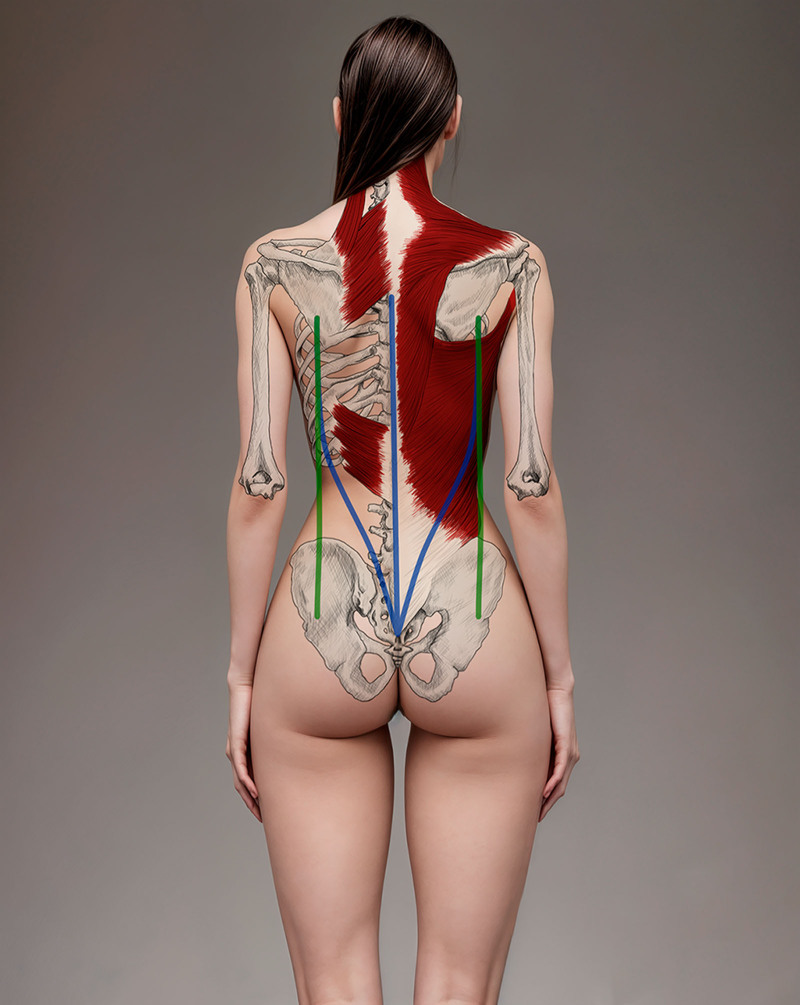
RibXcar is a minimally invasive, ultrasound-guided monocortical rib remodeling technique that softens the thoracic-pelvic contour without incisions, improving patient acceptance. 1 It achieves a mean approximately 10-degree angular change per rib and approximately 11-cm waist reduction; rib 10 shows greater angulation with Xonversion Ribs, whereas ribs 11–12 respond best to adjunctive liposuction ( P < 0.05). 1 – 5 Controlled monocortical weakening along the M-line allows medial displacement with preserved stability, minimizing relapse from muscle memory (latissimus dorsi/serratus posterior inferior) (Fig. 1 ). 1 – 6 ( See Video 1 [online] , which displays ultrasound-guided evaluation of angular variation and bone resistance loss during monocortical rib fracture, highlighting real-time fracture dynamics and technical parameters required to achieve adequate rib angulation.)
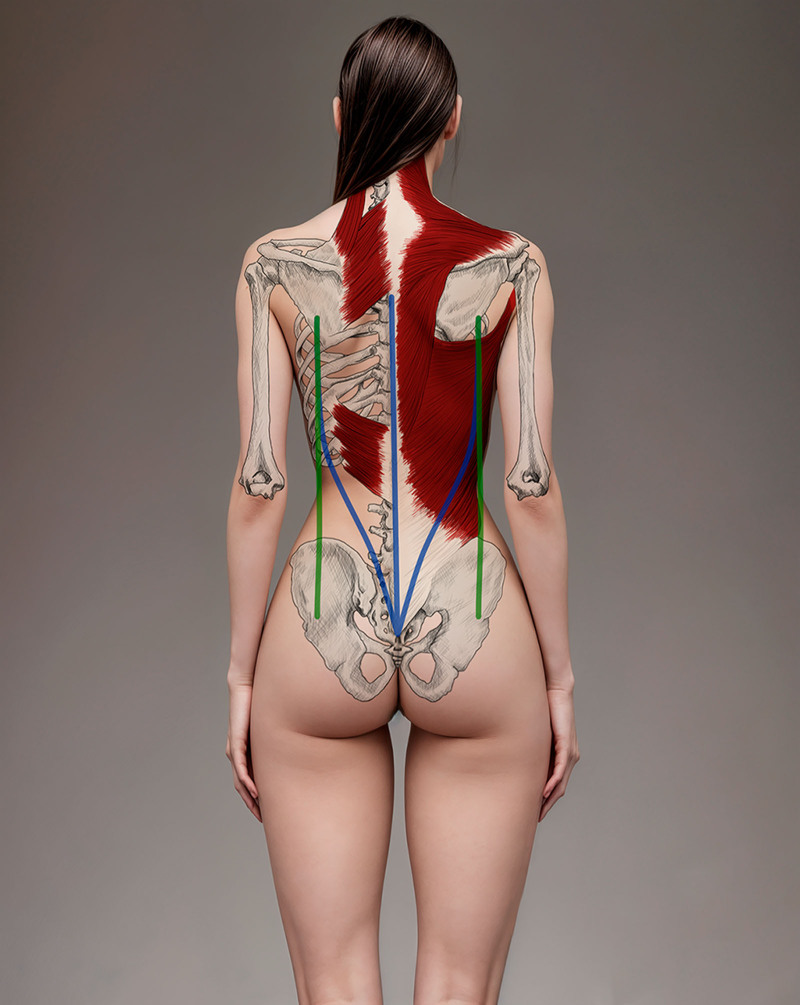
Fig. 1. Presurgical design of the M-line for RibXcar surgery. The monocortical fracture sites are located distal to the insertion of the latissimus dorsi and serratus posterior inferior muscles.RibXcar 术前 M 线设计;单皮质骨折位点位于背阔肌与下后锯肌止点远端。
RibXcar creates a controlled monocortical fracture through dot-by-dot piezotome punctures (<0.8 mm tip), requiring a hand force of approximately 1.4–1.5 N, similar to pencil writing, which favors safety and depth control over pressure-dependent continuous cuts. 7 – 10 Because posterior ribs tolerate 3–3.5 N, excessive force may breach the inner cortex and spongiosa, leading to bicorticalization, particularly during the learning curve when proprioception has not yet been fully developed. 10 , 11 Cortical thickness supports this mechanism: the inner cortex measures 0.9–2.6 mm (average 1.4 mm) and the outer 0.7–1.9 mm (average 0.9 mm). 9 , 12 , 13 Perpendicular dot-by-dot punctures allow controlled depth through the thinner outer layer while avoiding the thicker inner cortex, which would require more than 50% additional penetration beyond the monocortical cut.
RibXcar positions the fracture posteriorly above the “M-line,” where the outer cortex is thicker and easier to control. More anterior cuts risk bicortical fracture or delayed healing due to cortical thinning. Unlike continuous lateral cuts, RibXcar uses targeted point-by-point fractures, improving depth control, maintaining anatomical safety checkpoints, and reducing intercostal vessel or pleural injury 9 , 12 – 15 ( see Video 1 [online] ). Using a piezotome generates the fracture without excessive surface force, reducing vibration compared with high-pressure techniques, which can raise temperature and lead to burns, bicortical fractures, and vascular or pleural injury (Fig. 2 ). 1 , 7
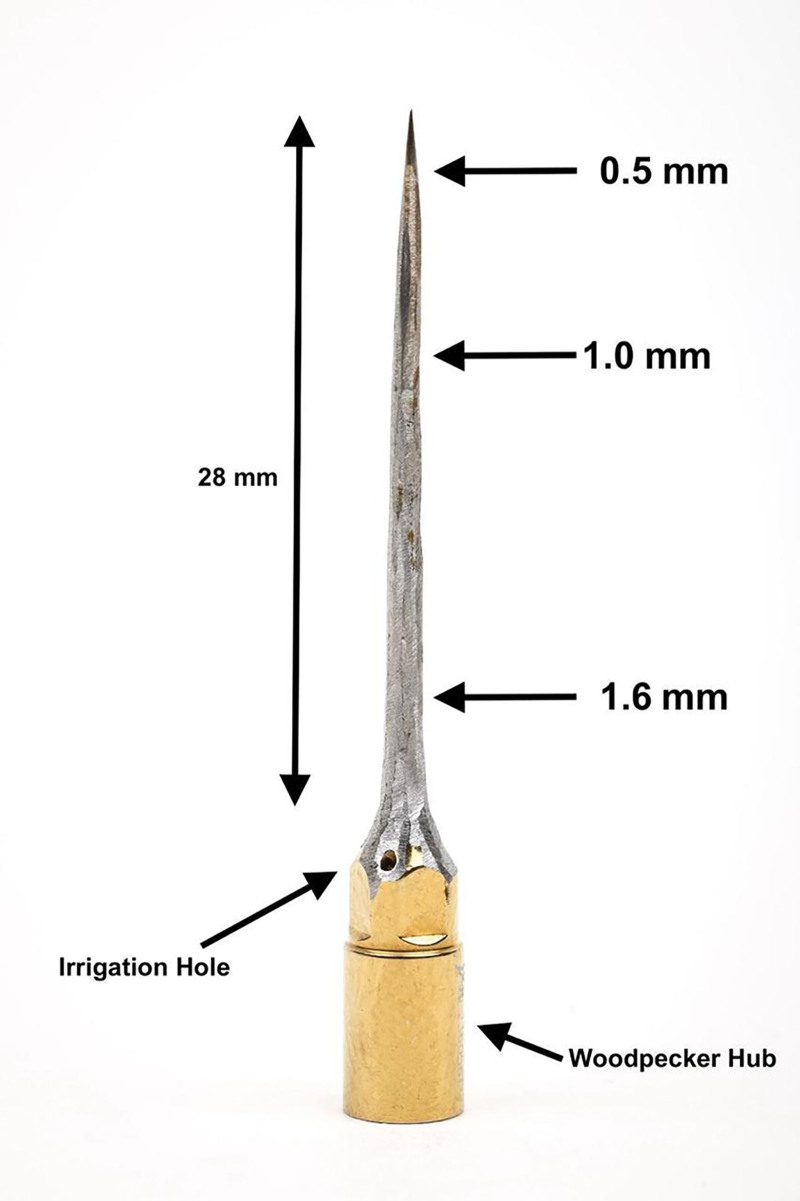
Fig. 2. Modified Manzaneda piezotome tip for corticotomy in rib remodeling surgery.改良 Manzaneda 压电骨刀头,用于肋重塑中的皮质切开。
RibXcar is a minimally invasive puncture-based technique that improves upon incision-based approaches such as that by Kudzaev and Kraiushkin, 5 reducing scarring and lowering vascular, muscular, and pleural risk. Unlike traditional linear access with retractors, which increases intercostal injury and limits maneuverability, RibXcar enables staggered movement and respects anatomical layout and muscle memory for safer correction 5 , 14 – 16 (Table 8 ).
Table 8. Differences Between Rib Remodeling Procedures
| Variables | Percutaneous Costal Remodeling, Osteoselective Ultrasound-Guided (RibXcar) | Costal Remodeling by Small Incisions |
|---|---|---|
| Instruments | • Piezotome• Piezotome tip: fine needle (Manzaneda tool)• Ultrasonography | • Piezotome• Piezotome tip: saw• Micromotor: saw |
| Presurgical design | • M design, in which the corticotomy points are made on the line projected from the posterior axillary line at shoulder level to the intergluteal region | • The incision is made at the level of the scapular line, bilaterally |
| Advantages | • Osteoselective thanks to the piezotome function, which performs minimal punctures (fine needle—Manzaneda tool)—no incisions• Not dependent on muscle memory, due to its staggered structure escaping the insertions of the serratus posteroinferior and the strong fibers of the latissimus dorsi• Safety of monocortical fracture directed and controlled by ultrasonography• As the fracture is performed through punctures with a point maneuver, it is well directed and symmetrical, avoiding spiculations that may injure continuous structures or produce irregularities• There is less probability of pneumothorax, mainly due to the absence of pressure difference and because the puncture site is very small | • Direct visualization of the fracture and direct control of the fracture• Direct control in case of pneumothorax or bleeding; in case it is necessary to perform a drainage, the same incision can be used, or the same incision can be used with good visualization of the operative field.• The safety of the monocortical fracture and its verification depend on direct visualization• When an incision is made, it is not necessary to wait for the heat to condense, because the irrigation function is activated |
| Disadvantages | • It depends on the consolidation status of each individual• In case of wide pneumothorax or hemothorax requiring drainage, an incision must be made to place a chest tube, which may be counterproductive if incisions are not desired• Because it is a puncture, the irrigator function is disabled, so internal or external irrigation is needed to condense the heat. This requires puncture cycles of 6 s with another 6–8 s of waiting to avoid burns from the heat generated | • It depends on the state of consolidation of each person• When it is done with a single incision, the range of action is limited to the nearby ribs (ribs 11 or 12), not being able to work the high ribs• The mobilization of the incision to work on each rib will depend on the distance between the 11–12 intercostal spaces and may injure intermediate structures (vessels, nerves, or soft tissues) along its path• It requires incisions of 2 cm• In the scapular line, where the incisions are made, the insertions of the serratus posterior and latissimus dorsi are not respected, so the fracture must be subjected to the forces of muscle memory (bicortical fracture or failure in the angularity of the fracture)• There is an increased probability of pneumothorax, as the 2 cm incision widens and allows air entry due to pressure difference |
| Principle of action | • External cortical fracture, controlled, for internal angulation• Rib-to-rib—one puncture for each rib | • External cortical fracture, controlled for internal angulation• One incision works on all the ribs to be treated |
| Strap | • Waist belt required for at least 3–6 mo | • Waist belt required for at least 3–6 mo |
| Complications | • Pneumothorax: occurs when the fracture affects the internal cortex and pleura. It is a rare complication, because it requires a diameter greater than two-thirds of the trachea and a considerable pressure difference, conditions that cannot be generated with this technique• Hemothorax: bleeding may occur because, when the monocortical fracture occurs, the vessels that run posteriorly to the ribs may be injured. However, if the pleura and endothoracic fascia are not transgressed, this bleeding will be self-limited by these same structures, preventing it from progressing to the thoracic cavity• Pain: pain occurs at the onset and is easily managed with acetaminophen or nonsteroidal analgesics. Occasionally, pain may become chronic or increase after 7-10 d, which may indirectly indicate a bicortical fracture | • Pneumothorax: as it has a dissection process, it requires the movement of the incision and can injure structures and soft tissues, such as the pleura. Likewise, the bicortical fracture can injure the pleura and allow the entry of air due to pressure difference through an incision• Hemothorax: bleeding can occur when vessels are injured during dissection, including not only necessarily intercostal vessels but also muscular vessels and vessels that run laterally to the ribs, and can be injured during deperiostization• Pain can be controlled with acetaminophen and nonsteroidal analgesics. Bicorticality may occur, which is managed with blocks or analgesics |
Ultrasound provides real-time visualization of anatomical structures, thereby leading to greater accuracy and safety during the procedure. Identification of cortical involvement (cortical disruption) and assessment of possible pleural lesions are essential to ensure the integrity of adjacent tissues and prevent complications such as pneumothorax or hemothorax ( see Video 1 [online] ). 17 – 19
The piezotome allows osteoselective monocortical corticotomy through low-frequency ultrasonic microvibrations (25–35 kHz), a range specifically effective for mineralized tissue, ensuring precise cuts without excessive pressure while soft tissues, pleura, vessels, and muscle remain unaffected. 9 , 10 This selectivity enables RibXcar to produce a controlled monocortical fracture directed distally to generate an inward angle while preserving the inner cortex as an anchoring hinge, avoiding splintering and reducing the risk of pneumothorax or hemothorax compared with traumatic fractures, which tend to fragment unpredictably and compromise pleural or vascular structures (Fig. 3 ). 1
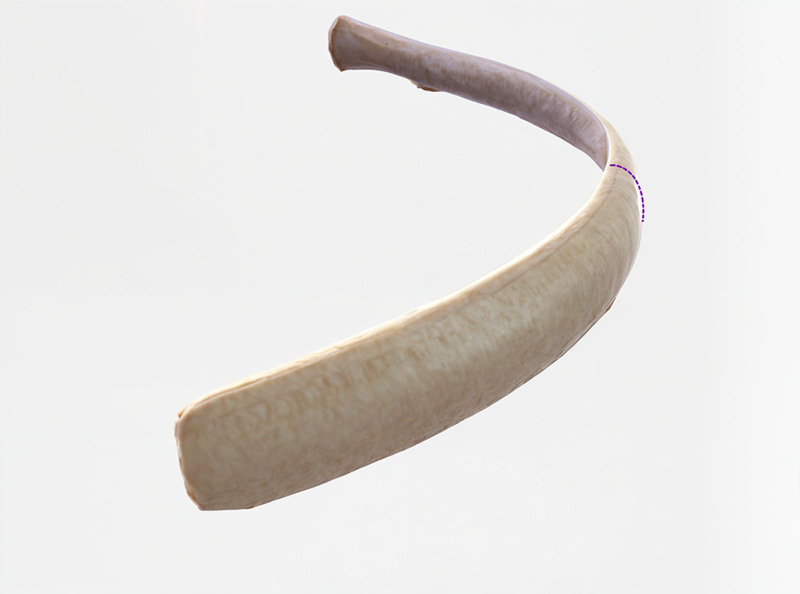
Fig. 3. Characteristics of the external monocortical fracture (purple line).外部单皮质骨折(紫线)的特征示意。
Proprioception in the dot-by-dot piezotome technique provides real-time assessment of bone resistance and angular movement, guiding a controlled, adequate monocortical fracture. 1
In floating ribs, intercostal neurovascular bundles travel through adjacent soft tissues rather than inside the rib body, whereas in true ribs, they course within the lateral costal grooves. This anatomical difference makes vascular injury less frequent in false ribs, because the bundle is not directly compromised during fracture or corticotomy (Fig. 4 ). 8 – 10 , 14 , 16 However, in typical ribs, where the bundle adheres closely to the bone, changes in rib angle during fracture increase hemorrhage risk, particularly if anterior fixation tension is not released during conversion maneuvers (conversion surgery). 2
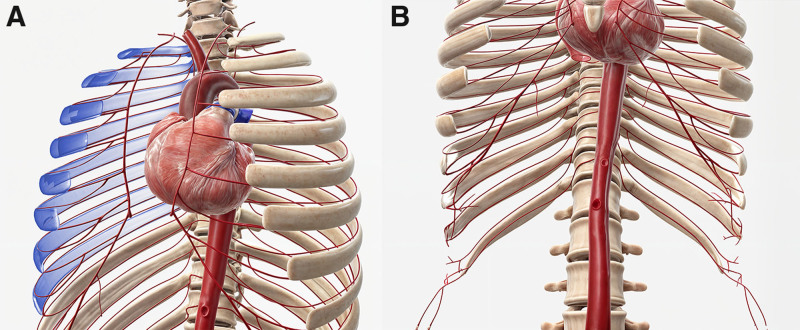
Fig. 4. Characteristics of vascularization in (A) typical ribs (blue) (vascular course lateral to the rib surface) and (B) atypical ribs (vascular course along the midline of the rib surface).典型肋(蓝,血管走行于肋表面外侧)与异位肋(血管沿肋表面中线)的血管分布差异。
A “clack” may be perceived during manual osteoclasty, but not consistently. In a controlled monocortical fracture, ultrasound guidance ensures a clean separation with minimal cortical cohesion, so mobilization may not generate an audible sound. 20
The piezotome generates a controlled temperature increase through ultrasonic vibration, remaining cooler than micromotors because it does not rely on mechanical motor force. Thermal elevation depends on exposure time and technique, so short activation cycles (<6 s) and abundant irrigation help prevent burns or osteonecrosis. In RibXcar, thermal control is optimized with cold saline irrigation (10°C) at the puncture site. 1 , 9 , 10
Although RibXcar, like any procedure, carries potential complications, its safety and efficacy depend primarily on operator proficiency, adherence to the learning curve, and proper use of piezotome-assisted puncture and ultrasound guidance. 1
This percutaneous, incision-free approach offers a scarless outcome and high patient acceptance, contrasting with previous techniques that require approximately 2 cm incisions and visible skin healing (Fig. 5 ). 1
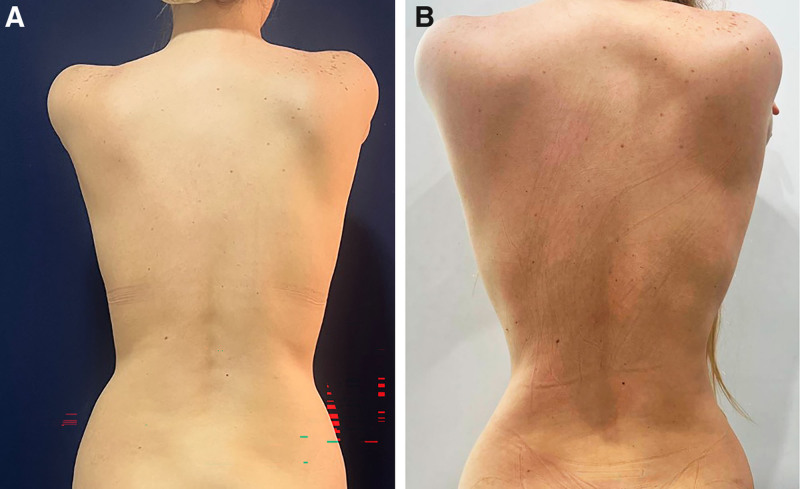
Fig. 5. RibXcar without liposuction, before (A) and 6 months after surgery (B).单纯 RibXcar 术前(A)与术后6个月(B)对比。
Fracture stability relies on maintaining internal angular force until consolidation, requiring abdominal binder use for at least 3 months. Adjustable Velcro girdles are preferred, as they allow progressive compression and reduce pain or secondary fractures, unlike strap-based corsets. Following the Ilizarov principle, binder tension is increased by 1 cm per week using a color-coded protocol: yellow (week 1), green (weeks 2–3), and red (week 4+), ensuring controlled remodeling and preventing bicortical fractures from early excessive pressure 21 (Fig. 6 ).
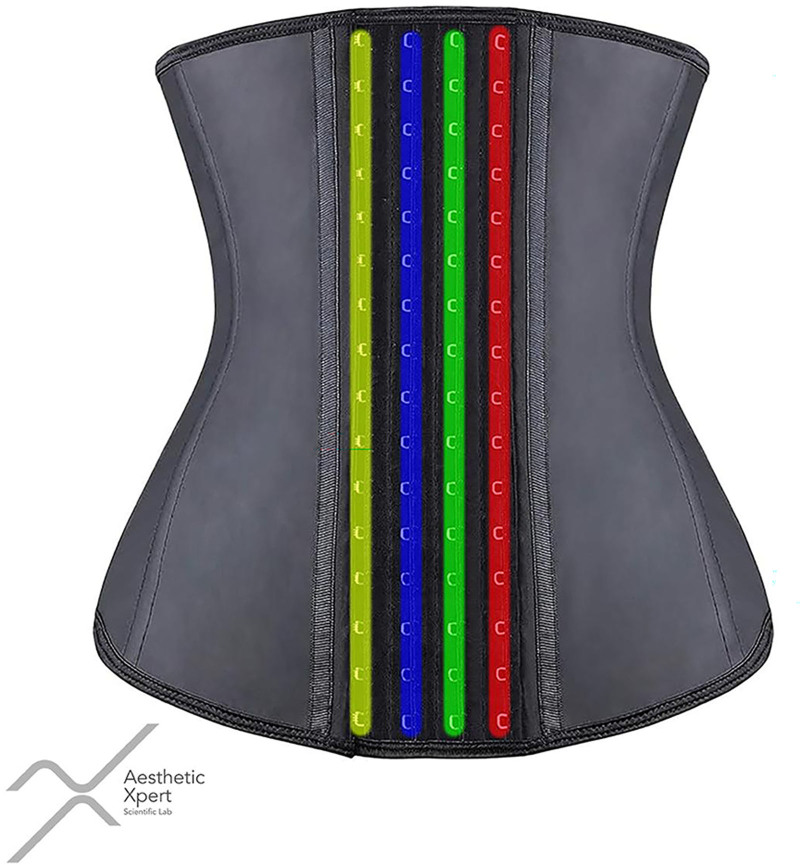
Fig. 6. Abdominal binder with color-coded levels of compression, gradually increasing pressure weekly.腹带按颜色分级加压,每周逐步增加压力。
Postoperative results depend heavily on consistent girdle compression, as insufficient stabilization, trauma, or poor callus formation may impair consolidation, causing pain or thoracic irregularities. Lack of adherence increases the risk of chronic complications such as palpable deformities or pseudoarthrosis, underscoring the need for strict binder use to maintain fracture angle and stability.
In our cohort, BODY-Q scores (Rasch 0–100) demonstrated consistently high satisfaction across domains: 92 for body satisfaction and body image, 90 for expectation fulfillment, 94 for back appearance, and 90 for scar appraisal, with no significant differences between procedures ( P > 0.05). These outcomes are substantially higher than those reported after post–massive weight loss abdominoplasty (eg, abdomen 50.7 out of 100; health-related quality of life ~48–80 out of 100) and are comparable to improvements described after liposuction for lipedema, where high scores are achieved but not typically in the 90s. Given that psychometric validation and normative data support interpretation of the 0–100 scale (higher = better), our 12-month scores of 90–94 indicate outcomes well above published series and beyond commonly accepted thresholds for clinically meaningful improvement. The observed clustering of high BODY-Q scores is consistent with a ceiling effect commonly reported in aesthetic outcome studies when patient satisfaction is high. 22
Compared with traditional rib-reshaping methods such as that by Kudzaev and Kraiushkin, which require approximately 2 cm incisions for direct visualization and monocortical fracture, RibXcar is fully minimally invasive, performed through a less than 0.8-mm piezotome puncture that allows monocortical corticotomy without skin incisions or scarring. Additionally, its preoperative planning uses a stepped M-line design projected from the posterior axillary border toward the intergluteal line to align with rib morphology and muscle insertions (latissimus dorsi and serratus posterior inferior), reducing recurrence from muscle memory, unlike traditional paravertebral approaches that overlook these anatomical considerations 6 (Table 8 ).
To date, RibXcar is the first fully closed rib remodeling technique described in the literature and, in our experience, represents the preferred method for costal contouring. In our cohort, reduction in waist circumference was observed both in patients undergoing isolated rib remodeling and in those treated in combination with liposuction. This suggests that modification of the lower rib structure alone contributes meaningfully to waist narrowing. However, in combined cases, the presence of additional procedures should be considered a potential confounding factor, representing an inherent limitation of the observational study design and one that should be taken into account when interpreting the magnitude of the effect. 1 , 5
补充视频 / 附件(原文未随文提供原图,可于出版方页面查看)gox-14-e7929-s001.mp4Video 1. This video shows the anatomical basis and ultrasound-guided evaluation of angular variation and bone resistance loss during monocortical rib fracture, highlighting real-time fracture dynamics, anatomical rib thickness, controlled puncture force, and the proper technical principles required to achieve adequate and safe rib angulation.演示单皮质肋骨折的解剖基础与超声引导下成角变化、骨阻力下降的实时动态。
We recorded 4 pneumothorax cases: 2 after RibXcar alone and 2 after RibXcar + liposuction, all presenting with immediate postoperative hypoxemia during transfer from the operating table, likely triggered by trauma. The isolated RibXcar cases occurred in the left hemithorax, none exceeding 20% involvement. One patient undergoing liposuction without retraction technology developed bilateral pneumothorax, also coinciding with mobilization, suggesting movement as the probable cause. ( See Video 2 [online] , which displays the major complications. Two cases of bilateral pneumothorax are evaluated. An imaging analysis is performed with the description of each case and its resolution.)
A bilateral pneumothorax occurred in a patient undergoing RibXcar with J-Plasma liposuction. Severe postoperative hypoxemia (46%) was initially due to left pneumothorax, later followed by right-sided involvement requiring a second drain. The patient recovered within 4 days. This case suggests that Renuvion should precede RibXcar to allow gas dissipation and reduce pleural risk during osteoclasty. ( See Video 3 [online] , which displays the major complication of hemothorax and its management: chest drain for hemothorax plus placement of chest drain.)
Complications are more often related to trauma or inadequate osteoclasty causing bone displacement and pleural tear. One hemothorax case resulted from a bicortical fracture of the right 11th rib, likely worsened by bruising and excessive compression, with approximately 2000 mL of drainage and full recovery within 5 days. ( See Video 4 [online] , which displays the diagnosis of pseudoarthrosis [CT] and resection of rib 12.)
Postoperative pain is expected and typically resolves within a week. We observed 2 chronic pain cases: 1 from a bicortical 12th rib fracture requiring delayed resection, and another from pseudoarthrosis confirmed by imaging, also treated with resection. A separate bicortical 11th rib fracture healed conservatively within 3 months. Pain in RibXcar is mainly related to inadequate periosteal separation or overly medial corticotomy along the M-line; bicortical fractures or poor osteoclasty increase muscular tension at the external angle. Analgesia followed a neuromodulatory protocol targeting μ, δ, and κ receptors. A 35-µg/h buprenorphine patch was initiated 24 hours preoperatively (adjustable postoperatively), combined with nonsteroidal anti-inflammatory drugs or pregabalin. For persistent pain, half a patch every 72 hours for 2 weeks plus pregabalin (75 mg 1–2/d) and etoricoxib 120 mg daily proved effective. 24 Antibiotic prophylaxis and anticoagulation were administered following the American Society of Plastic Surgeons’ perioperative safety guidelines. 25
RibXcar provides a promising alternative for patients seeking a safe and minimally invasive waist reduction. Within the limitations of an observational design, RibXcar seems to offer a minimally invasive approach to waist reduction with a low complication rate in this cohort. The observed outcomes should be interpreted within the context of a nonrandomized, single-arm study. Prospective comparative studies with independent outcome assessment are needed to establish its relative efficacy and safety profile (Figs. 7 , 8 ).
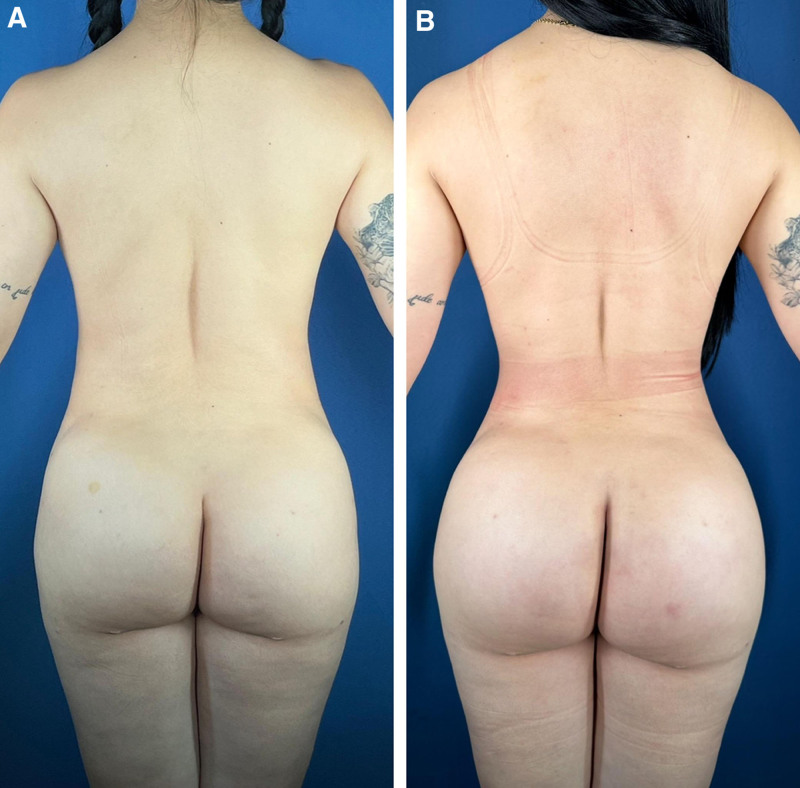
Fig. 7. RibXcar with liposuction before (A) and 5 months after surgery (B).RibXcar 联合吸脂术前(A)与术后5个月(B)对比。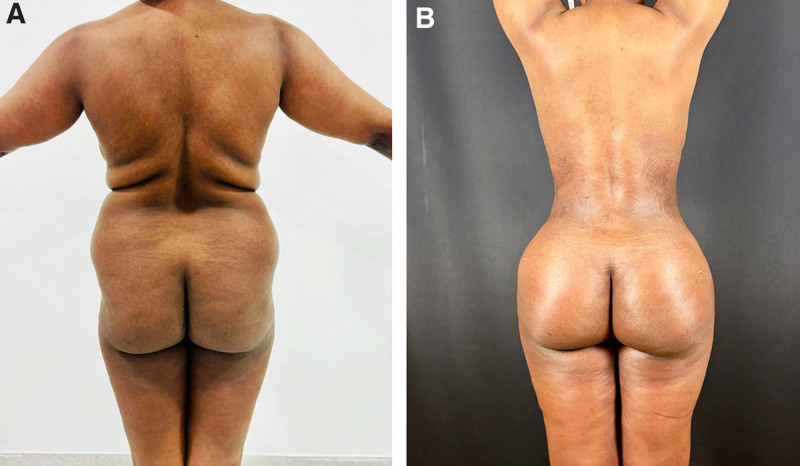
Fig. 8. RibXcar with liposuction plus J-Plasma technology, before (A) and 6 months after surgery (B).RibXcar 联合吸脂+J-Plasma 技术术前(A)与术后6个月(B)对比。The main limitations of the study include the lack of randomization and the use of nonprobability sampling (convenience sampling), which resulted from the direct recruitment of participants who met the predefined inclusion and exclusion criteria. Additionally, the absence of an independent blinded evaluator represents a limitation inherent to the observational design. The primary endpoint (paired change in waist circumference) was analyzed using Wilcoxon signed-rank tests. However, formal heterogeneity testing across centers using mixed-effects models or I 2 statistics was not performed, which represents a methodological limitation for future multicenter studies of this technique. Although standardized training and measurement protocols were implemented, formal hierarchical modeling to quantify center-level effects was not performed. Therefore, future studies with larger sample sizes and more robust designs, including randomized studies and multicenter analyses, will be necessary to further validate and confirm these findings. Despite these limitations, the level of significance achieved was adequate for the specific objectives of this study.
补充视频 / 附件(原文未随文提供原图,可于出版方页面查看)gox-14-e7929-s002.mp4Video 2. This video shows two cases of bilateral pneumothorax and imaging analysis with the description of each case and its resolution.双侧气胸两例的影像分析与处理经过。补充视频 / 附件(原文未随文提供原图,可于出版方页面查看)gox-14-e7929-s003.mp4Video 3. This video shows major complication hemothorax and management.主要并发症血胸的演示与管理。补充视频 / 附件(原文未随文提供原图,可于出版方页面查看)gox-14-e7929-s004.mp4Video 4. This video shows diagnosis of pseudoarthrosis (CT) and resection of rib 12.假关节(CT 诊断)的演示与第12肋切除。
In this prospective cohort, RibXcar was associated with a measurable reduction in waist dimensions at 1 year of follow-up. The complications observed during the study included pneumothorax, hemothorax, and chronic pain. These events were managed according to standard clinical protocols and showed favorable clinical resolution in the documented cases.
Dr. Manzaneda Cipriani is the creator of the RibXcar technique for aesthetic rib remodeling. He regularly participates as an invited speaker at national and international scientific meetings, delivering lectures on costal remodeling associated with these techniques. In addition, he is the developer of a proprietary surgical tip specifically designed for use in these procedures, from which he receives financial remuneration through its commercialization. Despite these disclosures, the author declares that the existence of these interests does not compromise the accuracy, integrity, or scientific validity of the data presented in this study, nor did they influence the design, conduct, analysis, interpretation, or reporting of the results. The other authors have no financial interest to declare in relation to the content of this article.
Patients provided written consent for the use of their images.
声明:中文精读 · 仅供学术参考。内容来自公开文献检索,不代表本人观点,不构成诊疗建议。 医疗美容需在正规医疗机构由执业医师实施。
基于相同主题推荐 · 继续深挖