乳房缩小术患者的术前预康复:范围综述
2026年10月7日28 min read
Plastic and Reconstructive Surgery Global Open

结论与实践要点
临床定位与机制
操作要点
风险与局限
Background:Reduction mammoplasty (RM) is one of the most common plastic surgery procedures, with close to 76,000 performed annually. Between 14% and 53% of patients may experience a complication after RM. Medically optimizing patients preoperatively is essential to mitigate these risks and provide the best surgical outcome. This scoping review aims to identify the efficacy of prehabilitation for cosmetic RM and identify mutable patient characteristics that could reasonably be targeted with prehabilitation to improve surgical outcomes.
Methods:A comprehensive PubMed review was performed in April 2025 to identify cosmetic RM–related articles that discussed risks associated with mutable patient characteristics and outcomes following prehabilitation. Data collected included article type, topic, participant information, and study outcome.
Results:A total of 123 articles met inclusion criteria. Most articles addressed the effects of body mass index (n = 61, 50%), age (n = 55, 45%), or mental health (n = 19, 15%). High-risk mutable characteristics identified included obesity, malnourishment, frailty, diabetes, smoking, poverty, cardiovascular and hematologic issues, vitamin D deficiency, history of bariatric surgery, and chronic steroid use. Only 1 article directly reported the effects of prehabilitation regimens on RM outcomes, showing that a weight loss intervention reduced complications.
Conclusions:Although RM prehabilitation with a focus on weight loss demonstrated quantifiable improvement in surgical outcomes, prehabilitation programs for other mutable characteristics have not been directly studied. However, risk-increasing characteristics should be optimized before surgery. Further evidence is needed to provide quantifiable data on the effectiveness of prehabilitation.
Takeaways
Question: Based on the current literature, what patient characteristics can be modified preoperatively through a prehabilitation regimen to improve reduction mammoplasty outcomes?
Findings: This scoping review identified 123 articles through a PubMed search. These showed that patients who were obese, malnourished, frail, diabetic, smokers, low-income, or who had cardiovascular and hematologic issues, vitamin D deficiency, a history of bariatric surgery, and/or used steroids chronically had higher complication rates in most articles and could benefit from preoperative intervention.
Meaning: By identifying patients at high risk for complications following reduction mammoplasty preoperatively, interventions can be offered to optimize patient outcomes. Prehabilitation often requires a multidisciplinary treatment plan and demonstrates positive improvements.
Prehabilitation can be used preoperatively to optimize patient outcomes following reduction mammoplasty. Our recommended prehabilitation guidelines have been outlined for easy provider and patient reference. ( See figure, Supplemental Digital Content 1 , which details the Plastic Surgery Prehabilitation Pathway for reduction mammoplasty. Copyright © 2025 American Society of Plastic Surgeons, https://links.lww.com/PRSGO/F199.)
The pathology of excessive breast tissue growth, otherwise termed macromastia, is associated with a variety of factors, including hormonal and genetic abnormalities, medications, and obesity. 1 , 2 Macromastia can be debilitating for patients, resulting in both physical and psychological issues such as back and neck pain, spinal degeneration, headaches, rashes, dysesthesia, shortness of breath, inability to perform physical activities, and poor self-confidence. 3 Reduction mammoplasty (RM) is the most effective treatment for these symptoms. 3
In 2024, there were 76,734 cosmetic RMs performed, according to the American Society of Plastic Surgeons annual report, making it one of the most common plastic surgery procedures. 4 Complications, such as infection, wound healing issues, or fat necrosis, occur between 14% and 53% of the time. 5 Health and lifestyle choices can impact RM outcomes. This scoping review aims to identify the efficacy of prehabilitation for cosmetic RM and identify mutable patient characteristics that could reasonably be targeted with prehabilitation to improve surgical outcomes.
A scoping review was performed in April 2025 according to standard scoping review guidelines. 6 – 8 Cosmetic RM prehabilitation- and outcome-focused articles were identified via PubMed. ( See appendix, Supplemental Digital Content 2 , which displays a document listing the search terms used to identify articles, https://links.lww.com/PRSGO/F200.) After title and abstract screening, full-length articles were reviewed by L.N.R.M. and A.C.K. and included after meeting study criteria. ( See appendix, Supplemental Digital Content 3 , which displays a document listing the inclusion and exclusion criteria, https://links.lww.com/PRSGO/F201.) Data were manually extracted and stored using a standardized spreadsheet. Extracted data included the following: title, authors, article type, topic of interest, number of patients, and significant findings.
A total of 7714 articles were initially identified, and 123 articles met the inclusion criteria (Fig. 1 ). Most articles were retrospective studies (n = 60, 49%), followed by prospective (n = 23, 19%) and survey studies (n = 14, 11%) (Fig. 2 ). Most articles evaluated RM outcomes associated with body mass index (BMI) (n = 61, 50%), age (n = 55, 45%), or mental health (n = 19, 15%) (Fig. 3 ). ( See appendix, Supplemental Digital Content 4 , which displays a document listing the references for all included studies, https://links.lww.com/PRSGO/F202.)
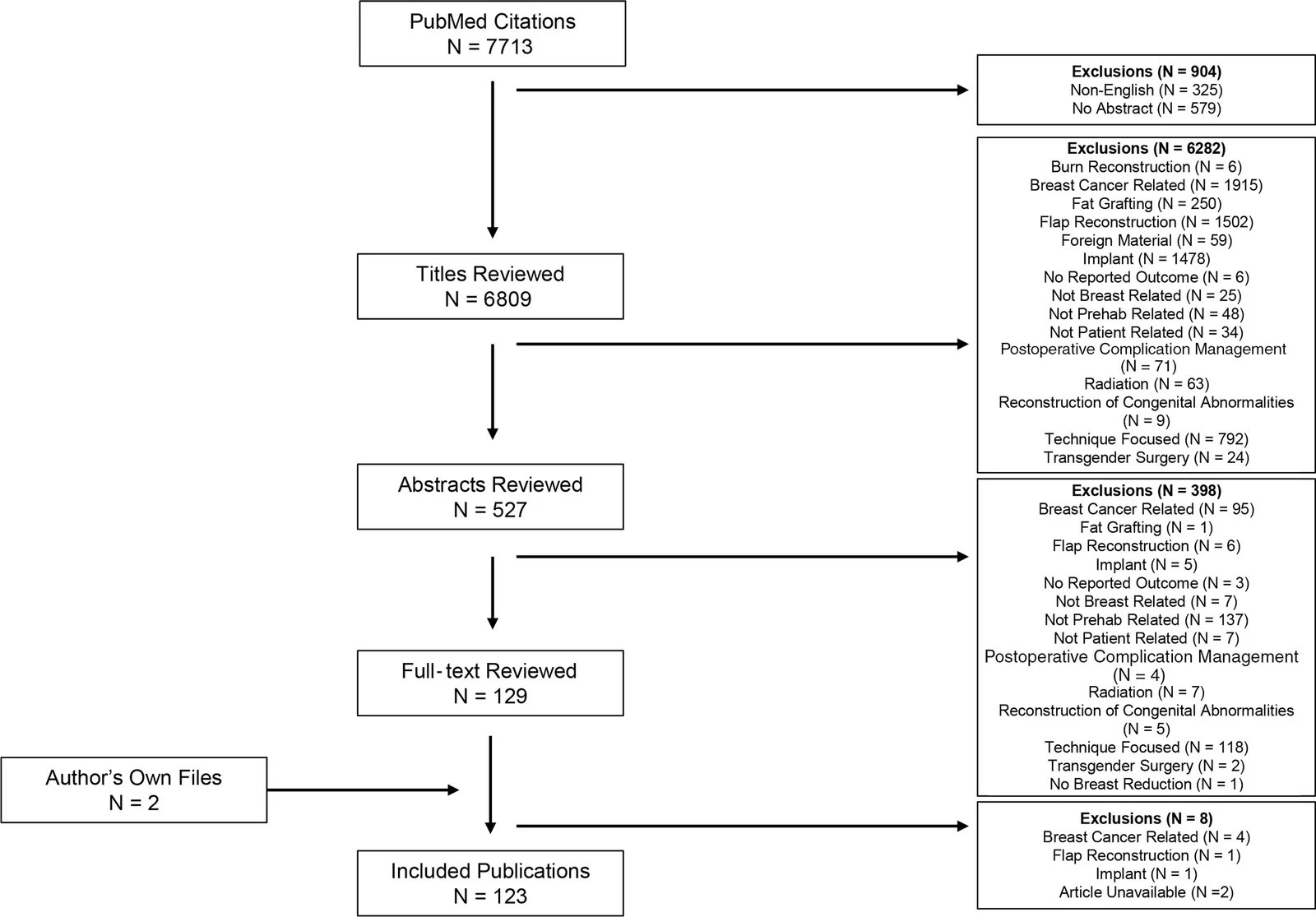
Fig. 1. PRISMA (Preferred Reporting Items for Systematic Reviews and Meta-Analyses) flowchart. Prehab, prehabilitation.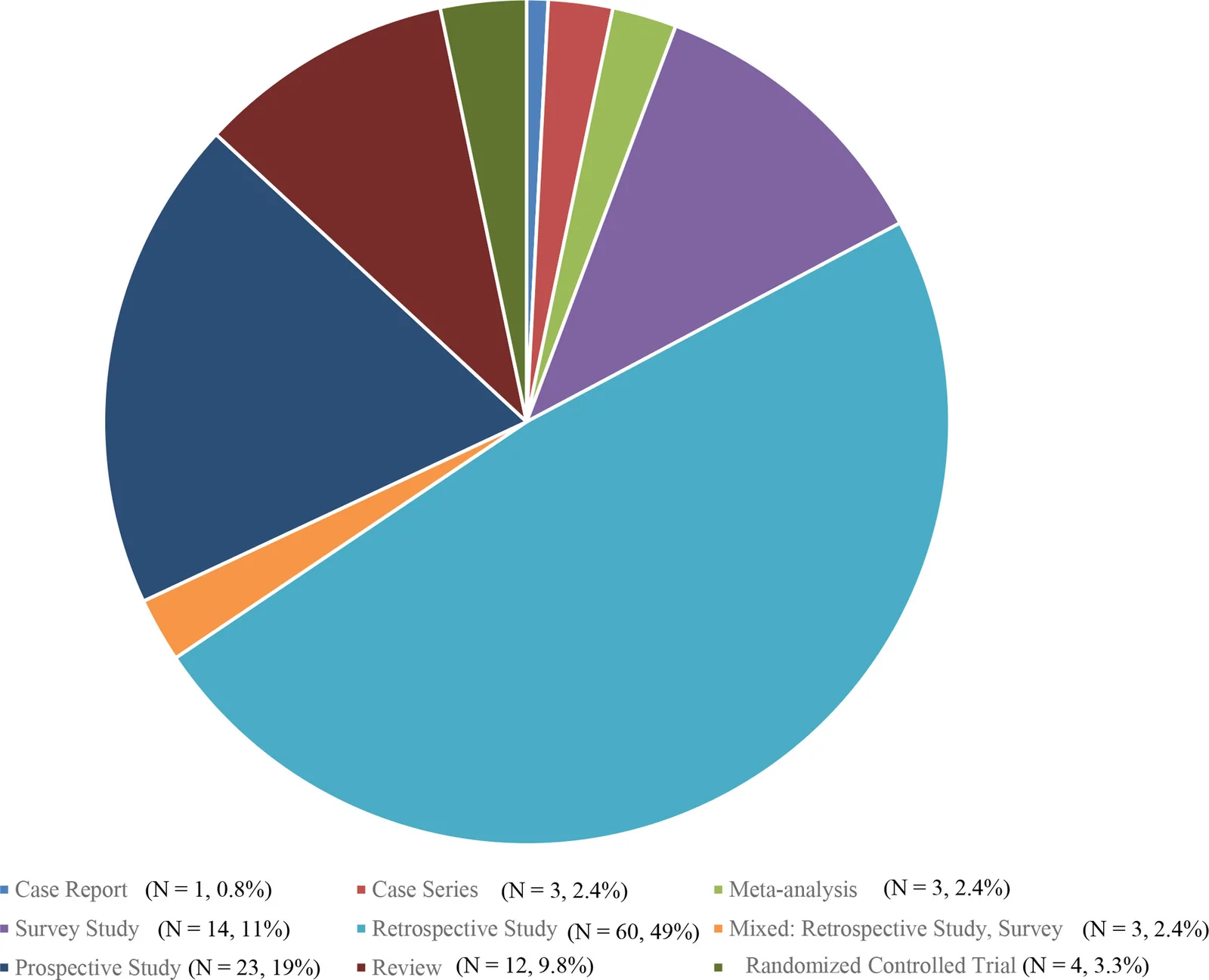
Fig. 2. Number of articles included for each type of study. Most articles were retrospective studies (n = 60, 49%), followed by prospective studies (n = 23, 19%) and survey studies (n = 14, 11%).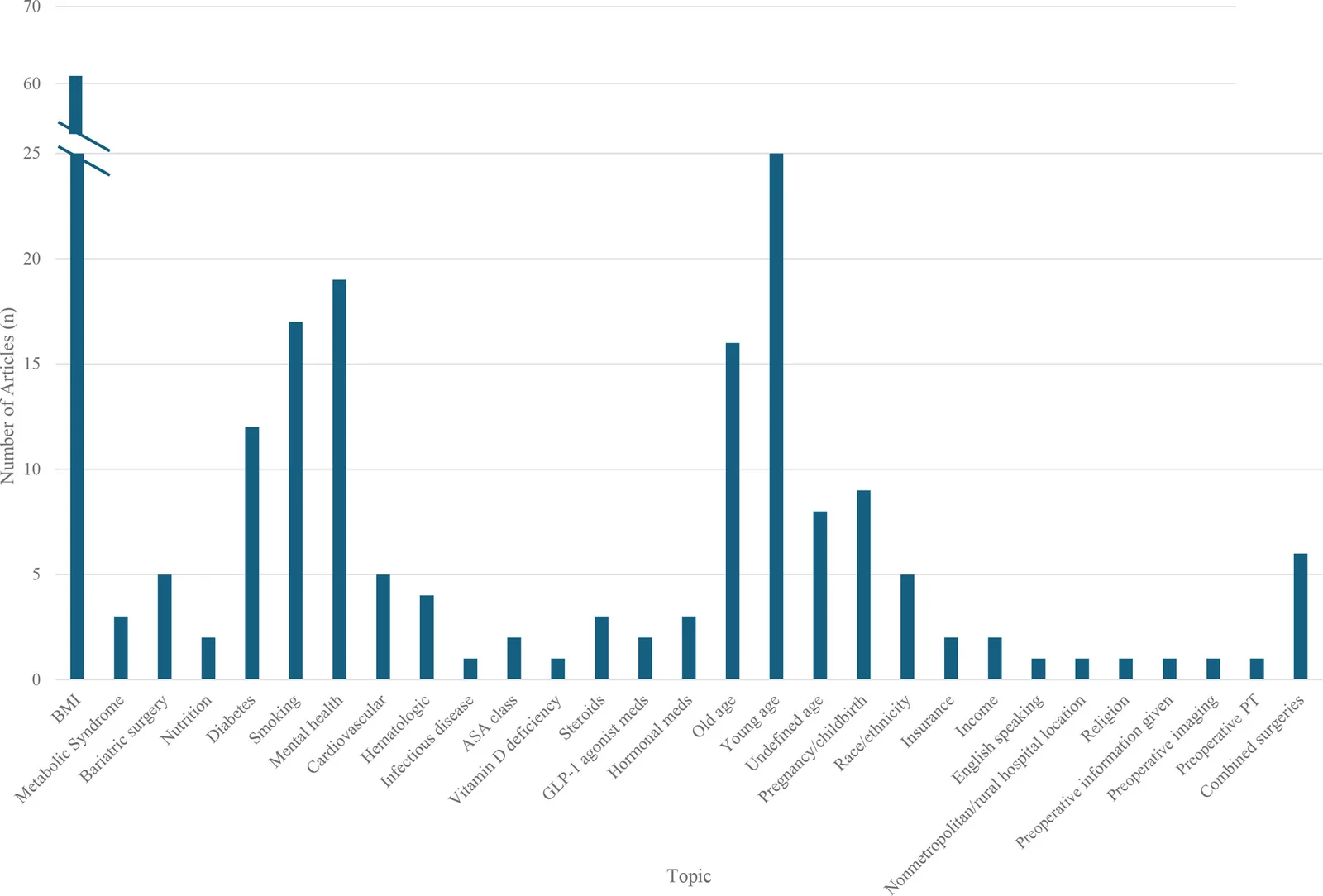
Fig. 3. Number of articles included that focused on each topic. Most articles evaluated RM outcomes in association with BMI (n = 61, 50%), age (n = 55, 45%), or mental health (n = 19, 15%). ASA, American Society of Anesthesiologists Classification; PT, physical therapy.
Of the 61 total articles evaluating BMI, 31 (51%) reported negative outcomes associated with high BMI during RM (Fig. 4 ). ( See appendix, Supplemental Digital Content 5 , which displays a table reporting all weight-related articles and relevant findings, https://links.lww.com/PRSGO/F203.) Wound complications (n = 12), infection (n = 9), fat necrosis (n = 7), seroma (n = 5), readmissions (n = 2) or longer admissions (n = 2), and nipple-areolar necrosis (n = 1) were identified as risks. BMI was evaluated as a continuous variable in 7 articles; otherwise, it was reported according to the Centers for Disease Control and Prevention adult BMI categories: overweight (BMI 25–29.9 kg/m 2 ) (n = 5), class I obesity (BMI 30–34.9 kg/m 2 ) (n = 16), class II obesity (BMI 35–39.9 kg/m 2 ) (n = 2), and class III obesity (BMI > 40 kg/m 2 ) (n = 3). Geiker et al 9 incorporated nutritional modifications, calorie restrictions, and weight loss counseling into an RM prehabilitation program. An average weight loss of 10.2 kg (range, 6.5–19 kg) during a 12-week period was achieved. 9 In non-RM studies, aerobic exercise, caloric restriction (600–900 kcal/d), and a high-protein diet (1.3 g/kg/d) resulted in weight loss with functional improvement before surgery. 10 , 11 Metabolic syndrome was associated with longer operative times in 1 of 3 articles (33%).
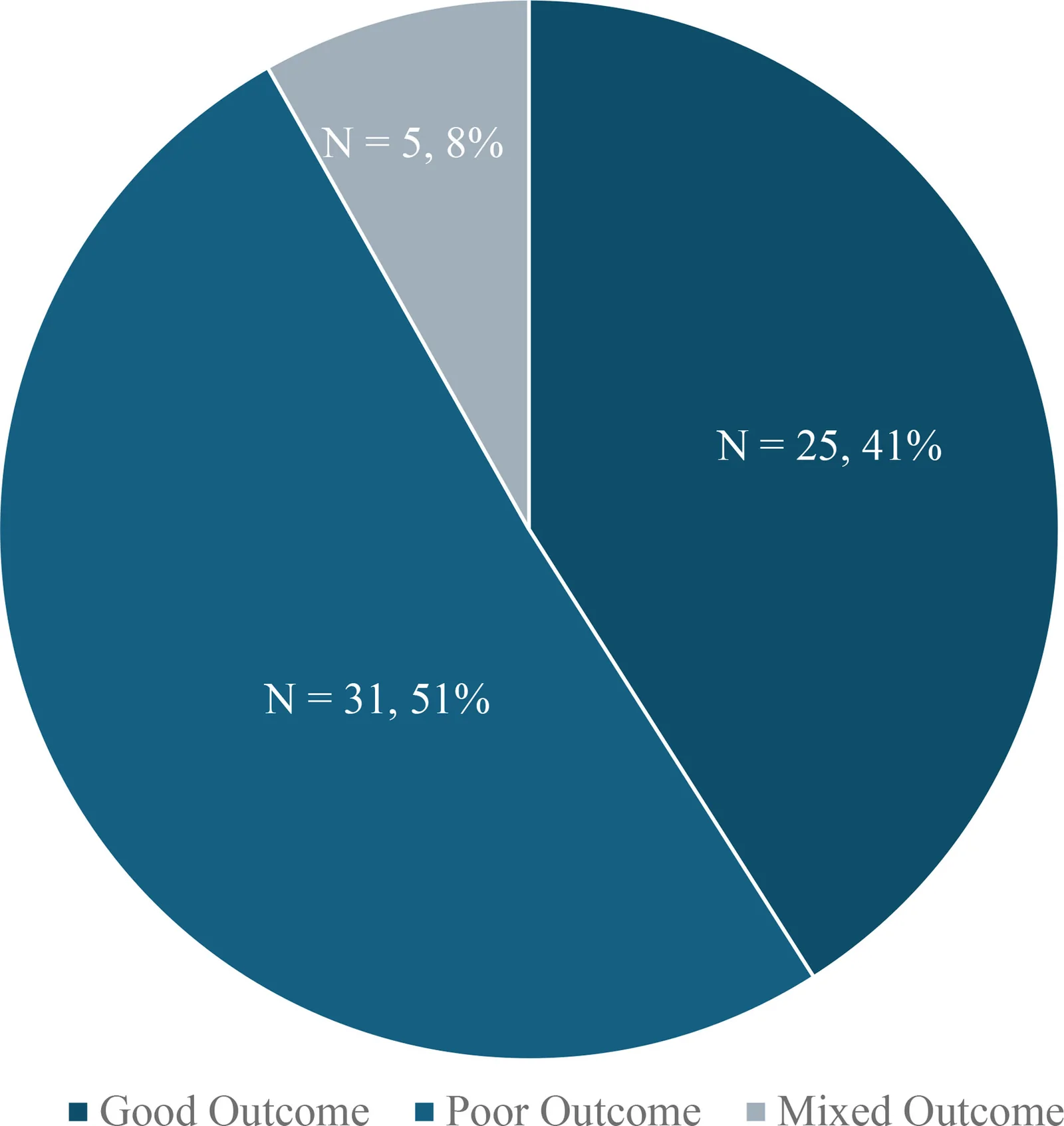
Fig. 4. Number of articles that reported that increased weight was associated with good outcomes, poor outcomes, or mixed outcomes following RM.
Postbariatric surgery patients had a higher risk for complications, such as wound breakdown, seroma, hematoma, and scarring (n = 3, 60%) ( Supplemental Digital Content 5 , https://links.lww.com/PRSGO/F203). Previous biliopancreatic diversion was associated with complications, but Roux-en-Y gastroplasty was not associated with complications (n = 2, 40%). Satisfaction scores and psychosocial, sexual, and physical well-being scores were significantly higher for bariatric patients following RM.
Seroma, infection, and readmission rates were higher for malnourished patients (n = 2), and vitamin D deficiency was associated with wound breakdown (n = 1) ( Supplemental Digital Content 5 , https://links.lww.com/PRSGO/F203). A BMI less than 18.5 kg/m 2 (or <20 kg/m 2 for patients older than 65 y), unplanned weight loss greater than 10% in the past 6 months, or decreased dietary intake by 50% may indicate that a patient should be screened for malnutrition. 14 Outside studies have successfully treated malnourishment with diet modifications and vitamin D deficiency with oral supplementation.
Diabetes mellitus (DM) was associated with a higher incidence of complications (n = 9, 75%), including wound breakdown, infection, prolonged hospital stays, and readmissions. ( See appendix, Supplemental Digital Content 6 , which displays a table reporting all DM-related articles and relevant findings, https://links.lww.com/PRSGO/F204.) Preoperative screening tools, such as serum glucose and hemoglobin A1c levels, as well as physical examination findings (eg, acanthosis nigricans), may serve as early indicators of DM and disease severity. 18 Successful surgical prehabilitation using diet and exercise has been demonstrated for non-RM procedures. 19 However, the relationship between glycemic control and complications in RM is not clear. Included studies reported a diagnosis of DM without corresponding hemoglobin A1c (A1c) values.
American Society of Anesthesiologists Classification classes greater than II were associated with significantly higher complication risks, including infection, readmission, and extended length of stay (n = 2). ( See table, Supplemental Digital Content 7 , which displays a table reporting other comorbidities identified within included articles and relevant findings, https://links.lww.com/PRSGO/F205.) Cardiovascular comorbidities, specifically hypertension (n = 4) and cardiac disease (n = 2), were associated with fat necrosis and reoperation (n = 3, 60%). Bleeding disorders, including anemia, were predictive of minor complications and longer admissions, especially for postbariatric patients (n = 3, 75%). However, hereditary antithrombin deficiency showed no associated risks when pretreated with antithrombin alfa. If anemia is identified, a thorough workup should be performed, including screening for iron deficiency. The patient should be treated for iron deficiency if ferritin is 30 μg/L or less (absolute iron deficiency), ferritin 100 μg/L or less with transferrin saturation less than 20%, or C-reactive protein greater than 5 mg/L (functional iron deficiency or inflammation-related sequestration). 22
Human immunodeficiency virus did not affect surgical outcomes if well controlled ( Supplemental Digital Content 7 , https://links.lww.com/PRSGO/F205). Although skin disorders have been associated with infection in breast cancer surgery, despite active treatment, no RM-associated risks were identified. 27
Tobacco use was associated with wound complications, infection, seroma, and reoperations (n = 17, 77%). ( See table, Supplemental Digital Content 8 , which displays a table reporting all smoking-related articles and relevant findings, https://links.lww.com/PRSGO/F206.) Although RM prehabilitation was not outlined, general preoperative guidelines are well established.
Mental health issues often showed improvement on psychological metrics following RM and were not generally associated with poor outcomes (n = 17, 89%) (Fig. 5 ). ( See table, Supplemental Digital Content 9 , which displays a table reporting all mental health-related articles and relevant findings, https://links.lww.com/PRSGO/F207.) Chronic pain and lower self-esteem despite quality-of-life (QOL) improvements were reported, although these findings were poorly supported (n = 2). Optimizing preoperative anxiety before non-RM procedures has been successful through cognitive behavioral therapy, virtual reality experiences, and guided imagery. 32 The management of psychiatric medications was not addressed in the included articles.
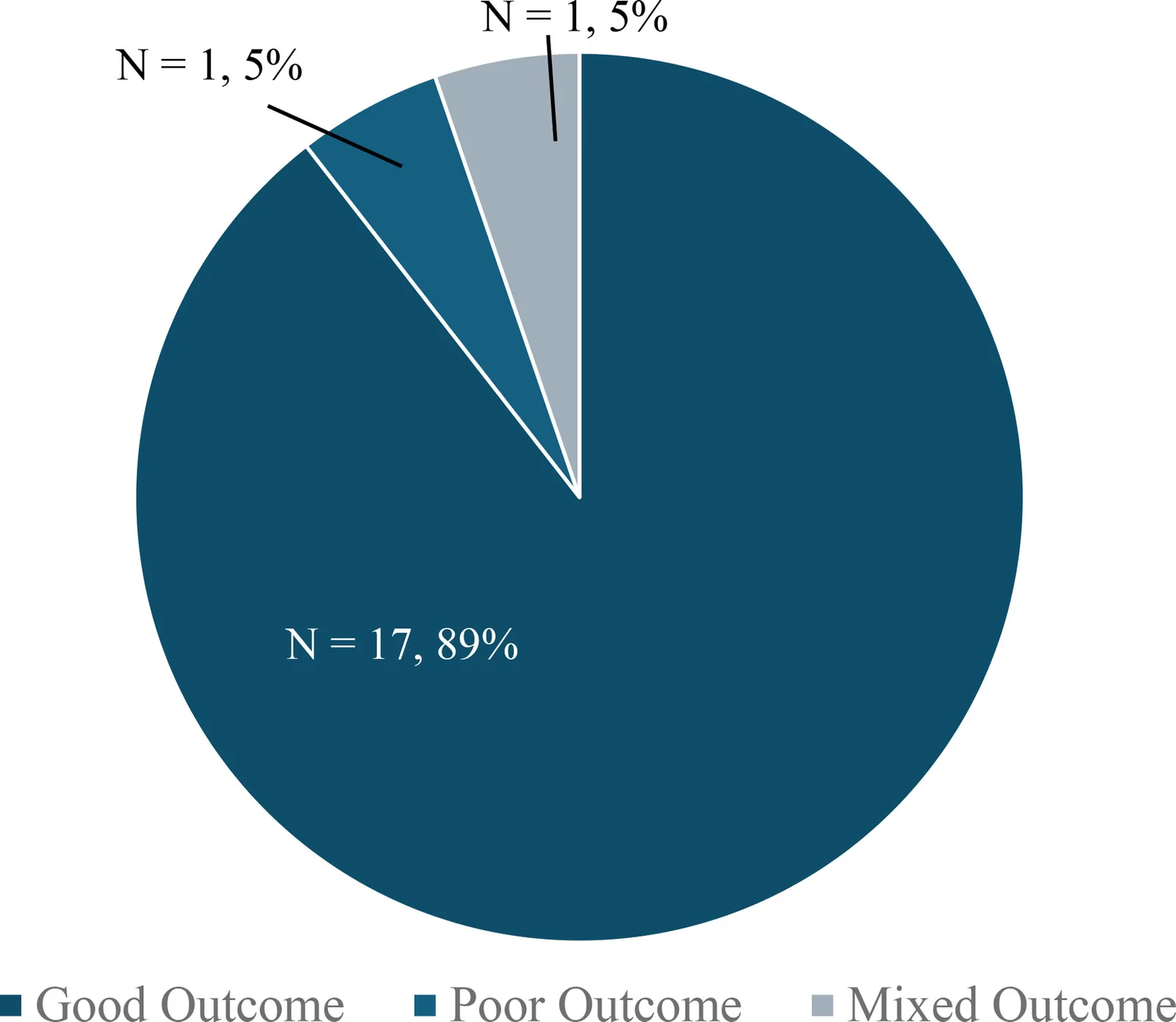
Fig. 5. Number of articles that reported that mental health issues were associated with good outcomes, poor outcomes, or mixed outcomes following RM.
Although chronic steroids were associated with wound complications and readmissions (n = 3), glucagon-like peptide-1 agonists (GLP-1s) (n = 2) and hormonal medications (n = 3) did not significantly affect outcomes. ( See table, Supplemental Digital Content 10 , which displays a table reporting all medication-related articles and relevant findings, https://links.lww.com/PRSGO/F208.) Although GLP-1 medications were initially thought to contribute to wound healing issues, the most recent RM cohort study demonstrated a closer relationship with nutritional deficiencies. 35 Safety was also demonstrated for patients taking oral contraceptive pills in a recent cohort study. 36 Hormonal replacement therapy decreased complication rates for postmenopausal patients. 37 Immunomodulatory medications were not studied in our articles, but guidelines have been provided by focused medical advisory boards. The decision to continue or hold these medications should be based on disease type, disease severity, drug mechanism, and procedure risk. 38 – 40
RM outcomes related to age were discussed in 47 total articles, 16 of which assessed old age, 25 assessed young age, and 7 discussed age broadly (Fig. 6 ). ( See table, Supplemental Digital Content 11 , which displays a table reporting all age-related articles and relevant findings, https://links.lww.com/PRSGO/F209.) There was no consistent age cutoff for “old age”; however, most studies used age 60 years as their age cutoff for statistical comparison. Of 16 articles assessing old age, 7 (44%) reported negative outcomes such as hematoma, infection, or longer admissions ( Supplemental Digital Content 11 , https://links.lww.com/PRSGO/F209; Fig. 6 ). Frailty scores of 2 (using the Modified Frailty Index) increased risk by almost 2-fold. 42 When age increased, even by a few years, risk also increased for adult patients. However, older patients had psychosocial and symptomatic improvement more significant than their younger counterparts.
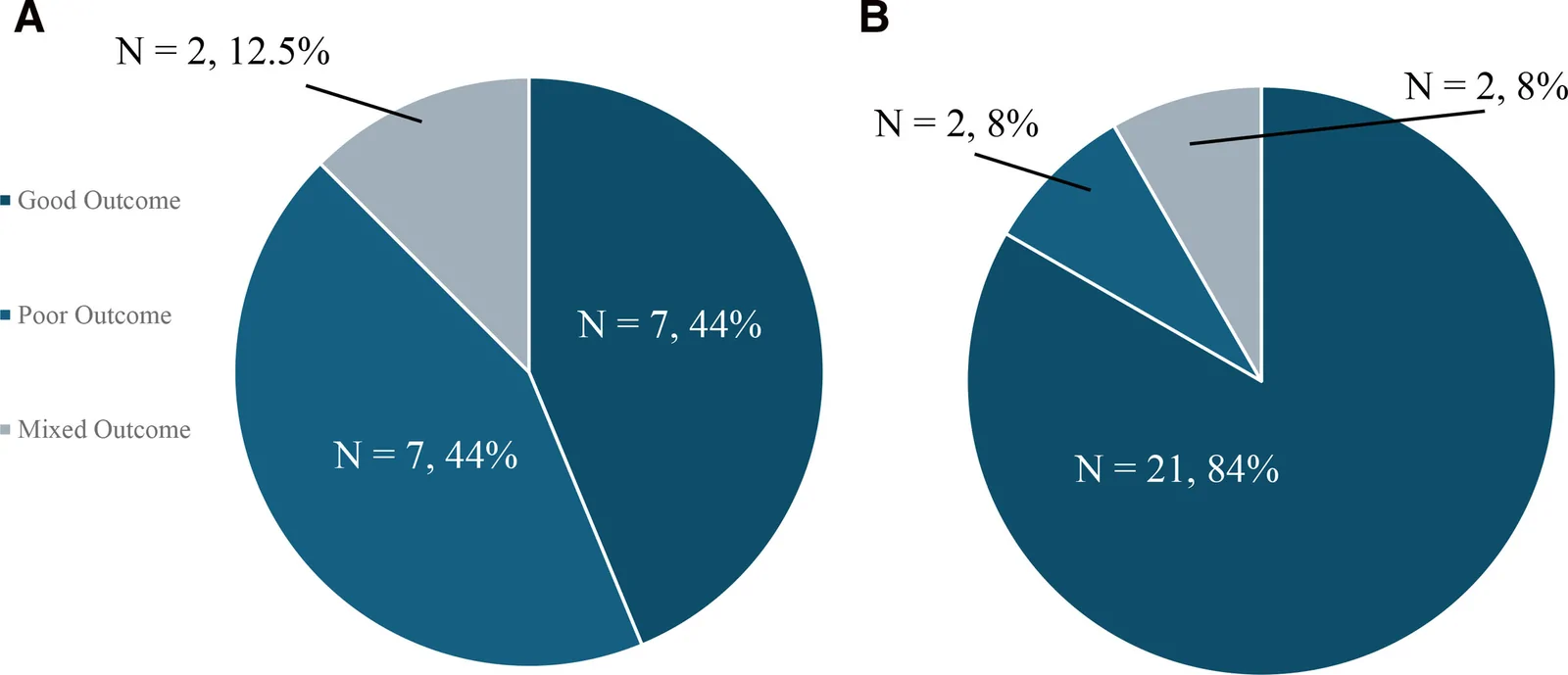
Fig. 6. Number of articles that reported that age was associated with good outcomes, poor outcomes, or mixed outcomes following RM. A, Old age. B, Young age.Young patients were typically categorized as patients between 12 and 20 years of age (n = 19), but some articles categorized patients younger than 40 years as young (n = 5). Young patients generally had good outcomes (n = 21, 84%), including improved symptoms, QOL, physical and mental well-being, satisfaction, breastfeeding success, and low complication rates. Cohorts included patients as young as 10 or 12 years of age in many studies. Obese adolescents had a higher risk of minor complications and breast regrowth when RM was performed soon after menarche. One study identified chronic pain as a risk for young patients.
Most articles demonstrated a negligible effect of RM on breastfeeding (n = 7, 56%). ( See table, Supplemental Digital Content 12 , which displays a table reporting all pregnancy-related articles and relevant findings, https://links.lww.com/PRSGO/F210.) Active breastfeeding near the time of surgery, however, was associated with wound complications in a case series. In patients who underwent RM before pregnancy, subsequent postpartum volume depletion was reported.
RM outcomes based on social factors were addressed in 8 articles. ( See table, Supplemental Digital Content 13 , which displays a table reporting all social and demographic factor–related articles and relevant findings, https://links.lww.com/PRSGO/F211.) Of the articles that evaluated race and ethnicity, more articles showed complications for White patients than Black patients (n = 4, 80% versus n = 1, 20%). 47 – 51 Native language had no effect on outcomes. 52 Payer-related outcomes showed that Medicaid patients had longer, more expensive hospital stays in one article, whereas another reported no effect. 49 , 51 Patients with low income (income below the zip code median) had longer hospital stays, 49 , 51 and complications were higher for nonmetropolitan counties. 51 Practicing religion lowered preoperative anxiety. 53
Adequate preoperative counseling had a strong relationship with postoperative satisfaction. 55 ( See table, Supplemental Digital Content 14 , which displays a table reporting all preoperative workup–related articles and relevant findings, https://links.lww.com/PRSGO/F212.)
Although physical therapy may be necessary for insurance, it showed no effect on RM outcomes, and current evidence suggests that it inadequately treats pain. In contrast to physical therapy, RM can resolve pain while correcting spinal pathology related to macromastia. 56 , 57 Preoperative mammograms should be ordered for patients who meet screening criteria. Despite a false-positive rate of 16%, there was a negligible effect on RM timing. 43
When surgical procedures were combined with RM, the complication risk increased in relation to the added procedure risk. When RM was combined with body procedures, there was a higher rate of venous thromboembolism, pulmonary dysfunction, infection, and longer hospital admissions (n = 4, 80%). ( See table, Supplemental Digital Content 15 , which displays a table reporting all combined surgery–related articles and relevant findings, https://links.lww.com/PRSGO/F213.) When liposuction was combined with RM, admission duration and rate of postdischarge complications increased (n = 1, 50%).
Within the 123 articles included in this scoping review, there were many patient characteristics that were reported to have an impact on RM outcomes. The following variables generally had a negative effect on RM outcomes: being overweight (BMI ≥ 25 kg/m 2 ), being malnourished (albumin < 3.5 g/dL), having diabetes (A1c > 7.4%), being deficient in vitamin D (<20 ng/mL), having cardiovascular or hematologic issues, having previously undergone bariatric surgery, active smoking/nicotine use, having low income (below the median income of an individual’s zip code), or using chronic steroids (Table 1 ). Most articles addressed the effects of BMI (n = 61, 50%), age (n = 55, 45%), or mental health (n = 19, 15%). Patients who underwent weight-loss prehabilitation programs and those who received adequate preoperative counseling had better RM outcomes.
Table 1. Notes Summary Table
| Risk Factor | Subtrait | Outcome | Key Points |
|---|---|---|---|
| Increased body weight | — | ↑ Increased risk | BMI 25–29.9 kg/m 2 (overweight) is lowest cutoff for increased risk |
| Metabolic syndrome | — | ↑ Increased risk | Risk of longer operative times; optimize diabetes and hypertension preoperatively |
| Bariatric surgery | Roux-en-Y | = No difference | Benefit from >60 kg weight loss before surgery; residual BMI ≥ 30 kg/m 2 alone does not increase risk |
| Postbiliopancreatic diversion | ↑ Increased risk | Increased rate of complications due to a higher risk of malabsorption and malnutrition | |
| Malnutrition | — | ↑ Increased risk | Albumin < 3.5 g/dL |
| Vitamin D deficiency | — | ↑ Increased risk | Routine preoperative screening and supplementation are essential for patients with prior weight loss |
| DM | — | ↑ Increased risk | Target HbA1c ≤ 7.4% |
| Smoking | — | ↑ Increased risk | 3–4 wk of abstinence recommended preoperatively |
| Mental health issues | — | ↓ Improved outcomes | Significant improvements in mental health conditions and eating disorders |
| Cardiovascular issues | Hypertension | ↑ Increased risk | Optimize BP preoperatively; well-controlled HTN not a contraindication |
| Cardiac disease | ↑ Increased risk | Requires cardiac clearance and optimization; monitor for fat necrosis and wound complications | |
| Hematologic issues | Anemia | ↑ increased risk | Increased risk if hemoglobin < 12.5 g/dL |
| Hereditary antithrombin deficiency | = No difference | Must be pretreated with antithrombin alfa | |
| HIV | — | = No difference | HIV-positive patients should have undetectable viral load and normal T-cell count |
| ASA class | — | ↑ Increased risk | If ASA class II or higher |
| Medications | Chronic steroids | ↑ Increased risk | If taking regular oral/parenteral corticosteroids within 30 d preoperatively; consider Vitamin A supplementation (25,000 IU daily preoperatively and for 4 d postoperatively) |
| GLP-1 agonists | ↑ Increased risk | Can be used safely with proper nutritional optimization and preoperative assessment | |
| Oral contraceptives | = No difference | Can be used safely without concern for increased complications | |
| Hormone replacement | ↓ Improved outcomes | In postmenopausal patients | |
| Age Factors | Old age | ↑ Increased risk | Generally >60 y |
| Young age | = No difference | Generally <20 y | |
| Before childbearing | = No difference | Breastfeeding not affected | |
| Soon after childbearing | ↑ Increased risk | May experience complications from galactorrhea or volume loss | |
| Social factors | Minority race | ? Mixed findings | Black, White, and Asian patients have each been shown to have increased risk compared with other groups but inconsistently in the literature |
| Non–English speaking | = No difference | Limited English proficiency with professional interpreter use not associated with complications or poor follow-up rates | |
| Medicaid payer | ? Mixed findings | Pediatric study: associated with longer stays and higher charges; adult study: no association with complications or extended stay. May reflect access and social determinants rather than direct surgical risk | |
| Low income | ↑ Increased risk | First/second income quartile associated with extended hospital stay and higher charges; not associated with complications | |
| Religious | ↓ Improved outcomes | Patients engaging in religious/worship practices experienced lower preoperative anxiety levels | |
| Rural location | ↑ Increased risk | Treatment in nonmetropolitan or rural counties independently associated with postoperative complications | |
| Preoperative considerations | PT | = No difference | 94.4% of patients reported no relief from PT; pain scores unchanged after PT but dropped significantly after surgery |
| Mammogram | = No difference | 16% false-positive rate but did not significantly delay surgery or alter surgical decisions | |
| Adequate preoperative information | ↓ Improved outcomes | Significant independent predictor of patient satisfaction; linear association found between satisfaction and preoperative information provided | |
| Combined procedures | Body procedures | ↑ Increased risk | Most studies show increased complications: 4.60% combined versus 1.58% alone; extended hospital stay 20% versus 6.2%. Complications include VTE, infection, pulmonary dysfunction. Two studies found no difference |
| Liposuction | ? Mixed findings | One study showed no increased complications; another showed increased extended hospital stay (20% versus 6.2%) and postdischarge complications (9.2% versus 6.1%). Evidence less clear than body contouring procedures |
In this review, many comorbidities were identified, which, if improved preoperatively, would decrease RM surgical risks, but only 1 article was identified that directly studied the outcome of a prehabilitation intervention on medical comorbidities. Geiker et al 9 evaluated the effects of a weight loss–focused prehabilitation program before RM, which was very successful, reporting a median weight loss of 10.2 kg per patient. Considering the risks associated with obesity, this intervention likely improved overall RM outcomes. The sparse amount of RM prehabilitation literature contrasts with the numerous prehabilitation programs used for cardiovascular, oncological, general, and orthopedic surgery. Patients undergoing these types of surgery often stand to gain the most from surgery despite typically having more comorbidities than the general population, thus prehabilitation is crucial. 61 , 62 Although it is simpler to consider only healthy individuals as RM candidates, RM is a functional surgery and is the only effective option for treating macromastia-related pain and infections and improving QOL. 63 , 64 Prehabilitation programs can be used to widen the scope of RM candidacy. For patients desiring to understand their own risks and identify potential prehabilitation options, a surgical checklist is provided. More evidence-based research is needed on the effects of prehabilitation, specifically on RM outcomes.
Many of this study’s limitations are innate to its structure as a review. Included data were limited to those available in published articles. Additionally, articles reported data with considerable variability, preventing the establishment of definitive recommendations or cutoffs that would lower RM risks. Although these limitations may have contributed to selection bias, 123 publications were included, which helps mitigate this issue.
RM can be beneficial for patients of all ages, significantly improving QOL more than nonsurgical interventions. Comorbidities that may increase RM risks include being overweight or malnourished, having diabetes, being vitamin D deficient, being an active nicotine or steroid user, having cardiovascular or hematologic issues, having previously undergone bariatric surgery, or living in a low-income household. Most medical comorbidities should not preclude patients from undergoing RM, but optimizing these comorbidities before surgery through prehabilitation is essential to achieve optimal surgical outcomes. Further research is needed to provide standardized evidence-based guidelines for RM prehabilitation.
Dr. Jeffrey Janis receives royalties from Thieme Medical Publishers and Springer Publishing. The other authors have no financial interests to declare in relation to the content in this article.
声明:中文精读 · 仅供学术参考。内容来自公开文献检索,不代表本人观点,不构成诊疗建议。 医疗美容需在正规医疗机构由执业医师实施。
基于相同主题推荐 · 继续深挖
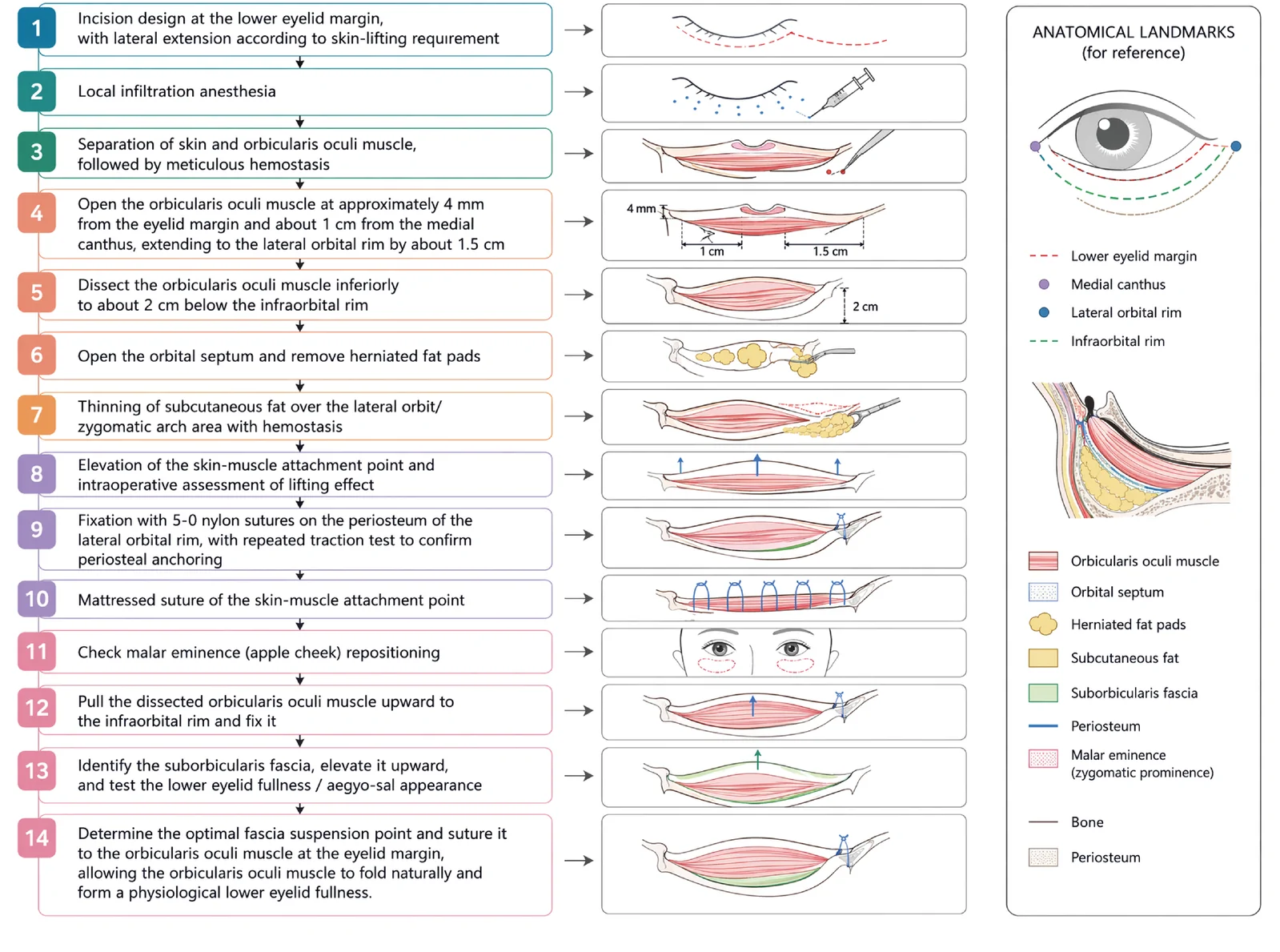
V3中面部提升经睫毛下切口,沿内眦线、外眦线、颧脂肪垫下界三个向量悬吊,可同时改善中面部下垂、下睑袋及睑颊轮廓不连续。
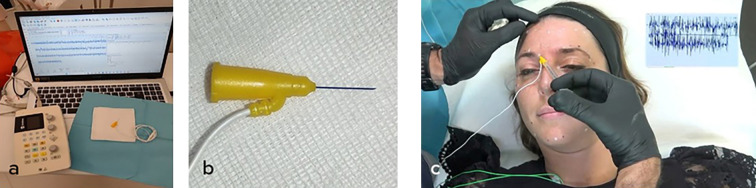
由6名意大利多学科专家(皮肤科、整形外科、神经科)基于文献回顾(PubMed 1973–2025)与临床经验形成的专家共识,针对incobotulinumtoxin A(Bocou
回顾性队列研究(循证等级IV),50例轴向偏曲(C形28例、反C形22例)歪鼻患者,由单一术者于2021至2023年行开放鼻整形,平均随访2年(1至3年)。