口服胶原肽对人体皮肤生物物理特性的影响:叙述性综述
2026年10月17日52 min read
Clinical, Cosmetic and Investigational Dermatology
Clinical, Cosmetic and Investigational Dermatology
结论与实践要点
本文为一篇叙述性综述,系统检索PubMed与Google Scholar(截至2025年10月)中关于口服胶原肽的人体文献,围绕角质层水合、表皮屏障(经皮失水)、皮肤弹性、紧实度与皱纹等生物物理特性进行归纳,并探讨其潜在机制(上调角质形成细胞分化、表皮脂质与透明质酸合成,促进成纤维细胞增殖及胶原合成,抑制炎症与基质金属蛋白酶)。
对临床与求美者管理的指导意义在于:口服胶原肽作为全身性、使用便捷的生活方式干预,可作为皮肤抗衰的基础辅助手段,尤其适合希望改善干燥、弹性下降与细小皱纹、但又不愿或暂不适合接受有创/能量治疗的人群;常与维生素C、透明质酸、抗氧化剂等联用以协同增效。需注意不同来源(牛、猪、鱼、蛋壳膜等)与剂型(液态较片剂更易吸收)、剂量(常见2.5–10 g/日)差异较大,临床建议结合个体年龄、皮肤状态与耐受性个体化选择,并强调需配合防晒、均衡饮食与规律作息方能获得更稳定收益。
局限性:叙述性综述本身证据等级低于系统评价/Meta分析;所纳入研究在剂量、肽来源、受试者特征与方案上异质性显著,且多样本量偏小、随访较短;仅纳入英文文献与两个数据库,存在发表偏倚风险。因此尚不能就某一来源或类型的优劣下结论,未来仍需设计严谨、头对头比较的随机对照研究加以验证。
The skin not only provides protection and sensory functions for the body, but healthy skin also enhances self-esteem. Moreover, altered cutaneous function contributes to the development of extracutaneous disorders. Therefore, great efforts have been made to identify agents and natural ingredients that are safe and effective to improve cutaneous function. In this narrative review, we searched PubMed and Google Scholar for literature on the effects of collagen peptides on skin biophysical properties. Studies have demonstrated that oral peptide improves several cutaneous functions, including stratum corneum hydration, epidermal permeability barrier, elasticity, firmness and roughness, in part via upregulation of keratinocyte differentiation, epidermal lipid synthesis, hyaluronic acid and collagen synthesis, and inhibition of inflammation, in addition to stimulation of fibroblast proliferation and aquaporin 3 expression. However, the heterogeneity among the included studies and their limited sample sizes preclude firm conclusions regarding the benefits of oral collagen peptides for cutaneous biophysical properties. Further research is needed to assess the efficacy of different collagen peptide sources and types across individual skin biophysical outcomes.
Keywords: collagen peptide、skin barrier、stratum corneum hydration、skin aging、wrinkle、elasticity
Cutaneous function not only dominates the cosmetic appearance but also influences cutaneous and extracutaneous conditions. Previous studies demonstrated that disruption of epidermal permeability barrier function stimulates epidermal proliferation, cytokine production, inflammatory cell infiltration and T cell proliferation, in addition to increase epidermal lipid synthesis and lamellar body secretion. 1–3 Moreover, acute disruption of epidermal permeability barrier function increases expression levels of mRNA for proinflammatory cytokines in the skin and serum levels of proinflammatory cytokines in mice. 4 Furthermore, low humidity decreases stratum corneum hydration levels, 5 resulting in increased inflammatory infiltration and expression levels of proinflammatory cytokines in the skin. 6–8 Importantly, stratum corneum hydration levels correlate negatively with serum cytokine levels in humans. 9 This line of evidence suggests the contribution of epidermal dysfunction, including reduced stratum corneum hydration levels, to systemic inflammation, leading to the development of some systemic disorders. 10 Additionally, healthy, beautiful skin increases self-esteem and social interaction. Some skin conditions such as wrinkles can affect the appearance of the skin and adversely impact mental health. Maintenance of a healthy and beautiful skin benefits overall well-being. 11 Because of the pivotal role of skin condition on overall health, scientists are devoted to identifying agents, including natural ingredients, that can improve cutaneous function.
Many natural ingredients, including glycerol, hyaluronic acid, ceramides and peptide, are effective in improving cutaneous functions. For instance, both glycerol and hyaluronic acid are effective for moisturizing the skin. 12 , 13 Although negative results have been reported, 14 studies have shown improvement of stratum corneum by either topical or oral administration of ceramides. 15–17 Recently, the beneficial effects of edible ingredients on cutaneous function have attracted attention because of their superior efficacy and safety. 18 , 19 Among the edible ingredients, peptide, derived from protein, is demonstrating multiple benefits for cutaneous function.
A peptide is a molecule containing two or more amino acids. According to the length of the chain, peptides can be classified into short-chain and long-chain peptides. The former, also termed “oligopeptides”, usually have fewer than 20 amino acids, including dipeptides (2 amino acids), tripeptides, 3 and tetrapeptides, 4 while long-chain peptides are polypeptides, containing more than 20 amino acids. Orally ingested collagen is digested and hydrolyzed to peptides and amino acids in the gut, and is subsequently absorbed into the circulation. 20 In rats, the serum levels of di- and tri-peptides reached as high as 105 nM/mL two hours after intragastric administration of collagen hydrolysate. 21 In humans, the absorption rate for tripeptide of glycine, L-proline and 3-hydroxy-L-proline (Gly-Pro-Hyp) is lower than that for prolylhydroxyproline (Pro-Hyp) (0.663 ± 0.022 nmol/mL·h vs 163 ± 1 nmol/mL·h) following oral ingestion of 25 g of fish gelatin hydrolysate. 22 14C-labelled Pro-Hyp and Pro can be observed in the rat skin 30 min after oral administration of [ 14 C]Pro-Hyp. 23 Hence, either collagens or peptides have been used to study their influence on cutaneous function.
In comparison to topical application, oral intake of collagen peptides can be distributed to whole body and more convenient to use. Therefore, this narrative review focuses on the benefits of oral collagen peptides and their combination with other ingredients in the skin. Relevant literature was searched on PubMed and Google Scholar from inception to October 2025. The search terms included “hydration”, “transepidermal water loss”, “elasticity”, “firmness”, “wrinkle”, “peptide”, and “collagen”. The inclusion criteria comprised peer-reviewed publications involving oral collagen or peptides in humans, with full texts available in English. The exclusion criteria included studies not published in English or not peer-reviewed, collagen/peptides that were not orally administered, and studies not conducted in humans. All articles were first assessed based on their titles and abstracts, and then the full texts were reviewed. Thus, this narrative review summarizes the evidence from the relevant literature regarding the regulatory role of oral collagen peptides in cutaneous biophysical properties 24–71 ( Table 1 ) and the underlying mechanisms.
Table 1 Influence of Oral Collagen Peptide on Skin Biophysical Properties
| Source of Peptide | Study Type | Formulation | Methods | Outcome | Ref. |
|---|---|---|---|---|---|
| Bovine skin type I collagen | Double-blind, randomized, placebo-controlled study | Powder | 85 women, aged 45–60 years, orally took either 2.5 g of Col-OP supplementation (n = 42) or placebo (n = 43) once daily for 84 days.Skin hydration, and firmness and elasticity were measured with Corneometer ® and Cutometer ® MPA 580, respectively. | No significant difference in hydration between the 2 groups;CP significantly increased both firmness and elasticity (p < 0.001 for both). | [ 24 ] |
| Bovine skin | Double-blind, randomized, placebo-controlled study | NS | 112 females, aged 35–60 years, orally received either 10 g peptide (n = 57); or placebo (n = 55) daily for eight weeks.Skin elasticity, hydration, and roughness measurements were measured with a Callegari Soft-Plus device. | CP increased elasticity at the end of the study ( p = 0.017) and 4 weeks after the end of the study (p = 0.027):CP increased skin hydration ( p < 0.001) at the end of the study;CP decreased skin roughness elasticity at the end of the study and 4 weeks after the end of the study ( p < 0.001). | [ 25 ] |
| Porcine type I collagen | Double-blind, randomized, placebo-controlled study | Tablet | Fifty-seven women, aged 45–65 years, ingested 2.5 g of BCP daily 8 weeks, while 57 women taking placebo served as controls.Primos ® Compact was used to measure the wrinkles. | CP reduced eye wrinkle volume by 20% (p < 0.05) in addition to increase procollagen type I (65%) and elastin (18%). | [ 26 ] |
| Bovine type I collagen | Double-blind, randomized, placebo-controlled study | Tablet | Sixty-six women (aged 35–55) orally took either 2.5 g of bovine-derived bioactive collagen peptides (n = 33) or a placebo (n = 33) daily for 8 weeks.Primos ® Compact was used to measure the wrinkles; Skin hydration, and elasticity were measured with Corneometer ® and Cutometer ® MPA 580, respectively. | CP reduced eye wrinkle volume (25%);CP increased hydration (26%) | [ 27 ] |
| Bovine | Double-blind, randomized, placebo-controlled study | Liquid drink | Women aged 40–65 years drank 15 mL of either product A (collagen 5 g, hyaluronic acid 30 mg, vitamin C 80 mg) (n = 28) or product B (collagen 5 g, vitamin C: 80 mg) (n = 30); or placebo (n = 29) daily for 16 weeks.Density and Thickness were measured with DermaLab Series SkinLab Combo 20 MHz ultrasound probe;Skin Viscoelasticity was measured with DermaLab Series SkinLab Combo elasticity probe; Skin Hydration was measured with DermaLab Series SkinLab Combo hydration flat probe;Skin Roughness was measured with an Antera 3D CS | Compared to placebo, both products A and B improved skin density, roughness and wrinkles at both 8 and 16 weeks;No significant changes in skin thickness, viscoelasticity, and hydration. | [ 28 ] |
| Bovin collagen I and III. | Double-blind, randomized, placebo-controlled study | Tablet | Women aged 30–64 years with signs of skin aging received active tablet (α-Lipoic acid, vitamin (B3, B5, C and E), tomato extract, pine bark extract, soya extract, xinc) or placebo twice-daily for 6 months. N = 20 per group.Skin thickness and elasticity were measured with Dermascan A ® and Dermaflex ® instruments, respectively | Compared to placebo,Improved global aging symptoms (p < 0.05);Increased skin elasticity and thickness (p < 0.05); | [ 29 ] |
| Bovine types I and III collagen | Observational study | Tablet | 116 women aged 45–65 years ingested 3 tablets (total daily doses of 2.5 g collagen peptide, 120 mg hyaluronic acid, vitamins A, C, D and E, minerals zinc and selenium) daily for 12 weeks.Skin elasticity was measured using a Cutometer ® ;Investigator assessed smoothness and firmness. | Decreased global wrinkle grading score at 1, 2, and 3 months were 24%, 71% and 84%, respectively (p < 0.0001 for all);Improvement in skin firmness at 1, 2, and 3 months were 56%, 90% and 99%, respectively (p < 0.0001 for all);Improvement skin smoothness at 1, 2, and 3 months were 87%, 100% and 100%, respectively (p < 0.0001 for all); | [ 30 ] |
| Bovine skin | Randomized, placebo-controlled study | Liquid drink | Women aged 35–73 years daily drank either a mix of 2.5 g collagen peptides, 666 mg acerola fruit extract, 80 mg vitamin C, 3 mg zinc, 50 µg biotin, and 2.3 mg vitamin E or placebo for 12 weeks. N = 36 per group.Using Corneometry to measure skin hydration, cutometry for elasticity, while silicon skin replicas with optical 3D phase-shift rapid in-vivo measurements were used to assess (PRIMOS)(roughness). And skin density was measured with skin sonography. | CP increased hydration (28% vs 9% in placebo, p < 0.001), elasticity (p < 0.001 vs placebo), and skin density (p < 0.001 vs placebo);CP improved skin roughness (p < 0.001 vs placebo). | [ 31 ] |
| Type I collagen of bovine and porcine | Randomized, placebo-controlled study | NS | Women, aged 60–93 years, with Dermatoporosis ingested either 5 g peptides or placebo daily for 6 months.Cutometry was used to measure elasticity; DermaScan-C was used to measure skin thickness. | No Changes in dermal elasticity, thickness and echogenicity | [ 32 ] |
| Porcine type I collagen | Double-blind, randomized, placebo-controlled study | Tablet | Women, aged 33–55 years, ingested either 2.5 or 5.0 g of CH or 2.5 g of the placebo daily for 8 weeks (n = 23 per group).Hydration and TEWL were measured with Corneometer ® CM 825 and the DermaLab ® , respectively; Skin elasticity and roughness were measured with the DermaLab ® and PRIMOS Compact, respectively. | Compared to placebo, CP increased elasticity by 7% (p < 0.05) (no significant difference between 2.5 and 5 g group);No significant differences in hydration, TEWL and skin roughness. | [ 33 ] |
| Porcine skin | Double-blind, randomized, placebo-controlled study | Powder | Females, aged 43–65 years, orally received either 5g peptides (n = 42) or placebo (n = 42) daily, for 12 weeks.Density was measured with DUB ® SkinScanner; Elasticity was assessed using standardized clinical scoring through visual and tactile assessment on a scale of 0 (none) to 9 (very high). Scoring was performed by a Dermatologist Investigator using Evalux Bench ® (Orion concept) with a long-life and calibrated lighting (leds—6500°K); Wrinkles were assessed using photographs taken with the COSDERMA Photo Bench (Bordeaux, France) and analyzed by Newtone Technologies. | CP increased dermal density by 6.3% (p < 0.05 vs baseline), and elasticity by 19% (p = 0.001 vs placebo);CP decreased wrinkle depth by 5.04% on day 28 (p < 0.001 vs baseline). | [ 34 ] |
| Porcine | Double-blind, randomized, placebo-controlled study | NS | Participants, aged 25–63 years, ingested 5 g of collagen peptide from porcine (n = 12) or placebo (n = 13) daily for 3 months.Both pigmentation and redness were assessed on the facial images taken with a Robo Skin Analyzer RSA50SII | CP decreased pigmented patches;CP decreased redness. (p < 0.05 vs baseline for all). | [ 35 ] |
| Fish or porcine | Double-blind, randomized, placebo-controlled study | Powder | Thirty-three women, aged 40–59 years, orally took 10 g placebo (n = 11) or 10 g peptides (fish or porcine origin, 11 cases each) daily for 56 days.Hydration and TEWL were measured with Corneometer ® and Tewameter devices, respectively. | Fish and porcine CPs increased hydration by 12% and 28%, respectively, with no significant changes in TEWL. | [ 36 ] |
| Fish | Double-blind, randomized, placebo-controlled study | Powder | Women, aged 40–65 years, orally took 10 g placebo (n = 48) or 10 g peptides (n = 51) daily for 12 weeks.Collagen density of the dermis was measured by a Dermcup ® device. | CP induced 8.83% increase in the dermal echogenicity (collagen density) (p = 0.007 vs placebo) | [ 36 ] |
| Eggshell membrane | Observational study | Tablet | Two males and five females, 38 to 60 years, orally took 300 mg of Ovoderm ® daily for five weeks.No placebo control.Hydration, TEWL and elasticity were measured with a multifunctionalskin analyzer MSD800. | No significant changes in hydration, TEWL and pigmentation;Significant increase in elasticity (12%). | [ 37 ] |
| Chicken sternal cartilage | Double-blind, randomized, placebo-controlled study | Capsule | Females, aged 39–59 years, orally received either 500 mg BioCell Collagen, containing hydrolyzed collagen type-II (≥300 mg), chondroitin sulfate (≥100 mg), hyaluronic acid (≥50 mg) (n = 58) or placebo (n = 55) daily, for 12 weeks.Hydration and TEWL were measured with a MoistureMeterSC and a VapoMeter, respectively; Elasticity was measured with a Cutometer MPA 580; Collagen content was measured using a Cosmetrics SIAscope; A Clarity 2D Research Systems Ti was used to analysis of wrinkles on photograph. | Compared to the placebo, intake of CP significantly reduced facial lines and wrinkles (P = 0.019), and crow’s feet lines and wrinkles (P = 0.05), and increased skin elasticity (P = 0.008) and cutaneous collagen content (P < 0.001) by 12%.No difference in skin surface water content or TEWL. | [ 38 ] |
| Unknown origin | Double-blind, randomized, placebo-controlled study | NS | Women aged 40–50 years ingested 10 g of test product (9 g di-and tripeptides, vitamins A (600 µg), C (45 mg), E (10 mg), and zinc (7,0 mg) daily for 90 days. The placebo, 10 g of maltodextrin, used as control product.Hydration and elasticity were measured with a Corneometer ® and Cutometer ® SEM 575 respectively; The dermal echogenicity was measured with Dermascan ® C. | CP significantly increased hydration, skin elasticity, and decreased dermal echogenicity. | [ 39 ] |
| Fish gelatin | Double-blind, randomized, placebo-controlled study | Powder | Females, aged 35–55 years, orally took either a collagen hydrolysate with a low (n = 28) or high ratio (n = 26) of dipeptide-to-product content, or placebo (n = 26) at a daily dose of 5 g for 8 weeks.Hydration and elasticity were measured with a Corneometer ® and Cutometer ® SEM 575 respectively; Wrinkles were assessed using a VisioFace SSA | Both CPs increased hydration and elasticity.CP with a higher ratio of dipeptide-to-product increased elasticity by 5.8% on the cheek and 8.9% on the canthus;CP with a higher ratio of dipeptide-to-product increased hydration by 31% on the cheek and 21% on the canthus;(p < 0.05 collagen vs placebo, and between collagen with a higher ratio of dipeptide-to-product vs a lower ratio of dipeptide-to-product.Deceased number and depth of wrinkles (p < 0.05) | [ 40 ] |
| The skin of wild-caught tuna | Double-blind, randomized, placebo-controlled study | Powder | Women, aged 40–60 years, orally received either tuna collagen peptides (n = 36) or a placebo (n = 36) orally took 5 g of 99.5% collagen for 8 weeksHydration and TEWL were measured with a MoistureMeter SC and a VapoMeter, respectively. Elasticity was measured using a Dermalab ® Combo elasticity probe. | Compared to placebo,CP increased hydration on the face and forearm (p < 0.0001) even 2 weeks after discontinuation of intake collagen, and increased elasticity on the face and forearm (p < 0.0001, without significant difference 2 weeks after discontinuation of intake collagen;No significant differences in TEWL. | [ 41 ] |
| Fish Scales | Double-blind, randomized, placebo-controlled study | Powder | Participants, aged 35–60 years, ingested 2.5 g product containing 200 mg of peptide (n = 45) or placebo (n = 42) for 12 weeks.Wrinkles were measured using a PRIMOS CR device; Hydration and elasticity were measured with Corneometer ® and Cutometer ® , respectively; A MAX18 was used to measure erythema/melanin. | Compared to placebo, intake of peptidedecreased skin wrinkles (p < 0.0001), increased hydration on the forehead and forearm, and elasticity on the cheek ( p < 0.0001), while decreasing erythema and melanin indices (p < 0.0001). | [ 42 ] |
| Fish skin | Double-blind, randomized, placebo-controlled study | Liquid drink | Women, aged 40–60 years, ingested either 1000 mg of collagen peptide (n = 26) or placebo (n = 27) daily for 12 weeks.Hydration and elasticity were measured with a Corneometer ® and a Cutometer ® , respectively; Wrinkles were assessed with a Visiometer. | Compared to placebo, intake of peptide significantly increased hydration on the cheek (p = 0.003) and overall elasticity (p = 0.025), anddecreased wrinkles on the crow’s-feet area (p = 0.013); | [ 43 ] |
| Fish skin | Double-blind, randomized, placebo-controlled study | Participants, aged 40–60 years, ingested either 1000 mg of collagen peptide (n = 41) or placebo (n = 39) twice-daily for 12 weeks.Hydration and elasticity were measured with a Corneometer ® , while dermal density and skin thickness were assessed using a Dermascan-C. | Compared to placebo, intake of peptide increased hydration, dermal density and skin thickness (p < 0.001 for all). | [ 44 ] | |
| Fish skin | Double-blind, randomized, placebo-controlled study | Capsules | Women, aged 40–60 years, ingested either 1000 mg of collagen tripeptide (n = 36) or placebo (n = 38) daily for 12 weeks.TEWL and hydration were measured using a Tewameter TM300 and Corneometer ® CM 825, respectively; Elasticity and wrinkle were assessed using a cutometer and a visiometer, respectively. | Compared to placebo, CP decreased TEWL (p < 0.05);No significant differences in hydration, elasticity, and wrinkles | [ 45 ] |
| Fish scales | Double-blind, randomized, placebo-controlled study | Tablet | Women, aged 30–60 years, orally took either 1650 mg of collagen dipeptide (n = 54) or placebo (n = 46) daily for 12 weeks.Hydration was measured using a Corneometer ® CM 825; Desquamation was analyzed using a SquameScan ® 850; Wrinkles were assessed using a PRIMOS ® lite, and elasticity was measured with a Ballistometer BLS780. | Compared to placebo, intake of peptide increased hydration (p = 0.000) and elasticity (p < 0.05), but decreased desquamation (p < 0.05) and wrinkles (p < 0.05). | [ 46 ] |
| Fish scales | Double-blind, randomized, placebo-controlled study | Liquid drink | Women, aged 35–60 years, orally took either 1 g of collagen peptide (n = 24) or placebo (n = 20) daily for 12 weeks.TEWL and hydration were measured using a vapometer and MoistureMeter D Compact, respectively; Skin roughness was assessed using the PRIMOS CR Small Field | CP increased hydration (7.3% vs 2.83%, p < 0.05) and total ceramide content (79.17% vs 45%, p = 0.018);Decreased skin roughness (4.1% vs 1.2%, p < 0.05) and TEWL (9.4% vs 2.58%, NS);Increased 2-pyrrolidone-5-carboxylic acid (PCA) and trans-UCA, total NMF in the stratum corneum. | [ 47 ] |
| Fish | Triple-blind, randomized, placebo-controlled study | Powder | Females, aged 45–60 years, orally received either 10 g peptide (n = 17); or placebo (n = 19) daily for 12 weeks.Elasticity was measured using the Cutometer ® dual MPA 580; Wrinkles were assessed using the 6th Generation VISIA skin analysis system; Participants self-reported their skin hydration, elasticity and firmness. | Compared to placebo, CP did not significantly change elasticity, hydration, and firmness;For individuals, aged 45 and 54 years, CP increased skin elasticity on the cheek by 20% at week 6 ( P = 0.032) and 10% at week 12 ( P = 0.027);24% reduction in wrinkle score (p < 0.05) | [ 48 ] |
| Fish scales and skin | Double-blind, randomized, placebo-controlled study | Powder | Post-menopausal women (50–60 years old) ingested either 5 g peptide (n = 17) or placebo (n = 19) daily for 4 weeks.Elasticity was measured using the Cutometer ® . | Compared to placebo, CP increased elasticity on the cheeks ( p < 0.01), but not the forearm; After 4 weeks of discontinuation of peptide intake, skin elasticity was still higher (p < 0.01). | [ 49 ] |
| Fish Scales | Double-blind, randomized, placebo-controlled study | Liquid drink | Participants, aged 31–48 years, ingested either 10 g of fish-derived collagen peptide (n = 10) or placebo (n = 11) daily for 8 weeks.Elasticity was measured using the Cutometer ® ; Hydration and TEWL were measured using a Corneometer ® and VAPO SCAN AS-VT100RS, respectively; Pore number was evaluated by VISIA Evolution. | Compared to placebo, CP increased elasticity (p < 0.05) and plasma insulin-Like Growth Factor-1 (IGF-1) Levels, while decreasing TEWL (p < 0.05) and pore number (p < 0.01). No significant change in hydration | [ 50 ] |
| Fish Cartilage | Double-blind, randomized, placebo-controlled study | Capsule | Participants, aged 45–59 years, ingested either 500 mg of peptide (n = 21) or placebo (n = 22) daily for 90 days.A reflectance confocal microscope was used to measured stratum corneum thickness and dermal density. The Visioface ® digital photography imaging system was used to assess wrinkle score. | Peptide increased stratum corneum thickness (p < 0.05) and dermal density (p < 0.05);Decreased nasolabial and periorbital winkle scores (p < 0.05). | [ 51 ] |
| Chicken sternal cartilage | Observational study | Capsule | Twenty-six females, aged 35–59 years, ingested hydrolyzed collagen (600 mg) daily for 12 weeks.The NOVA meter is used to measure the hydration level of the stratum corneum; Visual Analog Scale was used to assess wrinkles. | CP induced 29% reduction in global lines/wrinkles, 30% reduction in Crow’s feet (p <0.001 for both) and dryness/scaling by 68% (p < 0.05); Increased dermal hemoglobin by 15.0% ( P = 0.008). | [ 52 ] |
| Fish Scales | Observational study | Disintegrating film | A collagen film (120 mg collagen) was applied to the lateral buccal mucosa of women aged 20–60 years daily before bed for 12 weeks (n = 22).Wrinkles were measured with Antera 3D CS; Skin density and elasticity were measured using Ultrascan UC22 and Cutometer ® , respectively. | CP induced 21% reduction in periorbital wrinkle depth, 26% reduction in number of wrinkles, 9% increase in skin density, and 14% increase in skin elasticity (p < 0.05 vs baseline for all). | [ 53 ] |
| Fish skin | Double-blind, randomized, placebo-controlled study | Liquid drink | Women, aged 35–60 years, ingested 1000 mg of peptide (n = 41) or placebo (n = 37) daily for 12 weeks.Elasticity was measured using a Cutometer ® ; skin roughness wan measured using the PRIMOS 3-dimensional skin imaging system, while hydration was measured using a Corneometer ® ; Crow’s-feet visual score was assessed using a global photodamage scoring system. | CP increased hydration and elasticity at both 6 and 12 weeks (p < 0.001 vs placebo), and reducedCrow’s-feet visual score at 12 weeks (p < 0.01 vs placebo).CP improved skin roughness at 12 weeks (p < 0.05 vs placebo). | [ 54 ] |
| Fish Scales | Double-blind, randomized, placebo-controlled study | Tablet | Individuals, aged 35–65 years, with periorbital wrinkles were enrolled in the study. They ingested either 1000 mg of peptide (n = 43) or placebo (n = 41) for 12 weeks.Hydration, TEWL and elasticity were measured using Corneometer ® , TM300 and Cutometer ® , respectively; Wrinkle volume was assessed with the PRIMOS system; wrinkle scores were assessed by investigators based on the digital photographs. | Compared to placebo, CP improved wrinkle scores (p < 0.01) and wrinkle volume (p < 0.001), increased elasticity (p < 0.05), and decreased TEWL (p < 0.01).No significant difference in hydration | [ 55 ] |
| Fish | Observational study | Liquid drink | Thirty-four women aged 35–45 years drank placebo for 30 days, followed by a product containing 5 g collagen and antioxidant blend (extracts of tomato, grape seed, green tea, vitamin C and E)] for 60 days.3D imaging was used to assess the skin roughness, pore and wrinkles; Melanin was evaluated by colorimetric measurement; Hydration was measured with a MoistureMeter SC Compact device; TEWL was measured by the VapoMeter; Elasticity was measured using Corneometer ® . | Collagen containing product decreased roughness, wrinkle width and skin pores at both 30 days (p < 0.05) and 60 days (p < 0.01), and melanin index at both 30 days and 60 days (p < 0.05);Increased hydration and decreased TEWL at 60 days (p < 0.05);Increased firmness at both 30 days (p < 0.01) and 60 days (p < 0.05), and elasticity at 30 days (p < 0.05). | [ 56 ] |
| Fish | Double-blind, randomized, placebo-controlled study | Liquid drink | Women aged 35–50 years orally took 50 g drink (11% collagen and 2% Djulis extract) daily for 8 weeks. Placebo was used as control. N = 25 per group.Chroma Meter MM500 was used to measure skin brightness; Corneometer ® was used to measure hydration; Soft Plus was used to measure Crow’s feet; Skin VISIA ® Complexion Analysis was used to assess skin texture, wrinkles, skin spot and skin pore; Collagen content was measured using SkinLab Combo. | Only CP drink, but not placebo, increased skin brightness, hydration, and decreased Crow’s feet (p < 0.001).Collagen content increased by 22% (p < 0.01)No significant changes in texture, wrinkle, pore and pigment spots. | [ 57 ] |
| Fish | Double-blind, randomized, placebo-controlled study | Liquid drink | Participants with mean age of 43 years drank 50 mL of either supplement (4000 mg hydrolyzed collagen, vitamins, antioxidants, L-carnitine, glucosamine, and chondroitin) (n = 61) or placebo (n = 59) daily for 90 days.SkinLab USB Elasticity Module was used to measure elasticity. | Compared to placebo,CP increased elasticity by 24% (p < 0.001); | [ 58 ] |
| Fish | Double-blind, randomized, placebo-controlled study | Liquid drink | Women aged 40–65 years took 10 mL of syrup (n = 15) or syrup containing 4000 mg hydrolysed fish collagen, 50 mg CoQ10, 80 mg vitamin C, 920 µg vitamin A, 150 µg biotin (n = 16) daily for 12 weeks.Dermal density, thickness, skin viscoelasticity, hydration and TEWL were assessed using respective probe connected to SkinLab Combo; Wrinkle area was evaluated using VisioFace CSI software version 3.6.2.1. | Compared to placebo, CP induced 5% increase in dermal density (p < 0.005) and 19.4% decrease in periorbital wrinkle area (p < 0.0001);No significant differences in dermal thickness, skin viscoelasticity, hydration and TEWL. | [ 59 ] |
| Fish | Double-blind, randomized, placebo-controlled study | Capsule | Total of 44 healthy female volunteers, aged >40 years and who had wrinkles >grade 2. Each participant took two capsules of astaxanthin and four tablets of hydrolyzed collagen or the control capsules and tablets daily for 12 weeks.Each capsule included 480 mg of medium chain triglycerides and 20mg of dark red lipid ex tract of Haematococcus pluvialis microalgae, 1mg of astaxanthin. Each tablet contained 0.75g of enzymatic hydrolyzed fish collagen. Identical placebo capsules only contained medium chain triglycerides (500mg per capsule) and tablets with hydrolyzed casein (0.75g per tablet).Hydration and TEWL were measured using Corneometer ® and Tewameter, respectively; Elasticity was measured using Cutometer ® . | Compared with placebo,CP increased elasticity (p < 0.05) and decreased TEWL (p < 0.05);CP increased procollagen 1A1 mRNA levels by 3.4-fold and decreased MMP1 and MMP12 mRNA levels in UVB-irradiated skin (P < 0.05).No difference in hydration. | [ 60 ] |
| Fish skin | Observational study | Capsule | Participants aged 37–72 years took two capsules, containing collagen peptide (570 mg), grape-skin extract (10 mg), coenzyme Q 10 of plant origin (10 mg), luteolin (10 mg), and selenium (0.05 mg) of plant origin, twice daily for 60 days. N = 41.Dermal thickness was assessed by a digital ultrasound imaging system DUB CUTIS; Elasticity was determined by the elastometric approach; Sebum content was measured by the SOFT PLUS sebometric probe; TEWL was measured using a Tewameter; SOFT PLUS TOP moisture probe was used to measure hydration. | CP increased dermal thickness (p < 0.05), elasticity and sebum (p <0.0001 for both), plasma hydroxyproline levels ( p < 0.01) and ATP content in erythrocytes ( p < 0.001).Decrease in extracellular Cu, Zn-SOD3 activity ( p < 0.001);No significant changes in hydration; | [ 61 ] |
| Fish collagen 1 | Observational study | Liquid drink | Participants aged 18–74 years drank 50 mL of collagen containing formulation (5,000 mg hydrolyzed collagen, citric acid, vitamin B6, extract of black pepper, copper, borage seed oil, glycerol, soy lecithin, biotin soybean polysaccharide, malic acid, vitamin C, hyaluronic acid, vitamin E, sucralose, N-acetylglucosamine, Stevia, zinc, and biotin) once-daily for up to 130 days.N = 294.High resolution ultrasound skin imaging equipment was used to measure skin density; Investigators subjectively assess facial lines, photoaging, hydration and nasolabial fold depth. | After 60-day treatment ,69% of participants had either visible or significant improvement in their facial lines;43% of participants had either visible or significant improvement in signs of photoaging;43% of participants had either visible or significant improvement in skin hydration;44% reduction in nasolabial fold depth score; After 84-day treatment , collagen density on the crow’s feet area and ventral forearm increased by 19% and 12%, respectively;On days 80 and 130, skin firmness increased by 80% (p < 0.05) and 94% (p < 0.01), respectively. | [ 62 ] |
| Marine | Double-blind, randomized, placebo-controlled study | NS | Participants aged 40–60 years orally took either peptide (8000 mg hydrolysed collagen, 60 mg l-ascorbic acid) or placebo daily or every other for 12-week period. N = 48 for taking peptide daily. N = 52 for the placebo daily.A confocal laser scanning microscope was used to assess collagen density; Hydration and elasticity were assessed using Corneometer ® and Cutometer ® , respectively; The Glogau Scale was used to assess wrinkles. | Compare to placebo, CP increased skin hydration by 13.8% ( p < 0.01), skin elasticity by 22.7% ( p < 0.01) and collage density (p < 0.01), while decreasing wrinkles by 19.7% ( p < 0.01).Daily administration displayed superior effect to every other administration. | [ 63 ] |
| Cod scales (CP) | Double-blind, randomized, placebo-controlled study | Powder | Women took collagen drink or placebo twice-daily (once in the morning and once in the evening, 3 g of the test product each time, and 15 g of the control product each time) for 8 consecutive weeks. N = 30 per group.Hydration and elasticity were measured using Corneometer ® and Cutometer ® , respectively; FOITS technique was used to evaluate wrinkles. | CP increased hydration (18.96% vs 8.21%, p < 0.05) and elasticity (p < 0.05), and decreased wrinkles | [ 64 ] |
| Unspecified origin | Single-blind, randomized, untreated-controlled study | NS | Volunteers aged 30–48 years, received either no supplement (Group A), CP 3 g peptide (Group B), 3 g peptide and vitamin C 500 mg (Group C), or vitamin C 500 mg (Group D) daily for 12 weeks, 8 individuals/group.Hydration and TEWL were measured using Corneometer ® and Tewameter, respectively; Elasticity was measured using Cutometer ® . | Compared to untreated controls, both groups B and C significantly increased hydration (p < 0.05 and p < 0.01);Both groups B and C significantly increased elasticity (p < 0.01 and p < 0.05);No significant changes in TEWL | [ 65 ] |
| Unspecified origin | Single-blind, randomized, placebo-controlled study | Capsule | Women (age: 43.6 ± 1.2 years) with moderate (n = 22) and severe (n = 8) facial photoaging Orally took either a product containing Pycnogenol (15mg), collagen (124mg), chondroitin sulfate (40 mg), glucosamine sulfate (<3%), low-molecular-weight HA, (20 mg) and coenzyme Q10 (10mg) or placebo 3 times daily for 2 weeks.Photoaging was quantified by an esthetic surgeon; A skin tester was used to assess hydration and elasticity. | Compared to placebo, CP containing product decreased photoaging score 2 weeks after the intervention (p < 0.0001), and increased hydration and sebum 2 weeks after the intervention (p < 0.0001 for both). | [ 66 ] |
| Unspecified origin | Double-blind, randomized, placebo-controlled study | Liquid drink | Participants aged 40–60 years drank 50 mL of product containing hydrolyzed collagen type I (5,000 mg), hyaluronic acid, borage oil and N-acetylglucosamine, vitamins and minerals, antioxidants (L -carnosine, resveratrol, lycopene, coenzyme Q10, pomegranate daily for 90 days. Individuals drinking placebo served as controls. N = 60 per group.Skin elasticity was assessed with a SkinLab USB Elasticity Module device. | Product increased elasticity (13.9% increases vs placebo, p < 0.001); | [ 67 ] |
| Unspecified marine source | Observational study | NS | Twenty participants aged 40–57 years ingested Collagen Gold supplement sachet (5000 mg collagen types 1 and 3, 50 mg hyaluronic acid and 80 mg vitamin C) daily for 12 weeks.Elasticity and friction were measured with Cutometer ® and Frictometer, respectively. | CP increased elasticity and friction (p <0.05 for both), and such changes sustained for 4 weeks after discontinuation of taking supplement. | [ 68 ] |
| Unspecified origin | Observational study | Powder | Thirty-one women aged 35–65 years orally took a mixture of collagen peptides, vitamin C, H. sabdariffa , and A. chilensis once daily for 12 weeks.Cutometer ® was used to assess elasticity and firmness; Dermal thickness was assessed using a Voluson E equipment. | 38% improvement in skin firmness (p < 0.001);39% increase in elasticity (p < 0.001);25% increase in dermal thickness (p < 0.001) | [ 69 ] |
| Unspecified tissue origin | Double-blind, randomized, placebo-controlled study | Liquid drink | Ninety-nine women aged 35–50 years orally received 1 g or 5 g of collagen peptides or a placebo daily for 12 weeks (n = 33 per group).Hydration and TEWL were assessed using Corneometer ® and Tewameter, respectively. | Both 1g and 5g CP increased hydration (on the cheek: p <0.001 vs placebo; p <0.05 vs placebo on the forearm), and decreased TEWL on the cheek (p < 0.05), not on the forearm;5 g CP increased PCA and UCA in the stratum corneum of the forearm (p < 0.05) | [ 70 ] |
| Unspecified tissue origin | Open-label, randomized, placebo-controlled study | Liquid drink | Inpatients, 65 years or older, ingested either 10 g of peptide (n = 20) or placebo (n = 19) daily for 8 weeks.Hydration and elasticity were assessed using Corneometer ® and Cutometer ® , respectively. | Compared to placebo, CP increased hydration (p < 0.001) and elasticity (p < 0.05) | [ 71 ] |
Stratum corneum hydration levels not only indicate cutaneous and extracutaneous functions but also regulate these functions. 72 Previous studies demonstrated that stratum corneum hydration levels are associated with serum HbA1c and some proinflammatory cytokine levels in humans. 9 , 72 , 73 Improvement in stratum corneum hydration levels can improve some health-related conditions. 10 Although numerous topical agents can improve stratum corneum hydration on the treated areas, orally administered products, including collagen peptides, exhibit advantages over topical ones, including easy administration and the ability to improve hydration on the entire body. Previous study showed that daily oral intake of 2.5g of bovine collagen peptide for 4 and 8 weeks increased stratum corneum hydration levels by 21% and 29%, respectively, on the forearm, whereas the placebo did not significantly alter the stratum corneum hydration. 27 Studies have also demonstrated the positive effects of oral collagen peptide from those derived from fish gelatin on stratum corneum hydration. For example, Inoue et al reported that oral collagen dipeptides, prolyl-hydroxyproline and hydroxyprolyl-glycine, significantly improved stratum corneum hydration on both the canthus and cheek after 4-week intake, with further increase after 8-week intake. 40 Oral administrations of collagen peptides derived from other sources such as chicken sternal cartilage and fish gelatin also improve stratum corneum hydration. 41 , 52 However, controversial results have also been observed. Tak et al reported that oral administration of fish collagen tripeptides containing 3.2% of glycine, proline and hydroxyproline at a daily dose of 1000 mg for 12 weeks did not significantly increase stratum corneum hydration levels in comparison to placebo (16.50 ± 21.7 vs 12.44 ± 21.7, p > 0.05). 45 In contrast, another study showed that intake of 1000 mg fish collagen tripeptides containing 3.0% of glycine, proline and hydroxyproline daily for 12 weeks dramatically increased stratum corneum hydration levels (61.14 ± 13.31 vs 53.02 ± 13.59, p < 0.01). 44 The participants in both studies were women between 40 and 60 years of age, and the tripeptides and treatment plans were similar. However, the former study used peptide from Oreochromis niloticus , while the latter was from Pangasius hypophthalmus . A recent study showed that oral administration of low molecular weight bovine collagen peptides for 12 weeks did not remarkably increase stratum corneum hydration in women aged 45 to 60 years old (p > 0.05 vs placebo). 24 Whether the various sources of collagen account for the differences in efficacy are unknown. Thus, the underlying mechanisms contributing to the discrepant results are unclear. Further studies are needed to validate the effect of peptide on stratum corneum hydration.
Epidermal permeability barrier does not only prevent movement of substances in and out of skin but also regulates several cutaneous and extracutaneous functions, including keratinocyte proliferation, epidermal lipid production and inflammation. 1 , 74 Improvement in epidermal permeability barrier function is a valuable approach in the management of some skin conditions such as inflammatory dermatoses. 75–78 Among the agents that improve epidermal permeability barrier, a number of studies demonstrate that oral intake of collagen peptides is safe and effective.
Previous study showed that oral administration of a tripeptide (glycine, proline and hydroxyproline) at a daily dose of 1 gram for 12 weeks induced a greater reduction in TEWL on the antecubital fossa than placebo (15% vs 6%) in middle-aged women (40–60 years old). 45 The benefit of collagen on TEWL has also been demonstrated in individuals aged 31–48 years, who exhibited lower TEWL compared to a placebo following an 8-week oral intake of 10 grams of fish collagen peptide with 400 mg of ornithine (11.5 ± 4.2 vs 16.2 ± 3.4, p < 0.05). 50 Moreover, oral peptide also improves epidermal permeability barrier function in individuals with sign of aging. Kim et al reported that oral intake of 500 mg of collagen peptide twice daily for 12 weeks significantly lowered TEWL than placebo (22% vs 13%, p < 0.01) in individuals with periorbital wrinkles (score of the 10-grade crow’s feet photo scale ≥3) and dry skin (hydration levels < 50 a.u.). 55 Another study showed that women aged 35–45 years orally took placebo for 30 days did not change TEWL on the cheek at all. Afterward, the participants were orally given 5 grams of fish collagen peptide and antioxidants daily for 30 days, resulting in a marked reduction in TEWL, with a significant reduction at 60 days. 56 However, several studies have also shown no significant changes in TEWL following the administration of various sources of collagen peptide, including porcine, eggshell membrane, chicken sternal and fish. 33 , 36 , 37 , 59 It is worth noting that all these studies were performed in a relatively small group of subjects (fewer than 100 individuals). Studies with larger cohort are warranted to evaluate the efficacy of oral peptide for epidermal permeability barrier function.
Skin elasticity refers to the skin’s ability to stretch and return to its original shape and directly influences both the appearance and function of our skin. Both extrinsic and intrinsic aging decrease skin elasticity, in part attributed to reduced production and/or increased damage of collagen and elastin networks. Maintaining optimal skin elasticity is not only vital for aesthetic purposes but also for overall skin health. Although strategies such as diet rich in antioxidants, sun protection, and the use of targeted skincare products can help support the skin’s structural integrity, evidence also indicates the benefits of collagen peptides for skin elasticity.
Oral intake of 10 grams of bovine collagen peptide enriched in alanine, arginine, aspartic acid, glutamic acid, glycine, and other amino acids daily for 8 weeks significantly increased skin elasticity from 39.9 ± 4.7 mPa at baseline to 43.0 ± 7.4 mPa at week 8 (p = 0.009 vs baseline; p = 0.017 vs placebo). 25 The skin elasticity remained higher even 4 weeks after the treatment (41.8 ± 4.3, p = 0.027 vs baseline). In contrast, the placebo treatment did not significantly change the skin elasticity (39.1 ± 6.0 mPa at baseline vs 40.3 ± 3.3 mPa at week 8, p > 0.05). Moreover, daily intake of either 2.5 or 5.0 grams of porcine collagen peptide for 4 weeks increased skin elasticity levels by 7% (p < 0.05 vs placebo), with more prominent effect in subjects aged over 50 years. 33 Similarly, oral administration of 1650 mg of a fish-derived dipeptide (hydroxypropyl-glycine and prolyl-hydroxyproline) daily for 12 weeks markedly increased skin elasticity compared to the placebo (p = 0.013 vs placebo) in women with skin aging sign such as dry facial skin (stratum corneum hydration levels ≤ 49 a.u.) and crow’s feet. 46 Improvement in skin elasticity has also been observed following oral administration of collagen peptide derived from other sources such as eggshell membrane and chicken sternal cartilage. 37 , 38 Taken together, this line of evidence suggests the potential utility of collagen peptide in improving skin elasticity.
Skin firmness is a key aspect of skin health and appearance. As we age, the skin undergoes natural changes due to a decrease in collagen and elastin production, leading to a loss of skin firmness. In addition to environmental factors such as sun exposure and pollution, certain diets, including collagen peptide, also affect the skin firmness. For example, middle-age women ingested 2.5 grams of bovine collagen peptide, with an average molecular weight of 4 kDa and 40% of it being <1 kDa, once daily increased skin firmness by 4% on day 28, and 12% on day 84 (p <0.001 vs placebo at both time points). 24 Another study involving a small group of women aged 45 to 60 years demonstrated a greater increase in skin firmness (22% higher the placebo) following 12-week ingestion of 10 grams of collagen peptides derived from fish. 48 Interestingly, skin firmness in women aged 45–65 years was increased by 56% and 99% (p < 0.0001 vs baseline), respectively, following one-month and 3-month ingestion of a combination of bovine collagen peptide with other active ingredients (hyaluronic acid, vitamins A, C, D, and E). 30 Likewise, women with signs of skin aging orally ingested a mixture of collagen peptides, vitamin C, and natural antioxidants (extracts of H. sabdariffa and A . chilensis ) for 8 weeks, resulting in a 28% increase in skin firmness from baseline and a 38% increase by 12 weeks (p < 0.001). 69 Together, this evidence suggests a possible synergistic benefit of collagen peptides in combination with other active ingredients for skin firmness.
Wrinkles are among the most noticeable signs of aging, resulting from a complex interplay of factors, including a decline in collagen and elastin production, sun exposure, dehydration, and lifestyle choices (such as smoking and diet). While wrinkles are typically associated with intrinsic chronological aging, they can also develop as a result of extrinsic aging. As the skin loses its elasticity and moisture over time, the formation of wrinkles becomes more pronounced, prompting individuals to seek various treatments, including topical creams, medical procedures such as laser and light therapies, and systemic regimens. The latter approach is likely to improve wrinkles over a larger area compared to the former two because of potential distribution of active compounds throughout the skin after systemic administration.
An interesting study by Inoue et al showed that oral fish dipeptide (prolyl-hydroxyproline and hydroxyprolyl-glycine) at a daily dose of 5 grams for 4 weeks significantly decreased both wrinkle area (p < 0.05 vs baseline) and wrinkle depth (3% reduction) (p < 0.05 vs both baseline and placebo). Eight-week ingestion of fish dipeptide markedly decreased the number (19%) and depth of wrinkles (7%) (p < 0.05 vs baseline and placebo for all). 40 Moreover, the wrinkle volume was decreased by 9% and 25%, respectively, following daily ingestion of 2.5g of bovine collagen peptide for 4 and 8 weeks. However, the oral intake of placebo did decrease wrinkle volume (1.58 ± 0.17 vs 1.49 ± 0.35 at baseline). 27 Similarly, oral intake of 2.5 grams of porcine collagen peptide for 4 weeks decreased the eye wrinkle volume by over 9.0% in comparison to the placebo group (p < 0.05), with a further decrease by 8 weeks (25% reduction). This positive effect on wrinkle volume persisted 4 weeks even after the last intake of peptide (11.5% reduction from baseline, p < 0.01 vs placebo). 27 Likewise, oral intake of 2.5 grams of bovine-derived collagen peptide along with acerola extract, vitamins C and E, and others daily for 12 weeks decreased the wrinkle depth by 27% (161.6 ± 11.4 µm vs 118 ± 16.4 µm) while the placebo did not dramatically change the wrinkle depth (6%) (161.7 ± 13.0 µm vs 151.4 ± 15.9 µm) (p < 0.001 vs placebo). 31 Additionally, oral administration of a capsule containing 300 mg of hydrolyzed collagen type-II derived from chicken sternal cartilage, and others (glycosaminoglycan, chondroitin sulfate and hyaluronic acid) twice daily for 12 weeks significantly reduced the number of facial wrinkle (p < 0.001 vs baseline) while placebo (cellulose) alone had no effect. 38 But whether the combination of collagen peptide and other active ingredients, such as acerola extract, and vitamins C and E, has additive or synergistic benefits on skin wrinkle remains to be evaluated.
Furthermore, the positive effects of oral collagen peptide on skin wrinkle have also observed in women with signs of skin aging, such as dry facial skin, lack of facial elasticity and density, wrinkles on crow’s feet area graded ≥2 according to the Skin Aging Atlas Vol. 2. Vleminckx et al reported that oral intake of 5 grams of peptide derived from porcine skin, but not placebo, daily for 4 weeks decreased wrinkle depth by 5% (p = 0.001 vs baseline. 34 In contrast, a study showed that intake of collagen drink for 8 weeks did not significantly improve facial wrinkles in women. 57 Nevertheless, this body of evidence indicates that various sources of collagen peptides can reduce both the depth and the number of wrinkles.
Generally, oral collagen peptides are safe. For example, oral ingestion of fish collagen peptide for 8 weeks did not induce any significant changes in a panel of biomarkers in circulation, including albumin, glutamic pyruvate transaminase, alkaline phosphatase, γ-glutamyltransferase, glutamic oxaloacetic transaminase; lactate dehydrogenase, blood urea nitrogen, urinary acid, and creatinine phosphokinase. 40 But few mild adverse reactions have been observed. One study observed that three females suffered from mild heaviness, mild pain and stomach bloating, although a 57-year-old woman had severe symptoms, leading to withdraw from the study during a 12-week period of study. 68 Another study reported that 1 out of 20 subjects stopped collagen peptide because of gastrointestinal problems. 29 In a study involving 116 subjects, only one person experienced mild red rash on the face, which resolved without any treatment after discontinuation of taking collagen peptide. 30 Because of the lack of placebo control, it is not clear whether these adverse events were caused by peptides or additives in the formulations. Some of adverse reactions may not be related to collagen peptides. For example, 18 adverse events were reported in a group of participants taking collagen peptide. Only one adverse event was likely related to collagen peptide. 48 However, a solid conclusion on the safety cannot be drawn because of the relatively small sample sizes in these studies.
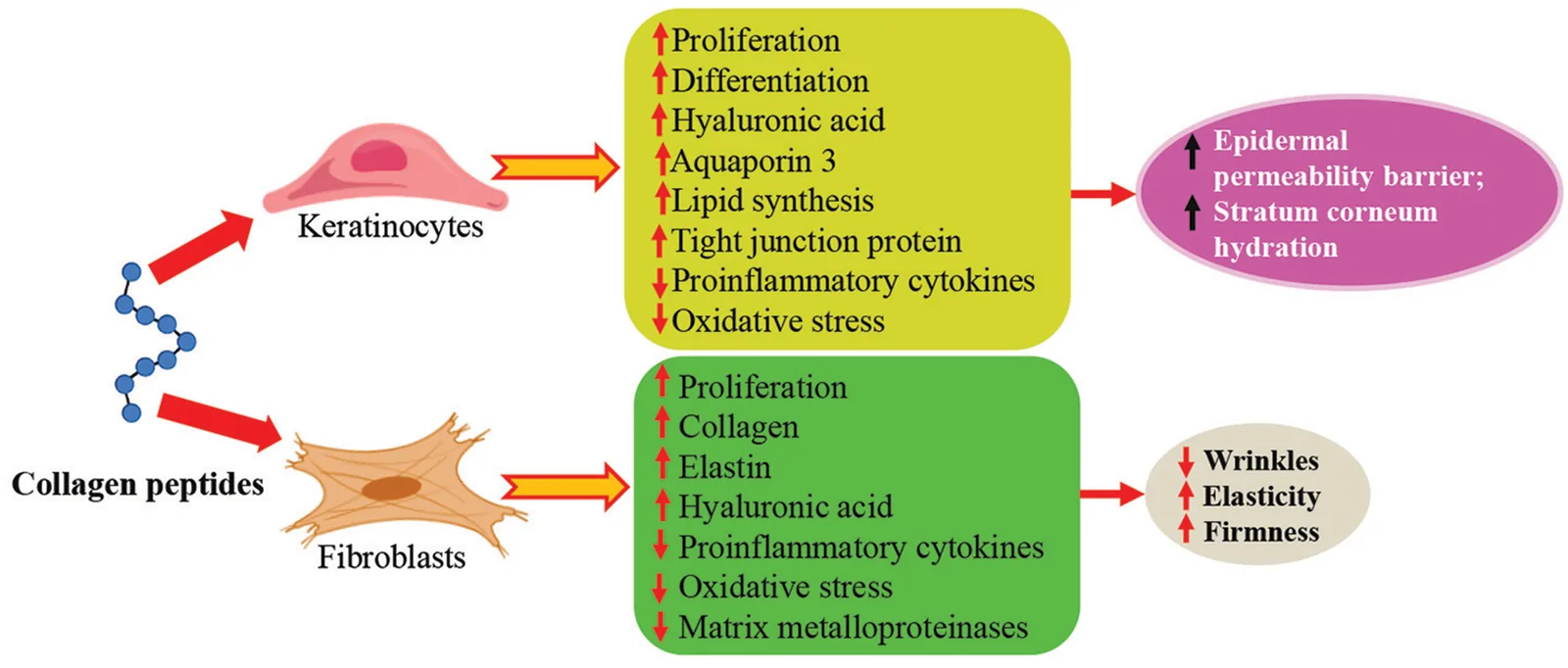
Although a number of studies have demonstrated the benefits of oral collagen peptides for skin functions, the underlying mechanisms remain unclear. Based on the changes in the skin functions, these peptides likely regulate the functions of either keratinocytes, fibroblasts, or both. Both stratum corneum hydration and epidermal permeability barrier function are largely determined by the keratinocyte function, while fibroblast function primarily governs skin elasticity, wrinkles, and skin firmness.
Both stratum corneum hydration level and transepidermal water loss rate, an indicator of epidermal permeability barrier function, reflect epidermal functions. Hyaluronic acid and filaggrin play a crucial role in stratum corneum hydration and epidermal permeability barrier function. 79–83 Previous studies showed that Aspergillus oryzae -fermented wheat peptone increased stratum corneum hydration and lowered transepidermal water loss in humans, paralleled by remarkable increases in expression levels of genes for filaggrin, transglutaminase-1, and hyaluronic acid synthase 1–3, possibly mediated by activation of p44/42 MAPK signaling pathway in keratinocyte cultures because inhibition of this pathway attenuated the positive effects of Aspergillus oryzae -fermented wheat peptone on the skin. 84 , 85 In murine model of skin aging, collagen peptide increases hyaluronic acid, filaggrin and involucrin content in the skin 86 , 87 and expression of hyaluronic acid synthase 1,2, 87 , 88 while decreasing hyaluronidase 1 and 2 expression. 87 In keratinocyte cultures, collagen peptide at a concentration of 200 g/mL induces 2- to 4-fold increases in the expression levels of mRNA for hyaluronic acid synthase, filaggrin and aquaporin 3. 89 The latter is a positive determinant of both stratum corneum hydration and epidermal permeability barrier function. 90 , 91 Moreover, collagen peptide increases sphingolipid production in keratinocyte cultures. 92 In addition, some proinflammatory cytokines inhibit expression levels of differentiation marker-related proteins, tight junction proteins and lipid production, leading to a defective permeability barrier. 93 , 94 Some peptides inhibit expression levels of proinflammatory cytokines, such as IL-6, IL-1, TNF, and inducible nitric oxide synthase, while increasing tight junction protein expression (claudin 1, occludin and zonula occludens 1) in vitro and in vivo. 95 , 96 Interestingly, ceramide and peptide synergistically increase these gene expression. Apparently, some peptides, such as bovine bone derived peptides, do not affect stratum corneum hydration and hyaluronic content but increase collagen content, at least in mice, suggesting differential effects of certain collagen peptides on keratinocytes and fibroblasts. 97 Together, the benefits of collagens and peptides on stratum corneum hydration and epidermal permeability barrier can be attributable to increases in expression levels of epidermal differentiation marker-related proteins, tight junction proteins, aquaporin 3, hyaluronic acid, and decreases in proinflammatory cytokines.
The influence of collagens or peptides on fibroblast functions can be summarized as increases in cell viability, proliferation and migration, 64 , 85 , 88 , 98 stimulation of collagen and elastin synthesis, 24 , 85 , 88 inhibition of cytokine and matrix metalloproteinase 1, 3 expression in cell cultures. 24 , 64 , 85 , 88 , 99 , 100 The stimulation of collagen synthesis is in part mediated by TGFβ/Smad signaling pathway 101 , 102 and inhibits the matrix metalloproteinase expression by inhibiting the MAPK/AP-1 signaling pathway and upregulating TGF-β/Smad signaling pathway. 102 Additionally, peptide-induced antioxidation can also contribute to the improvement of fibroblast functions. For example, porcine placenta peptide dose-dependently increases in expression levels of glutathione peroxidase 1 mRNA in mouse skin. 100 Similarly, fish collagen/peptide decreases reactive oxygen species in vivo and in vitro , 101 , 102 and increases intracellular superoxide dismutase and glutathione peroxidase content in mice. 101 It appears that the efficacy of collagen/peptide on fibroblast function varies with the sources of the peptides. One study demonstrated the collagen peptide from cod fish scale exhibited superior benefit on fibroblast viability, antioxidant, and collagen synthesis to the other sources of collagen peptides (tilapia fish scales, cowhide, pig skin and chicken bone). In contrast, cowhide-derived collagen/peptide is more potent than other sources of collagen/peptide in upregulation of hyaluronic acid synthesis. 64 Taken together, the collagen or peptide-induced improvements in wrinkles, skin firmness, and skin elasticity can be attributed to the stimulation of fibroblast proliferation, collagen production, antioxidants, inhibition of inflammation, and matrix metalloproteinases.
Evidently, both collagen peptides and their metabolites regulate fibroblast function. Several studies demonstrate that collagen peptides stimulate fibroblast proliferation and collagen synthesis in vitro , 85 , 88 , 98 , 101 , 103 indicating the direct action of peptides on fibroblasts. Studies also show the regulatory role of collagen peptide metabolites in fibroblast function. 99 Moreover, human fibroblasts grow slower in serum-free medium than in medium containing 10% fetal calf serum (p < 0.0001). Human serum hydroxyproline levels, not chondroitin sulfate, increase by 88% 140 min following ingestion of fish cartilage peptides. Human serum from subjects taking fish cartilage peptides is more potent than that from individuals without taking peptides in stimulation of fibroblast growth and hyaluronic acid production (p < 0.0001). In addition, human serum only from subjects taking fish cartilage peptides, but not from individuals without taking peptides or fetal calf serum, increases elastin synthesis in fibroblast cultures (p < 0.01 vs fetal calf serum; p < 0.0001 vs serum from individuals without taking peptides). A similar pattern of effects of these serums on matrix metalloproteinases and TGF-β is also observed. 99 In comparison among different peptides, dipeptide (proline-hydroxyproline) at a concentration of 200 M increases cell viability by 17% (p < 0.05 vs control). Cell viability is not significantly affected by either other dipeptides (alanine-hydroxyproline, isoleucine-hydroxyproline, hydroxyproline-glycine), tripeptides (glycine-proline-hydroxyproline, proline-hydroxyproline-glycine, alanine-hydroxyproline-glycine, serine-hydroxyproline-glycine), or a mixture of amino acids (glycine, proline, hydroxyproline, and alanine at a ratio of 3:1:1:1) in fibroblast cultures. 104 This evidence can partially explain the variation in efficacy among different collagen peptides in improving skin functions.
It is important to note the remarkable heterogeneity across the clinical trials, including the dose and source of peptides, the characteristics of the participants, and the trial protocols, which potentially result in various outcomes. For instance, an oral dose of 2.5 g of bovine type I collagen increases skin hydration in women aged 35 to 55 years, 26 but not in those aged 45 to 60 years. 25 Stratum corneum hydration levels were increased following the oral intake of 1000 mg of peptides from the skin of sutchi catfish, 43 but not from that of Nile tilapia. 44 Similarly, peptides from the scales of Nemipterus virgatus, but not from those of tilapia, increased hydration. 46 , 48 , 54 The sources of peptides determine their influence on the cell functions and skin biophysical properties, possibly due to the differences in amino acid composition. 63 Moreover, formulation can affect the absorption of collagen and peptides in the intestine. Generally, substances in liquid form are absorbed more easily than tablets. Variations in formulation can affect clinical outcomes. This line of evidence suggests that, at the very least, the age of participants, the source, type of formulation, and the extraction techniques of peptides can influence clinical outcomes. However, the limited number of studies does not allow for any conclusions about which dose, source, and extraction techniques of peptides are effective for which cutaneous functions and in which populations.
In summary, oral administration of collagen peptides can improve multiple cutaneous biophysical properties, including stratum corneum hydration levels, TEWL, elasticity, and skin firmness through divergent mechanisms, such as stimulation of keratinocyte differentiation and fibroblast proliferation, hyaluronic acid and aquaporin 3 production, synthesis of collagen, expression of antioxidant enzymes, in addition to inhibition of inflammation and matrix metalloproteinases ( Figure 1 ). However, whether the variation in clinical outcomes across the studies is due to the sources and/or the composition of peptides is unclear. Moreover, the optimal dose of peptides remains to be explored although oral intake of hydroxyproline (Hyp)-containing peptides dose-dependently increases plasma levels of free Hyp and Hyp-containing peptides. 105 Variation in participant age, assessment sites, and methodologies makes cross-peptide efficacy comparisons difficult. The safety of these peptides, particularly with long-term use, warrants further evaluation.
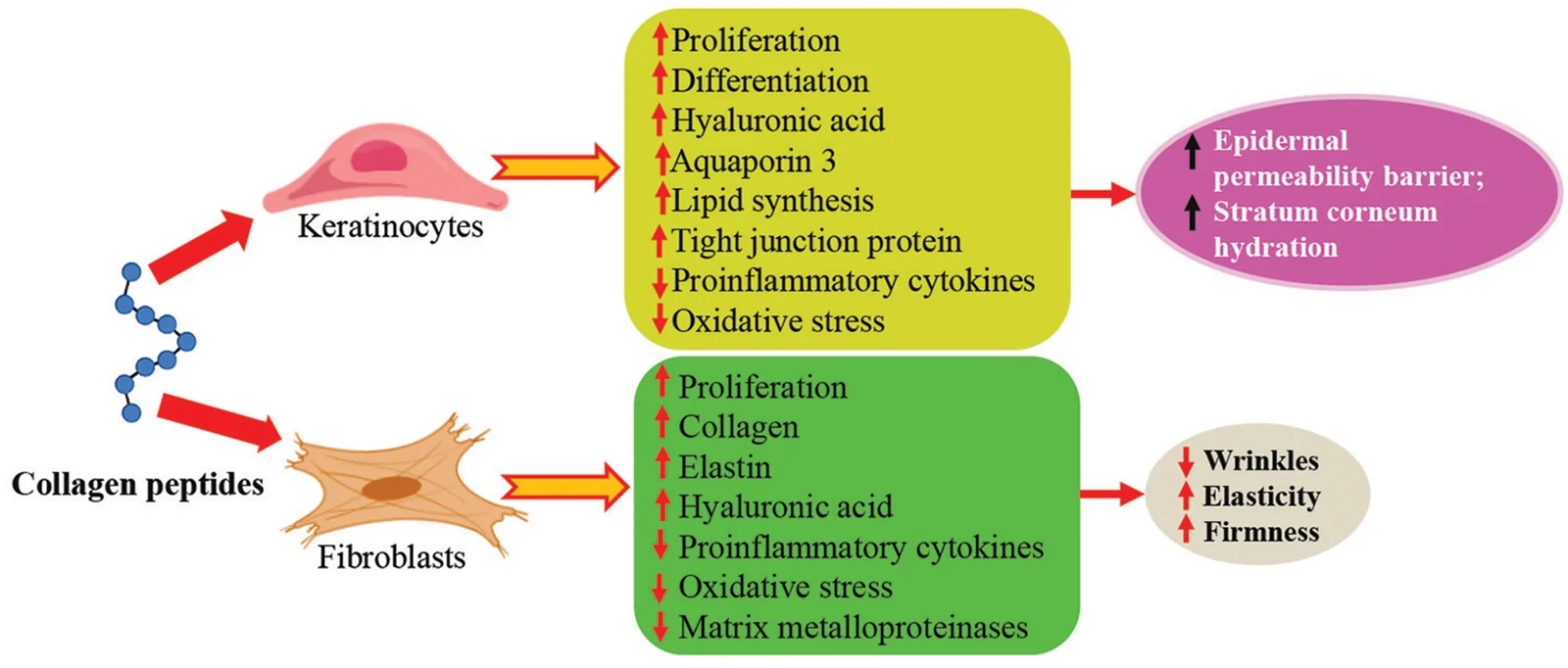
Figure 1 The underlying mechanisms by which oral collagen peptides improve cutaneous biophysical properties. The arrows ↑ and ↓, indicate upregulation and downregulation, respectively.
This review has some limitations. First, it only summarizes the evidence from studies published in English, which means that studies published in other languages are excluded. Second, studies from databases other than PubMed and Google Scholar were not included, even though these two databases account for most of the relevant publications. Moreover, due to the heterogeneity across the studies, no conclusion can be drawn about which sources or types of collagen/peptides have superior efficacy compared to others. Further studies are needed to assess the efficacy of various sources and types of collagen/peptides on different skin biophysical properties.
声明:中文精读 · 仅供学术参考。内容来自公开文献检索,不代表本人观点,不构成诊疗建议。 医疗美容需在正规医疗机构由执业医师实施。
基于相同主题推荐 · 继续深挖
研究类型:叙述性综述,检索PubMed与Google Scholar至2025年10月,纳入口服胶原肽人体研究,关注角质层水合、经皮失水、弹性、紧实度与皱纹。
鼻部塑形疗效与安全性:12个月前瞻性研究/PMC13100342_fig1.jpg)
这项单中心前瞻性研究纳入24名中国女性受试者,接受CaHA凝胶鼻部注射(骨膜上/骨膜浅层,单侧单次总量≤2.0 mL,平均0.93±0.22 mL),全部完成12个月随访,无脱落。
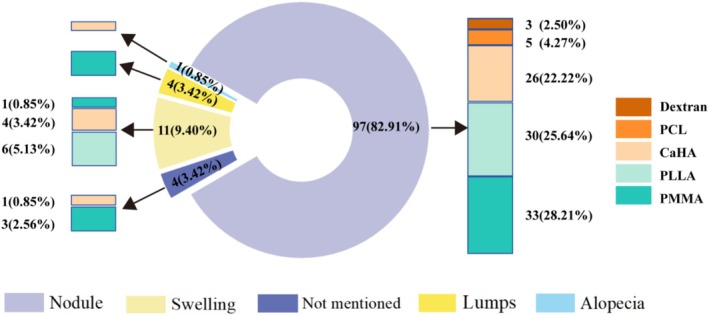
纳入 40 篇研究、117 例异物肉芽肿患者(93.16% 女性,中位年龄 52.63 岁),涉及 PMMA、PLLA、CaHA、PCL、PVOH、右旋糖酐六类微球填充剂(9 个产