射频微针(POTENZA)治疗玫瑰痤疮的真实世界疗效与安全性观察
2026年10月18日31 min read
Clinical, Cosmetic and Investigational Dermatology
Clinical, Cosmetic and Investigational Dermatology
结论与实践要点
作为真实世界回顾性数据,本研究的RASI与红斑指数下降幅度在统计学上较显著,但临床意义需结合基线严重程度审慎解读;POTENZA射频微针或可作为玫瑰痤疮红斑与肤质改善的辅助治疗选项。
需注意68%患者同时接受口服抗生素,疗效难以单独归因于射频微针;临床落地时建议将设备治疗与系统性用药分开评估,并在知情同意中说明证据等级。
不良事件以轻度和一过性为主,提示操作安全性较好,但仍应规范参数设置与术后护理,对Fitzpatrick III–IV型肤色人群关注炎症后色素沉着风险。
BackgroundRadiofrequency Microneedling (RFMN) targets vascular, inflammatory, and dermal remodeling pathways in rosacea; however, evidence from routine practice remains limited.
ObjectiveTo evaluate the clinical effects and safety of POTENZA ® RFMN in adults with rosacea in a real-world setting.
MethodsWe conducted a retrospective cohort study of 50 adults with clinically diagnosed rosacea treated with RFMN at a dermatology center (Hallym University Kangnam, Seoul, Republic of Korea). Severity was assessed longitudinally using the Rosacea Area and Severity Index (RASI) and erythema index from standardized photographs and the medical records. Missing data were addressed using multiple imputation and linear mixed-effects models. A substantial proportion of patients (68%) received concomitant oral antibiotics, and severity scoring relied on retrospective evaluation of photographs and medical records. Safety outcomes included adverse events, pain scores, lesion fading, texture improvement, and patient-reported satisfaction.
ResultsFifty patients (80% women; median age, 33 years) were included. The median rosacea duration was 54 months (IQR 24–81), and most had Fitzpatrick phototype III (76%). Missingness was consistent with a missing-at-random mechanism, as patients lost to follow-up had lower baseline disease severity. The mean RASI decreased from 11.9 to 9.08 (difference −2.79; 95% CI −3.48 to −2.11; p<0.001). The mean erythema index decreased from 2.48 to 1.58 (difference −0.90; 95% CI −1.14 to −0.66; p<0.001). Lesion fading occurred in 80% of the patients, and texture improvement occurred in 72%. Mild adverse events occurred in three patients (6%) and resolved within 96 hours.
ConclusionRFMN (POTENZA®) was associated with significant longitudinal improvements in rosacea severity and erythema, with favorable tolerability. Given the retrospective design, concomitant antibiotic use, and photographic scoring, these findings should be considered hypothesis-generating and warrant confirmation in prospective controlled studies.
Keywords: RFMN、POTENZA、rosacea、Dermatology、RASI
Rosacea is a chronic, relapsing inflammatory dermatosis of the centrofacial skin, characterized by persistent erythema, telangiectasias, inflammatory papules and pustules, phymatous changes, and ocular manifestations. Rosacea is estimated to affect approximately 5% of the world’s population and can significantly diminish an individual’s health-related quality of life. 1–3
This condition has a complex, multifactorial origin arising from the interplay between innate immune system dysregulation, neurovascular abnormalities, and various environmental triggers. 2 , 3 Activation of Toll-like receptor 2 (TLR2) by ultraviolet radiation and microbial products upregulates kallikrein-5 (KLK5), a serine protease that cleaves cathelicidin into its bioactive fragment LL-37, which in turn promotes vascular endothelial growth factor (VEGF)-dependent angiogenesis, mast cell degranulation, and activation of transient receptor potential vanilloid 1 (TRPV1), a thermosensory ion channel whose upregulation drives neuropeptide release and the burning and stinging sensations characteristic of the disease. 4 , 5
Diagnosis is established clinically using the phenotype-based framework introduced by the Global Rosacea Consensus (ROSCO) panels. In this framework, persistent centrofacial erythema with periodic intensification and phymatous changes are two independent diagnostic features, while flushing, telangiectasias, and inflammatory lesions serve as major phenotypic identifiers that guide individualized management. 6 , 7 The transition from a subtype-based to a phenotype-driven approach has informed contemporary therapeutic decision-making, recognizing that individual patients rarely fit a single, discrete clinical category. 6 , 7
Current management integrates topical agents such as metronidazole, minocycline, azelaic acid, ivermectin, benzoyl peroxide, brimonidine, and oxymetazoline; systemic therapies, including sub-antimicrobial doxycycline and isotretinoin for refractory cases; and energy-based devices such as pulsed dye laser (PDL) and intense pulsed light (IPL) for vascular phenotypes. 8–10 However, no single modality addresses all disease dimensions simultaneously, and existing options are limited by incomplete efficacy for neurosensory symptoms, safety concerns in darker skin phototypes, and the relapsing nature of the condition, necessitating long-term treatment. 8 , 11 In addition to these limitations, incomplete outcome data have been inadequately reported in approximately 40% of rosacea randomized controlled trials, with attrition-driven analyses implicitly assuming that dropout was unrelated to treatment response. 12
Radiofrequency Microneedling RFMN has been developed as a promising alternative that delivers controlled dermal thermal energy through insulated microneedles. This approach simultaneously reduces VEGF-driven angiogenesis, downregulates pro-inflammatory cytokines, and attenuates TRPV1-mediated neuropeptide release, thereby targeting the vascular, inflammatory, and neurosensory dimensions of rosacea with a single intervention. 4 , 5 Prospective clinical evidence indicates that fractional RFMN significantly reduces erythema severity and the burden on disease-related quality of life over 48 weeks in patients with difficult-to-treat rosacea, with a favorable safety profile across all Fitzpatrick skin phototypes. 13 , 14
Fourth-generation RFMN platforms, which integrate monopolar and bipolar radiofrequency delivery through adjustable microneedle configurations, enable depth-customized thermal targeting across multiple dermal layers. This expands the therapeutic applicability of the RFMN across the full phenotypic spectrum of rosacea. 15 , 16
However, translating this evidence into routine clinical practice requires real-world data that address gaps left by controlled trials, particularly incomplete outcome reporting and attrition-driven bias, as noted above. Real-world cohorts complement controlled trials by capturing the phenotypic heterogeneity of rosacea and the variability in treatment adherence encountered in routine practice, both of which are frequently underrepresented in tightly controlled trial populations. The present retrospective cohort study aimed to address this gap by assessing the clinical effects and safety of microneedle radiofrequency treatment in adult patients with rosacea at a private dermatology center, using photographic documentation and clinical record review, while explicitly accounting for the missing-data patterns inherent to retrospective designs.
A retrospective cohort study was conducted to evaluate the clinical effects and safety of POTENZA ® (Jeisys Medical Inc., Seoul, Republic of Korea) RFMN treatment in patients with rosacea. This study used clinical information already documented in the electronic medical records (EMRs) of treated patients. No new interventions or patient contacts were performed. This study was conducted in accordance with the principles of the Declaration of Helsinki and the local regulations. Given the retrospective design and use of anonymized clinical data, the ethics committee waived the requirement for written informed consent. All procedures were performed as part of routine clinical care, and no additional interventions were performed for research purposes.
This study was conducted at a dermatology center (Hallym University Kagnam, Seoul, Republic of Korea). Eligible medical records were retrospectively identified from patients treated for approximately 5 years.
Adults (≥18 years) with a clinical diagnosis of rosacea, treated with at least one session of RFMN, and with available pre- and post-treatment standardized facial photographs and/or clinical records documenting rosacea severity.
Patients treated with other devices for the same indication during the same treatment cycle, and those with insufficient medical documentation or lack of follow-up, were excluded.
The RFMN was administered as part of routine dermatological care. Treatments were performed in monopolar or bipolar RF modes at variable energy levels and needle depths based on clinical judgment. For patients presenting with deep-seated inflammatory lesions and refractory dermal thickening, a more intensive approach was employed. RF energy was delivered in bipolar mode using a non-insulated microneedling tip at a depth of 1.0–1.5 mm, with an energy setting of 700 mJ/pulse.
Clinical improvement in rosacea severity after treatment with RFMN, as documented by the treating dermatologists in routine clinical records and supported, when available, by a visual comparison of standardized pre- and post-treatment photographs. Clinical changes were assessed using the erythema index and Rosacea Area and Severity Index (RASI) by an independent, blinded reviewer.
Patterns of phenotypic response, as described in medical notes, including narrative or descriptive changes in different lesion types or skin homogeneityPatient-reported satisfaction, as recorded in the chart, including narrative comments, simple categorical classifications, or numerical scoresChanges in skin lesion quality, evaluated through qualitative improvement in skin smoothness, brightness, or general appearance, are documented in the medical notesBlinded evaluation of available clinical photographs by an independent dermatologist using the erythema index and RASI scoreAdverse events (AEs): incidence, type, severity, and resolution timeline, as documented in clinical recordsAssociations between treatment parameters (RF mode, energy level, needle type, and dermal boosters) and clinical improvement metrics.
The Rosacea Area and Severity Index (RASI) is a validated composite scoring tool that evaluates four clinical features of rosacea (erythema, papules/pustules, telangiectasia, and rhinophyma) across four facial regions (cheeks, forehead, nose, and chin). 17 For each region, the sum of the four feature scores is multiplied by a proportional area-involvement factor (ranging from 0 for no involvement to 6 for >90% of the region affected); the resulting products are summed across the four regions to yield a total RASI score ranging from 0 to 72, with higher scores indicating greater disease severity. 17
Facial erythema was additionally graded using the Clinician’s Erythema Assessment (CEA), a validated static 5-point ordinal scale ranging from 0 (clear) to 4 (severe erythema). 18
A structured electronic Case Report Form (eCRF) was developed using a secure digital data collection platform. Data were manually extracted from EMRs by the Principal Investigator or trained clinical researchers. Clinical photographs taken during standard care were retrieved, anonymized, coded, and evaluated in a randomized order by an independent dermatologist blinded to the treatment phase, using the RASI score as the standardized scoring tool. Because a single blinded evaluator scored all images, a formal inter-rater reliability statistic was not applicable; randomization of evaluation order and blinding to visit sequence were implemented to reduce assessment bias.
All values were recorded as-is from the source records, and missing values were documented and flagged. A formal assessment of the missing data mechanism was subsequently conducted to determine the appropriate analytical strategy.
As an exploratory retrospective cohort study, no formal power calculations were performed. This study aimed to include all eligible patients treated during the study period. Based on historical estimates, the sample size was expected to range from 20 to 50 patients.
Continuous variables (age, duration of rosacea, number of sessions) were assessed for normality using the Shapiro–Wilk test and Q-Q graphs. Approximately normal variables are reported as mean ± standard deviation, and non-normal variables as median and interquartile range (IQR). Categorical variables, including sex, RF mode, cartridge and booster types, and Fitzpatrick phototype, were presented as absolute and relative frequencies. All statistical analyses were performed using R (version 4.2).
Missing data were anticipated, given the retrospective nature of the study and progressive attrition observed across follow-up visits. Before selecting an analytical strategy, the mechanisms underlying the missing data were formally characterized. Little’s MCAR test was applied to assess whether data were missing completely at random; because the null hypothesis was rejected, Welch two-sample t-tests were used to compare baseline RASI and erythema index scores between patients who attended and those who did not attend each subsequent visit, to distinguish between missing at random (MAR) and missing not at random (MNAR).
Multiple imputation by chained equations (MICE) was performed using the mice package in R. Predictive mean matching (PMM) was used as the imputation method, as it restricts imputed values to the range of observed data and preserves the empirical distribution of the outcome. Because the missing data pattern was confirmed to be monotone (ie, no patient with data at a later visit lacked data at an earlier visit), a monotone imputation sequence was specified to improve computational efficiency. Each dataset was analyzed independently, and the results were combined using Rubin’s rules to obtain pooled estimates, standard errors, and 95% confidence intervals that appropriately reflect both sampling variability and the uncertainty introduced by missing data. A complete-case analysis was conducted in parallel as a sensitivity analysis.
Longitudinal changes in the RASI score and erythema index across visits were evaluated using linear mixed-effects models (LMM), with visit as a fixed effect and patient as a random intercept, fitted separately in each of the 20 imputed datasets using the lme4 package. This approach accounts for within-patient correlation in repeated-measures data and allows all available observations to contribute to the estimation, regardless of follow-up completeness. Post-hoc pairwise comparisons between visits were performed using estimated marginal means ( emmeans package) with Bonferroni correction for multiple comparisons. The fraction of missing information (FMI) was reported for each contrast as an indicator of the proportion of total uncertainty attributable to the missing data.
Adverse events were described by type, frequency, and resolution timeline. Cross-tabulations were generated to examine the associations between adverse event incidence and variables, including booster use and RF parameters.
To quantify the impact of the missing-data strategy, results from the multiple imputation analysis were compared with those from a complete-case analysis restricted to patients with data from all 4 visits. The systematic differences between the approaches were interpreted in the context of the confirmed MAR mechanism.
Given the high prevalence of concomitant oral antibiotic use (68%), a post-hoc analysis was performed to assess its potential confounding effect. Antibiotic use was incorporated into the multiple imputation model, and linear mixed-effects models including a visit × antibiotic use interaction were fitted across the 20 imputed datasets. Changes in RASI and erythema index were estimated within antibiotic-use subgroups and compared between groups using estimated marginal means. Estimates were pooled using Rubin’s rules with the Barnard–Rubin degrees-of-freedom adjustment.
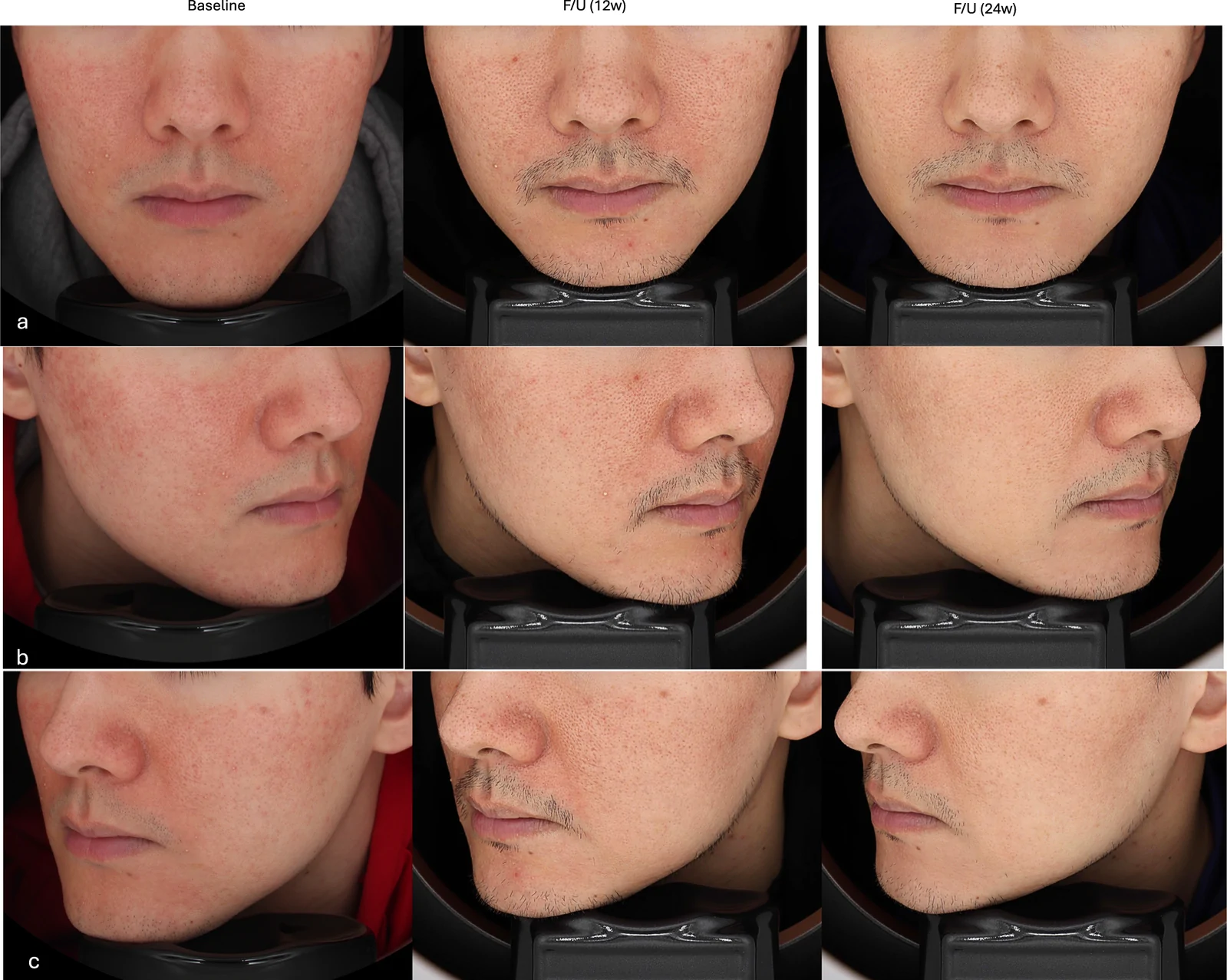
Fifty patients with rosacea were enrolled in this study. The median age was 33 years (IQR: 30–47). The majority had Fitzpatrick phototype III skin (76%), and rosacea was located on the cheeks and nose in all patients (100%). The median rosacea duration was 54 months (IQR: 24–81). Genetic predisposition and photo exposure were infrequently reported (2% and 4%, respectively) ( Table 1 ). The most common concomitant conditions were acne (26%), contact dermatitis (20%), and atopic dermatitis (14%). The most frequently used adjunct treatments were oral antibiotics (68%) and antihistamines (54%) ( Table 2 ). All patients received RFMN treatment; the energy level was medium in 80% of cases. The median number of sessions was 2 (IQR: 1–4). Adverse events occurred in 3 patients (6%) and resolved within 96 hours in all cases. The median pain score was 3 (IQR: 3–4). At the final assessment, 80% of patients reported significant fading of lesions, and 72% reported improved skin texture ( Figures 1a–c and 2a–c ).
Table 1 Baseline Characteristics of the Study Population (N = 50)
| Variable | n (%) or Median [IQR] |
|---|---|
| Demographics | |
| Female | 40 (80%) |
| Age, years | 33 [30–47] |
| Duration of rosacea, months | 54 [24–81] |
| Predisposing factors | |
| Genetic predisposition | |
| Yes | 1 (2%) |
| No | 49 (98%) |
| Photo-exposure | |
| Yes | 2 (4%) |
| No | 48 (96%) |
| Clinical characteristics | |
| Fitzpatrick phototype | |
| II | 4 (8%) |
| III | 38 (76%) |
| IV | 8 (16%) |
| Lesion location | |
| Cheeks | 50 (100%) |
| Nose | 50 (100%) |
| Forehead | 7 (14%) |
| Chin | 5 (10%) |
| Baseline severity (mean and standard deviation) | |
| RASI score | 11.9 (6.4) |
| Erythema index | 2.48 (0.68) |
| Treatment outcomes | |
| Lesion fading (any) | 40 (80%) |
| Skin texture improvement | 36 (72%) |
| Safety | |
| Adverse events | 3 (6%) |
| Pain score | 3 [3–4] |
Table 2 Adjunctive Rosacea Treatments (N = 50)
| Adjunctive Treatment | n (%) |
|---|---|
| Systemic therapy | |
| Oral antibiotic | 34 (68%) |
| Antihistamine | 27 (54%) |
| Neuropathic agent | 12 (24%) |
| Tranexamic acid | 3 (6%) |
| Antiviral | 1 (2%) |
| Topical therapy | |
| Calcineurin inhibitor | 9 (18%) |
| Metronidazole | 7 (14%) |
| Ivermectin | 5 (10%) |
| Retinoid | 3 (6%) |
The proportion of missing data increased progressively: 0% at visits 1 and 2, 42% at visit 3, and 54% at visit 4 for the RASI scores. Little’s MCAR test rejected the null hypothesis (χ 2 = 23.8, df = 5, p < 0.001). Baseline RASI scores were significantly lower among patients who did not return for visit 3 (visit 1: 7.9 vs 14.7, p < 0.001) and visit 4 (visit 1: 7.9 vs 16.5, p < 0.001), consistent with the MAR mechanism: patients with milder disease and earlier improvement were more likely to discontinue follow-up. The convergence of the imputation algorithm was confirmed using trace plots. Density plots showed that imputed values were concentrated in the lower range of the RASI scale, 5–8 consistent with the clinical profile of patients lost to follow-up. Strip plots confirmed that no imputed value exceeded the observed range ( Figure 3 ).
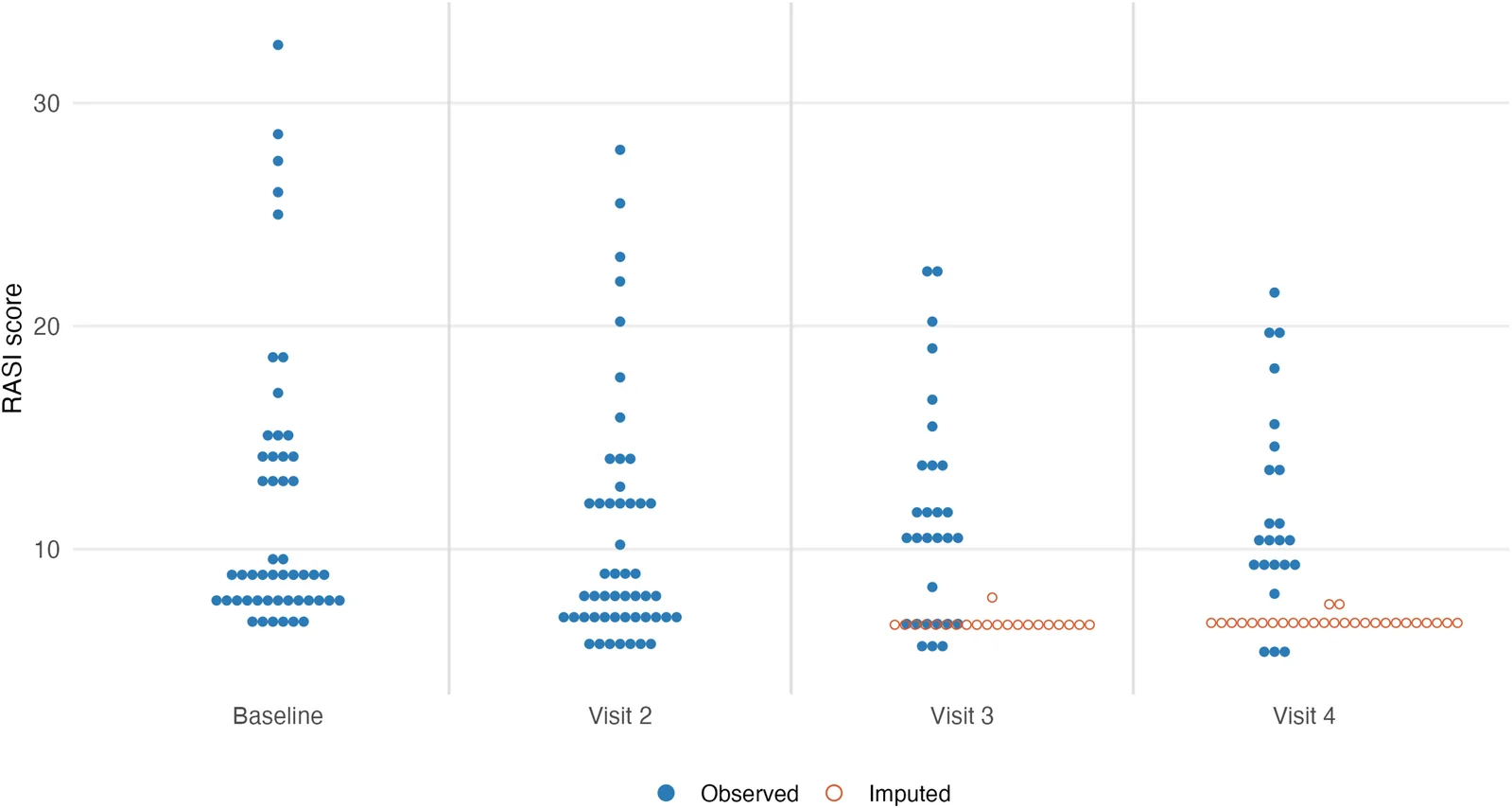
Figure 3 Dot plot of individual patient RASI scores across visits. Each point represents one patient; filled circles indicate observed values, and open circles indicate imputed values (mean across the 20 multiply imputed datasets).散点图展示各访视个体RASI评分变化,实心为实测值、空心为多重插补估算值。
Treatment with RFMN was associated with a progressive reduction in RASI score across the four visits ( Figure 4 ). The mean score declined from 11.9 (SD 6.4) at baseline to 9.08 (SD 4.12) at visit 4, representing a cumulative reduction of 2.79 points (95% CI [−3.48, −2.11], p < 0.001). Statistically significant improvements were observed at each visit relative to baseline, with meaningful clinical changes evident by visit 2 (difference = −1.41, p < 0.001). Continued improvement was confirmed at visit 3 (V2-V3: −1.03, p = 0.001). The comparison between visits 3 and 4 did not reach significance (difference = −0.36, p = 0.303).
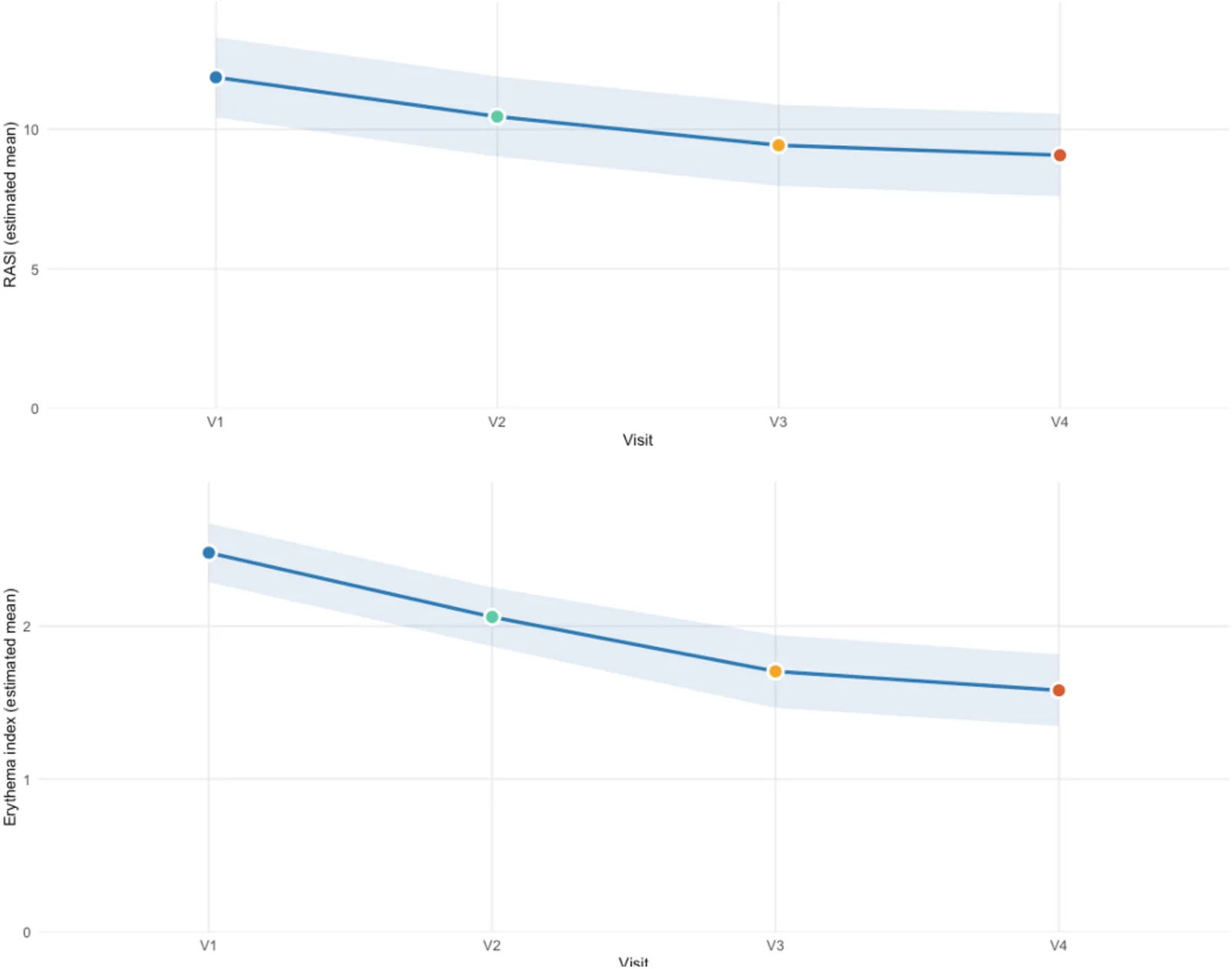
Figure 4 Estimated marginal means of RASI score (left) and erythema index (right) across four follow-up visits in patients with rosacea.随访问访的RASI与红斑指数边际均值,直观呈现整体下降趋势。
Following multiple imputation across all 50 patients, the erythema index showed a progressive, statistically significant reduction across visits ( Figure 3 ). The mean erythema index decreased from 2.48 (SD 0.68) at baseline to 2.06 (SD 0.82) at visit 2, 1.70 (SD 0.65) at visit 3, and 1.58 (SD 0.61) at visit 4 ( Table 3 ). The 95% confidence intervals progressively narrowed, reflecting both clinical improvement and the increasing contribution of imputed data at later visits. Pairwise post-hoc comparisons confirmed statistically significant reductions at all visits compared to the baseline ( Table 4 ). The largest improvement occurred between visits 1 and 4 (difference = −0.90, 95% CI [−1.14, −0.66], p < 0.001), followed by that between visits 1 and 3 (difference = −0.78, 95% CI [−1.02, −0.53], p < 0.001). Incremental improvement between Visits 2 and 3 was also significant (difference = −0.36, 95% CI [−0.60, −0.11], p = 0.006), as was the comparison between Visits 2 and 4 (difference = −0.48, 95% CI [−0.72, −0.24], p < 0.001).
Table 3 RASI and Erythema Score by Visit - Multiple Imputation Analysis (N = 50)
| Visit | Mean (SD) | 95% CI | n Observed |
|---|---|---|---|
| RASI | |||
| V1 | 11.9 (6.4) | [10.4–13.3] | 50 |
| V2 | 10.5 (5.4) | [9.03–11.9] | 50 |
| V3 | 9.43 (4.51) | [7.98–10.9] | 29 |
| V4 | 9.08 (4.12) | [7.59–10.6] | 23 |
| Erythema | |||
| V1 | 2.48 (0.68) | [2.29–2.67] | 50 |
| V2 | 2.06 (0.82) | [1.87–2.25] | 50 |
| V3 | 1.7 (0.65) | [1.47–1.94] | 29 |
| V4 | 1.58 (0.61) | [1.35–1.81] | 23 |
Table 4 Post-Hoc Pairwise Comparisons of RASI and Erythema Score Between Visits (Bonferroni-Corrected, Rubin’s Rules)
| Contrast | Difference | SE | 95% CI | p-value | FMI |
|---|---|---|---|---|---|
| RASI | |||||
| V1 - V2 | −1.41 | 0.28 | [−1.98, - 0.84] | <0.001 | 0 |
| V1 - V3 | −2.44 | 0.31 | [- 3.06, −1.81] | <0.001 | 0.156 |
| V1 - V4 | −2.79 | 0.34 | [- 3.48, −2.11] | <0.001 | 0.299 |
| V2 - V3 | −1.03 | 0.31 | [- 1.65, −0.41] | 0.001 | 0.156 |
| V2 - V4 | −1.39 | 0.34 | [- 2.07, −0.7] | <0.001 | 0.299 |
| V3 - V4 | −0.36 | 0.34 | [−1.05, 0.34] | 0.303 | 0.311 |
| Erythema | |||||
| V1 - V2 | −0.42 | 0.1 | [- 0.62, −0.22] | <0.001 | 0 |
| V1 - V3 | −0.78 | 0.12 | [−1.02, - 0.53] | <0.001 | 0.346 |
| V1 - V4 | −0.9 | 0.12 | [- 1.14, −0.66] | <0.001 | 0.322 |
| V2 - V3 | −0.36 | 0.12 | [- 0.6, −0.11] | 0.006 | 0.346 |
| V2 - V4 | −0.48 | 0.12 | [−0.72, −0.24] | <0.001 | 0.322 |
| V3 - V4 | −0.12 | 0.13 | [−0.39, 0.14] | 0.350 | 0.429 |
Points represent pooled marginal means from linear mixed-effects models fitted across 20 multiply imputed datasets. The blue shaded area denotes the 95% confidence interval derived from Rubin’s rules.
The complete-case analysis, restricted to the 23 patients with data from all four visits, systematically overestimated RASI severity at later visits (Supplementary Material Figure 1). Patients who completed follow-up had higher baseline RASI scores (median 14.5 [IQR: 12.9–18.6]) than the full cohort (median 8.65 [IQR: 7.7–14.3]), reflecting selective retention of patients with more severe disease. The multiple imputation analysis corrects for this selection bias by incorporating information from all 50 patients, including those who improved early and discontinued attendance, yielding estimates that are more representative of the complete study population. The divergence between the two approaches was most pronounced at visits 3 and 4, consistent with the pattern of differential attrition confirmed by the MAR diagnostic tests.
As a post hoc analysis addressing the potential confounding effect of concomitant oral antibiotic use (68% of the cohort), the change in RASI and erythema index from baseline to visit 4 was estimated separately within each subgroup, using the same multiple imputation and linear mixed-effects modeling framework, with antibiotic use additionally included as an auxiliary variable in the imputation model. Among patients who did not receive concomitant oral antibiotics (n=16), RASI decreased significantly (−2.45, 95% CI −3.69 to −1.22; p<0.001), as did the erythema index (−0.76, 95% CI −1.28 to −0.23; p=0.006). A significant reduction of similar magnitude was observed among patients who received concomitant oral antibiotics (n=34; RASI: −2.12, 95% CI −2.98 to −1.27, p<0.001; erythema index: −0.51, 95% CI −0.89 to −0.13, p=0.009). These findings indicate that the observed improvement was not driven solely by concomitant antibiotic use, as significant reductions in both outcomes were also detected among patients who did not receive antibiotics.
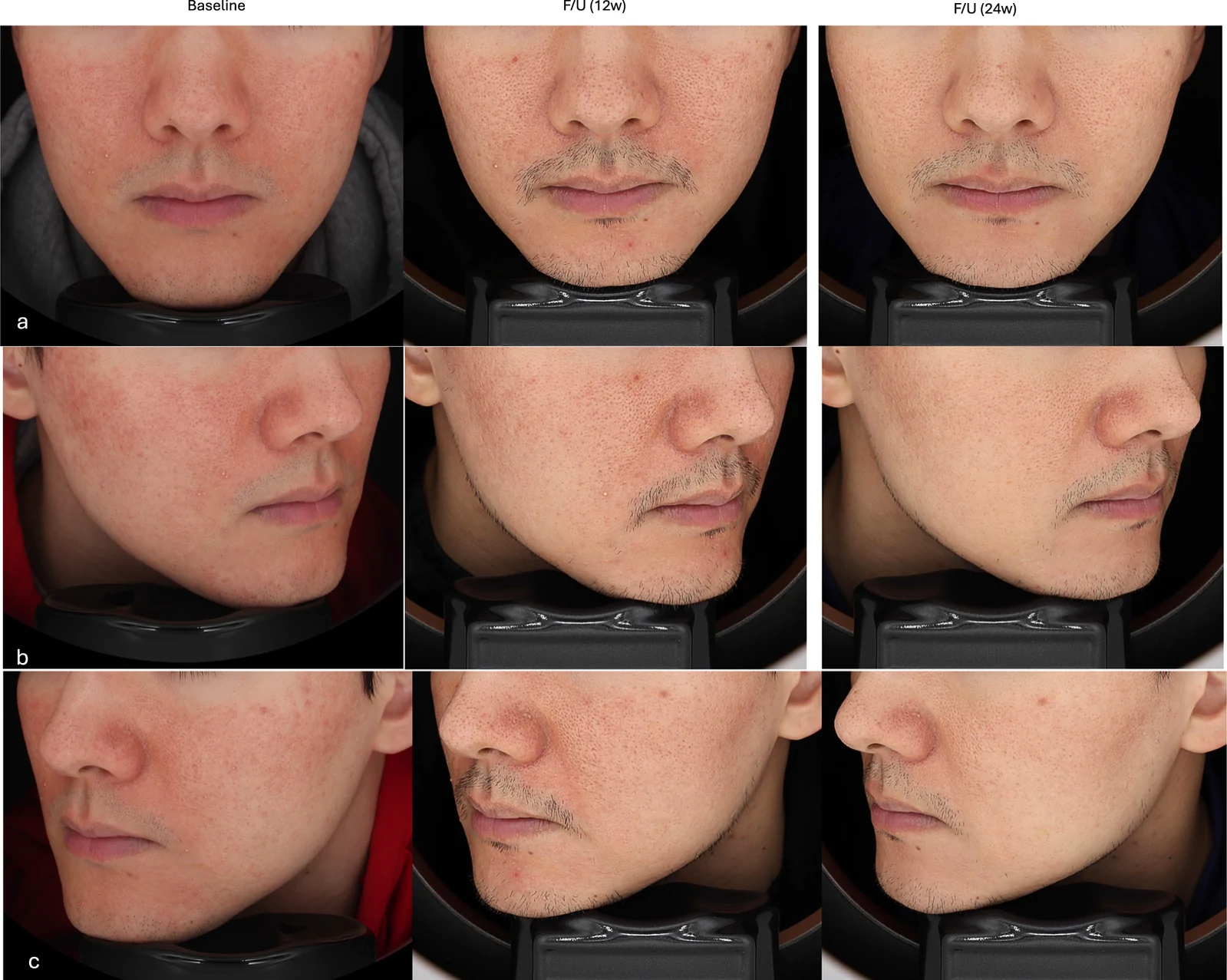
Figure 1 (a–c) A 31-year-old male patient showing progressive improvement.典型病例(31岁男性)随访照片,显示红斑与皮损随治疗逐步改善。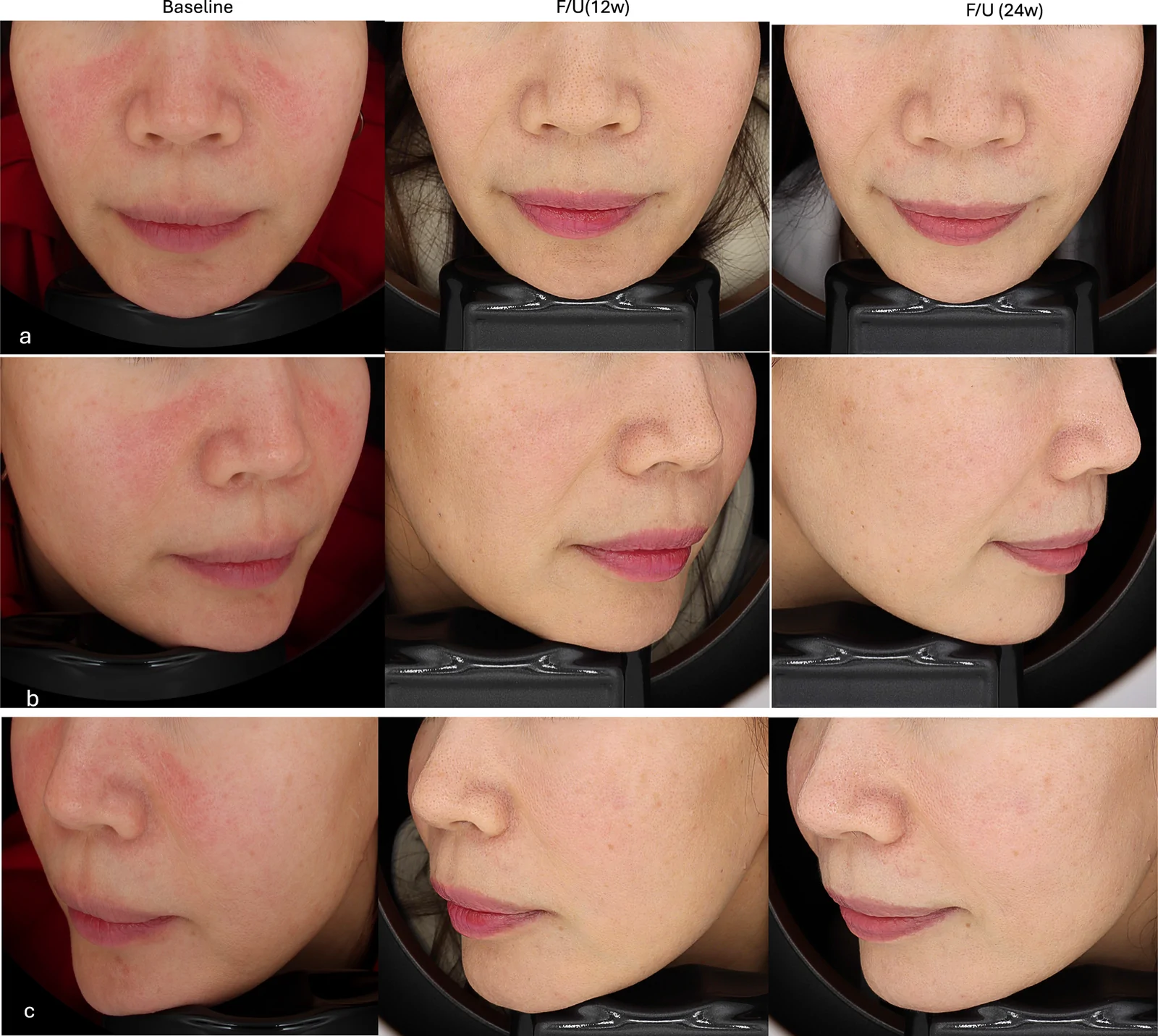
Figure 2 (a–c) A 51-year-old female patient showing progressive improvement.典型病例(51岁女性)多次治疗后的临床改善表现。
This retrospective cohort study describes longitudinal clinical changes after RFMN treatment in adults with rosacea, most of whom had Fitzpatrick phototype III skin, longstanding disease, and centrofacial involvement of the cheeks and nose. The longitudinal pattern suggests a clinically coherent reduction in both global severity and erythema burden, with a proportionally greater change in erythema burden. RASI decreased by approximately 12% by visit 2 and by 23% by the final visit, corresponding to a cumulative mean difference of −2.79 points (95% CI, −3.48 to −2.11; p < 0.001). Although the reduction in RASI was statistically significant and accompanied by a coherent pattern of secondary clinical improvement, its absolute magnitude should be interpreted with appropriate caution. Based on previously reported RASI severity categories, 17 the cohort’s mean baseline score (11.9) corresponded to the severe disease range, while the mean score at the final visit (9.08) corresponded to the moderate range, representing a meaningful shift in disease category, but falling short of the mild range (RASI <6). This residual disease burden suggests that RFMN, at least within four treatment visits, may provide partial rather than complete disease control, and supports its consideration as an adjunctive procedure within a broader combination treatment strategy for rosacea rather than as a stand-alone therapy. Another important point is the mean RASI decreased by 2.79 points, the clinical significance of this change remains uncertain because a validated MCID for the RASI has not been established. 19 Moreover, mean scores remained within the moderate severity range at the final assessment, supporting a cautious interpretation of the observed improvement.
The erythema index showed a larger relative reduction, decreasing by approximately 36% from baseline to the final visit, with a mean difference of −0.90 points (95% CI, −1.14 to −0.66; p < 0.001). The recorded safety profile was favorable, with adverse events reported in 6% of patients and spontaneous resolution in all cases within 96 hours (1 patient presented with mild jawline itching, and 2 patients had acne vulgaris). These findings were accompanied by documented lesion fading in 80% of patients and skin texture improvement in 72%, supporting a coherent pattern between the measured severity changes and clinically documented improvement.
The observed reductions are consistent with previous clinical evidence on RFMN and radiofrequency-based approaches for the treatment of rosacea. Park et al 20 reported a 13.6% reduction in the erythema index at 12 weeks after two fractional microneedling radiofrequency sessions, along with histologic reductions in dermal inflammation, mast cell infiltration, angiogenic markers, and innate immune activation. Wang et al 13 reported significant reductions in Clinician Erythema Assessment scores and improvements in quality of life over 48 weeks in difficult-to-treat rosacea. Kim et al 14 found that radiofrequency and pulsed dye laser were both associated with improvements in rosacea severity and erythema, with greater reduction in papulopustular lesion count after radiofrequency in papulopustular rosacea. Together with our findings, these studies support a consistent clinical signal in which RFMN is associated with improvements in erythema, inflammatory lesion burden, and global severity of rosacea.
The broader energy-based device literature also supports the clinical relevance of the RFMN as a procedural option for treating rosacea. Nguyen et al 21 reported greater reductions in erythema and patient satisfaction with radiofrequency microneedling than with pulsed dye laser, with comparable adverse event and discontinuation rates across modalities. Within this therapeutic landscape, our results provide real-world evidence that RFMN may be associated with measurable improvements in rosacea severity and erythema, especially in patients with Fitzpatrick phototypes III and IV. Unlike these prior investigations, which employed controlled or comparative designs, the present study’s retrospective and uncontrolled nature precludes direct causal attribution of the observed improvements to RFMN; these findings should therefore be interpreted as an associative real-world signal rather than confirmatory evidence of a treatment-specific effect.
The observed clinical changes were biologically plausible. Son et al 4 showed that radiofrequency irradiation may attenuate VEGF-driven angiogenesis and inflammatory cytokine expression in rosacea-like models. Oh et al 5 reported the modulation of TRPV1-related pathways involved in burning and stinging sensations. Xu et al 22 further showed that low-power short-pulse-width fractional microneedle radiofrequency can suppress nuclear factor kappa B (NF-κB) signaling, reduce mast cell and CD4+ T-cell infiltration, attenuate angiogenesis, and produce measurable erythema reduction after one session in erythematotelangiectatic rosacea. These mechanisms provide a biologically coherent framework for the reduction in RASI and erythema index observed in our cohort.
The safety findings are relevant given the cohort’s phototype distribution. Most patients had Fitzpatrick phototypes III or IV, and adverse events were infrequent and transient. Syder et al 23 found that radiofrequency and radiofrequency microneedling have a low risk of scarring or hyperpigmentation in Fitzpatrick skin types III–VI, with most adverse events being temporary. This aligns with our recorded adverse event rate of 6% and resolution within 96 hours. The technical flexibility of the RFMN platform may also be relevant, as Tan et al 15 described how insulated and non-insulated microneedles distribute thermal energy differently within the dermis, allowing treatment parameters to be adapted to clinical targets. This adaptability supports the use of RFMN across heterogeneous rosacea presentations, although variability in modes and session numbers limits parameter standardization and direct dose-response comparisons. Kauvar et al 16 further support the ability of fractional radiofrequency to induce dermal remodeling with a favorable safety profile, which may help contextualize the 72% documented texture improvement in our cohort. This textural change is clinically consistent with concurrent reductions in RASI and erythema index, suggesting that RFMN may act on both the inflammatory-vascular and structural components of rosacea-affected skin. 24
The frequent use of concomitant therapies reflects routine rosacea care and helps situate these findings within the standard clinical dermatology practice. Oral antibiotics were used in 68% of patients, and topical or systemic adjuncts were also frequently used. Del Rosso et al 25 support the role of systemic anti-inflammatory therapy in maintaining control of papulopustular rosacea. Hasan et al 26 reported higher improvement rates when fractional microneedling radiofrequency was combined with systemic isotretinoin than with radiofrequency alone, with no serious adverse events in either group. In this context, the lesion fading and RASI reductions observed in our cohort are clinically consistent with a multimodal, phenotype-directed approach to rosacea management.
Using RASI strengthened the longitudinal assessment of clinical changes. Wienholtz et al 17 validated the RASI as a reliable instrument that provides a more nuanced assessment of rosacea extent and severity than global measures, with a strong correlation with the IGA and better inter-observer reliability. This is relevant because all patients in our cohort had cheek and nasal involvement, clinically meaningful regions of visible rosacea burden.
A major methodological strength was analyzing follow-up attrition rather than treating it as simple data loss. Missing RASI data increased to 42% at visit 3 and 54% at visit 4; however, this pattern was not random. Little’s MCAR test rejected completely random missingness (χ 2 = 23.8, df = 5; p < 0.001), and patients who did not return had lower baseline RASI scores than those who remained in follow-up at visit 3 (7.9 vs 14.7; p < 0.001) and visit 4 (7.9 vs 16.5; p < 0.001). Clinically, this suggests that later visits disproportionately retained patients with more severe disease, whereas patients with milder baseline disease or earlier improvement were more likely to discontinue follow-up. This suggests that measurable clinical changes tend to occur during the earlier treatment period and continue with smaller incremental gains thereafter.
Therefore, relying only on complete cases could have overestimated the residual severity. The use of multiple imputation was appropriate in this context, as recommended when missingness is substantial and related to observed clinical characteristics. 25–28
Several limitations should be considered when interpreting these findings. The retrospective, single-center, uncontrolled design limits causal inference and generalizability, and the absence of a comparator group prevents claims of superiority over pulsed-dye laser, intense-pulsed-light, or other treatment modalities. Concomitant treatment was common, including oral antibiotics in 68% of patients, and treatment exposure varied, with a median of 2 sessions (IQR, 1–4) and use of both monopolar and bipolar modes. Importantly, because most patients received concomitant treatments, the independent contribution of RFMN to the observed changes in RASI and erythema index cannot be isolated, and combination therapy should be regarded as a potential confounding factor rather than a fixed clinical background. It is also important to note that multiple imputation addresses uncertainty arising from missing outcome data under the assumed missing-at-random mechanism, but it does not correct for bias arising from unmeasured confounders. Factors such as unrecorded skincare practices, sun exposure, or psychological stress (none of which were systematically captured in this retrospective dataset) could have influenced both treatment response and follow-up patterns, and the imputation framework used here cannot rule out their potential confounding effect. Given the uncontrolled design, it is not possible to determine whether the observed improvement reflects a specific effect of RFMN, the natural course of treated rosacea, or the combined effects of multimodal therapy. Future prospective studies should incorporate designs that allow assessment of RFMN’s independent contribution, such as a washout period, a standard-care comparator, or randomized comparisons of RFMN with and without concomitant pharmacologic therapy.
Additionally, RASI is validated; the authors applied it retrospectively using clinical records and photographs, while lesion fading, texture improvement, and satisfaction were based on routine documentation rather than validated patient-reported instruments such as the DLQI or RosaQoL, which are recommended for rosacea quality-of-life assessment. 29–32 Finally, because no formal sample size calculation was performed for hypothesis testing, interpret the findings as observed clinical effects rather than evidence of efficacy or effectiveness.
This retrospective cohort study provides real-world data on the clinical changes observed after RFMN (POTENZA®) treatment as part of routine rosacea care. The parallel reductions in the RASI and erythema index, low recorded adverse event frequency, and documented improvements in lesion fading and texture suggest a coherent pattern of clinical change. By assessing follow-up attrition, this study also strengthens the interpretation of longitudinal outcomes. These findings support the potential role of RFMN as an adjunctive procedural option within a phenotype-directed approach to rosacea management. However, despite the significant reduction in mean RASI scores, disease severity remained within the moderate range and did not reach the mild category. Larger, prospective, controlled studies are needed to confirm these findings and to clarify the incremental benefit of RFMN relative to standard medical therapy.
声明:中文精读 · 仅供学术参考。内容来自公开文献检索,不代表本人观点,不构成诊疗建议。 医疗美容需在正规医疗机构由执业医师实施。
基于相同主题推荐 · 继续深挖
真实世界回顾性队列纳入50例临床诊断玫瑰痤疮成人,80%为女性、中位年龄33岁,多数(76%)为Fitzpatrick III型肤色。
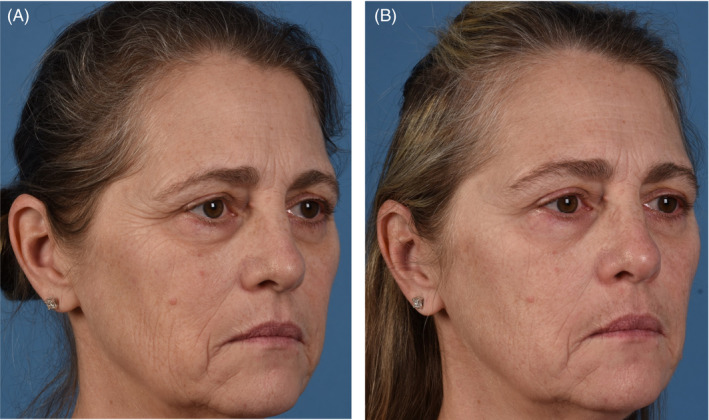
研究背景:一款微针笔(microneedling pen)已获 FDA 许可用于改善成人痤疮瘢痕外观;本研究前瞻性评估其用于面部皱纹的疗效与耐受性。
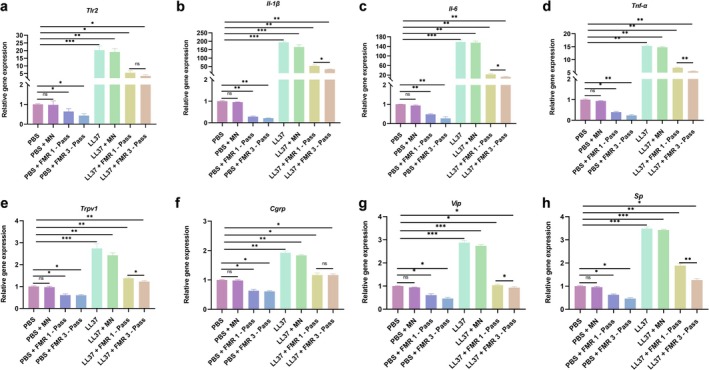
背景:难治性玫瑰痤疮可用分数微针射频(FMR)改善,但其适宜能量与脉宽参数尚未明确,临床缺乏统一方案。