性别焦虑者唇部女性化与年轻化手术27年经验
2026年10月21日32 min read
Plastic and Reconstructive Surgery Global Open
结论与实践要点
针对出生分配为男性、寻求更女性化唇形的性别焦虑者,将唇提升与脂肪移植(微脂肪增量/塑形、纳米脂肪改善肤质)组合,用于唇部女性化与年轻化。依据男女唇解剖差异(女性唇更短、更丰满、更上拱),通过缩短垂直长度、增加容积与塑形实现目标,常在一次手术中同时完成。
属单中心、长周期回顾性经验总结,无对照组、无3个月以上系统随访;照片评估仅2名专家,视角有限。专家评约95%显著/最大改善、65.3%最优,患者66.8%高满意、95.8%满意/非常满意;卡方示患者自评优于专家照片评估(P<0.001,原文方法学将显著阈值误写为P>0.001,疑为笔误)。结论适用于该特定人群,外推及与其他术式比较需更严谨研究。
Background:Despite the increasing demand, the combination of lip feminization and rejuvenation in patients assigned male at birth with gender dysphoria is rarely reported in the medical literature. We present our 27 years of experience performing these procedures in this patient population
Methods:All patients assigned male at birth with gender dysphoria from 1997 to 2023 were included and grouped into 4 age categories. Combined surgical procedures were performed to achieve lip rejuvenation and feminization, with detailed descriptions of the techniques used. Results were evaluated three months postsurgery using the Global Aesthetic Improvement Scale and the Global Satisfaction Scale. Complications and outcomes were documented, and statistical analysis was conducted to compare the differences between the results obtained.
Results:During a 27-year period, 988 patients underwent 1789 procedures. Of these, 79.8% were younger than 50 years, with the largest group being between 20 and 35 years (47.6%). However, patients older than 65 had the highest average number of procedures (2.4 per patient). The results showed a high degree of improvement and satisfaction on both evaluated scales. There were only 2 hematomas, both resolved without incident. The main issues were volume loss after fat infiltration (14.3%) and poorly positioned scars in lip lifts (13.2%).
Conclusions:Surgical procedures to feminize and rejuvenate lips can be combined in patients assigned male at birth with gender dysphoria, achieving highly satisfactory results, high patient satisfaction, and few complications
Question: There are very few scientific reports on feminization and lip rejuvenation, either isolated or combined, which is why we present our experience with these surgical procedures
Findings: Procedures such as lip lift, lip augmentation through lipoinjection, lip contouring through lipoinjection, or lip rejuvenation using nanofat grafting are procedures that can be combined to achieve feminization and lip rejuvenation in patients assigned male at birth with gender dysphoria
Meaning: The combination of different surgical procedures allows us to feminize and rejuvenate the lips in patients assigned male at birth with gender dysphoria, achieving highly gratifying results.
Anatomical and aesthetic differences between male and female lips are significant. Female lips tend to be shorter and fuller in the vermilion area compared with male lips, which are usually longer and thinner. 1 , 2 , 3 With facial aging, lips also experience this process. 4 Common effects of aging include loss of volume, elasticity, and definition, as well as elongation of the lips. 5 , 6 , 7 However, achieving more feminine lip characteristics can present additional challenges for patients assigned male at birth with gender dysphoria. 8
Recently, demand has increased among patients assigned male at birth with gender dysphoria for more feminine lips. Many, already experiencing signs of aging, seek to feminize and rejuvenate their lips simultaneously. Although the demand for this procedure is increasing, it remains relatively uncommon and has received little attention in the medical literature. Limited information on lip feminization is available globally.
Therefore, we present our 27 years of experience in performing lip feminization on patients assigned male at birth with gender dysphoria, often combined with rejuvenation procedures when necessary. This is the first study of its kind, as no prior publications specifically address the combination of lip feminization and rejuvenation in these patients. In this work, we highlight the differences between male and female lips, describe the surgical procedures that can be combined to feminize the lips, and discuss the methods that can be used simultaneously to rejuvenate them. We detail the surgical techniques and, most importantly, analyze the goals and desires of patients seeking to transform their masculine lips into a more feminine shape.
All patients assigned male at birth with gender dysphoria, regardless of age, who underwent single or combined lip feminization with or without rejuvenation procedures between January 1997 and December 2023, were included in this study. Four different surgical procedures were performed:
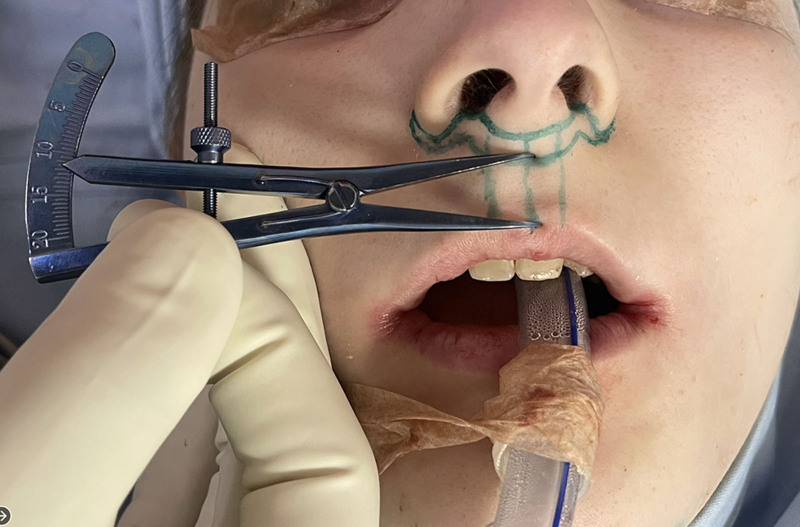
If an upper lip lift is indicated, it is performed first. A feminine and youthful lip is shorter than a masculine or aged lip. 2 , 3 The feminine lip measures 19.7 mm from the nasal base (subnasale) to the interlabial commissure (stomion), whereas the masculine lip measures 22.7 mm. 9 , 10 Similarly, the distance from the subnasale to the vermilion border (labiale superius) is 13.3 mm in feminine lips, compared with 16.7 mm in masculine lips. 9 , 10 These measurements are important to achieve a feminine and/or youthful appearance, Initially, reference lines are drawn to design the procedure, corresponding to the columns of the Cupid bow and the medial labial line. Next, we mark the upper cut line at the nasal base. Initially, we followed the curved lines of the nasal base; however, this closure left a noticeable line outside anatomical areas. Therefore, we began designing the line by introducing it into the floor of the nostrils, making the closure more concealed and the scar barely noticeable in the long term.
After marking the upper cut line, the lower cut line is marked, following a pattern similar to the upper design. The distance from the vermilion border (labiale superius) to this lower line should be between 11 and 14 mm, indicating the amount of tissue to be resected to achieve the lip lift (Fig. 1 ). Our resection includes only skin and subcutaneous tissue; we do not resect muscle or create support flaps, with only a small detachment at the lower border to ensure a closure with less tension. Closure is performed in subdermal and cutaneous layers (Fig. 2 ). The amount of tissue resected ranged from 2 to 9 mm, with an average of 5 mm.
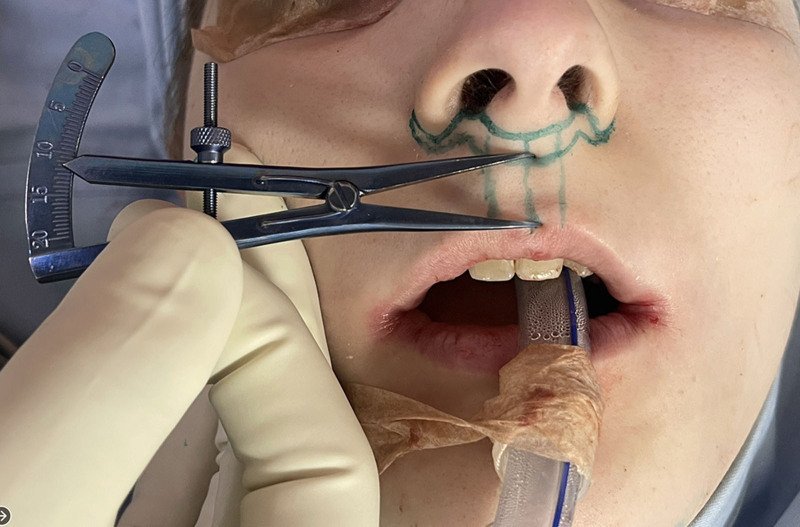
Fig. 1. The distance from the upper vermilion border to the lower incision should be 11–14 mm, which is the aesthetic measure of a youthful female lip. Our current lip lift design positions the incision inside the base of the nose to better conceal the scar, resulting in less visible scars.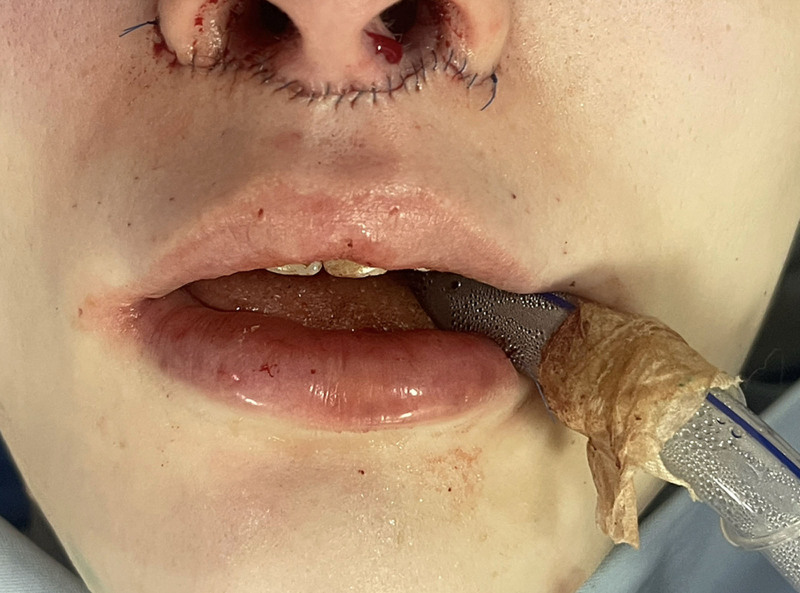
Fig. 2. The final scar from the lip lift is positioned within the base of the nose. Its curved shape, rather than linear, makes it less noticeable.
Fat is harvested from the abdominal region or inner thighs. Liposuction is performed using a 2.4-mm cannula and a 20-mL syringe. The equipment and accessories for obtaining and preparing micro- and nanofat grafts are shown in Figure 3 .
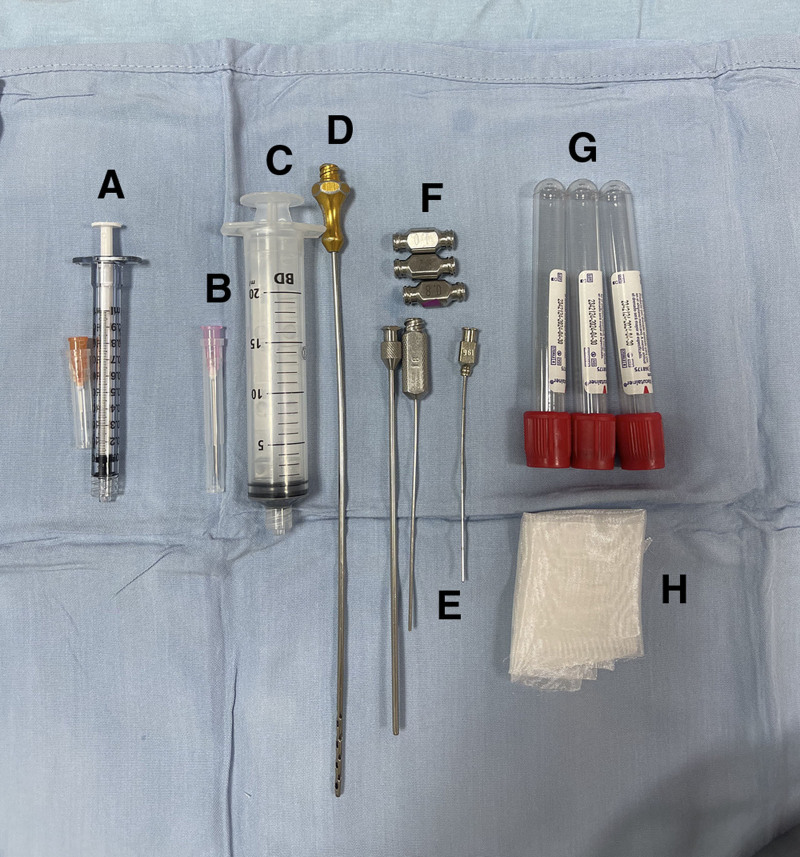
Fig. 3. Materials needed to prepare microfat and nanofat grafts. A, 1-mL syringes with 25-gauge needle for injecting nanografts. B, 18-gauge hypodermic needles for making incisions for micrograft injections and for removing connective tissue from the suctioned fat. C, A 20-mL syringe for harvesting fat and emulsifying it in the nanofat graft preparation process. D, A 2.4-mm cannula with multiple holes for liposuction. E, Blunt cannulas of various thicknesses for injecting micrografts. F, Female-to-female Luer-lock connectors of different sizes for the nanograft preparation process. G, Test tubes for centrifuging fat to obtain micrografts. H, Mesh filter for the nanograft preparation process.
Fat intended for microfat grafts is centrifuged for 3 minutes at 3000 revolutions per minute. Supernatant and infranatant liquid are removed (Fig. 4 ).
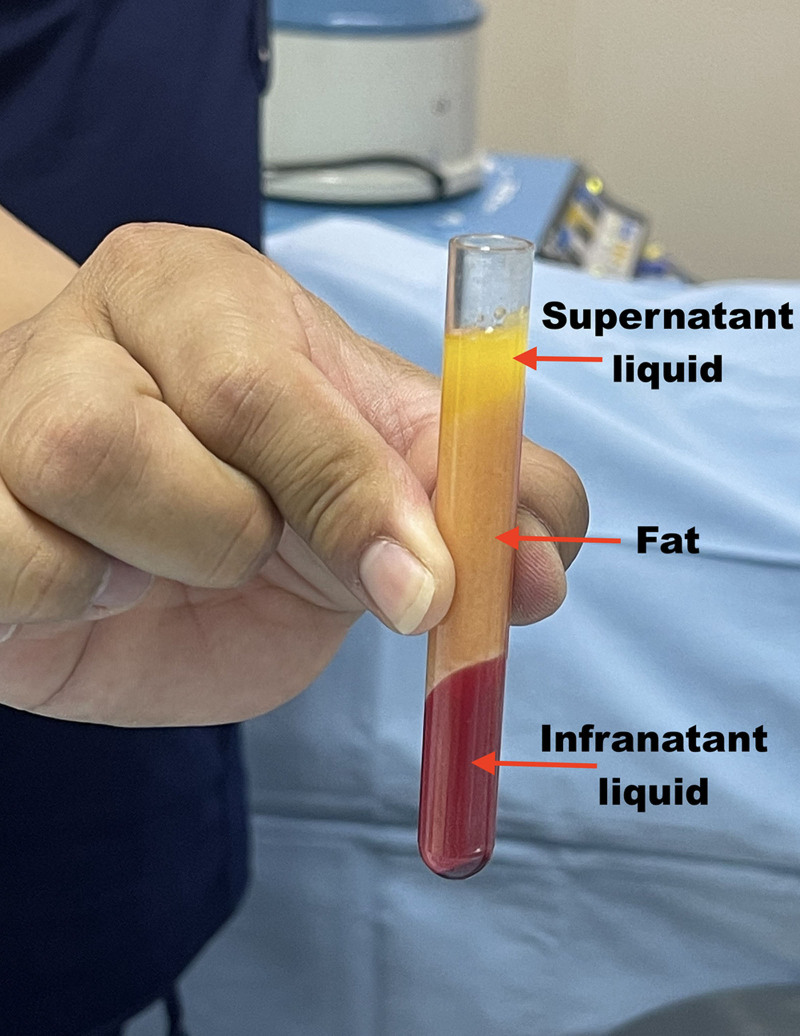
Fig. 4. In micrograft preparation, the supernatant and infranatant liquids must be removed from the centrifuged fat.
For nanofat grafts, centrifugation is not required. Fat is passed through female-to-female Luer-lock connectors of varying sizes, using two 10-mL syringes, until it reaches a 1.2-mm connector to fully emulsify the fat. The emulsified fat is then filtered to remove remaining connective tissue, allowing only the liquid containing the mesenchymal stem cells of the adipose tissue to pass through. 11 , 12 ( See Video 1 [online] , which displays micro- and macrofat preparation at low resolution.)
补充视频 / 附件(原文未随文提供原图,可于出版方页面查看)gox-12-e6345-s001.mp4Video 1 displays micro- and macrofat preparation at low resolution.
Microfat grafts are injected to achieve volume and shape in the lips. Fat is injected using 1-mL syringes and blunt 18-gauge cannulas. To outline the vermilion border, the cannula is inserted along the border to inject fat into both the upper and lower lips. The amount injected is approximately 1 to 1.5 mL per lip. The same procedure is used along the red lip to increase volume. The amount injected varies between 1 to 3 mL per lip, depending on lip characteristics and the patient’s preference.
If necessary, especially in patients with aged lips or a flattened philtrum, fat is injected into the philtrum columns to shape and rejuvenate them. The amount injected can vary between 0.5 and 1 mL. Injections into the vermilion border and philtrum columns are performed by pinching the skin to prevent fat displacement outside the targeted areas, gentle massage can be done to distribute the fat evenly. To compensate for fat absorption, which is generally around 30%, slightly more fat is injected than needed to achieve the desired effect. ( See Video 2 [online] , which displays fat grafting in lips at low resolution.) It is important to maintain the aesthetic proportions of the feminine lip, including the balance between the upper and lower lips, as well as the central prominence of the upper lip and the 2 lateral prominences of the lower lip.
补充视频 / 附件(原文未随文提供原图,可于出版方页面查看)gox-12-e6345-s002.mp4Video 2 displays fat grafting in lips at low resolution.
Liquid containing mesenchymal stem cells is injected intradermally using 0.5-mL syringes and 30-gauge needles in areas requiring skin quality improvement, particularly the perioral region. The intradermal injection causes temporary wheals due to dermal distension, which disappear within minutes. At the end of the procedure, cold compresses are applied continuously to minimize inflammation.
Patients were categorized into 4 age groups: 20–35, 36–50, 51–65, and older than 65 years. Preoperative and 3-month postoperative photographs were taken from 5 angles: front, both three-quarter views, and both profiles. These images were used to evaluate changes in volume, lip length, skin quality, and shape.
Photographs were analyzed by 2 plastic surgeons who were not involved in the study. They were informed of the surgical objectives and assessed the outcomes using the Global Aesthetic Improvement Scale which is based on female anatomical beauty standards, assigning scores from 1 to 5. The evaluations were tailored to the specific procedures each patient underwent, as not all patients had the same procedures, and the overall results were assessed accordingly
Patient satisfaction was evaluated 3 months postoperatively using the Global Satisfaction Scale, with scores ranging from 1 to 5, from lowest to highest satisfaction. This evaluation took into account each procedure performed and the overall result. Complications and their management were recorded to provide a comprehensive overview of the procedures’ safety and efficacy.
A descriptive statistical analysis was conducted, including measures of central tendency such as mean, median, and percentages. Additionally, a chi-square test was performed to compare patient satisfaction with the photographic evaluations conducted by the plastic surgeons, identifying differences between the patients’ subjective perceptions and the surgeons’ objective assessments of the surgical results. A P value greater than 0.001 was considered significant, ensuring robust correlations between the variables studied.
During the 27-year period from January 1997 to December 2023, 988 patients assigned male at birth with gender dysphoria, 22–75 years of age (mean age 39.5 y), were treated (Table 1 ). Of these patients, 79.8% were younger than 50 years. A total of 1789 procedures were performed to feminize and rejuvenate the lips, including 748 lip lifts, 557 microfat grafts for volume augmentation, 362 microfat grafts for lip contouring, and 122 nanofat graft injections to improve skin quality. Of these procedures, 74.9% were performed on patients younger than 50 years. Table 2 shows the total number of procedures, distribution by age group, and the average number of procedures per age group, with patients older than 50 having a higher average number of procedures.
Table 1. Distribution by Age
| Age Groups, y | No. Patients | Percentage, % |
|---|---|---|
| 20–35 | 471 | 47.6 |
| 36–50 | 319 | 32.2 |
| 51–65 | 128 | 12.9 |
| >66 | 70 | 7 |
| Total | 988 | 100 |
Table 2. Total Procedures Performed by Age Groups
| Surgical Procedures | |
|---|---|
| Age Groups, y | Lip Lift, n (%) |
| 20–35 | 356 (47.5) |
| 36–50 | 242 (32.3) |
| 51–65 | 97 (12.9) |
| >66 | 53 (7) |
| Total | 748 (41.8) |
Evaluations by the 2 plastic surgeons not involved in the study indicated significant or maximum improvement in about 95% of cases (Table 3 ). Additionally, 95.8% of patients reported satisfactory or very satisfactory results (Table 4 ). The chi-square test comparing overall patient satisfaction with the degree of improvement assessed by the plastic surgeons revealed a significant difference ( P < 0.001), indicating that patients reported better results than those observed by the experts in photographs. Figure 5 shows a patient with intraoperative results, whereas Figures 6 – 12 illustrate examples of different procedures, ages, and stages of postoperative evolution.
Table 3. Assessment Conducted by 2 Plastic Surgeons Not Involved in the Study Using the Global Aesthetic Improvement Scale
| Observed Improvement | Lip Lift, n (%) | Volume Increase, n (%) | Lip Contouring, n (%) | Skin Quality Improvement, n (%) | General Improvement, n (%) |
|---|---|---|---|---|---|
| 1 | 0 (0) | 0 (0) | 0 (0) | 0 (0) | 0 (0) |
| 2 | 0 (0) | 0 (0) | 0 (0) | 0 (0) | 0 (0) |
| 3 | 38 (5) | 36 (6.4) | 12 (3.3) | 3 (2.4) | 89 (4.9) |
| 4 | 212 (28.3) | 201 (36) | 79 (21.8) | 39 (31.9) | 531 (29.6) |
| 5 | 498 (66.5) | 320 (57.4) | 271 (74.8) | 80 (65.5) | 1169 (65.3) |
| Total | 748 | 557 | 362 | 122 | 1789 |
Table 4. Patient Satisfaction Level at 3 Months Postsurgery, Using the Global Satisfaction Scale
| Lip Lift, n (%) | Volume Increase, n (%) | Lip Contouring, n (%) | Skin Quality Improvement, n (%) | General Improvement, n (%) | |
|---|---|---|---|---|---|
| 1 | 0 (0) | 0 (0) | 0 (0) | 0 (0) | 0 (0) |
| 2 | 2 (0.2) | 3 (0.5) | 1 (0.2) | 3 (2.4) | 9 (0.5) |
| 3 | 15 (2) | 22 (3.9) | 19 (5.2) | 10 (8.2) | 66 (3.6) |
| 4 | 200 (26.7) | 180 (32.3) | 90 (24.8) | 50 (40.9) | 520 (29) |
| 5 | 531 (70.9) | 352 (63.1) | 252 (69.6) | 59 (48.3) | 1194 (66.8) |
| Total | 748 | 557 | 362 | 122 | 1789 |
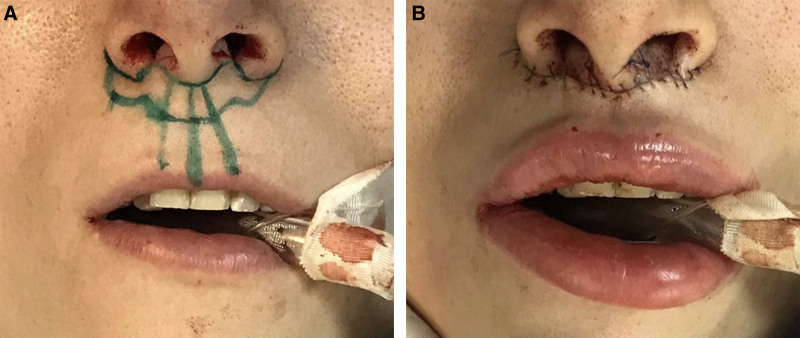
Fig. 5. Patient in the immediate postoperative period after a lip lift, lipoinjection for volume enhancement, vermilion border refinement, and Cupid’s bow contouring. A, The lip lift incision design extends into the nasal floor to minimize scar visibility. B, The combination of techniques achieves feminization and rejuvenation of the lips.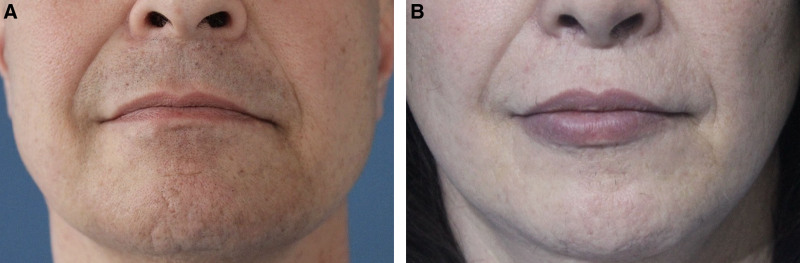
Fig. 6. A 51-year-old patient seeking lip feminization and rejuvenation with improvement of mouth corners. A, Preoperative image showing a long upper lip distance, lack of definition and volume in both lips, and drooping corners of the mouth. B, Eighteen months postoperative following a lip lift, volume and definition enhancement of the lips with lipoinjection and nanofat grafts. Fat was also injected into the nasolabial folds.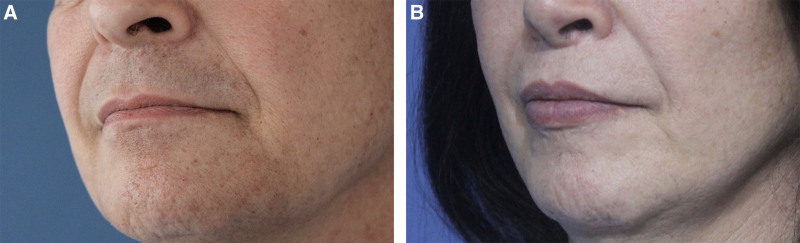
Fig. 7. Three-quarter view. A, The patient shows a complete loss of the Cupid’s bow. B, In this case, the lip lift incision was placed within the nasal floor, making it barely noticeable. There is significant improvement in the nasolabial folds.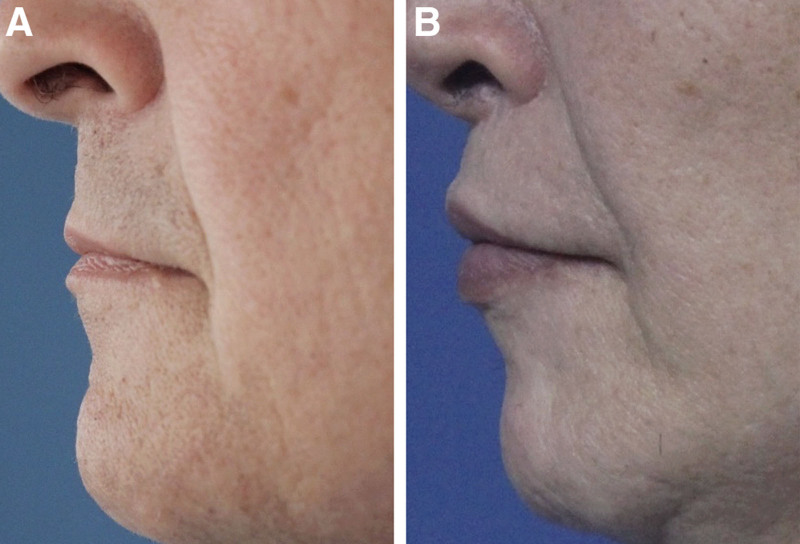
Fig. 8. Profile view. A, Long upper lip, with volume loss and inadequate projection between the upper and lower lips. B, Achieved lip shortening, improved proportion between the lips, and eversion of the upper lip, eliminating the flattening associated with aging.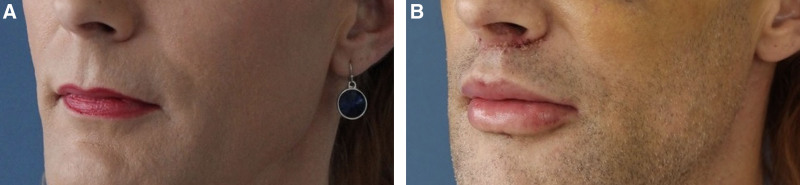
Fig. 9. A 28-year-old patient in three-quarter view. A, The long upper lip and volume loss in both lips give an aged appearance. B, Three weeks postoperative following a lip lift, lipoinjection for volume enhancement, lip contouring, and Cupid’s bow definition. Nanofat grafts were used to improve skin quality. In our initial patients, like this one, the incision design did not extend to the nasal base, making it more noticeable.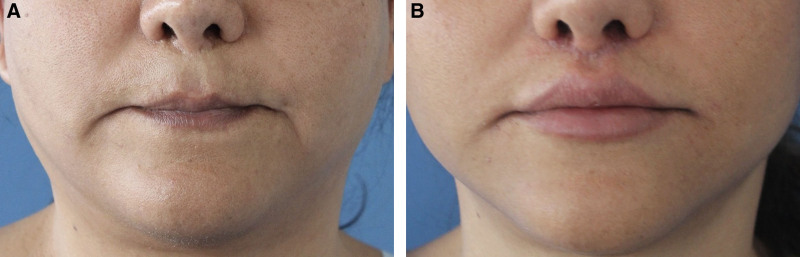
Fig. 10. A 33-year-old patient with a previous unsatisfactory lip lift. A, Shows a very small lip lacking volume and contour. B, Three months postoperative after a secondary lip lift, fat grafting for volume enhancement, lip contouring, and fat injection into the marionette lines.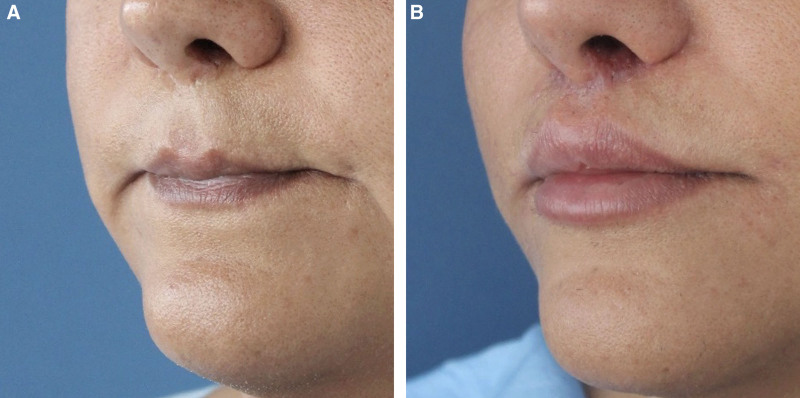
Fig. 11. Three-quarter view. A, Despite a previous lip lift surgery, the lip appears less feminine and shows signs of aging. B, Rejuvenated lip with defined Cupid’s bow and lifted mouth corners due to fat infiltration in that area.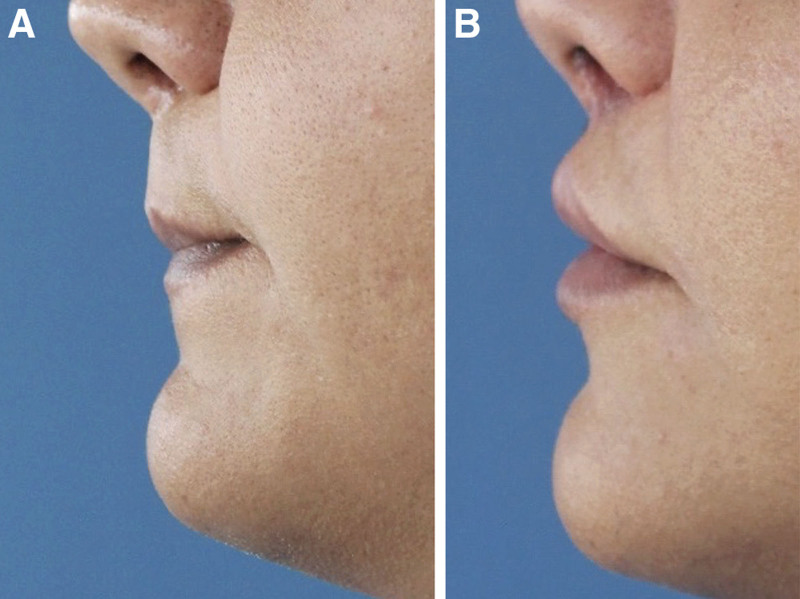
Fig. 12. Profile view. A, Shows a long upper lip with inadequate proportions and relationship to the lower lip. B, Postoperative image demonstrates lip shortening and eversion of the upper lip, with more balanced proportions relative to the lower lip.Following fat infiltration, 2 postoperative hematomas occurred, which resolved spontaneously and satisfactorily without causing asymmetry (Figs. 13 , 14 ). Reintervention for scar correction was required in 21 patients (2.1% of cases), including 13 for incorrectly located scars, 4 for hypertrophic scars, and 5 for wide scars. Table 5 details these eventualities and complications
Table 5. Complications and Eventualities
| Lip Lift, n (%)748 Patients | Volume Increase, n (%)557 Patients | Lip Contouring, n (%)362 Patients | Skin Quality Improvement, n (%)122 Patients | Total | |
|---|---|---|---|---|---|
| Incorrectly located scar | 68 (9) | NA | NA | NA | 68 (32) |
| Hypertrophic scar | 18 (2.4) | NA | NA | NA | 18 (8.4) |
| Wide scar | 13 (1.7) | NA | NA | NA | 13 (6.1) |
| Volume asymmetry | NA | 21 (3.7) | 2 (0.5) | 0 | 23 (10.7) |
| Volume loss | NA | 57 (10.2) | 33 (9.1) | NA | 90 (42.3) |
| Hematoma | 0 (0) | 2 (0.3) | 0 | 0 (0) | 2 (0.9) |
| Total | 99 (13.2) | 80 (14.3) | 33 (9.1) | 0 (0) | 212 (100) |
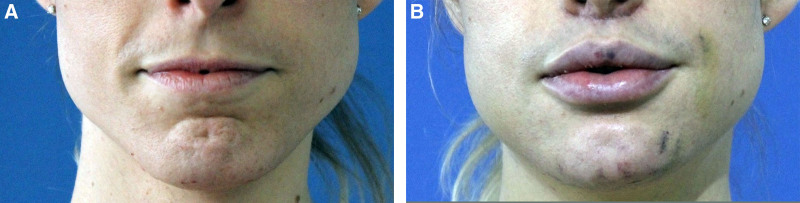
Fig. 13. A 26-year-old patient who developed a postoperative hematoma in the upper lip. A, Patient lacks adequate proportions between the upper and lower lips, has an undefined Cupid’s bow, and volume loss in both lips. B, Two weeks postoperative following a lip lift, lip contouring, and volume enhancement with microfat grafts.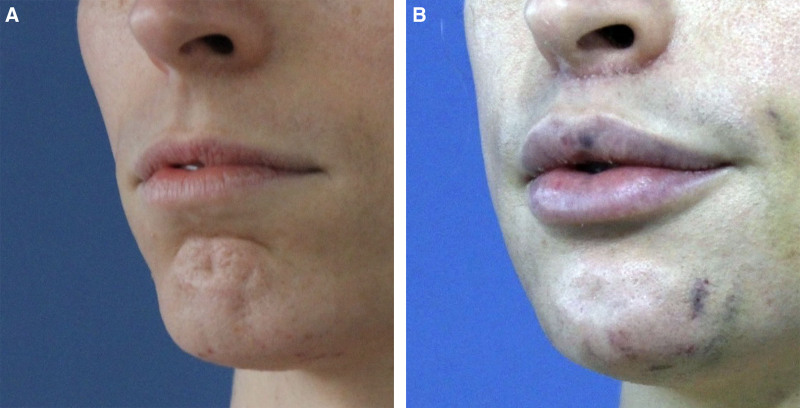
Fig. 14. Three-quarter view. A, The patient presents with lips exhibiting senile characteristics and lacking femininity. B, The hematoma was resolved with conservative measures, leaving no aesthetic sequelae.Although we did not conduct methodical follow-ups beyond 3 months, the most common condition observed in patients after several years was lip elongation with volume loss, leading some to request additional improvement.
Surgical procedures aimed at feminizing and rejuvenating the lips have been minimally studied in the medical literature, as evidenced by the lack of specific publications on this topic compared with general facial rejuvenation procedures. 13 , 14 The first publications addressing lip aging and rejuvenation were described 1978 by Gonzalez-Ulloa. 15 Since then, multiple authors have documented various techniques, including different resections at the nasal base, 16 – 27 resections in different areas adjacent to the lip, 9 , 17 , 28 volume augmentation using dermal grafts, 29 intraoral flaps, 17 , 30 and various fillers. 9 , 17 , 22 , 26 , 31 – 33 Fat infiltration 6 , 11 , 17 , 22 , 27 , 34 , 35 has also been explored, along with techniques to improve skin quality such as dermabrasion, peels, or lasers 17 , 22 , 27 , 32 , 33 and the use of botulinum toxin. 9 , 17 , 32 , 33 , 36
Although these procedures are effective for lip rejuvenation, it is important to remember that our goal is also to feminize the lip. Therefore, we must use surgical techniques that achieve both objectives simultaneously. Understanding the anatomical differences between male and female lips, as described by various authors, 2 , 3 is essential. The female lip is characterized by a shorter vertical length, greater volume, and a more arched shape compared with the male lip. 3 When treating a patients assigned male at birth with gender dysphoria, our primary focus should be on feminization while also rejuvenating the lip. 8 We achieve these goals by combining lip lift procedures with various forms of fat injections.
In a study conducted by Raschke et al, 5 it was found that male patients older than 60 years had significantly longer upper and lower cutaneous lips compared with 20-year-old patients. Similarly, 20-year-old patients exhibited significantly greater volume in the red portion of both the upper and lower lips. 5 Therefore, when performing lip feminization and rejuvenation procedures, it is crucial to address all these factors to achieve both goals in the same surgical session. The male upper lip is generally longer than the female lip, a condition that also occurs with aging, leading to elongation and flattening of the upper lip. 2 , 10 , 16 The male lip is larger in nearly all vertical measurements compared with the female lip, except for thickness. 1 The volume or height of the upper lip is less than that of the lower lip, with the lower lip being thicker than the upper lip in both sexes. 1 The cutaneous upper lip, measured from the nasal base to the vermilion border, averages 16.7 mm in men and around 13.3 mm in women. 10 Therefore, in lip feminization and rejuvenation, the goal is to achieve a measurement of around 13 mm. One of the most effective techniques for this is the lip lift performed at the nasal base, a procedure described by multiple authors for older than 50 years. 15 – 23 , 25 – 27 Changes made over the years in the technique include the implementation of nanofat grafts to improve skin quality, but, undoubtedly, the most important has been introducing the design of skin resection within the nasal base to minimize the visibility of the resulting scar (Fig. 2 ). This new design has allowed for an almost imperceptible scar.
To improve skin quality, various treatments have been reported, including lasers, peels, and dermabrasion. 17 , 22 , 27 , 32 , 33 However, we prefer the use of nanofat grafts, a recent alternative that has yielded very good results for us. 11 For lip ptosis, various cutaneous resections at the lip border have been described, 21 However, we prefer managing lip ptosis with resections at the nasal base. We adjusted our initial approach from a straight design to a more curved one, extending into the nasal base to make the scar less visible and perceptible, 23 This new design has yielded excellent results. Previously, despite achieving good final appearance, the scar’s improper position left a visible mark from the surgery Finally, although various alloplastic materials such as silicone, polymethylmethacrylate, Goretex, collagen, and hyaluronic acid have been described for volume augmentation, 31 we prefer using microfat grafts to restore both volume and shape by injecting them into the vermilion border.
Lip lift was the most frequently performed isolated procedure, accounting for 42% of procedures. This is understandable, as it effectively rejuvenates the lip, which elongates with age, and feminizes the lip, which is naturally longer in male patients. Fat injection provided improvement in 3 key areas. Using macrofat grafts, we restored volume in aged lips while feminizing them by adding the characteristic fullness of female lips. These macrofat grafts also helped delineate the lost vermilion border in aged lips and shape the lip for a more feminine appearance. Finally, nanofat grafts were primarily used to improve skin quality in aged lips, mainly in patients older than 50 years, who represented 70% of the total nanofat graft infiltrations.
Lipoinjection should be performed using micro and nanofat grafts, either separately or in combination, as each serves a specific purpose and requires different preparation methods. Microfat grafts should be carefully infiltrated to achieve optimal results. Proper fat preparation is crucial for better survival; therefore, we centrifuge the fat for 3 minutes at 3000 revolutions per minute, following the Coleman original technique. 37
To define and delineate the vermilion border of both lips or the pillars of the labial philtrum, we perform a linear infiltration, pinching the skin to palpate the cannula and prevent fat displacement. This technique is used for areas where a specifically linear volume is needed, such as the vermilion border and philtral columns. For injecting microfat grafts to add volume to the red lip, a different approach is taken, using multiple passes to build greater volume rather than a single line. It is important to use a blunt cannula for this infiltration to avoid damaging important blood vessels, which could lead to hematoma or even arterial occlusion.
The amount of fat infiltrated is crucial to achieve the appropriate proportions of a youthful feminine lip. 2 , 3 , 38 The red lip in men has an approximate volume of 7.4 mm, whereas in women it is 7.7 mm. 10 The goal of this surgery is to increase volume to these measurements while maintaining the proportions between male and female lips. The upper lip is more anterior than the lower lip in lateral view, which enhances attractiveness in women. 2 Ideal female projections show the upper lip slightly more projected than the lower lip, with the upper lip at 3.5 mm and the lower lip at 2.2 mm on a line from the chin to the subnasale area. 38 Additionally, using microfat grafts to improve marionette lines and nasolabial folds is important for rejuvenating the perioral area. Micro fat grafts are important for adding volume because they contain adipocytes, whereas nanofat grafts do not add volume but are used to improve skin quality. Therefore, it is crucial to use them according to the desired objective.
It is important to note that although patients younger than 35 constituted the largest group, representing around 45% of cases, patients of 51–65 years, and especially those older than 65 years, had the highest number of procedures per patient. This can be explained by the fact that younger patients primarily seek lip feminization, whereas older patients require additional procedures for rejuvenation. This trend highlights the importance of considering both feminization and rejuvenation in the surgical management of lips in patients assigned male at birth with gender dysphoria, adapting procedures to the specific needs of each age group to optimize outcomes and patient satisfaction. When only a single procedure is performed, achieving an optimal result is often not possible. The lip lift, the most requested procedure, only elevates the central area. To evert the lateral part, it must be combined with fat infiltration to add volume and achieve eversion. Therefore, it is crucial to understand the multiple approaches available to select the appropriate combination and achieve the desired goals.
Outcome evaluations at 3 months postsurgery, based on both expert analysis of photographs and patient feedback, showed the following results: experts rated 65.3% of the outcomes as optimal, whereas 66.8% of patients reported high satisfaction. However, the chi-square test revealed significant differences between patient satisfaction and expert photographic evaluations.
The complications and outcomes observed in our patients are consistent with those expected for each procedure performed individually. 8 , 25 Fat volume loss due to reabsorption is an expected outcome following fat injection and was the most frequently observed issue after the various surgical procedures, occurring in 42.3% of cases. It is important to inform patients about this possibility before undergoing the procedure. 35 Therefore, it is advisable to overcorrect by injecting slightly more fat than necessary, while informing the patient about the initial overcorrection during the first months and acknowledging that fat absorption may vary. The scarring process of the lip lift deserves special attention. Although fat reabsorption and volume loss are the most common outcomes, inadequate scarring is the main complication that may require reintervention. A poorly positioned scar can be easily prevented by using an appropriate incision design that extends into the nasal floor for better concealment and reduced visibility. 23
We consider the main limitation of this work to be the lack of longer patient follow-ups. Another limitation is the limited number of experts available for photographic evaluations, which restricted the range of criteria and viewpoints from experienced surgeons.
There is limited information on how to feminize and rejuvenate lips in patients assigned male at birth with gender dysphoria, despite the growing demand for these procedures. It is crucial to prioritize these patients and procedures. The goal of these patients is to achieve a feminine lip, which is accomplished by combining lip rejuvenation procedures like lip lifting and fat injection. The results of these combined techniques lead to high patient satisfaction.
The authors have no financial interest to declare in relation to the content of this article.
声明:中文精读 · 仅供学术参考。内容来自公开文献检索,不代表本人观点,不构成诊疗建议。 医疗美容需在正规医疗机构由执业医师实施。
基于相同主题推荐 · 继续深挖
1997-2023年共988例出生分配为男性的性别焦虑者接受唇女性化与年轻化,累计1789例次手术,年龄22-75岁(平均39.5岁),79.8%小于50岁。
回顾性大样本病例系列(2016年11月至2025年1月),共1999例连续手术,中位年龄36岁(IQR 31至42),中位BMI 29(IQR 26至32),最短随访6个月。

这项前瞻性、开放标签、随机、多中心(德国11个中心)上市后研究纳入121名受试者,按1:1随机接受 Belotero Volume(CPM-V,n=58)或含利多卡因的 CPM-V