基于 FAERS 数据库的肉毒毒素 A 真实世界不良反应药物警戒分析
2026年10月24日53 min read
Journal of Cosmetic Dermatology
结论与实践要点
本文是一项大规模药物警戒分析,数据来源为 FAERS 自发报告系统,覆盖 2004–2025 年共逾 15 万份 BoNT-A 相关不良事件报告。须明确:自发报告系统反映的是「报告信号」而非确证的发生率,存在严重低估与报告偏倚,不能据此推算某并发症的真实概率。
值得临床重视的发现有二:一是不良反应呈双相时间分布——注射后 30 天内为早期高峰(多与注射扩散、剂量或部位相关),360 天后仍有较小高峰(可能与迟发抗体形成或长期效应有关),提示随访不应仅局限在短期内;二是强安全信号中,「眉下垂、上睑下垂、面神经麻痹」指向毒素扩散与注射技术,而「肉毒中毒」与「单剂量产品重复使用」则指向严重操作违规。后者本可完全避免。
临床落地要点:规范稀释与剂量、避免超量、严禁将单支多剂量产品跨患者重复使用、充分知情与全程监测,是降低可避免不良事件的关键。本研究为宏观安全画像,不能直接用于个体风险预测,但为临床风险管控提供了优先级清单。
BackgroundDespite the increasing use of botulinum toxin type A (BoNT‐A) in aesthetic and therapeutic applications, its real‐world adverse drug reaction (ADR) profile remains incompletely characterized. Current evidence relies largely on small‐scale clinical observations rather than large, systematic analyses.
ObjectiveTo evaluate ADRs associated with BoNT‐A using pharmacovigilance data from the FDA Adverse Event Reporting System (FAERS) database (2004–2025).
MethodsWe analyzed 155 449 BoNT‐A‐related ADR reports from the FAERS database after deduplication and data cleaning. Disproportionality analyses were conducted using four established algorithms: reporting odds ratio (ROR), proportional reporting ratio (PRR), Bayesian confidence propagation neural network (BCPNN), and multi‐item gamma Poisson shrinker (MGPS). We evaluated time‐to‐onset and system organ class (SOC) distributions and identified high‐risk ADR signals.
ResultsA biphasic pattern of ADR onset was observed, with an initial peak within 30 days after injection and a second, smaller peak beyond the 360‐day mark. The most frequently reported SOCs were general disorders and administration‐site conditions (33.22%); injury, poisoning, and procedural complications (16.81%); and nervous system disorders (11.16%). Eyebrow ptosis, botulism, blepharoptosis, facial paresis, and reuse of single‐use products were identified as strong safety signals. Females accounted for 87.8% of reported cases, and the 18–64.9 years age group was the most affected.
ConclusionBoNT‐A is associated with a broad ADR profile spanning multiple organ systems, with identifiable temporal patterns. These findings highlight the importance of injection technique, dose control, and patient monitoring, particularly during both early and late post‐treatment phases. Enhanced pharmacovigilance and targeted risk management strategies are needed to improve patient safety in clinical practice.
Keywords: adverse event、botulinum toxin、drug reaction、FDA
1
Botulinum toxin is a neurotoxin produced by Clostridium botulinum that inhibits the release of acetylcholine at neuromuscular junctions and thus causes muscle relaxation and reduces secretions from cholinergically innervated glands, particularly sweat and salivary glands [ 1 ]. Over recent years, the clinical applications of botulinum toxin have increased substantially, now encompassing aesthetic procedures such as rhytid reduction and facial contouring as well as therapeutic interventions for conditions such as blepharospasm, hemifacial spasm, cervical dystonia, and hyperhidrosis [ 2 , 3 ]. This increased use, however, has been accompanied by a growing number of adverse drug reaction (ADR) reports. These adverse reactions span a broad spectrum, ranging from transient local effects, such as injection‐site pain and edema, to severe systemic events such as dyspnea and anaphylaxis, with rare fatal outcomes [ 4 ].
Monitoring ADRs is essential for medication safety [ 5 ]. Systematic analysis of pharmacovigilance data can reveal ADR patterns and also help identify reactions that pose the highest risk. Together, such insights can inform clinical decision‐making. Among botulinum toxin serotypes, type A (BoNT‐A) is the most widely used in both aesthetic and therapeutic settings and accounts for the majority of reported ADRs [ 6 ]. However, current data on ADRs resulting from botulinum toxin type A (BoNT‐A) have largely been derived from studies focusing either on small case series or on specific reaction types [ 7 ]. Large‐scale investigations that systematically analyze real‐world data, especially with regard to temporal patterns and system organ class (SOC) distributions, remain absent. Consequently, the full clinical risk profile of BoNT‐A remains poorly understood.
The US Food and Drug Administration Adverse Event Reporting System (FAERS) is a publicly accessible database of post‐marketing adverse event and medication error reports that is central to drug safety surveillance [ 8 , 9 , 10 , 11 , 12 , 13 , 14 , 15 ]. Based on the above research, this study uses real‐world data from the FAERS to systematically evaluate the clinical safety profile of BoNT‐A. We determine time‐to‐onset, cumulative incidence at the preferred term (PT) level, and SOC distributions to define periods of elevated risk and identify organ systems requiring closer clinical monitoring and targeted attention. Our study provides clinically relevant evidence to help clinicians personalize treatment plans and optimize monitoring protocols, and to support regulatory agencies in risk assessment and mitigation.
2
2.1
This study used adverse event (AE) reports submitted to the FAERS over 86 quarters, from the first quarter of 2004 through the second quarter of 2025. The following datasets were extracted: demographic and administrative information (DEMO), drug information (DRUG), patient outcomes (OUTC), adverse reactions (REAC), report sources (RPSR), and therapy duration (THER).
2.2
Raw data were systematically cleaned and integrated. Duplicate reports were identified and removed according to the FDA‐recommended protocol: records were sorted by PRIMARYID, CASEID, and FDA_DT (date of receipt). For records with the same CASEID, the one with the most recent FDA_DT was retained. When both CASEID and FDA_DT were identical, the record with the highest PRIMARYID was selected. To ensure all relevant cases are captured, we retrieved the standardized names for all BoNT‐A formulations (including but not limited to incobotulinumtoxinA and prabotulinumtoxinA) from the MeSH database of the National Library of Medicine. Reports identifying any BoNT‐A product as the “primary suspect” were selected for analysis. Finally, all reported PTs were standardized and mapped to their corresponding SOCs using the latest version of the Medical Dictionary for Regulatory Activities (MedDRA).
2.3
Potential safety signals were identified using four disproportionality analysis algorithms—reporting odds ratio (ROR), proportional reporting ratio (PRR), Bayesian confidence propagation neural network (BCPNN), and multi‐item gamma Poisson shrinker (MGPS)—following previously described procedures and thresholds [ 16 ]. The higher the values obtained through these four analyses, the stronger the statistical association between BoNT‐A and an AE.
All statistical analyses were performed using the R software (version 4.3.0). A two‐tailed p value < 0.05 was considered statistically significant.
3
3.1
In total, 155 449 BoNT‐A‐related AE reports, encompassing 27 distinct SOCs, were analyzed (Figure 1 ). The three most frequently reported SOCs were general disorders and administration‐site conditions ( n = 51 639; 33.22%); injury, poisoning, and procedural complications ( n = 26 128; 16.81%); and nervous system disorders ( n = 17 342; 11.16%). Eye disorders ( n = 12 160; 7.82%) and musculoskeletal and connective tissue disorders ( n = 8402; 5.40%) were the other notable SOCs.
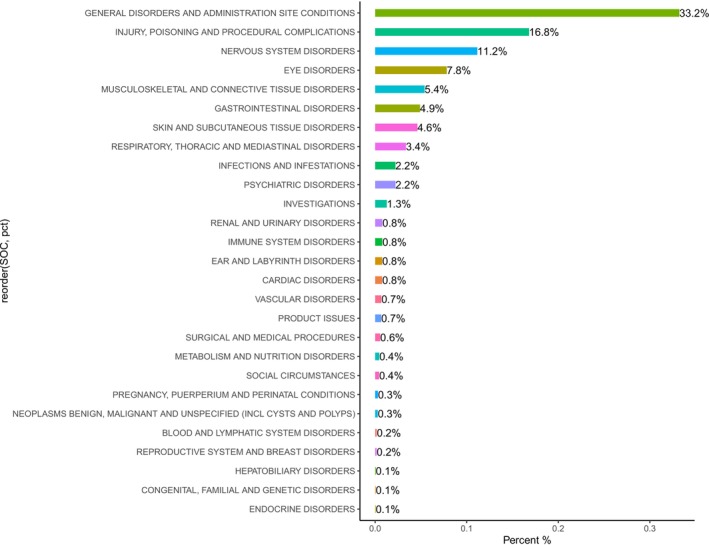
FIGURE 1 Distribution of ADRs associated with BoNT‐A by SOC.BoNT-A 不良反应按系统器官分类(SOC)的分布。Gastrointestinal disorders ( n = 7627; 4.91%); skin and subcutaneous tissue disorders ( n = 7171; 4.61%); respiratory, thoracic, and mediastinal disorders ( n = 5233; 3.37%); and psychiatric disorders ( n = 3444; 2.22%) were other SOCs of note. Endocrine disorders and congenital, familial, and genetic disorders were rarely reported (0.06% each).
3.2
After deduplication and data cleaning, 60 622 unique cases were retained for analysis. Baseline demographic and reporting characteristics are presented in Table 1 .
TABLE 1 Baseline characteristics of adverse event reports associated with botulinum toxin‐A (BoNT‐A) treatments.
| Category | Sub‐item | Quantity ( n ) | Proportion (%) |
|---|---|---|---|
| Sex | Female | 53 208 | 87.8 |
| Male | 7414 | 12.2 | |
| Weight | < 50 kg | 932 | 1.5 |
| > 100 kg | 331 | 0.5 | |
| 50–100 kg | 4948 | 8.2 | |
| Missing data | 54 411 | 89.8 | |
| Age | < 18 years old | 1244 | 2.1 |
| > 85 years old | 214 | 0.4 | |
| 18–64.9 years old | 23 001 | 37.9 | |
| 65–85 years old | 3529 | 5.8 | |
| Missing data | 32 634 | 53.8 | |
| Occupation | Consumer | 19 707 | 32.5 |
| Health professional | 8401 | 13.9 | |
| Other Laborer | 31 | 0.1 | |
| Physician | 18 270 | 30.1 | |
| Pharmacist | 1112 | 1.8 | |
| Nurse | 6 | 0 | |
| Other occupation | 11 137 | 18.4 | |
| Missing data | 1958 | 3.2 | |
| Outcome | Congenital anomaly | 8 | 0 |
| Death | 1240 | 2 | |
| Disability | 597 | 1 | |
| Hospitalization | 2396 | 4 | |
| Life‐threatening | 285 | 0.5 | |
| Recovery | 39 | 0.1 | |
| Other outcome | 3673 | 6.1 | |
| Missing data | 52 384 | 86.4 | |
| Reporter country | United States | 51 421 | 0.85 |
| Other countries | 9201 | 0.15 | |
| Serious cases or not | Not serious | 52 384 | 86.4 |
| Serious | 8238 | 13.6 | |
| Fatal or not | Not fatal | 59 382 | 98 |
| Fatal | 1240 | 2 | |
| Reporter type | Consumer | 19 707 | 32.5 |
| Health professional | 8401 | 13.9 | |
| Pharmacist | 1112 | 1.8 | |
| Physician | 18 270 | 30.1 | |
| Missing | 13 132 | 21.7 | |
| Data acquisition year | 2004 | 110 | 0.2 |
| 2005 | 106 | 0.2 | |
| 2006 | 120 | 0.2 | |
| 2007 | 170 | 0.3 | |
| 2008 | 482 | 0.8 | |
| 2009 | 372 | 0.6 | |
| 2010 | 4476 | 7.4 | |
| 2011 | 1493 | 2.5 | |
| 2012 | 2935 | 4.8 | |
| 2013 | 2938 | 4.8 | |
| 2014 | 2889 | 4.8 | |
| 2015 | 3314 | 5.5 | |
| 2016 | 4428 | 7.3 | |
| 2017 | 4394 | 7.2 | |
| 2018 | 4839 | 8 | |
| 2019 | 5110 | 8.4 | |
| 2020 | 4156 | 6.9 | |
| 2021 | 4364 | 7.2 | |
| 2022 | 4147 | 6.8 | |
| 2023 | 5868 | 9.7 | |
| 2024 | 3911 | 6.5 |
The majority of AEs were in female patients (87.80%), a proportion roughly seven times greater than that of males (12.20%). The highest proportion of events (37.90%) was reported in the 18–64.9 years age group. Healthcare professionals submitted 45.80% of all reports, with physicians contributing 30.10%, other medical staff 13.90%, and pharmacists 1.80%. Reports submitted by patients themselves accounted for a substantial 32.50%.
Most AEs were of low severity, with 86.40% of cases classified as nonserious by the reporter and 98.00% as nonfatal. The most commonly recorded outcomes were other outcomes (6.10%), hospitalization (4.00%), and death (2.00%). Geographically, most reports (84.82%) originated from the United States of America. The annual reporting volume rose steadily over the study period until 2010, when a marked increase was observed. A modest fluctuation was observed between 2020 and 2022, followed by a new peak in 2023.
3.3
Time‐to‐onset analysis revealed a biphasic distribution of event onset times (Figure 2 ). The first peak corresponded to AEs with onset within 30 days of injection ( n = 4857; 29.60%). A second, smaller peak ( n = 501; 3.0%) corresponded to AEs with onset occurring 360 days after injection. Event onset was least frequent between 151 and 180 days ( n = 70; 0.42%).
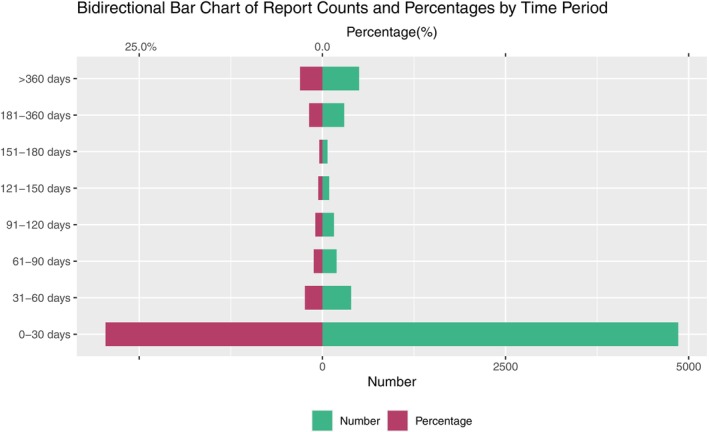
FIGURE 2 Bidirectional bar chart of BoNT‐A‐associated ADR reports by time‐to‐onset period.BoNT-A 相关不良反应按发病时间区间的双向条形图。Cumulative incidence analysis identified 7347 distinct PTs (Figure 3 ). Dysphagia persisted for up to 7702 days, the longest documented duration. Other prolonged events included facial paralysis (6360 days), neck pain (5928 days), and drug ineffectiveness (5917 days). The majority of symptoms resolved within 4000 days.
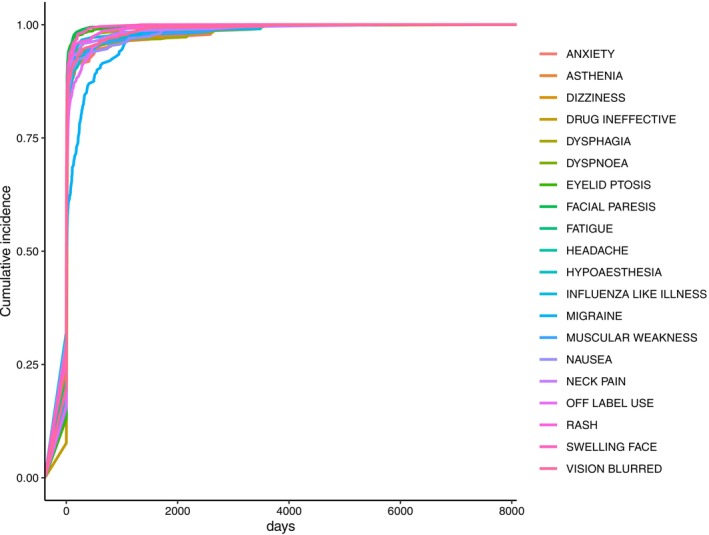
FIGURE 3 Cumulative incidence of common ADRs of BoNT‐A.BoNT-A 常见不良反应的累积发生率。3.4
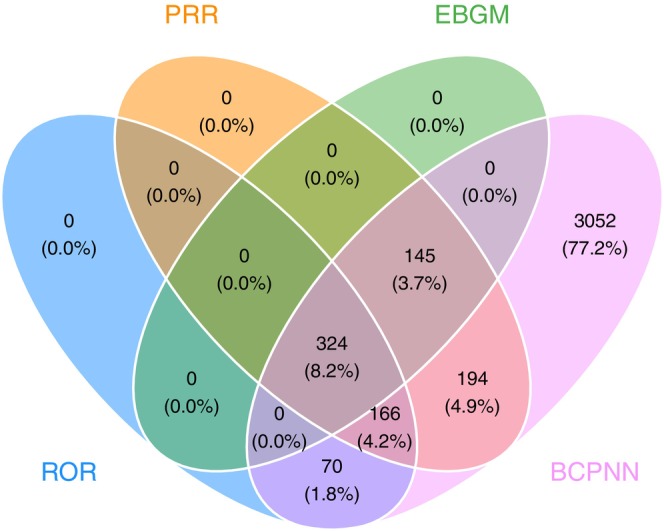
The four disproportionality algorithms (PRR, EBGM, BCPNN, and ROR) detected 3951 safety signals at the PT level (Figure 4 ). Of these, 324 PTs satisfied the threshold criteria for all four algorithms, 311 met the criteria for three algorithms, and 264 for two. These findings indicate a broad range of ADRs with strong disproportionality signals.
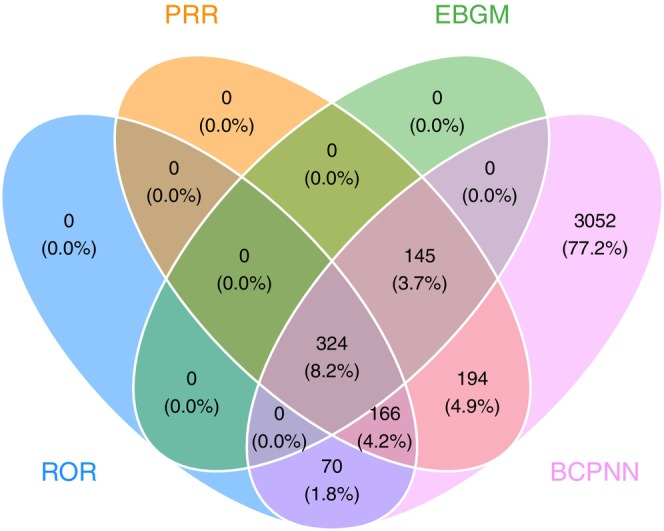
FIGURE 4 Venn diagram showing the overlap of ADR signals identified by the four pharmacovigilance algorithms.四种药物警戒算法所识别安全信号重叠的韦恩图。Table 2 summarizes AEs with strong disproportionality signals across 14 SOCs and 156 corresponding PTs, identified using predefined signal detection criteria ( n > 3, ROR > 3, and IC 0.25 > 0). By frequency of reports, drug ineffectiveness ( n = 22 262) and off‐label use ( n = 11 441) were the most commonly reported PTs.
TABLE 2 High‐disproportionality adverse drug reactions (ADRs) associated with BoNT‐A by system organ class (SOC).
| System organ class (SOC) | Preferred terms (PT) | Case reports | ROR (95% CI) | PRR (95% CI) | χ 2 | IC (IC025) | EBGM (EBGM05) |
|---|---|---|---|---|---|---|---|
| General disorders and administration site conditions | Drug ineffective | 22 262 | 8.22 (8.11–8.34) | 7.19 (118 401.14) | 118 401.14 | 2.82 (2.8) | 7.05 (6.95) |
| Injury, poisoning and procedural complications | Off label use | 11 441 | 6.55 (6.43–6.68) | 6.14 (48 929.54) | 48 929.54 | 2.6 (2.57) | 6.05 (5.93) |
| General disorders and administration site conditions | Therapeutic response decreased | 4340 | 34.1 (33.04–35.2) | 33.17 (122 808.02) | 122 808.02 | 4.91 (4.86) | 30.15 (29.21) |
| Nervous system disorders | Headache | 3501 | 2.2 (2.13–2.28) | 2.17 (2227.19) | 2227.19 | 1.11 (1.06) | 2.17 (2.09) |
| Injury, poisoning and procedural complications | Product preparation error | 3179 | 99.12 (95.23–103.17) | 97.11 (231 995.87) | 231 995.87 | 6.22 (6.13) | 74.72 (71.79) |
| Eye disorders | Eyelid ptosis | 3140 | 211.75 (202.39–221.54) | 207.49 (391 328.68) | 391 328.68 | 6.98 (6.86) | 126.21 (120.63) |
| General disorders and administration site conditions | Injection site pain | 3021 | 4.14 (3.99–4.29) | 4.08 (6969.05) | 6969.05 | 2.01 (1.96) | 4.04 (3.9) |
| Injury, poisoning and procedural complications | Wrong technique in product usage process | 2705 | 4.67 (4.49–4.85) | 4.61 (7558.07) | 7558.07 | 2.19 (2.13) | 4.56 (4.38) |
| Gastrointestinal disorders | Dysphagia | 1911 | 7.85 (7.5–8.22) | 7.77 (11 013.97) | 11 013.97 | 2.93 (2.85) | 7.6 (7.27) |
| Musculoskeletal and connective tissue disorders | Muscular weakness | 1876 | 6.45 (6.16–6.76) | 6.39 (8376.5) | 8376.5 | 2.65 (2.58) | 6.28 (6) |
| Injury, poisoning and procedural complications | Multiple use of single‐use product | 1450 | 258.89 (241.56–277.46) | 256.48 (204 739.75) | 204 739.75 | 7.16 (6.93) | 142.74 (133.19) |
| Eye disorders | Vision blurred | 1427 | 4.13 (3.92–4.35) | 4.1 (3312.89) | 3312.89 | 2.02 (1.94) | 4.06 (3.86) |
| General disorders and administration site conditions | Injection site swelling | 1161 | 6.33 (5.97–6.71) | 6.29 (5073.23) | 5073.23 | 2.63 (2.54) | 6.19 (5.84) |
| Nervous system disorders | Migraine | 1143 | 4.93 (4.65–5.23) | 4.91 (3505.39) | 3505.39 | 2.28 (2.19) | 4.85 (4.57) |
| General disorders and administration site conditions | Swelling face | 1121 | 6.78 (6.39–7.2) | 6.74 (5372.7) | 5372.7 | 2.73 (2.63) | 6.62 (6.24) |
| Musculoskeletal and connective tissue disorders | Neck pain | 1061 | 7.41 (6.97–7.88) | 7.37 (5710.74) | 5710.74 | 2.85 (2.75) | 7.22 (6.79) |
| Nervous system disorders | Hypoaesthesia | 966 | 2.44 (2.29–2.6) | 2.43 (808.52) | 808.52 | 1.27 (1.18) | 2.42 (2.27) |
| Nervous system disorders | Facial paresis | 911 | 133.8 (123.83–144.57) | 133.02 (84 293.95) | 84 293.95 | 6.56 (6.31) | 94.22 (87.2) |
| General disorders and administration site conditions | Influenza like illness | 850 | 3.85 (3.6–4.12) | 3.84 (1765.29) | 1765.29 | 1.93 (1.82) | 3.8 (3.56) |
| General disorders and administration site conditions | Therapeutic response shortened | 733 | 13.59 (12.62–14.63) | 13.53 (8160.72) | 8160.72 | 3.7 (3.57) | 13.02 (12.09) |
| General disorders and administration site conditions | Drug ineffective for unapproved indication | 724 | 5.9 (5.48–6.35) | 5.87 (2877.52) | 2877.52 | 2.53 (2.41) | 5.79 (5.38) |
| Eye disorders | Eye swelling | 713 | 7.67 (7.12–8.27) | 7.64 (4022.33) | 4022.33 | 2.9 (2.78) | 7.49 (6.95) |
| Eye disorders | Diplopia | 617 | 9.66 (8.91–10.46) | 9.62 (4629.54) | 4629.54 | 3.23 (3.09) | 9.37 (8.65) |
| Nervous system disorders | Facial paralysis | 538 | 15.19 (13.93–16.57) | 15.14 (6786.52) | 6786.52 | 3.86 (3.7) | 14.5 (13.3) |
| Injury, poisoning and procedural complications | Product storage error | 504 | 2.94 (2.69–3.21) | 2.94 (637.99) | 637.99 | 1.54 (1.41) | 2.92 (2.67) |
| Skin and subcutaneous tissue disorders | Brow ptosis | 502 | 10 060.91 (6115.86–16 550.72) | 10 028.42 (155 469.17) | 155 469.17 | 8.28 (7.4) | 310.73 (188.89) |
| Respiratory, thoracic and mediastinal disorders | Dysphonia | 493 | 3.26 (2.98–3.56) | 3.25 (761.24) | 761.24 | 1.69 (1.55) | 3.23 (2.95) |
| Eye disorders | Dry eye | 488 | 4.41 (4.03–4.82) | 4.4 (1266.06) | 1266.06 | 2.12 (1.98) | 4.35 (3.98) |
| Injury, poisoning and procedural complications | Product preparation issue | 487 | 86.99 (78.69–96.16) | 86.72 (32 459.1) | 32 459.1 | 6.1 (5.77) | 68.43 (61.9) |
| Nervous system disorders | Burning sensation | 469 | 2.57 (2.35–2.82) | 2.57 (445.57) | 445.57 | 1.35 (1.21) | 2.55 (2.33) |
| Eye disorders | Eyelid oedema | 466 | 14.95 (13.62–16.41) | 14.91 (5778.25) | 5778.25 | 3.84 (3.66) | 14.29 (13.02) |
| Nervous system disorders | Speech disorder | 460 | 3.29 (3–3.61) | 3.29 (725.38) | 725.38 | 1.71 (1.56) | 3.26 (2.98) |
| Injury, poisoning and procedural complications | Poor quality product administered | 439 | 12.3 (11.18–13.54) | 12.27 (4378.16) | 4378.16 | 3.57 (3.39) | 11.86 (10.78) |
| General disorders and administration site conditions | Injection site rash | 410 | 5.59 (5.07–6.16) | 5.58 (1514.68) | 1514.68 | 2.46 (2.3) | 5.5 (4.99) |
| Eye disorders | Eye pain | 375 | 2.84 (2.56–3.14) | 2.83 (440.74) | 440.74 | 1.49 (1.34) | 2.82 (2.54) |
| General disorders and administration site conditions | Injection site mass | 362 | 3.89 (3.51–4.31) | 3.88 (765.78) | 765.78 | 1.94 (1.78) | 3.85 (3.47) |
| Injury, poisoning and procedural complications | Incorrect route of product administration | 343 | 2.54 (2.29–2.83) | 2.54 (318.01) | 318.01 | 1.34 (1.18) | 2.53 (2.27) |
| Renal and urinary disorders | Urinary retention | 310 | 3.69 (3.3–4.12) | 3.68 (598.84) | 598.84 | 1.87 (1.69) | 3.65 (3.26) |
| Skin and subcutaneous tissue disorders | Skin tightness | 306 | 26.59 (23.66–29.88) | 26.54 (6945.24) | 6945.24 | 4.62 (4.34) | 24.58 (21.88) |
| Skin and subcutaneous tissue disorders | Skin wrinkling | 302 | 50.16 (44.43–56.64) | 50.07 (12 556.05) | 12 556.05 | 5.44 (5.07) | 43.42 (38.46) |
| Infections and infestations | Botulism | 296 | 1215.27 (946.92–1559.67) | 1212.96 (74 756.23) | 74 756.23 | 7.99 (6.87) | 253.76 (197.73) |
| General disorders and administration site conditions | Facial pain | 293 | 13.21 (11.75–14.84) | 13.18 (3168.64) | 3168.64 | 3.67 (3.44) | 12.7 (11.3) |
| Nervous system disorders | Head discomfort | 292 | 6.83 (6.08–7.67) | 6.82 (1420.09) | 1420.09 | 2.74 (2.55) | 6.7 (5.96) |
| Musculoskeletal and connective tissue disorders | Muscle twitching | 282 | 4.7 (4.17–5.28) | 4.69 (806.91) | 806.91 | 2.21 (2.02) | 4.64 (4.12) |
| Ear and labyrinth disorders | Tinnitus | 278 | 2.38 (2.11–2.68) | 2.38 (220.21) | 220.21 | 1.24 (1.06) | 2.37 (2.1) |
| Nervous system disorders | Dysarthria | 274 | 2.77 (2.46–3.12) | 2.76 (305.87) | 305.87 | 1.46 (1.27) | 2.75 (2.44) |
| Musculoskeletal and connective tissue disorders | Muscle tightness | 266 | 6.3 (5.58–7.12) | 6.29 (1161.61) | 1161.61 | 2.63 (2.42) | 6.19 (5.48) |
| Eye disorders | Lacrimation increased | 259 | 3.58 (3.17–4.05) | 3.58 (475.81) | 475.81 | 1.83 (1.63) | 3.55 (3.14) |
| Pregnancy, puerperium and perinatal conditions | Pregnancy | 258 | 4.91 (4.34–5.56) | 4.91 (790.48) | 790.48 | 2.28 (2.07) | 4.85 (4.29) |
| Respiratory, thoracic and mediastinal disorders | Throat tightness | 237 | 3.43 (3.02–3.9) | 3.43 (403.8) | 403.8 | 1.77 (1.56) | 3.4 (2.99) |
| Musculoskeletal and connective tissue disorders | Facial asymmetry | 235 | 156.72 (134.07–183.2) | 156.49 (24 373.41) | 24 373.41 | 6.72 (5.97) | 105.38 (90.15) |
| Psychiatric disorders | Panic attack | 229 | 2.4 (2.11–2.73) | 2.4 (185.31) | 185.31 | 1.26 (1.06) | 2.39 (2.1) |
| Eye disorders | Photophobia | 218 | 4.79 (4.19–5.48) | 4.79 (643.66) | 643.66 | 2.24 (2.02) | 4.73 (4.14) |
| Eye disorders | Eye disorder | 209 | 2.53 (2.21–2.9) | 2.53 (191.53) | 191.53 | 1.33 (1.12) | 2.52 (2.2) |
| Gastrointestinal disorders | Lip swelling | 204 | 2.39 (2.08–2.74) | 2.38 (162.88) | 162.88 | 1.25 (1.04) | 2.37 (2.07) |
| Eye disorders | Periorbital swelling | 201 | 18.64 (16.17–21.49) | 18.62 (3166.54) | 3166.54 | 4.14 (3.82) | 17.65 (15.31) |
| Gastrointestinal disorders | Hypoaesthesia oral | 197 | 5.06 (4.4–5.83) | 5.06 (631.7) | 631.7 | 2.32 (2.08) | 5 (4.34) |
| General disorders and administration site conditions | Injection site urticaria | 196 | 3.28 (2.85–3.78) | 3.28 (307.27) | 307.27 | 1.7 (1.48) | 3.25 (2.83) |
| Injury, poisoning and procedural complications | Product administered at inappropriate site | 195 | 3.01 (2.61–3.46) | 3 (258.53) | 258.53 | 1.58 (1.36) | 2.99 (2.59) |
| Nervous system disorders | Paralysis | 188 | 4.92 (4.26–5.68) | 4.91 (576.97) | 576.97 | 2.28 (2.04) | 4.85 (4.2) |
| Eye disorders | Swelling of eyelid | 172 | 13.69 (11.75–15.95) | 13.68 (1938.05) | 1938.05 | 3.72 (3.4) | 13.16 (11.29) |
| Eye disorders | Asthenopia | 163 | 12.55 (10.73–14.67) | 12.53 (1664.76) | 1664.76 | 3.6 (3.27) | 12.1 (10.34) |
| Injury, poisoning and procedural complications | Prescribed overdose | 160 | 3.45 (2.95–4.04) | 3.45 (275.54) | 275.54 | 1.78 (1.53) | 3.42 (2.93) |
| Musculoskeletal and connective tissue disorders | Muscle atrophy | 146 | 4.74 (4.02–5.58) | 4.73 (423.92) | 423.92 | 2.23 (1.95) | 4.68 (3.97) |
| Eye disorders | Periorbital oedema | 142 | 10.91 (9.23–12.89) | 10.9 (1234.48) | 1234.48 | 3.4 (3.06) | 10.57 (8.94) |
| General disorders and administration site conditions | Injection site nodule | 142 | 5.01 (4.24–5.91) | 5.01 (448.4) | 448.4 | 2.31 (2.02) | 4.95 (4.19) |
| Nervous system disorders | Neuromuscular toxicity | 140 | 533.2 (406.81–698.86) | 532.72 (27 862.92) | 27 862.92 | 7.65 (6.06) | 200.39 (152.89) |
| Respiratory, thoracic and mediastinal disorders | Choking | 132 | 2.73 (2.3–3.24) | 2.73 (143.54) | 143.54 | 1.44 (1.17) | 2.72 (2.29) |
| Eye disorders | Blepharospasm | 129 | 9.87 (8.28–11.76) | 9.86 (996.31) | 996.31 | 3.26 (2.91) | 9.59 (8.05) |
| Nervous system disorders | Sensory disturbance | 128 | 2.98 (2.5–3.55) | 2.98 (166.57) | 166.57 | 1.57 (1.29) | 2.96 (2.49) |
| General disorders and administration site conditions | Drug effect less than expected | 126 | 6.87 (5.76–8.2) | 6.86 (618.07) | 618.07 | 2.75 (2.43) | 6.74 (5.65) |
| General disorders and administration site conditions | Injection site discomfort | 125 | 5.22 (4.38–6.23) | 5.22 (419.74) | 419.74 | 2.37 (2.06) | 5.15 (4.32) |
| Eye disorders | Ocular discomfort | 122 | 5.18 (4.33–6.2) | 5.18 (404.93) | 404.93 | 2.35 (2.04) | 5.11 (4.27) |
| General disorders and administration site conditions | Mass | 119 | 3.27 (2.73–3.92) | 3.27 (185.93) | 185.93 | 1.7 (1.41) | 3.25 (2.71) |
| Ear and labyrinth disorders | Ear discomfort | 118 | 4.53 (3.78–5.44) | 4.53 (320.34) | 320.34 | 2.16 (1.86) | 4.48 (3.74) |
| Musculoskeletal and connective tissue disorders | Mastication disorder | 115 | 14.98 (12.43–18.07) | 14.97 (1432.5) | 1432.5 | 3.84 (3.41) | 14.35 (11.9) |
| Injury, poisoning and procedural complications | Nerve injury | 105 | 3.55 (2.93–4.3) | 3.55 (190) | 190 | 1.82 (1.5) | 3.52 (2.9) |
| General disorders and administration site conditions | Injection site oedema | 92 | 22.53 (18.23–27.83) | 22.52 (1767.14) | 1767.14 | 4.4 (3.81) | 21.1 (17.08) |
| Eye disorders | Lagophthalmos | 91 | 116.41 (91.57–147.99) | 116.35 (7629.26) | 7629.26 | 6.42 (5.14) | 85.56 (67.31) |
| General disorders and administration site conditions | Nodule | 91 | 2.64 (2.14–3.24) | 2.63 (91.56) | 91.56 | 1.39 (1.06) | 2.62 (2.13) |
| Eye disorders | Eye discharge | 90 | 3.64 (2.96–4.48) | 3.64 (170.15) | 170.15 | 1.85 (1.51) | 3.61 (2.93) |
| Nervous system disorders | Tension headache | 90 | 8.44 (6.84–10.4) | 8.43 (574.36) | 574.36 | 3.04 (2.63) | 8.24 (6.68) |
| General disorders and administration site conditions | Tenderness | 88 | 3.17 (2.57–3.91) | 3.17 (129.21) | 129.21 | 1.65 (1.31) | 3.15 (2.55) |
| Eye disorders | Eyelid disorder | 85 | 14.73 (11.85–18.3) | 14.72 (1038.97) | 1038.97 | 3.82 (3.3) | 14.11 (11.36) |
| Social circumstances | Impaired driving ability | 85 | 2.82 (2.28–3.5) | 2.82 (99.25) | 99.25 | 1.49 (1.15) | 2.81 (2.27) |
| Nervous system disorders | Drooling | 83 | 5.07 (4.08–6.3) | 5.07 (266.65) | 266.65 | 2.32 (1.94) | 5 (4.03) |
| General disorders and administration site conditions | Injection site inflammation | 80 | 6.63 (5.31–8.27) | 6.62 (374.31) | 374.31 | 2.7 (2.28) | 6.51 (5.22) |
| Musculoskeletal and connective tissue disorders | Muscle disorder | 78 | 3.58 (2.87–4.48) | 3.58 (143.59) | 143.59 | 1.83 (1.46) | 3.55 (2.84) |
| Eye disorders | Ophthalmoplegia | 77 | 15.41 (12.26–19.37) | 15.4 (989.28) | 989.28 | 3.88 (3.31) | 14.74 (11.73) |
| Nervous system disorders | Hypotonia | 76 | 2.93 (2.33–3.67) | 2.93 (95.47) | 95.47 | 1.54 (1.17) | 2.91 (2.32) |
| Eye disorders | Eyelid sensory disorder | 73 | 218.17 (162.01–293.78) | 218.07 (9376.29) | 9376.29 | 7.02 (5.17) | 130.03 (96.56) |
| General disorders and administration site conditions | Sensation of foreign body | 73 | 3.57 (2.83–4.5) | 3.57 (133.47) | 133.47 | 1.82 (1.44) | 3.54 (2.81) |
| Eye disorders | Eye movement disorder | 73 | 3.66 (2.9–4.61) | 3.66 (139.36) | 139.36 | 1.86 (1.47) | 3.63 (2.88) |
| Respiratory, thoracic and mediastinal disorders | Aspiration | 71 | 2.62 (2.07–3.3) | 2.62 (70.28) | 70.28 | 1.38 (1.01) | 2.6 (2.06) |
| Eye disorders | Abnormal sensation in eye | 71 | 6.28 (4.97–7.95) | 6.28 (309.21) | 309.21 | 2.63 (2.18) | 6.18 (4.89) |
| Musculoskeletal and connective tissue disorders | Trismus | 70 | 5.33 (4.21–6.75) | 5.33 (242.2) | 242.2 | 2.39 (1.97) | 5.26 (4.15) |
| Product issues | Product distribution issue | 69 | 5.27 (4.15–6.69) | 5.27 (234.78) | 234.78 | 2.38 (1.95) | 5.2 (4.1) |
| General disorders and administration site conditions | Injection site hypoaesthesia | 68 | 21.28 (16.64–27.2) | 21.27 (1231.45) | 1231.45 | 4.32 (3.61) | 20 (15.65) |
| Social circumstances | Patient dissatisfaction with treatment | 68 | 23.41 (18.3–29.94) | 23.4 (1358.43) | 1358.43 | 4.45 (3.71) | 21.87 (17.09) |
| Nervous system disorders | Facial spasm | 67 | 24.32 (18.97–31.18) | 24.31 (1391.58) | 1391.58 | 4.5 (3.74) | 22.66 (17.68) |
| Eye disorders | Strabismus | 67 | 9.54 (7.48–12.16) | 9.53 (497.06) | 497.06 | 3.22 (2.69) | 9.29 (7.28) |
| Gastrointestinal disorders | Lip disorder | 66 | 13.44 (10.51–17.2) | 13.44 (729.11) | 729.11 | 3.69 (3.1) | 12.93 (10.11) |
| Injury, poisoning and procedural complications | Eye contusion | 63 | 10.89 (8.47–14.01) | 10.89 (547.27) | 547.27 | 3.4 (2.83) | 10.56 (8.22) |
| Nervous system disorders | Myasthenia gravis | 61 | 4.25 (3.3–5.47) | 4.25 (149.5) | 149.5 | 2.07 (1.63) | 4.21 (3.27) |
| Nervous system disorders | Muscle contractions involuntary | 58 | 6.26 (4.82–8.11) | 6.25 (251.14) | 251.14 | 2.62 (2.12) | 6.15 (4.75) |
| Musculoskeletal and connective tissue disorders | Posture abnormal | 58 | 6.85 (5.28–8.89) | 6.85 (283.75) | 283.75 | 2.75 (2.24) | 6.73 (5.19) |
| General disorders and administration site conditions | Injection site paraesthesia | 55 | 15.81 (12.06–20.73) | 15.81 (727.04) | 727.04 | 3.92 (3.2) | 15.11 (11.53) |
| Investigations | General physical condition abnormal | 53 | 3.02 (2.31–3.96) | 3.02 (71.06) | 71.06 | 1.59 (1.14) | 3 (2.29) |
| Ear and labyrinth disorders | Hyperacusis | 52 | 5.4 (4.1–7.1) | 5.4 (183.17) | 183.17 | 2.41 (1.9) | 5.32 (4.05) |
| Skin and subcutaneous tissue disorders | Skin mass | 51 | 2.78 (2.11–3.66) | 2.78 (57.42) | 57.42 | 1.46 (1.01) | 2.76 (2.09) |
| General disorders and administration site conditions | Facial discomfort | 49 | 48.06 (35.59–64.89) | 48.04 (1962.2) | 1962.2 | 5.39 (4.09) | 41.9 (31.03) |
| Musculoskeletal and connective tissue disorders | Torticollis | 49 | 9.44 (7.11–12.55) | 9.44 (359.18) | 359.18 | 3.2 (2.57) | 9.2 (6.92) |
| Nervous system disorders | Bell's palsy | 45 | 15.5 (11.49–20.91) | 15.5 (582.16) | 582.16 | 3.89 (3.07) | 14.83 (10.99) |
| Respiratory, thoracic and mediastinal disorders | Paranasal sinus discomfort | 45 | 4.95 (3.69–6.64) | 4.95 (139.6) | 139.6 | 2.29 (1.74) | 4.89 (3.64) |
| Eye disorders | Erythema of eyelid | 44 | 3.3 (2.45–4.44) | 3.3 (69.66) | 69.66 | 1.71 (1.21) | 3.27 (2.43) |
| General disorders and administration site conditions | Injection site hypersensitivity | 44 | 6.82 (5.06–9.19) | 6.82 (213.86) | 213.86 | 2.74 (2.14) | 6.7 (4.97) |
| General disorders and administration site conditions | Injection site vesicles | 43 | 2.9 (2.14–3.91) | 2.9 (52.88) | 52.88 | 1.53 (1.03) | 2.88 (2.13) |
| Product issues | Product temperature excursion issue | 43 | 8.46 (6.25–11.45) | 8.46 (275.49) | 275.49 | 3.05 (2.39) | 8.27 (6.11) |
| Skin and subcutaneous tissue disorders | Skin indentation | 42 | 42.49 (30.8–58.63) | 42.48 (1501.68) | 1501.68 | 5.23 (3.88) | 37.62 (27.26) |
| General disorders and administration site conditions | Injection site indentation | 42 | 9.86 (7.25–13.4) | 9.86 (324.24) | 324.24 | 3.26 (2.55) | 9.59 (7.06) |
| General disorders and administration site conditions | Injection site papule | 39 | 3.24 (2.36–4.44) | 3.24 (59.63) | 59.63 | 1.68 (1.15) | 3.21 (2.34) |
| Nervous system disorders | Guillain‐barre syndrome | 39 | 3.39 (2.47–4.65) | 3.39 (65) | 65 | 1.75 (1.21) | 3.36 (2.45) |
| Eye disorders | Lid sulcus deepened | 39 | 40.22 (28.83–56.12) | 40.21 (1324.59) | 1324.59 | 5.16 (3.78) | 35.83 (25.68) |
| Injury, poisoning and procedural complications | Occupational exposure to product | 38 | 3.02 (2.19–4.16) | 3.02 (50.89) | 50.89 | 1.59 (1.05) | 3 (2.18) |
| Eye disorders | Eyelid function disorder | 37 | 18.66 (13.39–25.99) | 18.65 (584.09) | 584.09 | 4.14 (3.14) | 17.68 (12.69) |
| Product issues | Suspected product quality issue | 36 | 11.52 (8.26–16.07) | 11.52 (333.76) | 333.76 | 3.48 (2.65) | 11.15 (8) |
| Nervous system disorders | Vocal cord paralysis | 36 | 7.81 (5.61–10.87) | 7.81 (208.56) | 208.56 | 2.93 (2.22) | 7.64 (5.49) |
| Nervous system disorders | Monoplegia | 35 | 3.06 (2.19–4.26) | 3.05 (47.92) | 47.92 | 1.6 (1.04) | 3.04 (2.18) |
| Infections and infestations | Injection site infection | 35 | 4.11 (2.94–5.74) | 4.11 (81.27) | 81.27 | 2.02 (1.42) | 4.07 (2.92) |
| Eye disorders | Eyelid pain | 35 | 8.1 (5.79–11.32) | 8.09 (212.27) | 212.27 | 2.99 (2.24) | 7.92 (5.66) |
| Renal and urinary disorders | Bladder pain | 31 | 3.83 (2.69–5.46) | 3.83 (64.15) | 64.15 | 1.93 (1.29) | 3.8 (2.67) |
| Injury, poisoning and procedural complications | Mephisto sign | 31 | 3303.51 (1009.93–10 805.92) | 3302.85 (9028.81) | 9028.81 | 8.19 (4.14) | 292.34 (89.37) |
| Musculoskeletal and connective tissue disorders | Temporomandibular pain and dysfunction syndrome | 30 | 3.68 (2.57–5.27) | 3.68 (57.88) | 57.88 | 1.87 (1.23) | 3.65 (2.55) |
| Eye disorders | Dark circles under eyes | 29 | 7.61 (5.26–10.99) | 7.6 (162.47) | 162.47 | 2.9 (2.08) | 7.45 (5.16) |
| Respiratory, thoracic and mediastinal disorders | Pharyngeal hypoaesthesia | 28 | 11.87 (8.14–17.31) | 11.87 (268.73) | 268.73 | 3.52 (2.53) | 11.48 (7.87) |
| Product issues | Suspected counterfeit product | 28 | 3.33 (2.29–4.83) | 3.33 (45.14) | 45.14 | 1.72 (1.07) | 3.3 (2.28) |
| Eye disorders | Eyelids pruritus | 28 | 3.75 (2.59–5.45) | 3.75 (55.92) | 55.92 | 1.9 (1.23) | 3.72 (2.56) |
| Eye disorders | Hypoaesthesia eye | 27 | 19.84 (13.45–29.27) | 19.84 (454.79) | 454.79 | 4.23 (2.96) | 18.74 (12.7) |
| Renal and urinary disorders | Bladder spasm | 27 | 5.84 (3.99–8.55) | 5.84 (106.44) | 106.44 | 2.53 (1.75) | 5.76 (3.93) |
| Eye disorders | Eye oedema | 26 | 4.14 (2.81–6.1) | 4.14 (61.15) | 61.15 | 2.04 (1.32) | 4.1 (2.78) |
| Nervous system disorders | Reduced facial expression | 25 | 7.05 (4.75–10.48) | 7.05 (127.06) | 127.06 | 2.79 (1.92) | 6.92 (4.66) |
| Investigations | Residual urine volume increased | 23 | 100.72 (63.03–160.94) | 100.71 (1726.5) | 1726.5 | 6.26 (3.55) | 76.82 (48.07) |
| Musculoskeletal and connective tissue disorders | Muscle hypertrophy | 23 | 28.72 (18.75–44.01) | 28.72 (564.57) | 564.57 | 4.72 (3.07) | 26.43 (17.25) |
| General disorders and administration site conditions | Therapeutic response delayed | 23 | 3.39 (2.25–5.12) | 3.39 (38.43) | 38.43 | 1.75 (1.02) | 3.37 (2.23) |
| Nervous system disorders | Paresis | 23 | 3.8 (2.52–5.74) | 3.8 (46.96) | 46.96 | 1.91 (1.16) | 3.77 (2.5) |
| Respiratory, thoracic and mediastinal disorders | Nasal oedema | 23 | 5.34 (3.53–8.06) | 5.33 (79.69) | 79.69 | 2.4 (1.57) | 5.26 (3.49) |
| Nervous system disorders | Tongue paralysis | 22 | 12.1 (7.91–18.53) | 12.1 (215.91) | 215.91 | 3.55 (2.38) | 11.7 (7.64) |
| General disorders and administration site conditions | Injection site atrophy | 22 | 5.03 (3.3–7.67) | 5.03 (70.01) | 70.01 | 2.31 (1.48) | 4.97 (3.26) |
| Skin and subcutaneous tissue disorders | Cutis laxa | 21 | 28.57 (18.28–44.64) | 28.56 (512.74) | 512.74 | 4.72 (2.97) | 26.3 (16.83) |
| Respiratory, thoracic and mediastinal disorders | Sinus pain | 21 | 3.88 (2.53–5.97) | 3.88 (44.44) | 44.44 | 1.94 (1.15) | 3.85 (2.5) |
| Eye disorders | Dermatochalasis | 21 | 63.93 (40.02–102.15) | 63.93 (1083.98) | 1083.98 | 5.74 (3.31) | 53.44 (33.45) |
| Product issues | Product reconstitution quality issue | 20 | 11.18 (7.16–17.46) | 11.18 (179.05) | 179.05 | 3.44 (2.24) | 10.83 (6.94) |
| Nervous system disorders | Electric shock sensation | 20 | 4.05 (2.61–6.3) | 4.05 (45.43) | 45.43 | 2.01 (1.18) | 4.02 (2.58) |
| Product issues | Manufacturing product shipping issue | 19 | 15.03 (9.49–23.82) | 15.03 (237.7) | 237.7 | 3.85 (2.45) | 14.4 (9.09) |
| Surgical and medical procedures | Face lift | 19 | 195.93 (110.68–346.83) | 195.9 (2284.24) | 2284.24 | 6.93 (3.35) | 121.84 (68.83) |
| General disorders and administration site conditions | Induration | 19 | 4.06 (2.58–6.38) | 4.06 (43.26) | 43.26 | 2.01 (1.15) | 4.02 (2.56) |
| General disorders and administration site conditions | Injection site scab | 19 | 8 (5.08–12.62) | 8 (113.56) | 113.56 | 2.97 (1.89) | 7.83 (4.97) |
| Gastrointestinal disorders | Tongue movement disturbance | 18 | 8.51 (5.33–13.59) | 8.51 (116.22) | 116.22 | 3.06 (1.91) | 8.32 (5.21) |
| General disorders and administration site conditions | Injection site anesthesia | 17 | 19.91 (12.2–32.49) | 19.9 (287.33) | 287.33 | 4.23 (2.54) | 18.8 (11.51) |
| General disorders and administration site conditions | Injection site granuloma | 17 | 33.96 (20.6–56) | 33.96 (491.6) | 491.6 | 4.94 (2.82) | 30.8 (18.68) |
| Nervous system disorders | Head titubation | 17 | 4.78 (2.96–7.72) | 4.78 (50.05) | 50.05 | 2.24 (1.28) | 4.72 (2.93) |
| Nervous system disorders | Occipital neuralgia | 16 | 12.09 (7.34–19.92) | 12.09 (156.83) | 156.83 | 3.55 (2.13) | 11.69 (7.09) |
| Nervous system disorders | Dropped head syndrome | 16 | 18.73 (11.32–31.02) | 18.73 (253.71) | 253.71 | 4.15 (2.44) | 17.75 (10.72) |
| Injury, poisoning and procedural complications | Iatrogenic injury | 16 | 4.54 (2.77–7.44) | 4.54 (43.57) | 43.57 | 2.17 (1.19) | 4.49 (2.74) |
| Eye disorders | Lacrimation decreased | 15 | 12.33 (7.36–20.65) | 12.33 (150.3) | 150.3 | 3.57 (2.09) | 11.9 (7.11) |
| Nervous system disorders | Facial nerve disorder | 14 | 12.26 (7.19–20.91) | 12.26 (139.43) | 139.43 | 3.57 (2.02) | 11.84 (6.94) |
| General disorders and administration site conditions | Injection site pallor | 14 | 20.81 (12.12–35.74) | 20.81 (247.91) | 247.91 | 4.29 (2.36) | 19.6 (11.42) |
| Metabolism and nutrition disorders | Marasmus | 14 | 4.32 (2.55–7.32) | 4.32 (35.24) | 35.24 | 2.1 (1.06) | 4.28 (2.52) |
| Nervous system disorders | Myasthenic syndrome | 14 | 7.89 (4.64–13.41) | 7.89 (82.23) | 82.23 | 2.95 (1.66) | 7.73 (4.55) |
| Infections and infestations | Mediastinitis | 14 | 9.79 (5.75–16.67) | 9.79 (107.23) | 107.23 | 3.25 (1.84) | 9.53 (5.6) |
| General disorders and administration site conditions | Therapeutic product ineffective for unapproved indication | 13 | 13.54 (7.77–23.58) | 13.53 (144.78) | 144.78 | 3.7 (2.02) | 13.03 (7.48) |
| Eye disorders | Periorbital pain | 13 | 7.87 (4.54–13.64) | 7.87 (76.09) | 76.09 | 2.95 (1.6) | 7.7 (4.44) |
| Gastrointestinal disorders | Palatal disorder | 13 | 8.08 (4.66–14.02) | 8.08 (78.71) | 78.71 | 2.98 (1.62) | 7.91 (4.56) |
| Investigations | Corneal reflex decreased | 12 | 12.18 (6.84–21.67) | 12.18 (118.59) | 118.59 | 3.56 (1.87) | 11.77 (6.61) |
| Eye disorders | Eyelid thickening | 12 | 15.22 (8.53–27.16) | 15.22 (152.19) | 152.19 | 3.87 (2.01) | 14.57 (8.17) |
| General disorders and administration site conditions | Injection site cyst | 12 | 16.53 (9.25–29.54) | 16.53 (166.51) | 166.51 | 3.98 (2.06) | 15.77 (8.83) |
| Eye disorders | Scleral hyperaemia | 12 | 5.96 (3.36–10.54) | 5.96 (48.58) | 48.58 | 2.55 (1.28) | 5.87 (3.31) |
| Eye disorders | Accommodation disorder | 12 | 6.23 (3.52–11.03) | 6.23 (51.64) | 51.64 | 2.62 (1.33) | 6.13 (3.46) |
| Skin and subcutaneous tissue disorders | Skin laxity | 11 | 16.59 (9.05–30.41) | 16.58 (153.15) | 153.15 | 3.98 (1.97) | 15.82 (8.63) |
| Eye disorders | Lacrimal disorder | 11 | 7.34 (4.04–13.35) | 7.34 (58.89) | 58.89 | 2.85 (1.4) | 7.2 (3.96) |
| Eye disorders | Amblyopia | 11 | 7.36 (4.05–13.37) | 7.36 (59.05) | 59.05 | 2.85 (1.4) | 7.21 (3.97) |
| Eye disorders | Blepharochalasis | 11 | 92.53 (47.3–181.02) | 92.52 (772.32) | 772.32 | 6.17 (2.45) | 71.98 (36.79) |
| Infections and infestations | Injection site pustule | 10 | 10.69 (5.69–20.07) | 10.69 (84.99) | 84.99 | 3.38 (1.6) | 10.38 (5.53) |
| Eye disorders | Extraocular muscle disorder | 10 | 12.15 (6.46–22.85) | 12.15 (98.61) | 98.61 | 3.55 (1.68) | 11.74 (6.25) |
| Musculoskeletal and connective tissue disorders | Head deformity | 10 | 12.89 (6.85–24.25) | 12.89 (105.41) | 105.41 | 3.64 (1.72) | 12.43 (6.6) |
| Nervous system disorders | Hemiplegic migraine | 10 | 14.53 (7.71–27.38) | 14.53 (120.5) | 120.5 | 3.8 (1.79) | 13.94 (7.4) |
| Injury, poisoning and procedural complications | VIIth nerve injury | 10 | 63.93 (32.42–126.06) | 63.93 (516.18) | 516.18 | 5.74 (2.26) | 53.44 (27.1) |
| Injury, poisoning and procedural complications | Transcription medication error | 10 | 8.43 (4.5–15.8) | 8.43 (63.84) | 63.84 | 3.04 (1.43) | 8.24 (4.4) |
| Investigations | Central nervous system function test abnormal | 9 | 119.87 (55.72–257.88) | 119.86 (771.51) | 771.51 | 6.45 (2.14) | 87.44 (40.65) |
| Eye disorders | Binocular eye movement disorder | 9 | 13.51 (6.93–26.32) | 13.51 (99.99) | 99.99 | 3.7 (1.63) | 13 (6.67) |
| Injury, poisoning and procedural complications | Product administered by wrong person | 9 | 14.03 (7.2–27.36) | 14.03 (104.35) | 104.35 | 3.75 (1.65) | 13.48 (6.92) |
| Blood and lymphatic system disorders | Lymphatic disorder | 9 | 7.12 (3.68–13.79) | 7.12 (46.32) | 46.32 | 2.8 (1.2) | 6.99 (3.61) |
| Nervous system disorders | Ophthalmic migraine | 9 | 8.17 (4.22–15.84) | 8.17 (55.24) | 55.24 | 3 (1.31) | 7.99 (4.12) |
| General disorders and administration site conditions | Premature aging | 8 | 10.79 (5.33–21.83) | 10.79 (68.74) | 68.74 | 3.39 (1.37) | 10.47 (5.18) |
| Nervous system disorders | Spasmodic dysphonia | 8 | 10.84 (5.36–21.92) | 10.83 (69.08) | 69.08 | 3.39 (1.37) | 10.51 (5.2) |
| General disorders and administration site conditions | Injection site alopecia | 8 | 106.55 (47.87–237.17) | 106.54 (627.32) | 627.32 | 6.32 (1.94) | 80.16 (36.01) |
| Injury, poisoning and procedural complications | Product administered from unauthorized provider | 8 | 106.55 (47.87–237.17) | 106.54 (627.32) | 627.32 | 6.32 (1.94) | 80.16 (36.01) |
| Skin and subcutaneous tissue disorders | Facial wasting | 8 | 12.85 (6.34–26.05) | 12.85 (84.04) | 84.04 | 3.63 (1.47) | 12.39 (6.11) |
| Musculoskeletal and connective tissue disorders | Neuropathic muscular atrophy | 8 | 20.3 (9.93–41.47) | 20.29 (137.99) | 137.99 | 4.26 (1.67) | 19.14 (9.37) |
| Nervous system disorders | Autonomic dysreflexia | 8 | 21.86 (10.68–44.74) | 21.86 (149.02) | 149.02 | 4.36 (1.7) | 20.52 (10.03) |
| Investigations | Neutralizing antibodies | 8 | 29.06 (14.09–59.93) | 29.06 (198.67) | 198.67 | 4.74 (1.78) | 26.72 (12.96) |
| Respiratory, thoracic and mediastinal disorders | Intranasal hypoaesthesia | 8 | 32.37 (15.64–66.98) | 32.37 (220.83) | 220.83 | 4.88 (1.81) | 29.48 (14.25) |
| Gastrointestinal disorders | Salivary gland disorder | 8 | 6.38 (3.17–12.84) | 6.38 (35.56) | 35.56 | 2.65 (1.01) | 6.27 (3.11) |
| Respiratory, thoracic and mediastinal disorders | Oropharyngeal spasm | 8 | 7.31 (3.63–14.73) | 7.31 (42.57) | 42.57 | 2.84 (1.11) | 7.16 (3.55) |
| Injury, poisoning and procedural complications | Eyelid contusion | 8 | 71.03 (33.02–152.82) | 71.03 (451.92) | 451.92 | 5.87 (1.93) | 58.3 (27.1) |
| General disorders and administration site conditions | Application site acne | 8 | 8.09 (4.01–16.32) | 8.09 (48.5) | 48.5 | 2.98 (1.19) | 7.92 (3.92) |
| Nervous system disorders | Vocal cord paresis | 7 | 11.97 (5.63–25.45) | 11.96 (67.8) | 67.8 | 3.53 (1.27) | 11.57 (5.44) |
| General disorders and administration site conditions | Injection site muscle weakness | 7 | 117.76 (49.5–280.14) | 117.76 (592.19) | 592.19 | 6.43 (1.72) | 86.32 (36.29) |
| Nervous system disorders | Trigeminal nerve disorder | 7 | 7.64 (3.61–16.16) | 7.64 (39.43) | 39.43 | 2.9 (1.01) | 7.48 (3.54) |
| Nervous system disorders | Bulbar palsy | 6 | 10.31 (4.57–23.25) | 10.31 (48.87) | 48.87 | 3.32 (1.02) | 10.02 (4.44) |
| Injury, poisoning and procedural complications | Oral contusion | 6 | 11.35 (5.03–25.62) | 11.35 (54.67) | 54.67 | 3.46 (1.06) | 10.99 (4.87) |
| Nervous system disorders | Neuralgic amyotrophy | 6 | 11.35 (5.03–25.62) | 11.35 (54.67) | 54.67 | 3.46 (1.06) | 10.99 (4.87) |
| General disorders and administration site conditions | Injection site muscle atrophy | 6 | 112.82 (44.48–286.14) | 112.81 (491.46) | 491.46 | 6.39 (1.46) | 83.64 (32.98) |
| Product issues | Product quality control issue | 6 | 12.7 (5.62–28.72) | 12.7 (62.2) | 62.2 | 3.62 (1.11) | 12.25 (5.42) |
| Reproductive system and breast disorders | Pelvic floor muscle weakness | 6 | 14.75 (6.51–33.44) | 14.75 (73.53) | 73.53 | 3.82 (1.18) | 14.15 (6.24) |
| General disorders and administration site conditions | Injection site movement impairment | 6 | 19.57 (8.58–44.63) | 19.57 (99.62) | 99.62 | 4.21 (1.27) | 18.5 (8.11) |
| Nervous system disorders | Radiculitis brachial | 6 | 20.4 (8.94–46.57) | 20.4 (104.06) | 104.06 | 4.27 (1.28) | 19.24 (8.43) |
| General disorders and administration site conditions | Injection site deformation | 6 | 30.93 (13.38–71.51) | 30.93 (158.45) | 158.45 | 4.82 (1.38) | 28.29 (12.24) |
| Psychiatric disorders | Compulsive lip biting | 5 | 19.73 (8–48.69) | 19.73 (83.74) | 83.74 | 4.22 (1.02) | 18.64 (7.55) |
| Nervous system disorders | Cervicogenic headache | 5 | 19.98 (8.09–49.31) | 19.98 (84.83) | 84.83 | 4.24 (1.02) | 18.86 (7.64) |
| Eye disorders | Swollen tear duct | 5 | 20.49 (8.3–50.61) | 20.49 (87.11) | 87.11 | 4.27 (1.03) | 19.32 (7.82) |
| Eye disorders | Lid lag | 5 | 38.05 (15.05–96.18) | 38.05 (161.2) | 161.2 | 5.09 (1.13) | 34.11 (13.5) |
In ROR analysis, eyebrow ptosis (SOC: skin and subcutaneous tissue disorders; n = 502; ROR = 10 060.91) exhibited the strongest association, followed by facial paresis (SOC: injury, poisoning, and procedural complications; n = 31; ROR = 3303.51) and botulism (SOC: infections and infestations; n = 296; ROR = 1215.27). In addition, neuromuscular toxicity (SOC: nervous system disorders; n = 140; ROR = 533.20) and reuse of single‐use product (SOC: injury, poisoning, and procedural complications; n = 1450; ROR = 258.89) produced high ROR values.
According to χ 2 values, blepharoptosis ( n = 3140; χ 2 = 391 328.68) had the strongest statistical association, followed by product preparation error ( n = 3174; χ 2 = 231 995.87) and reuse of single‐use product ( n = 1450; χ 2 = 204 739.75). Bayesian approaches corroborated the findings of the ROR analysis: eyebrow ptosis (IC = 8.28; EBGM = 310.73) and botulism (IC = 7.99; EBGM = 253.76) exhibited consistently high values across both metrics.
4
The analysis of 155 449 pharmacovigilance reports from the FAERS shows that BoNT‐A‐related ADRs were reported across 27 SOCs. The highest reporting frequencies were observed in general disorders and administration‐site conditions; injury, poisoning, and procedural complications; and nervous system disorders. Reports were also frequent under eye disorders and musculoskeletal and connective tissue disorders, indicating that BoNT‐A effects extend beyond the local injection site.
According to the recent ISAPS Global Survey from 2010 to 2023, BoNT‐A injection remains one of the most frequently performed nonsurgical cosmetic procedures [ 17 ]. Among the 60 622 unique case reports analyzed, 87.8% of events were reported in females—mirroring the predominance of women among recipients of BoNT‐A‐based aesthetic treatments. Among males, the incidence of BoNT‐A AEs accounted for 12.2% of the total population, which may be attributed to the smaller number of male patients receiving BoNT‐A therapy and variations in the application scope and dosage of BoNT‐A.
Studies indicate that the proportion of males undergoing cosmetic procedures has remained around 14% in recent years [ 17 ]. Male aesthetic preferences undoubtedly represent an increasingly prominent trend; however, achieving comparable rates and numbers to those observed in females will be a key direction for future development. Male and female individuals exhibit distinct physiological differences, such as greater skeletal muscle mass, higher facial vascular density, and more pronounced facial wrinkles. These anatomical variations directly influence the required dosage and efficacy of BoNT‐A injections. Literature reports that males require higher doses of BoNT‐A for cosmetic applications compared to females, and even with increased doses, their response rates remain lower than those of females [ 18 ]. Besides, studies have demonstrated that the effective dosage and duration of BoNT‐A treatment for adductor laryngeal dystonia remain consistent regardless of age or gender [ 19 ]. This further highlights the expanding applications of BoNT‐A beyond medical aesthetics into therapeutic areas, including the treatment of blepharospasm, hemifacial spasm, cervical dystonia, hyperhidrosis, and facial wrinkles [ 2 , 3 ]—a potential explanation for the observed gender‐specific variations in AEs. The peak age distribution of ADRs (18–64.9 years; 37.9%) is consistent with the typical demographic seeking aesthetic BoNT‐A treatment [ 20 ]. Together, these demographic findings reinforce the need for careful safety monitoring among aesthetic BoNT‐A recipients.
The upward trend in annual ADR reports from 2004 to 2025 parallels the documented increase in global BoNT‐A use [ 21 ]. Although 45.8% of these reports originated from healthcare professionals, consumer‐initiated reports accounted for a substantial proportion (32.5%). Although most events were classified as nonserious (86.4%) and nonfatal (98.0%), the occurrence of serious outcomes such as hospitalization (4.0%) and death (2.0%) underscores the importance of prompt recognition and management of BoNT‐A‐related complications by all practitioners.
Our analysis revealed a biphasic temporal pattern of ADR onset: an initial peak within the first 30 post‐injection days and a smaller second peak after the 360‐day mark. The early peak is consistent with the established pharmacodynamics of BoNT‐A—clinical effects typically emerge within 24 h to 2 weeks of injection and persist for 3–6 months [ 21 , 22 ]. The early‐onset pattern is further corroborated by preclinical studies, which indicate that most BoNT‐A formulations retain ≥ 90% potency for at least 12 weeks following injection. BoNT‐A undergoes rapid initial distribution (half‐life measured in minutes) followed by slower elimination (half‐life measured in hours), both of which are dose‐independent [ 23 ]. These kinetic phases likely contribute to the prolonged neuromuscular effects observed clinically and may help further explain the early onset of ADRs.
On the other hand, the delayed peak might stem from the cumulative neurophysiological alterations caused by repeated injections, complications that arise later due to the spread of the toxin, or the development of neutralizing antibodies leading to secondary treatment failure (described as the medication being ineffective). The extended duration of certain PTs—most notably dysphagia (7702 days), facial paralysis (6360 days), and neck pain (5928 days)—may be consistent with the mechanism of action of BoNT‐A, which involves sustained inhibition of acetylcholine release at presynaptic terminals, leading to prolonged neuromuscular blockade [ 2 , 24 ]. Clinicians should therefore monitor patients for both early‐ and late‐onset ADRs following BoNT‐A administration.
Using four pharmacovigilance algorithms (PRR, EBGM, BCPNN, and ROR), we identified several strong safety signals, including eyebrow ptosis, botulism, blepharoptosis, facial paresis, and reuse of single‐use product. Eyebrow ptosis and blepharoptosis are known complications arising from unintended chemodenervation of the levator palpebrae superioris or brow elevator muscles following local toxin diffusion [ 25 ]. Anatomically, eyebrow ptosis arises from an imbalance between the frontalis (brow elevator) and the depressors of the glabellar complex (procerus, corrugator supercilii, and orbicularis oculi). In patients treated for horizontal forehead rhytides, concurrent treatment of the glabella is essential; otherwise, unopposed depressor activity may precipitate brow descent. Maintaining injection points at least 2–3 cm above the supraorbital rim or 1.5–2 cm above the brow, along with precise dose and dilution control, can reduce the risk of eyebrow ptosis. Blepharoptosis typically occurs when toxin injected near the midpupillary line at the superior orbital rim migrates through the orbital septum and weakens the levator palpebrae superioris [ 26 , 27 ]. Dermatochalasis in older individuals also contributes to this complication, as these patients unconsciously recruit the frontalis to elevate the brow and eyelids; BoNT‐A injection may weaken this compensatory mechanism, thus unmasking or exacerbating ptosis. Although these effects may persist for weeks, they are generally self‐limited and can be partially managed with topical α‐adrenergic agonists (e.g., apraclonidine, naphazoline, and phenylephrine) until toxin‐induced paralysis resolves [ 22 , 26 ].
Since 1987, BoNT‐A has been used therapeutically to improve facial symmetry in patients with facial palsy [ 28 ] and to reduce hyperkinetic facial movements [ 29 ]. However, several case reports record the occurrence of unintended muscle weakness following aesthetic BoNT‐A injection [ 30 , 31 ]. Such events are generally attributed to excessive dosing or diffusion of toxin into adjacent, nontarget muscles [ 32 ]. The results of our analysis are consistent with these findings: facial paresis emerged as a strong safety signal. At present, a clearing threshold separating therapeutic effect from local toxicity is lacking; risk mitigation therefore depends on injector experience and precise technique.
Other safety signals—reuse of single‐use product and product preparation error—are directly associated with injector practice and product handling, underscoring the importance of procedural accuracy in BoNT‐A treatments. Improving injection proficiency, adhering to aseptic nontouch technique, and selecting high‐quality products are key to reducing procedural risk.
Otherwises, experimental evidence indicates that BoNT‐A undergoes retrograde axonal transport to brainstem nuclei in murine models, where it retains catalytic activity, is released within the facial nucleus, and preferentially targets central cholinergic synapses [ 33 ]. This trans‐synaptic action may modulate spinal and cortical circuitry [ 34 ]. Although the clinical significance of central transport in humans remains debated, central nervous system symptoms—including headache, dizziness, cognitive changes, and, rarely, encephalopathy or coma (typically in the context of systemic toxicity)—have been reported following BoNT‐A exposure. Botulism, the most severe manifestation of systemic toxicity, often presents initially with intense headache and fatigue, progressing to descending flaccid paralysis [ 35 ].
Beyond central effects, peripheral neuromuscular manifestations—including muscle weakness and sensory disturbances—have been frequently reported following BoNT‐A exposure. BoNT‐A inhibits acetylcholine release at the presynaptic membrane, resulting in dose‐dependent muscle denervation and weakness. While effects are most pronounced near the injection site, hematogenous dissemination may affect noninjected muscles, leading to generalized weakness, dyspnea, and even coma [ 35 ]. Our findings of prolonged dysphagia, facial paralysis, and neck pain are consistent with these reported effects.
The widespread distribution of cholinergic neuromuscular junctions renders multiple organ systems, including ocular tissues, susceptible to BoNT‐A effects. The effects on ocular tissues have been attributed to the action of BoNT‐A on autonomic pathways regulating ocular function. BoNT‐A inhibits acetylcholine release from preganglionic and postganglionic parasympathetic terminals and sympathetic ganglia, and systemic intoxication can lead to fixed, mid‐dilated pupils. Mydriasis may further result from BoNT‐A uptake by parasympathetic neurons at the ciliary ganglion or the neuromuscular junction of the iris sphincter [ 36 , 37 ]. Pupillary changes may therefore serve as an early clinical sign of systemic toxicity. Notably, ocular ADRs were among the most frequently reported SOCs in our analysis. One of the main contributors to these ocular complications may be injection technique: high‐volume injections near the lateral canthus or tarsal plate can impair lid closure and exacerbate dry eye by reducing tear production and increasing evaporation. Conversely, BoNT‐A injection into the medial eyelid can alleviate dry eye by impairing lacrimal drainage. While injections lateral to the brow, placed 1 cm above the orbital rim, have been shown to prevent unwanted orbicularis oculi paralysis, a total dosage exceeding 50 units per session may elevate complication risk [ 38 , 39 ]. Periorbital injections have also been associated with acute angle‐closure glaucoma, retinal detachment, blurred vision, and corneal exposure [ 37 ].
At low doses, BoNT‐A effects remain largely confined to the target muscle; however, higher doses may increase the likelihood of diffusion to adjacent muscles, including across fascial planes [ 35 ]. Clinical reports have described unintended effects following injection at various sites, including laryngeal adverse effects after periocular injection for treatment of blepharospasm [ 40 ]. In the lower face and cervical region, BoNT‐A spread has been associated with functional impairments such as difficulty opening the mouth, dysphonia, dysphagia, or worsening dystonia [ 41 , 42 , 43 ] In addition, diffusion of BoNT‐A to the bladder neck can reduce smooth muscle contractility, potentially causing retrograde ejaculation and decreased ejaculate volume in male patients [ 44 ]. When injections are administered near vascular structures, systemic anticholinergic effects—culminating in iatrogenic botulism—may ensue.
Iatrogenic botulism is a rare but severe condition characterized by descending flaccid paralysis with potential progression to respiratory failure, bulbar palsy, autonomic dysfunction, and dysphagia [ 44 , 45 ]. Botulism is among the most severe adverse effects of BoNT‐A injection, with patients often requiring hospitalization [ 46 ]. Management of this condition includes aggressive supportive care, early intubation and mechanical ventilation, and administration of equine‐derived botulinum antitoxin [ 47 ].
4.1
This retrospective, database‐derived study has several limitations. First, the FAERS database is susceptible to reporting biases, including under‐reporting, stimulated reporting, and incomplete clinical information (e.g., missing data on injection dose, dilution, and technique). Second, disproportionality analysis identifies statistical associations, not causal relationships. Third, the generalizability of these findings may be constrained by the predominance of reports originating from the United States of America.
Standardized data collection protocols would help address these limitations in future prospective studies. Linkage of pharmacovigilance data with electronic health records could provide additional clinical context. Finally, multinational collaborative efforts would be valuable in validating these findings across diverse populations and healthcare settings.
5
This pharmacovigilance study, drawing on FAERS data from 2004 to 2025, delineates a comprehensive ADR profile for BoNT‐A. ADR onset followed a biphasic temporal pattern, initially peaking within 30 days after the injection and again beyond the 360‐day mark. Strong safety signals were detected for eyebrow ptosis, botulism, blepharoptosis, and facial paresis. Reuse of single‐use products was also identified as a safety signal. These findings suggest that factors such as injection technique, dose control, and knowledge of functional anatomy may influence the occurrence of ADRs. Accordingly, careful monitoring of patients during both early and late post‐treatment phases may be warranted to ensure timely identification and mitigation of ADRs. Continued postmarketing surveillance and targeted educational initiatives are needed for improving the safety profile of BoNT‐A formulations in both aesthetic and therapeutic applications.
Jiaxu Gu wrote the first draft of the manuscript and prepared tables together with Yue Sun. Kexin Chen, Jieyi Wang, Bingcheng Lu, and Hongqiang Xie collected and reviewed published articles. Xiaoming Liu, Cong Huang, Xingling Jian, and Bo Yu supervised the study and provided funding support. All authors reviewed and approved the final manuscript. Jiaxu Gu and Yue Sun contributted equally to this manuscript.
This study was supported by Guangdong Basic and Applied Basic Research Foundation (2025A1515010947, 2024A1515220018), Shenzhen Sanming Project (No. SZSM202311029), Shenzhen Key Medical Discipline Construction Fund (SZXK040), Shenzhen High‐level Hospital Construction Fund, Peking University Shenzhen Hospital Scientific Research Fund (KYQD2024378, KYQD2021052), and National Natural Science Foundation of China (81803138).
Ethics approval was waived for this study because no patients' data were reported.
The authors have nothing to report.
The authors declare no conflicts of interest.
声明:中文精读 · 仅供学术参考。内容来自公开文献检索,不代表本人观点,不构成诊疗建议。 医疗美容需在正规医疗机构由执业医师实施。
基于相同主题推荐 · 继续深挖
本研究利用美国 FDA 不良事件报告系统(FAERS,2004–2025)共 155,449 份 BoNT-A 相关不良反应报告,采用四种不相称性算法(ROR/PRR/BCPNN/
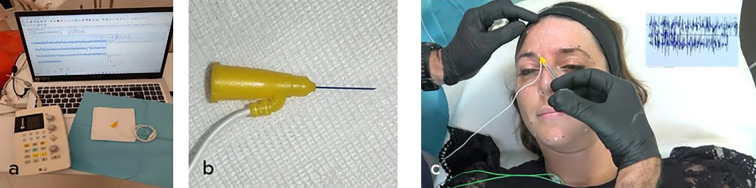
由6名意大利多学科专家(皮肤科、整形外科、神经科)基于文献回顾(PubMed 1973–2025)与临床经验形成的专家共识,针对incobotulinumtoxin A(Bocou
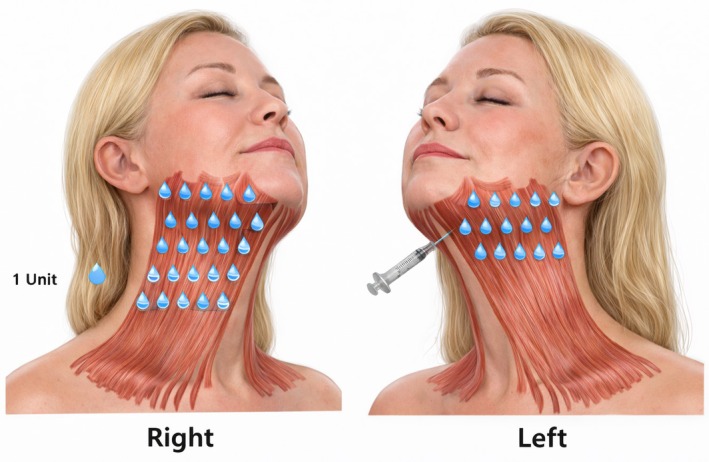
背景:颈阔肌参与颈部纵行条索(火鸡颈)与下面部下垂,是颈纹年轻化中 A 型肉毒毒素(BoNT-A)的主要靶肌;传统方案覆盖整块肌肉、注射点与会总量多,可能增加淤青、疼痛与潜在免疫原