矫正型患者的微创美学治疗:肉毒毒素、HA 与混合注射剂的应用(Aesthetic Plast Surg, 2026)
2026年10月27日36 min read
Aesthetic Plastic Surgery
Aesthetic Plastic Surgery
结论与实践要点
本文为临床综述配合示例病例(证据等级 IV 级),围绕 Liew 等提出的四类求美者画像中的「矫正型(correction)」展开:该类患者旨在重新平衡或调整自认为负面影响生活的面部特征,常见原因包括先天因素、创伤、手术或疾病。作者综述并举例说明肉毒毒素(onabotulinumtoxinA)、透明质酸(HA)凝胶以及 HA 与羟基磷灰石钙(CaHA)混合注射剂,在面部不对称(如面瘫、半面短小症)、创伤与瘢痕矫正中的实际应用。
文中给出 5 个示例病例(均附术前术后照片):44 岁男性带状疱疹后面瘫、58 岁女性先天性面瘫、20 岁女性半面短小症 I 型、44 岁女性滑膜肉瘤根治性上颌切除术后、44 岁女性自行车外伤后。各例依据缺陷选用不同流变学特性的 HA 凝胶(如 VYC-15/17.5/20/25 系列)联合肉毒毒素,部分使用 HA+CaHA 混合剂;文内均报告对称性/轮廓改善、患者满意且未报告不良事件。但需指出,这些为说明性个案,缺乏统一量化终点、对照组与长期随访数据。
临床落地提示:本文为叙事性综述与示例,证据等级 IV 级,结论「有效、耐受、提升生活质量」应谨慎解读,不能等同于对照试验结论。其实际参考价值在于提供了针对矫正型患者的个体化思路——例如对既往手术改变解剖者,按目标(提升需高 G′与高内聚性,肌肉调节需中等 G′)选择产品与层次。对先天性/获得性面部不对称、创伤后轮廓缺损者,可在充分沟通与评估前提下,将 HA 与肉毒毒素联合作为手术之外的微创补充,但须告知证据局限并警惕血管/神经并发症。
BackgroundThe definition of health encompasses mental, emotional, and social well-being, rather than simply the absence of disease. As a result, corrective aesthetic treatments are increasingly being viewed as an integral component of overall health rather than confined solely to the domain of aesthetics. In the realm of facial aesthetics, the corrective patient archetype is distinctly focused on rebalancing or proportioning facial features to improve confidence and self-perception. Minimally invasive treatments, such as botulinum toxin and hyaluronic acid (HA) gels, are known for their efficacy, tolerability, and ability to improve psychological and social outcomes. Additionally, hybrid injectables are gaining traction for their immediate filling and lifting effects that also provide biostimulating effects over time in the injected area.
MethodsHere, we present a clinical review of the literature, accompanied by examples that illustrate the practical application of onabotulinumtoxinA, HA gels, and hybrid injectables (HA and calcium hydroxyapatite; Allergan Aesthetics, an AbbVie Company) for patients seeking corrections, including facial asymmetries (e.g., facial paralysis and hemifacial microsomia), trauma, and scarring, emphasizing the importance of tailored approaches to achieve optimal outcomes.
Results and ConclusionsOnabotulinumtoxinA, HA gels, and hybrid injectables were effective, tolerable, and enhanced patients’ quality of life by addressing both aesthetic and functional concerns. Overall, further research is needed to refine these treatments and expand their applications in corrective aesthetic medicine.
Level of Evidence IVThis journal requires that authors assign a level of evidence to each article. For a full description of these Evidence-Based Medicine ratings, please refer to the Table of Contents or the online Instructions to Authors www.springer.com/00266.
Keywords: Botulinum toxin、Hyaluronic acid、Aesthetics、Facial reconstruction、Facial correction
Four primary patient archetypes in aesthetic medicine have been proposed by Liew et al: beautification, positive aging, transformation, and correction [ 1 ]. Patients in the beautification, positive aging, and transformation archetypes are mainly focused on aesthetics, while patients in the correction archetype are driven by a desire to improve a particular feature that they believe has a negative impact on their life [ 1 ]. Corrective patients seek to rebalance facial features for improved confidence and self-perception. Features that may be considered bothersome by patients in the correction archetype vary, but are typically congenital or acquired through trauma, surgery, or medical illness [ 1 ]. This manuscript offers detailed insights on corrective treatments, including examples of common circumstances that may require corrective facial procedures, and includes illustrative clinical cases.
Clinical experience with facial injectable products, including onabotulinumtoxinA (Allergan Aesthetics, an AbbVie Company, Irvine, CA) and hyaluronic acid (HA) gels, is extensive [ 2 – 6 ]. OnabotulinumtoxinA has become the standard of care in multiple indications [ 7 – 11 ], elevating patient care, fulfilling unmet needs, and changing treatment paradigms due to its established efficacy and tolerability [ 12 – 19 ]. HA gel products have been used successfully for aesthetic improvements of the nose, infraorbital hollows, dynamic radial cheek lines, hands, neck, and décolletage [ 20 – 24 ]. Together, onabotulinumtoxinA and HA gels are the 2 most commonly used nonsurgical treatments worldwide [ 25 , 26 ]. Additionally, novel hybrid injectables can enhance patient satisfaction with treatment by instantly restoring volume and boosting collagen production, thereby enhancing skin structure and soft tissue quality over time [ 27 – 29 ]. The corrective patient archetype is likely to obtain psychological (including self-perception, self-confidence, and social perception) and social benefits from facial aesthetic treatments, along with improvements in self-perceived appearance and age [ 1 , 30 , 31 ], further highlighting the importance of appropriate treatment in these patients.
Facial injectables have been used to effectively correct a variety of concerns and areas of the face and neck, including restoration of facial symmetry and correction of facial trauma and scaring. A summary of relevant, available reports is discussed below.
Facial ParalysisBotulinum toxin is a key tool for managing facial hyperkinetic lines and the effects of facial paralysis, addressing functional deficits, and enhancing patients’ quality of life [ 32 , 33 ]. Similarly, myomodulation with HA gels has shown benefits in patients with facial paralysis and associated sequelae [ 34 , 35 ], where the potential ability of HA gels to modulate muscle activity has been demonstrated to enhance muscle balance and function, resulting in improved aesthetic outcomes and improved quality of life for patients with facial paralysis [ 36 ]. Periocular injections with HA gels have been observed to enhance chin and perioral dynamics, with effects being maintained for well over 1 year in a case study examining long-standing facial paralysis and sequelae [ 34 ]. A multimodal treatment approach has also shown benefit for those with facial paralysis, as a case study using botulinum toxin, HA gel, and thread lifting found that, despite long disease duration and advanced age, a satisfactory treatment result was obtained that markedly improved the patient’s self-esteem [ 37 ]. In corrective patients, especially those with altered anatomy from prior surgery, tailoring the rheological profile (e.g., high G´ and high cohesivity for lift or medium G´ for muscle modulation) can achieve precise outcomes like restoring volume, improving muscle control, and enhancing skin mechanics in complex facial landscapes.
Hemifacial MicrosomiaIn cases of hemifacial microsomia, the severity of deformity on the affected side varies substantially among patients [ 38 ]. Consequently, the timing and approach to intervention must be tailored to each patient’s unique circumstances and needs and may involve skeletal, dental, and soft tissue components [ 38 ]. Early intervention in hemifacial microsomia is crucial for optimizing outcomes and minimizing deformities [ 38 ]. HA gels have been successfully used to manage patients with hemifacial microsomia, but a complex treatment approach may be necessary for these patients given the expressive asymmetry that can occur [ 1 ].
Facial TraumaSkin that is damaged by trauma or surgical intervention will inevitably generate scars, with facial scars impacting psychological well-being, especially as they widen over time [ 39 ]. HA gels can be a successful tool for patients who have a facial trauma by restoring volume and potentially stimulating collagen production [ 40 ]. Multiple studies have found HA gels to be effective in treating traumatic atrophic depressed facial scarring [ 41 , 42 ]. To assess the suitability of scars for HA gel treatment, the “dimple sign” can be employed [ 42 ]. This method involves applying lateral inward pressure on the skin; if the pressure induces a depression (dimple) due to the scar’s attachment to the underlying subcutaneous tissue (positive dimple sign), HA gel alone may not be effective [ 42 ]. In such cases, alternative treatments like subcision, excision, or laser therapy may be needed [ 42 ].
Surgical Resection of Skin CancersAfter major reconstructive surgeries, aesthetic improvements with HA gels are particularly beneficial, as patients undergoing complex facial reconstructions often avoid secondary procedures to improve scarring [ 43 ]. A case study found that after postsurgical resection of a squamous cell carcinoma on the cheek requiring a skin graft, HA gel treatment resulted in progressive volumization of the area [ 43 ]. Additionally, the initially immobile skin graft showed progressive improvement in softness and mobility, and stable results were observed in volumization and softness of the treated area 9 months postinjection [ 43 ]. A separate case report found that postsurgical depressed scars in patients who underwent Mohs surgery for basal cell carcinoma were effectively mitigated with HA gel [ 44 ]. As not all HA gels are suitable for all types of corrections due to differences in biochemical properties, studies are needed to determine the appropriate choice for each clinical condition [ 43 ]. HA gels could become a convenient, long-lasting solution to improve postsurgical facial deformities and scars after skin cancer resections [ 43 ].
This manuscript presents a descriptive clinical review with illustrative examples examining the use of minimally invasive injectable treatments in patients within the corrective patient archetype. The clinical examples were selected to demonstrate representative corrective scenarios encountered in aesthetic practice, including facial asymmetry related to congenital conditions, paralysis, trauma, and scarring.
Minimally invasive treatments included onabotulinumtoxinA, HA gels (VYC-15L, VYC-17.5L, VYC-20L, and/or VYC-25L), and, where clinically appropriate, a hybrid injectable composed of HA and calcium hydroxyapatite (all products from Allergan Aesthetics, an AbbVie Company, Irvine, CA). Product selection was individualized based on anatomical considerations, degree of asymmetry, tissue quality, and treatment objectives. Healthcare professionals reviewed the approved indications for use of each product, recognizing that regulatory approvals may vary by country.
Treatment planning was guided by a comprehensive facial assessment, including evaluation of static and dynamic asymmetry, muscle activity, soft tissue volume deficits, skeletal support, and any prior surgical, traumatic, or disease-related alterations in anatomy. Particular attention was paid to differences between hyperactive and hypofunctional muscle groups, tissue stiffness, and regional vascular considerations in corrective patients.
Injection techniques were selected based on the anatomical region, treatment goal, and tissue characteristics. OnabotulinumtoxinA, when used, was administered intramuscularly to address hyperkinetic muscle activity contributing to facial imbalance or asymmetry. Dosing and injection sites were individualized, and asymmetric dosing was employed when necessary to achieve functional and aesthetic balance.
HA gels and hybrid injectables were placed using a combination of supraperiosteal, deep subcutaneous, suborbicular, and superficial subdermal techniques, depending on the indication. Structural support and volume restoration were achieved through deep-plane placement, while superficial placement was used selectively for contour refinement or myomodulation. Both needles and blunt-tip cannulas were used according to anatomical region, vessel proximity, and clinician judgment. Injection techniques included linear retrograde, bolus, fanning, columnar, and retro injection methods, as appropriate for the corrective objective.
Treatments were administered in single or multiple sessions depending on clinical complexity and patient needs. The sequence and combination of injectable products were individualized, and treatments were performed with standard aseptic technique. Injection volumes, planes, and session frequency were adjusted to minimize risk while optimizing corrective outcomes.
Standardized clinical photographs were obtained before and after treatment to document outcomes. Patients were monitored for adverse events during and following procedures, and follow-up assessments were conducted according to routine clinical practice. Any adverse events were recorded.
All patients provided written informed consent for treatment and for the use of clinical images for educational and publication purposes. Treatments were performed in accordance with local regulations and standard clinical practice. This work did not involve experimental interventions, prospective enrollment, or systematic data collection.
The corrective patient archetype has been successfully clinically treated with HA gels, hybrid injectables, and/or onabotulinumtoxinA, resulting in improved patient satisfaction, facial symmetry, and facial contour and balance (Table 1 ). Clinical cases are discussed in detail below. Healthcare professionals must review the indications for use of each of the products used, as they may vary in different countries.
Table 1 Overview of presented treatments and outcomes
| Clinical Example | Patient Details | Reason for Treatment | Treatments | Outcomes |
|---|---|---|---|---|
| Facial asymmetry | ||||
| 1 | 44-year-old White male, Fitzpatrick skin type III | Facial paralysis (post–herpes zoster infection) | HA gels (VYC-15L, VYC-17.5L, VYC-20L, VYC-25L) and hybrid injectables (HA and calcium hydroxyapatite); onabotulinumtoxinA | Substantial improvement in facial symmetry (including dynamic movements); no adverse events |
| 2 | 58-year-old Hispanic female, Fitzpatrick skin type III | Facial paralysis (congenital) | HA gels (VYC-17.5L, VYC-20L, VYC-25L); onabotulinumtoxinA | Improved facial symmetry; no adverse events |
| 3 | 20-year-old White female, Fitzpatrick skin type III | Hemifacial microsomia type I | HA gels (VYC-15L, VYC-20L, VYC-25L) | Improved facial symmetry; no adverse events |
| Facial trauma and scarring | ||||
| 5 | 44-year-old Hispanic female, Fitzpatrick skin type IV | Synovial sarcoma sequelae | HA gels (VYC-15L, VYC-17.5L, VYC-20L) | Improved facial symmetry and contour; no adverse events |
| 6 | 44-year-old White female, Fitzpatrick skin type III | Facial trauma: bicycle accident | HA gels (VYC-15L, VYC-17.5L, VYC-20L, VYC-25L) | Improved facial symmetry (including dynamic movements), mild bruising resolved spontaneously |
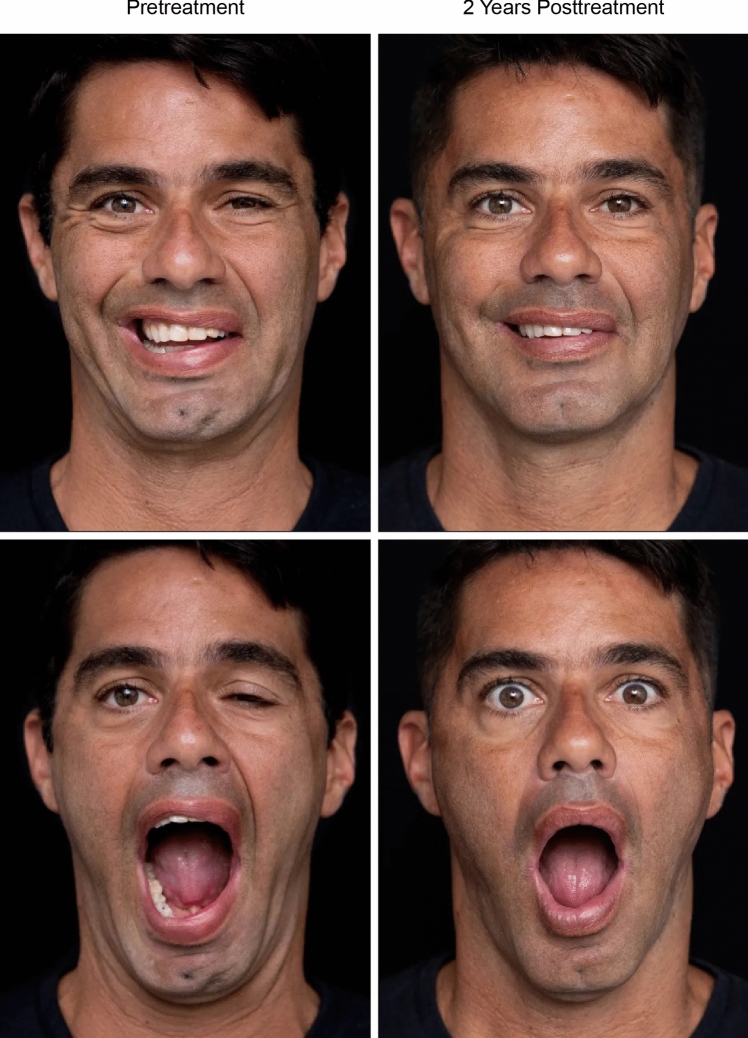
A White man 44 years of age with Fitzpatrick skin type III presented with facial paralysis after a herpes zoster infection. He sought treatment options 1 year after the onset of facial paralysis. The clinical examination revealed incomplete movements of the left face affecting all 3 thirds of the face, synkinesis, hemifacial spasms, and sequelae of paralysis. The patient had no comorbidities and had previously undergone physiotherapy.
HA gels (VYC-15L, VYC-17.5L, VYC-20L, and VYC-25L; Allergan Aesthetics, an AbbVie Company) and a hybrid injectable (HA and calcium hydroxyapatite; Allergan Aesthetics, an AbbVie Company) were used to restore facial symmetry. On the affected side (left), 1.25 mL of the hybrid injectable was placed into the zygomatic and preauricular areas, 1.0 mL VYC-20L into the posterior temple, 0.5 mL VYC-20L into the anterior temple, 0.5 mL VYC-20L into the malar area, 0.2 mL VYC-20L into the pyriform fossa, and 0.7 mL VYC-15L into the tear trough. On the unaffected side (right), 1.25 mL of the hybrid injectable was injected into the zygomatic and preauricular areas, 0.7 mL VYC-20L into the malar area, 0.3 mL VYC-20L into the pyriform fossa, and 0.6 mL VYC-15L into the tear trough. The chin was treated with 1.0 mL of VYC-20L, 2.0 mL of VYC-25L, and 1.0 mL of VYC-17.5L. These HA gels were administered in a single treatment session.
Additionally, onabotulinumtoxinA was administered intramuscularly using a 31-G needle for the treatment of asymmetrical hyperkinetic facial lines. The anatomical areas treated included the glabella (20 U), orbicularis oculi (22 U), frontalis muscle on the right side (6 U), nasal area (3 U), levator labii superioris alaeque nasi (1 U), mentalis (8 U), and platysma (40 U). The total dose was 100 U, diluted in 2 mL of saline solution. The onabotulinumtoxinA treatments were repeated approximately once every 5 months over a 2-year period.
Substantial improvements in facial symmetry were observed after treatment (Fig. 1 ). The patient and his family were highly satisfied. He reported resuming eye contact with others, attending social events, and creating content for his social media platforms. Photographs and videos were used to track progress. No adverse events or complications were reported.
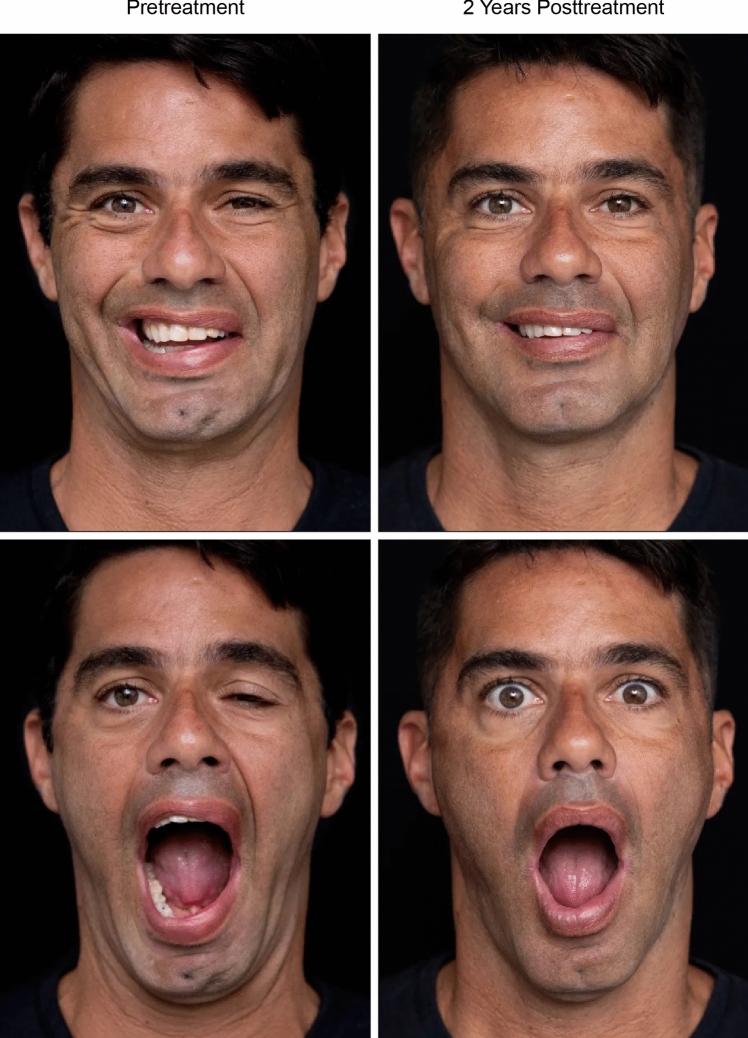
Fig. 1 Facial symmetry enhancement in a man with facial paralysis after a herpes zoster infection. Before and after photographs of a 44-year-old White male with Fitzpatrick skin type III, who presented with facial paralysis 3 years after a herpes zoster infection. Clinical examination revealed incomplete movements of the left face, synkinesis, hemifacial spasms, and sequelae of paralysis. HA gels (VYC-15, VYC-17.5, VYC-20, and VYC-25), onabotulinumtoxinA, and a hybrid injectable (HA and calcium hydroxyapatite) were used to remodel facial contour and restore lost volumes. Substantial improvements in facial symmetry were observed posttreatment, with the patient expressing significant satisfaction and increased confidence. No adverse events or complications were reported. Photographs courtesy of Dr. Coimbra. HA hyaluronic acid带状疱疹后面瘫男性(44 岁,Fitzpatrick III 型)注射矫正前后对照:采用多种 HA 凝胶、肉毒毒素与 HA+CaHA 混合剂重塑轮廓,文中称对称性显著改善、无不良事件。
A Hispanic woman 58 years of age with Fitzpatrick skin type III presented with congenital left facial paralysis and a history of hypothyroidism post-thyroidectomy due to cancer. She was disease-free and had no previous aesthetic treatments or other relevant clinical information. Upon clinical examination, the patient exhibited hemifacial asymmetry, eye opening asymmetry, glabellar depression on the right side, a lower right eyebrow, low projection of the middle left cheek, a lower left corner of the mouth, reduced volume in the superior and inferior left lip, deviation of the nasal axis to the right, a deeper right nasolabial fold, and severe dynamic asymmetry when blinking, smiling, speaking, raising eyebrows, and exposing teeth.
The HA gels VYC-17.5L, VYC-20L, and VYC-25L were used to restore the volume lost and facial symmetry. The treatment plan included several interventions. On the left side, 0.3 mL VYC-20L was injected into the malar arch using a needle; 0.5 mL VYC-20L was injected into the deep malar fat pad using a cannula; 0.5 mL VYC-25L was injected in the supraperiosteal plane into the prejowl area and the temporal crest using a needle; 0.5 mL VYC-17.5L was injected into the periorbital area via cannula; 0.2 mL VYC-17.5L was injected into the corner of the mouth using a needle; and 0.3 mL VYC-17.5L was injected into the lips using a needle. On the right side, 1 mL VYC-25L was injected into the temporal area using a supraperiosteal needle; 0.3 mL VYC-20L was injected into the suborbicularis oculi fat and deep anterior malar fat pad; 0.5 mL VYC-20L was injected into the deep nasolabial fold using a supraperiosteal needle; 0.5 mL VYC-20L was injected into the superficial nasolabial fold using a cannula; 0.3 mL VYC-17.5L was injected into the periorbital area via cannula; 0.2 mL VYC-17.5L was injected into the corner of the mouth; and 0.5 mL VYC-17.5L was injected over the upper lip using a superficial cannula. These HA gels were administered in 3 treatment sessions.
Additionally, onabotulinumtoxinA was administered intramuscularly using a 32-G needle for the treatment of hyperkinetic lines. On the left side, 2 U was injected into the depressor anguli oris. On the right side, 10 U was injected in the high frontalis area; 5 U (in total) within the procerus, nasalis muscle, and depressor supercilii; 5 U in the corrugator; and 10 U in the periocular area across 3 points. The total dose was 32 U from 100 U diluted in 1 mL of saline solution. The onabotulinumtoxinA treatments were repeated approximately once every 5 months over a 2-year period.
Improvements in facial symmetry were observed after treatment (Fig. 2 ). Photographs were used to track progress. No adverse events or complications were reported.
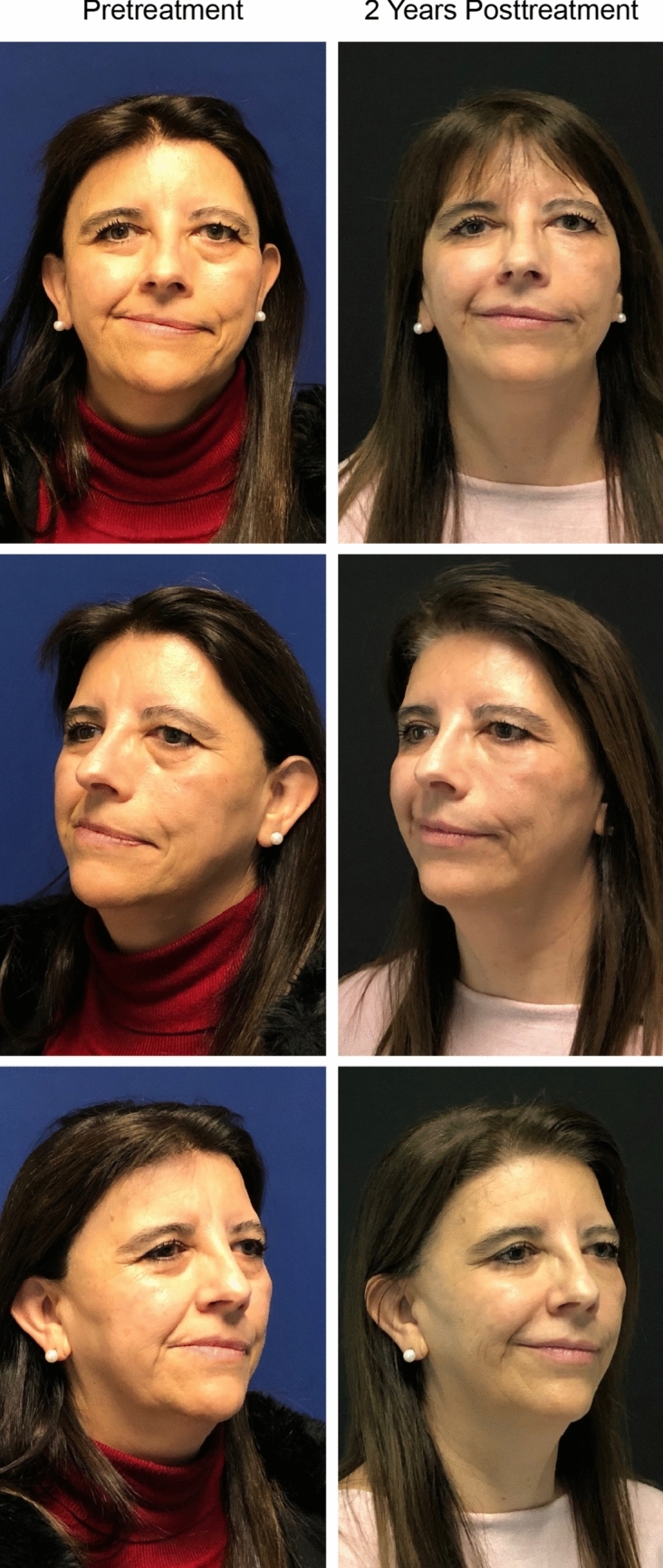
Fig. 2 Facial symmetry enhancement in a woman with congenital facial paralysis. Before and after photographs of a 58-year-old Hispanic female with Fitzpatrick skin type III, who presented with congenital left facial paralysis and a history of hypothyroidism post-thyroidectomy due to cancer. Clinical examination revealed hemifacial asymmetry, eye opening asymmetry, glabellar depression on the right side, a lower right eyebrow, low projection of the middle left cheek, a lower left corner of the mouth, reduced volume in the superior and inferior left lip, deviation of the nasal axis to the right, a deeper right nasolabial fold, and severe dynamic asymmetry when blinking, smiling, speaking, raising eyebrows, and exposing teeth. HA gels (VYC-17.5L, VYC-20L, and VYC-25L) and onabotulinumtoxinA were used to remodel the facial contour and restore lost volumes. Improvements in facial symmetry were observed posttreatment, with no adverse events or complications reported. Photographs courtesy of Dr. Villafranca. HA, hyaluronic acid先天性面瘫女性(58 岁,Fitzpatrick III 型)矫正前后:采用 HA 凝胶与肉毒毒素改善睑裂、眉、口角与鼻轴向不对称。
A White woman 20 years of age with Fitzpatrick skin type III presented with hemifacial microsomia type I. The patient had no comorbidities or previous treatments. Clinical examination revealed secondary facial asymmetry due to mild hypoplasia of the soft tissues of the left hemiface; mild hypoplasia of the ramus, angle, and body of the left mandible; asymmetric malar hypoplasia predominantly on the left hemiface; and bilateral moderate nasojugal folds.
The HA gels VYC-15L, VYC-20L, and VYC-25L were used to restore facial symmetry. The anatomical areas treated were the tear troughs, cheeks, mandible, chin, and nose. The injection technique involved fanning suborbicular for the tear troughs; linear retrograde supraperiosteal, supracondral, and intercrural L-frame for the nose; and supraperiosteal multiplane columns for the other areas. The needle gauge was 30 G for all areas except the nasojugal folds and nose, which were treated with a 27-G cannula. The volumes injected are listed in Table 2 . These HA gels were administered in 2 treatment sessions, first for facial symmetry and 2 months later for the nose. No botulinum toxins were used during treatment.
Table 2 Injection areas and HA gel volumes/types used to treat hemifacial microsomia type I
| Injection Area | HA Gel Volume (mL) | HA Gel Type |
|---|---|---|
| Left | Midline | Right |
| Zygomatic arch | 0.4 | – |
| Zygomatic eminence | 0.6 | – |
| Anteromedial cheek | 0.3 | – |
| Nasojugal crease | 0.6 | – |
| Mandible angle | 0.6 | – |
| Mandible ramus | 0.4 | – |
| Lower lateral chin | – | – |
| Lower anterior chin | – | – |
| Parasagittal pogonion | 0.4 | – |
| Parasagittal chin | – | – |
| Lateral chin | – | – |
| Nose | – | 1.0 |
Improvements in facial symmetry were observed after treatment (Fig. 3 ). Photographs were used to track progress. No adverse events or complications were reported.
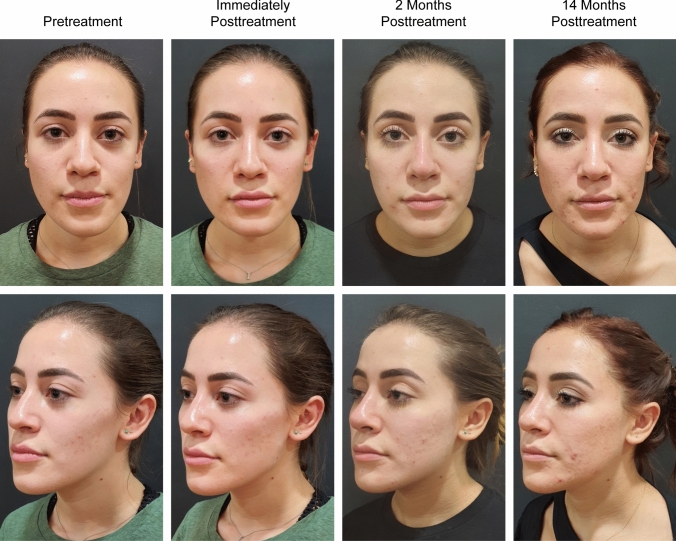
Fig. 3 Facial symmetry enhancement in a woman with hemifacial microsomia. Before and after photographs of a 20-year-old White female with Fitzpatrick skin type III, who presented with hemifacial microsomia type I. Clinical examination revealed secondary facial asymmetry due to mild hypoplasia of the soft tissues of the left hemiface; mild hypoplasia of the ramus, angle, and body of the left mandible; asymmetric malar hypoplasia predominantly on the left hemiface; and bilateral moderate nasojugal folds. HA gels (VYC-15L, VYC-20L, and VYC-25L) were used to remodel the facial contour and restore lost volumes. Significant improvements in facial symmetry were observed posttreatment, with no adverse events or complications reported. Photographs courtesy of Dr. Shturman. HA, hyaluronic acid
A Hispanic woman 44 years of age with Fitzpatrick skin type IV presented with a history of synovial sarcoma in the left paranasal sinus diagnosed 2 years earlier. She underwent a left radical maxillectomy followed by chemotherapy and radiotherapy. Reconstructive treatments included an iliac crest flap and muscle graft. Clinical examination revealed changes in facial contour and variations in anatomy due to the surgical and oncological procedures, with marked adhesions of deep planes, irregularities, and loss of facial volumes. She was in remission and disease-free at the time of HA gel treatment.
The HA gels VYC-15L, VYC-17.5L, and VYC-20L were used to remodel the facial contour and recover lost volumes. In the first session, the midfacial structure in the left zygomatic arch was treated with 0.1 mL VYC-20L in 3 deposits using a supraperiosteal needle injection method. The anteromedial malar region received 0.3 mL VYC-17.5L using a fan deposit technique with a 22/40 cannula. Additionally, the left submalar area (buccal area) was treated with 0.6 mL VYC-20L using a fan retro injection deposit with a 22/40 cannula. In the second session, anteromedial remodeling and the nasojugal sulcus in the superficial plane (subdermal) were treated with 0.4 mL VYC-15L using a fan deposit technique with a 22/40 cannula. The left submalar area (buccal area) received another 0.6 mL fan retro injection deposit of VYC-20L using a 22/40 cannula. Additionally, the left piriform area and myomodulation of the orbicularis muscle of the upper lip were addressed with a retro injection deposit of 0.2 mL VYC-15L in the superficial piriform space and 0.2 mL in the subdermal plane of the upper lip for myomodulation. No botulinum toxins were used during the treatment.
Improvements in facial symmetry and contour were observed after treatment (Fig. 4 ). Photographs were used to track progress. No adverse events or complications were reported after the treatments.
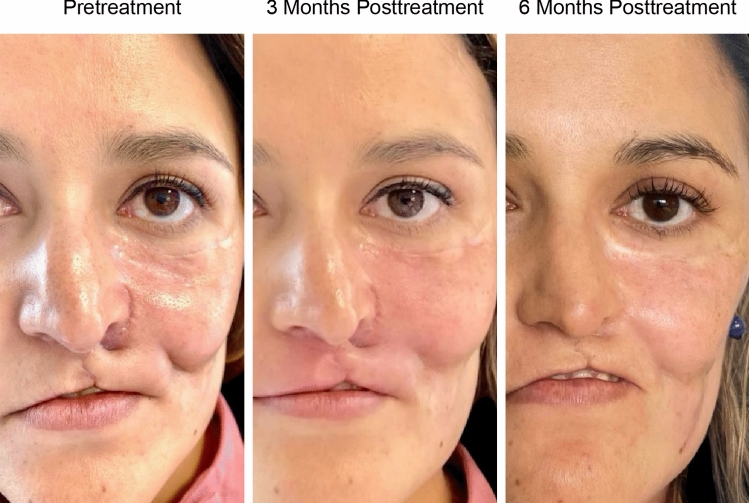
Fig. 4 Facial symmetry and contour remodeling after synovial sarcoma treatment. Before and after photographs of a 44-year-old Hispanic female with Fitzpatrick skin type IV, who presented with significant facial contour changes after a left radical maxillectomy, chemotherapy, and radiotherapy for synovial sarcoma. Reconstructive treatments included an iliac crest flap and muscle graft. HA gels (VYC-15L, VYC-17.5L, and VYC-20L) were used to remodel the facial contour and restore lost volumes. Significant improvements in facial symmetry were observed posttreatment, with no adverse events or complications reported. Photographs courtesy of Dr. Garzón. HA, hyaluronic acid滑膜肉瘤根治性上颌切除+放化疗后女性(44 岁,Fitzpatrick IV 型)的面部对称与轮廓重建前后对照,HA 凝胶用于弥补软组织容积缺损。
A White woman 44 years of age with Fitzpatrick skin type III presented with a history of a bicycle accident in 2020 resulting in a fracture and facial sinking. She underwent reconstruction with oral and maxillofacial surgery, which led to partial facial nerve sequelae. Clinical examination revealed temporal deflation, deep tear troughs, accentuated nasolabial folds, a retracted chin, medial malar deflation, orbicularis hypercontraction of the eyes, zygomatic hypercontraction, a gummy and asymmetric smile, and platysma hypercontraction. The patient had no comorbidities and had not received any previous treatments other than the surgery.
The HA gels VYC-15L, VYC-17.5L, VYC-20L, and VYC-25L were used to remodel the facial contour and recover lost volumes. The anatomical areas treated were the temples, lateral orbital, cheeks, nasolabial folds, mandible, and chin. The injection technique involved supraperiosteal and subcutaneous methods with needles and 22-G or 25-G 48-mm cannulas. The HA gel and volumes for each injection area are listed in Table 3 . These HA gels were administered in a single treatment session. No botulinum toxins were used during treatment.
Table 3 Injection areas and HA gel volumes/types used to treat facial trauma caused by a bicycle accident
| Injection Area | HA Gel Volume (mL) | HA Gel Type |
|---|---|---|
| Left | Midline | Right |
| Anterior and posterior temples | 0.5 | – |
| Lateral infraorbital and central lateral orbital | 0.4 | – |
| Zygomatic arch | 0.5 | – |
| Anteromedial cheek | 0.5 | – |
| Zygomatic eminence | 0.3 | – |
| Submalar/buccal area | – | – |
| 0.5 | – | – |
| Upper, central, and lower nasolabial folds | – | – |
| 0.7 | – | – |
| Prejowl area | 0.5 | – |
| Mandible body | 0.5 | – |
| Mental crease | 0.3 | – |
| Chin apex | 0.2 | – |
| Anterior chin | 0.2 | – |
Improvements in facial symmetry were observed after treatment (Fig. 5 ). Improvements were noted in eye aperture, chin projection, the gummy smile, and platysma contraction. Overall, the patient reported marked improvements with HA gel when compared with many years of physiotherapy. Photographs were used to track progress. Mild bruising was observed, which resolved spontaneously after 7 days. No other adverse events or complications were reported.
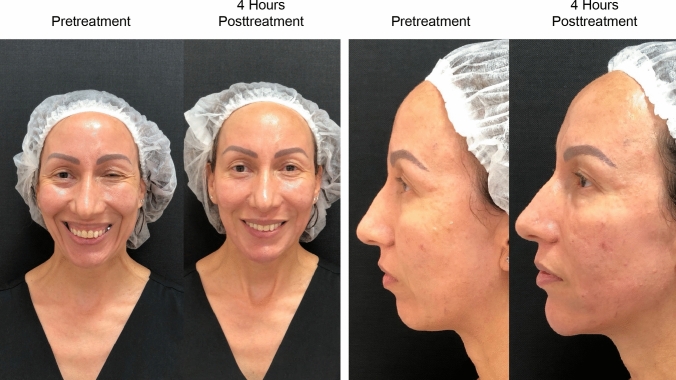
Fig. 5 Facial symmetry improvement after facial trauma via bicycle accident. Before and after photographs of a 44-year-old White female with Fitzpatrick skin type III, who presented with facial asymmetry and other sequelae after a bicycle accident in 2020. The patient underwent reconstruction with oral and maxillofacial surgery, leading to partial facial nerve sequelae. Clinical examination revealed temporal deflation, deep tear troughs, accentuated nasolabial folds, a retracted chin, medial malar deflation, orbicularis hypercontraction of the eyes, zygomatic hypercontraction, a gummy and asymmetric smile, and platysma hypercontraction. HA gels (VYC-15L, VYC-17.5L, VYC-20L, and VYC-25L) were used to remodel the facial contour and restore lost volumes. Improvements in facial symmetry and expression were observed posttreatment, with no adverse events or complications reported. Photographs courtesy of Dr. Zimbres. HA hyaluronic acid
Minimally invasive treatments with onabotulinumtoxinA and HA gels are known to be effective and generally tolerable, with mostly transient, mild to moderate adverse events (Tables 4 and 5 ) [ 2 , 3 , 17 , 45 – 53 ]. General precautions are important for optimizing outcomes with facial injectable procedures with onabotulinumtoxinA and HA gels, including a thorough understanding of facial anatomy, performing careful patient selection, educating patients, using the appropriate type and amount of gel product, employing good injection and aseptic techniques, and providing sufficient postprocedural care [ 6 , 54 – 58 ]. Importantly, special considerations should be given to how facial vasculature may vary in corrective archetype patients based on preexisting conditions [ 59 ].
Table 4 Managing adverse events associated with botulinum toxin treatment
| Clinical Signs | Possible Cause | Recommended Therapy |
|---|---|---|
| Erythema, ecchymosis, bruising, hematoma | Injuring a blood vessel | Tamponade, pressure, ice packs |
| Tenderness and pain at the site of injection, injection trauma | The needle puncturing the skin | Topical anesthetic creams |
| Dry skin | Decreased sweat gland activity | Emollients |
| Local infection, abscess | Contamination of the injection site | Course of antibiotics |
| Paresthesia or dysesthesia | Nerve injures | No specific treatment |
| “Mephisto sign,” exaggeration of wrinkles, brow ptosis, periorbital edema | Aesthetic in periorbital area | Paralysis of antagonist muscles |
| Blepharoptosis, ptosis ectropion, dry eyes, corneal irritation, corneal exposure, blurred vision, accommodation difficulties, retinal detachment, diplopia, strabismus | Functional in periorbital area | α-Adrenergic drops, topical lubricating drops, ophthalmologic consultation |
| Asymmetric smile, lip ptosis, changes in facial expression | Aesthetic in perioral area | No specific treatment |
| Trismus | Functional in perioral area | Mechanotherapy |
| Xerostomia | Sialagogues | |
| Redness, edema, urticaria | Localized allergic reaction | Antihistamine drugs, local steroids |
| Generalized urticaria, diffuse edema, anaphylactic shock | Generalized allergic reaction | Steroids, adrenalin injection, monitoring of patients |
| Headache | Other mechanism | Analgesics |
| Severe dysphagia, generalized muscle weakness | Diffuse spread of toxin | Neurotrophic drugs, systemic support, and symptomatic treatment botulinum antitoxin serum |
Table 5 Managing adverse events associated with HA filler treatment
| Clinical Signs | Possible Cause | Recommended Therapy |
|---|---|---|
| Whitening/blanching of the skin and pain, followed by livedo | Vascular occlusion (intravascular/extravascular, complete/partial) | Hyaluronidase, warmth, anticoagulation; if necessary, further rheological and surgical procedures |
| Swelling | Injection trauma, hematoma | Depending on trauma pressure, cooling |
| Angioedema-like swelling (mainly in the lip area) | Allergic or anaphylactic reaction | Observation: if no muco-cutaneous involvement, usually will resolve in approximately 1 to 2 h. If persisting or muco-cutaneous involvement: intravenous antihistamines/steroids, see “Anaphylaxis” |
| Signs of systemic anaphylaxis | Anaphylaxis (e.g., lidocaine, BDDE) | Anaphylaxis treatment (including epinephrine injection and emergency procedures) |
| Neurological symptoms, e.g., impairment of vision | Retrograde embolization of central arteries with ischemia, e.g., ophthalmic artery | Emergency treatment at site or at neurological/ophthalmic stroke unit, e.g., systemic anti-ischemia treatment, retrobulbar hyaluronidase injection |
| Swelling without discoloration | Injection trauma, hygroscopic effect | Observation: may be homoeopathic drugs or bromelain-containing drugs |
| Swelling with dark or livid discoloration | Hematoma | Heparin-/vitamin K–containing creams |
| Livedo (reddish- or blue-mottled discoloration) | Vascular obliteration (intravascular/extravascular, complete/partial) | Hyaluronidase, warmth, anticoagulation; if necessary, further rheological and surgical procedures |
| Newly developed redness and swelling (with signs of inflammation) | Infection | Antibiotics |
| Newly developed fluctuating single process (with signs of inflammation) | Abscess | Incision, drainage, antibiotics |
| Persisting swelling without signs of inflammation or skin discoloration | Injection material–dependent: swelling due to hygroscopic effect, wrong injection site, or overdose | Hyaluronidase |
| New swelling without signs of inflammation or skin discoloration | Migration of injection material or reaction to injection material | Hyaluronidase, if no response to steroids |
| Single knot/swelling/induration (possible slight redness) | Chronic inflammation, possible biofilm | Antibiotics; if no response, hyaluronidase in addition, steroids if no response to the previous |
| Multiple knots/swelling/indurations (possible slight redness) | Possible biofilm (look for signs of previous infection, dental treatment, etc.). Also consider chronic immunological reactions (granuloma)/chronic systemic diseases | Antibiotics; if no response, hyaluronidase in addition (steroids or other immunosuppressives only if no response to the previous or if histopathological proof of granuloma) |
Although rare, serious adverse events can occur with HA gels (e.g., blindness and vascular occlusion), and patients should be aware of these and other potential complications [ 2 ]. Complications are typically associated with HA gel product placement, volume, sterility, injection technique, and/or the patient’s clinical history, current medications, and prior interventions, but complications are mostly avoidable with proper planning and technique [ 6 , 54 ]. Proper understanding of the signs and symptoms associated with injectable complications is also important for minimizing the progression of adverse events, as well as having materials on hand to treat any complications that arise [ 54 , 59 ]. For example, hyaluronidase should be readily available if needed to correct HA gel misplacement and vascular occlusion [ 53 , 57 , 60 ].
Cosmetic procedures may generally be discouraged, even if not contraindicated, for some treatments/conditions (e.g., active chemotherapy, rheumatoid arthritis, systemic lupus erythematosus, and others); however, healthcare professionals should consider the psychological and functional impacts that these conditions may have on each patient, which can ultimately cause loss of identity [ 58 ]. In such cases, proceeding with cosmetic procedures should be considered to support the patient’s overall well-being. Additionally, psychological evaluations may be warranted for certain patients to ensure the potential benefits of procedures outweigh any risks (such as those described in Tables 4 and 5 ). It is crucial to conduct a collaborative, interdisciplinary, comprehensive risk–benefit assessment and clearly communicate all potential risks before performing any cosmetic procedures [ 58 ]. In general, caution should be taken with regard to all off-label uses of products with limited data, and thorough and comprehensive follow-ups should be performed to address the patients’ needs safely and effectively.
This manuscript presents a descriptive review of the literature accompanied by illustrative clinical examples that show minimally invasive injectable treatments were associated with consistent improvements in facial symmetry, contour, and dynamic balance in patients within the corrective patient archetype. Across diverse etiologies, including congenital conditions, post-infectious paralysis, trauma, and oncologic reconstruction, individualized treatment approaches using onabotulinumtoxinA, HA gels, and hybrid injectables effectively addressed both static and functional asymmetries. Clinical outcomes were accompanied by high patient satisfaction and a favorable safety profile, with adverse events limited to mild and transient effects, supporting the role of injectable therapies as a viable option for corrective facial treatment in complex clinical scenarios.
Achieving facial balance with onabotulinumtoxinA and HA gels requires a nuanced understanding of both anatomy and muscle dynamics, particularly in cases of asymmetry or post-paralytic imbalance. Treatment decisions, such as which muscles to inject, which to avoid, and how to tailor concentration, are guided not only by aesthetic goals but also by functional considerations. Muscles involved in expressive movement, such as the depressor anguli oris, zygomaticus, orbicularis oculi, and elevators of the oral commissure, demand precise technique, and clinically appropriate dosing. Over-treatment in these areas can lead to a flat, sagging, or inexpressive appearance, while under-treatment may fail to correct asymmetry or hyperactivity. In addition, the choice of injection plane, whether supraperiosteal or superficial, affects both contour and muscle modulation. Deep placement can provide structural support and leverage beneath musculature, while superficial placement can add weight to temper excessive contraction. Dose asymmetry may be necessary to balance hyperdynamic muscles on one side with weaker or less active muscles on the other. Ultimately, successful outcomes depend on a comprehensive technical and aesthetic assessment of both symmetric and asymmetric regions, with the goal of restoring harmony, enhancing expression, and avoiding unintended functional compromise.
The strengths of these clinical examples are the relevant insights into the use of minimally invasive injectable treatments for patients within the corrective patient archetype, a population frequently encountered in practice yet underrepresented in controlled studies. The clinical examples illustrate real-world corrective scenarios across congenital, post-infectious, traumatic, and oncologic etiologies and highlight the importance of individualized, multimodal treatment strategies using injectables that offer flexibility and adaptability in patients with altered anatomy. In addition to improvements in facial symmetry and contour, outcomes included functional balance and patient-reported psychosocial benefits. Limitations include the descriptive nature of the work, the small number of clinical examples, lack of standardized quantitative outcome measures, heterogeneous indications and treatment approaches, and variable follow-up duration, which limit generalizability and preclude statistical comparison.
OnabotulinumtoxinA, HA gels, and hybrid injectables are effective and well-tolerated treatments for corrective aesthetic procedures. The combination of onabotulinumtoxinA and HA gels may enhance the results of patients seeking corrective treatments. These treatments can be positively impactful and transformative by addressing both aesthetic and functional concerns. These descriptive cases emphasize the importance of multimodal tailored approaches, a thorough understanding of facial anatomy and underlying conditions, patient concerns determined via consultation, and careful patient assessment and selection to optimize outcomes. It also highlights the need for further clinical research in the disease states discussed here to refine these treatments and expand their applications. Overall, onabotulinumtoxinA, HA gels, and hybrid injectables play a crucial role in improving psychological and social outcomes for patients seeking corrective aesthetic treatments.
声明:中文精读 · 仅供学术参考。内容来自公开文献检索,不代表本人观点,不构成诊疗建议。 医疗美容需在正规医疗机构由执业医师实施。
基于相同主题推荐 · 继续深挖
以「矫正型(correction)患者画像」为框架,综述并示例肉毒毒素(onabotulinumtoxinA)、HA 凝胶与 HA+CaHA 混合注射剂在面部不对称、创伤、瘢痕等矫
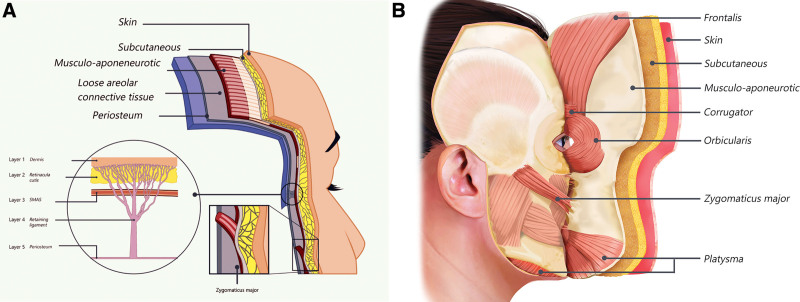
本文为特邀专题/叙述性综述,提出将面部视为 SMAS(表浅肌肉腱膜系统)连续纤维肌层这一单一功能单元,以肉毒毒素再平衡张力区与方向性表情肌,追求自然、有表情的动态效果。
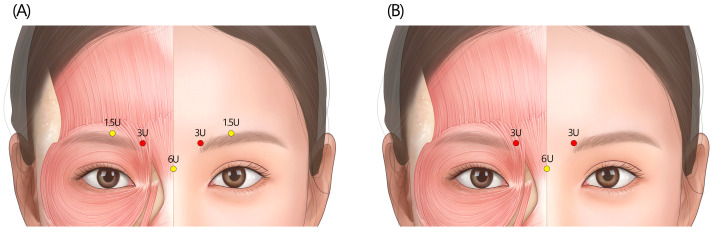
本文为韩国10位多学科专家基于Delphi法形成的2024共识,针对新型A型肉毒毒素(NEWLUX)在面部表情肌美容中的注射位点、剂量与技术给出建议。