微针点阵射频联合肉毒毒素的功效与安全性
2026年10月5日25 min read
Clinical, Cosmetic and Investigational Dermatology
结论与实践要点
临床定位:本研究提示,在肉毒毒素基础上联合单次MFRF,对眶周动态/静态鱼尾纹的“晚期维持”似乎优于单纯肉毒,但须强调——组间皱纹评分差异未达统计学显著,不能据此宣称联合方案除皱更优。其更明确的增量价值体现在皮肤质地(弹性、保湿)而非皱纹评分本身。临床上可将其视为“肉毒管动态纹、MFRF改善真皮质地与细纹/弹性”的互补组合,而非相互替代。
实操要点:文中采用MFRF(针长0.8–1.0 mm、功率4–6 W、脉宽200–300 ms,半岛医疗)单次,1周后行BoNT/A(外侧鱼尾纹每侧6–12 U,眶下每侧加2 U)。既往报道MFRF可在术后数日内削弱肉毒活性,故两步骤间隔1周是合理的时序安排;术后即刻外用人碱性成纤维细胞生长因子凝胶(贝复新)并严格基础护肤+防晒。
边界与局限:本研究为回顾性、非随机、样本小(35)、91.4%为女性、仅单次方评估MFRF、随访24周、GAIS未正式盲法。作者明确指出需更大样本、标准化多疗程MFRF、客观影像、盲法评估及≥12个月随访的前瞻研究来验证。临床决策应平衡MFRF的额外费用与停工期:以肌肉活动为主的皱纹优先肉毒,以真皮质地/松弛为主者再考虑联合能量设备。本文为人体临床回顾性队列,无动物或离体实验部分。
PurposeTo compare botulinum toxin type A (BoNT/A) alone with a single session of microneedle fractional radiofrequency (MFRF) followed by BoNT/A for periorbital aging.
Patients and MethodsThis retrospective cohort study included 35 patients treated between May 2022 and May 2025. Patients received BoNT/A alone (n=20) or one MFRF session followed by BoNT/A 1 week later (n=15). Dynamic crow’s feet, static crow’s feet, static infraorbital fine lines, the Global Aesthetic Improvement Scale (GAIS), skin biophysical parameters, and adverse events were evaluated through week 24; patient satisfaction was assessed at week 12.
ResultsDynamic crow’s feet improved from baseline through week 16 in the BoNT/A group and through week 24 in the MFRF + BoNT/A group. Static crow’s feet improved through week 12 and week 24, respectively. No individual follow-up comparison for static infraorbital fine lines remained significant after exact Wilcoxon testing and Holm adjustment. No between-group difference in wrinkle scores remained significant after Holm adjustment. GAIS was higher with combination treatment at week 16 (adjusted p=0.004). Compared with BoNT/A alone, the combination group showed a greater change in hydration at week 24 (adjusted p=0.021), greater improvement in elasticity at weeks 12, 16, and 24 (adjusted p≤0.002), and a transient increase in transepidermal water loss at week 2 (adjusted p<0.001). Procedural adverse events were transient, and no serious adverse events were documented.
ConclusionBoth regimens improved dynamic and static crow’s feet during early and intermediate follow-up. In exact multiplicity-adjusted within-group analyses, late improvement was not consistently maintained in the BoNT/A-alone group, whereas the combination group remained improved through week 24; however, no between-group wrinkle-score difference was statistically significant. In this small, predominantly female cohort, the combination regimen was associated with greater improvement in selected skin-quality outcomes. Larger prospective studies using standardized multi-session MFRF protocols are needed.
Keywords: periorbital aging、radiofrequency microneedling、botulinum toxin type A、crow’s feet、static infraorbital fine lines、skin elasticity
Periorbital aging is often among the earliest and most noticeable manifestations of facial aging and may include dynamic and static wrinkles, laxity, dark circles, tear-trough deformity, and lower-eyelid bags. These changes can adversely affect perceived attractiveness and psychosocial well-being. 1–4
Treatment is increasingly individualized and multimodal. Established options include botulinum toxin, fillers, chemical peels, laser- and light-based devices, radiofrequency, and surgery; regenerative or collagen-induction approaches such as polynucleotides, platelet-rich plasma, exosome-containing preparations, and microneedling are also being explored. 5–9 The limitations of monotherapy depend on the modality: injectables address specific muscular or volumetric targets, whereas ablative resurfacing and medium-to-deep peels may require several days of erythema, edema, crusting, or activity restriction. A multimodal strategy may therefore be appropriate when muscle activity, dermal texture, laxity, and volume loss coexist.
Botulinum toxin type A (BoNT/A) reduces dynamic wrinkles by inhibiting acetylcholine release at the neuromuscular junction and decreasing orbicularis oculi contraction. 10–13 Microneedle fractional radiofrequency (MFRF), in contrast, delivers radiofrequency energy through microneedles into the dermis, generating controlled thermal injury and subsequent collagen and elastin remodeling. 14–18 These mechanisms suggest complementary roles: BoNT/A primarily targets muscle-driven lines, whereas MFRF may improve dermal texture, fine lines, and elasticity.
Evidence for periorbital MFRF and combined treatment remains limited. In a small split-face pilot study, Jeon et al compared one intradermal BoNT/A treatment with three MFRF sessions and observed earlier improvement with BoNT/A but more gradual effects with MFRF. 19 Subsequent studies have supported the utility of MFRF for periorbital wrinkles, although protocols vary considerably. 20 , 21 Jiang et al further reported that MFRF may attenuate BoNT/A activity for several days after treatment, providing a rationale for separating the procedures in time. 22 We therefore compared BoNT/A alone with one MFRF session followed 1 week later by BoNT/A in a retrospective clinical cohort.
Patients with periorbital aging treated with BoNT/A alone or MFRF followed by BoNT/A at the Department of Dermatology, Southwest Hospital, Army Medical University, Chongqing, China, between May 2022 and May 2025 were retrospectively evaluated. Patients who completed treatment and follow-up and received standardized basic skincare (mild cleanser, moisturizer, and SPF 30+ sunscreen) were included.
The inclusion criteria were: (1) dynamic periorbital wrinkle severity grade 3 or higher (moderate to severe); (2) no other facial rejuvenation procedure within 3 months before treatment and no periorbital BoNT/A injection within 6 months; (3) age 30–50 years; and (4) good adherence and complete follow-up data. Eligibility was determined by dynamic crow’s feet severity; grade 3 or higher was not required for the static crow’s-feet or static infraorbital fine-line domains, which were secondary outcomes. The age range was selected to focus on early-to-moderate periorbital aging and reduce confounding by advanced volume loss, ligamentous laxity, and lower-eyelid structural changes that often require volumizing or surgical treatment.
The exclusion criteria were: (1) pregnancy or lactation; (2) skin disruption or severe acne in the treatment area; (3) allergy to topical anesthetics; (4) autoimmune disease, severe cardio-cerebrovascular disease, or malignancy; (5) metal foreign bodies or fillers in the treatment area that could interfere with treatment; (6) use of topical corticosteroids, retinoids, or other relevant topical medications within 4 weeks, or anticoagulant or antiplatelet agents within 2 weeks before screening; and (7) central nervous system disorders or psychiatric conditions that could compromise cooperation.
Participants were categorized according to the treatment received: (1) BoNT/A group, periorbital BoNT/A injection alone; and (2) MFRF + BoNT/A group, in which every participant received one periorbital MFRF session and underwent BoNT/A injection 1 week later. A single MFRF session was analyzed because it represented the routine adjunctive protocol documented in the available retrospective records; this study did not evaluate a standard multi-session MFRF course.
BoNT/A injection: OnabotulinumtoxinA (BOTOX, Allergan; 100 U/vial) was injected into the orbicularis oculi region using a 30-gauge needle. For lateral crow’s feet, 3–6 injection points were placed 1–2 cm lateral to the orbital rim, with 1–2 U per point; the total lateral canthal dose was 6–12 U per side. 23 For static infraorbital fine lines, two additional points were injected per side (one at the medial canthus infraorbital margin and one at the infraorbital margin along the mid-pupillary line), with 0.025 mL/1 U per point. The additional 2 U per side for the infraorbital points was not included in the 6–12 U lateral canthal dose.
MFRF procedure: A topical lidocaine cream was applied before treatment. Parameters were adjusted according to skin thickness. Microneedle depth was 0.8–1.0 mm, power was 4–6 W, and pulse duration was 200–300 ms, with uniform coverage of the periorbital area (Peninsula Medical, China). Recombinant bovine basic fibroblast growth factor gel (Beifuxin) was applied immediately after treatment.
Assessments were performed at baseline and weeks 2, 4, 8, 12, 16, and 24. Data included demographics, standardized photographs, dynamic crow’s feet scores, static crow’s feet scores, static infraorbital fine-line scores, GAIS, skin biophysical parameters, patient satisfaction, and adverse events. Photographs were obtained under consistent lighting, distance, angle, background, and cropping conditions.
Dynamic and static crow’s feet were assessed using the validated Croma Dynamic Crow’s Feet Assessment Scale and Croma Static Crow’s Feet Assessment Scale, respectively. Static infraorbital fine lines were assessed at rest using a study-adapted 5-point ordinal severity scale based on the same photonumeric grading framework described by Pavicic et al 24 The publication validated scales for dynamic crow’s feet, static crow’s feet, and infraorbital hollows; therefore, the adapted fine-line scale was not considered independently validated. For all three domains, grade 1 represented none, grade 2 mild, grade 3 moderate, grade 4 severe, and grade 5 very severe. Dynamic crow’s feet were scored during elicited facial expression, whereas static crow’s feet and static infraorbital fine lines were scored at rest. Two trained evaluators independently rated the standardized images using the validated crow’s-feet photoguides and the study-adapted static infraorbital fine-line grading definitions, and their mean score was used for analysis.
GAIS was recorded on a 5-grade scale (0, worsened; 1, no change; 2, slightly improved; 3, much improved; 4, very much improved). GAIS was assessed by physicians at weeks 2, 4, 8, 12, 16, and 24 based on the clinical records and was not formally blinded. Patient satisfaction was self-reported at week 12 on a 5-point scale.
Skin hydration, elasticity, and transepidermal water loss (TEWL) were measured under standardized environmental conditions. Safety was assessed during treatment and throughout follow-up. Prespecified events included punctate bleeding, ecchymosis, erythema, swelling, burning, tightness, hyperpigmentation, scarring, eyebrow changes, eyelid heaviness, dry-eye symptoms, and lagophthalmos.
Data are presented as mean ± SD or n (%), as appropriate. Baseline age was compared using Welch’s t test; sex was compared using Fisher’s exact test, and Fitzpatrick skin type was compared using the Fisher–Freeman–Halton exact test. Baseline ordinal wrinkle scores and skin biophysical parameters were compared using two-sided Mann–Whitney U -tests. Longitudinal within-group time effects were assessed using Friedman test, with Kendall’s W as the effect size. Because several paired ordinal comparisons contained many ties and zero differences, post hoc comparisons of each follow-up visit with baseline used two-sided exact permutation Wilcoxon signed-rank tests based on the nonzero signed ranks. Holm adjustment was applied across the six follow-up visits separately within each outcome and treatment group. Between-group comparisons of wrinkle scores and GAIS used two-sided Mann–Whitney U -tests with tie correction and Holm adjustment across the six visits within each outcome. Patient satisfaction was compared using a two-sided Mann–Whitney U -test. For skin biophysical parameters, between-group comparisons at follow-up visits were performed on change-from-baseline values using Mann–Whitney U -tests with Holm adjustment across visits. Two-sided adjusted p values <0.05 were considered statistically significant. The original analyses were performed using IBM SPSS Statistics, version 25.0 (IBM Corp., Armonk, NY, USA); exact permutation tests, Holm adjustments, and independent verification during revision were performed using Python 3.13.5 and SciPy 1.17.0.
All 35 patients completed treatment and follow-up and were included in the analysis (BoNT/A, n=20; MFRF + BoNT/A, n=15). Baseline age, sex, Fitzpatrick skin type, wrinkle scores, and skin biophysical parameters were not significantly different between groups (all p>0.05; Table 1 ). Thirty-two of 35 participants (91.4%) were women.
Table 1 Baseline Characteristics of Participants
| Characteristic | BoNT/A (n=20) | MFRF + BoNT/A (n=15) | Statistic | p value |
|---|---|---|---|---|
| Age, years | 40.45±3.91 | 41.67±3.98 | t=−0.90 | 0.374 |
| Sex, n (%) | — | 1.000 | ||
| Male | 2 (10.0) | 1 (6.7) | ||
| Female | 18 (90.0) | 14 (93.3) | ||
| Fitzpatrick skin type | — | 0.857 | ||
| II | 2 (10.0) | 1 (6.7) | ||
| III | 14 (70.0) | 12 (80.0) | ||
| IV | 4 (20.0) | 2 (13.3) | ||
| Dynamic crow’s feet score | 3.85±0.81 | 4.00±0.85 | U=135.0 | 0.608 |
| Static crow’s feet score | 2.50±0.61 | 2.70±0.46 | U=117.0 | 0.222 |
| Static infraorbital fine-line score | 2.65±0.75 | 2.67±0.72 | U=147.0 | 0.927 |
| Hydration | 60.57±10.49 | 63.61±1.87 | U=133.0 | 0.582 |
| Elasticity | 58.79±8.55 | 61.75±4.50 | U=124.0 | 0.395 |
| TEWL | 9.88±1.88 | 9.41±2.64 | U=165.5 | 0.617 |
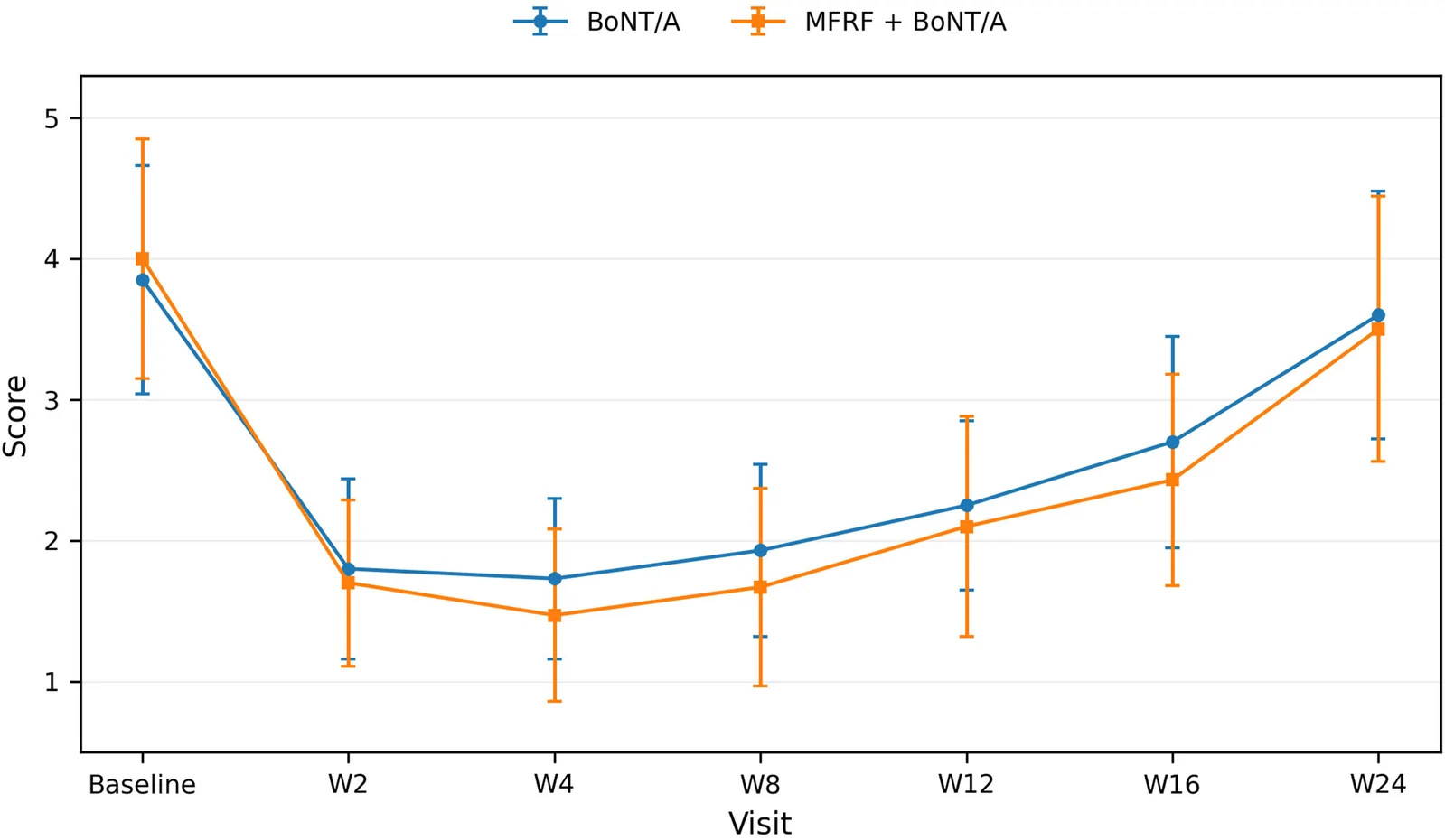
Dynamic crow’s feet scores changed significantly over time in both groups (Friedman test: BoNT/A, χ 2 =107.41, p<0.001, Kendall’s W=0.895; MFRF + BoNT/A, χ 2 =79.16, p<0.001, Kendall’s W=0.880). In the BoNT/A group, scores were lower than baseline at weeks 2–16 (all Holm-adjusted exact p<0.001), but the week-24 comparison was not significant (adjusted p=0.063). In the combination group, improvement remained significant at all visits, including week 24 (weeks 2–16, adjusted p<0.001; week 24, adjusted p=0.002). No between-group difference was significant after multiplicity adjustment (all adjusted p≥0.930; Table 2 and Figure 1 ). Representative photographs are shown in Figures 2 and 3 .
Table 2 Changes in Wrinkle Scores Over Time (Mean ± SD)
| Group/Outcome | Baseline | W2 | W4 | W8 | W12 | W16 | W24 |
|---|---|---|---|---|---|---|---|
| Dynamic crow’s feet (BoNT/A) | 3.85±0.81 | 1.80±0.64** | 1.73±0.57** | 1.93±0.61** | 2.25±0.60** | 2.70±0.75** | 3.60±0.88 |
| Dynamic crow’s feet (MFRF + BoNT/A) | 4.00±0.85 | 1.70±0.59** | 1.47±0.61** | 1.67±0.70** | 2.10±0.78** | 2.43±0.75** | 3.50±0.94** |
| Static crow’s feet (BoNT/A) | 2.50±0.61 | 1.95±0.71** | 1.93±0.67** | 1.98±0.64** | 2.05±0.67** | 2.33±0.69 | 2.40±0.64 |
| Static crow’s feet (MFRF + BoNT/A) | 2.70±0.46 | 1.93±0.53** | 1.83±0.59** | 1.83±0.59** | 2.00±0.71** | 2.27±0.53** | 2.43±0.59** |
| Static infraorbital fine lines (BoNT/A) | 2.65±0.75 | 2.50±0.63 | 2.48±0.62 | 2.48±0.66 | 2.50±0.67 | 2.52±0.70 | 2.58±0.75 |
| Static infraorbital fine lines (MFRF + BoNT/A) | 2.67±0.72 | 2.50±0.63 | 2.43±0.65 | 2.43±0.65 | 2.47±0.72 | 2.50±0.60 | 2.53±0.61 |
Static crow’s feet scores also changed significantly over time (BoNT/A, χ 2 =78.18, p<0.001, Kendall’s W=0.652; MFRF + BoNT/A, χ 2 =68.85, p<0.001, Kendall’s W=0.765). In the BoNT/A group, scores were lower than baseline at weeks 2–12 (all Holm-adjusted exact p<0.001), whereas week 16 (adjusted p=0.063) and week 24 (adjusted p=0.125) were not significant. In the combination group, improvement remained significant through week 24 (weeks 2–12, adjusted p<0.001; week 16, p=0.002; week 24, p=0.008). Between-group differences were not significant at any visit after adjustment (all adjusted p=1.000; Table 2 and Figure 4 ). Representative photographs are shown in Figures 5 and 6 .
Static infraorbital fine-line scores showed significant overall time effects in both groups (BoNT/A, χ 2 =15.84, p=0.015, Kendall’s W=0.132; MFRF + BoNT/A, χ 2 =18.68, p=0.005, Kendall’s W=0.208). However, no individual follow-up visit remained significantly different from baseline after exact Wilcoxon testing and Holm adjustment (BoNT/A, all adjusted p≥0.375; MFRF + BoNT/A, all adjusted p≥0.094). Between-group differences were not significant after adjustment (all adjusted p=1.000; Table 2 and Figure 7 ).
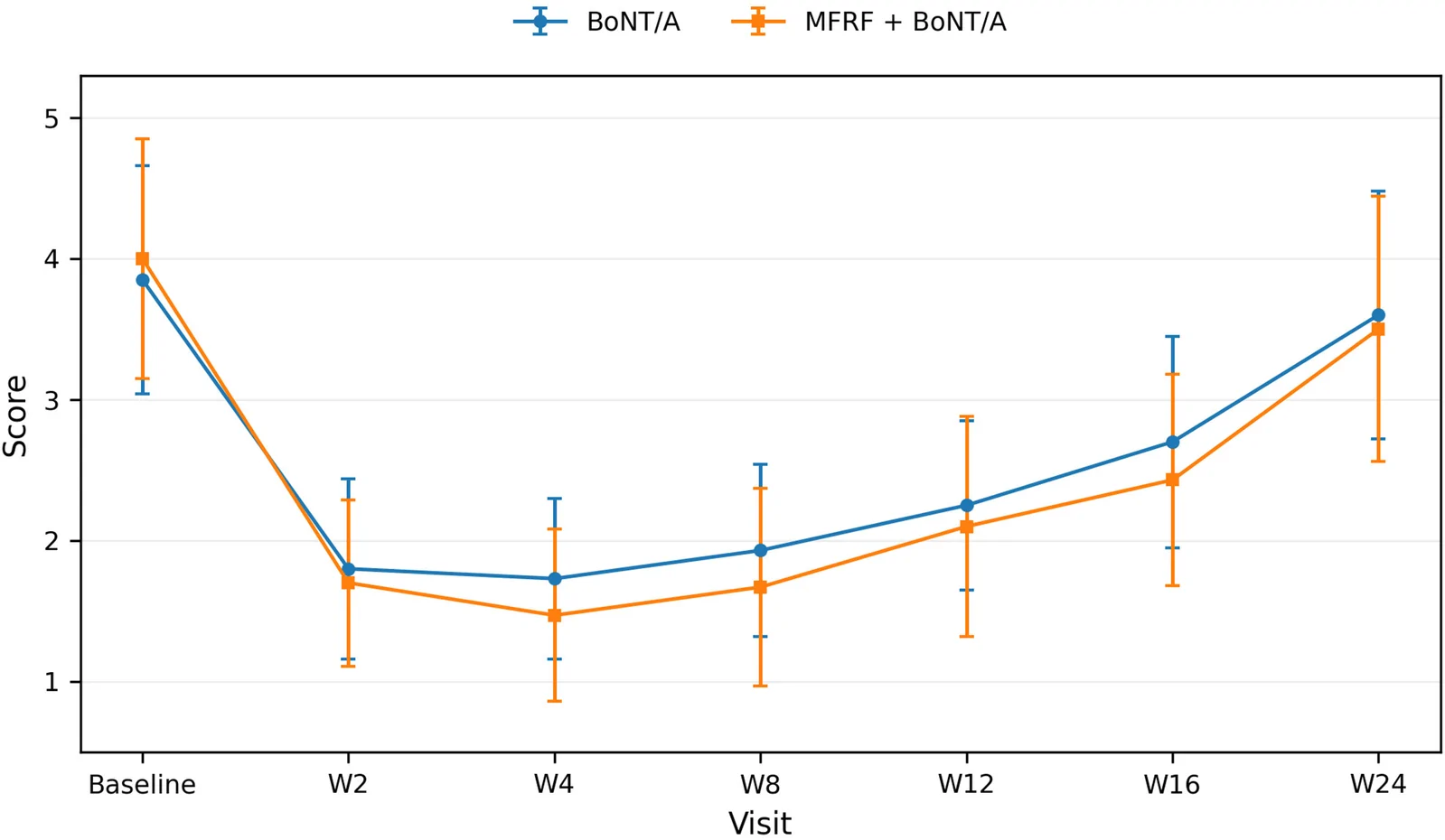
Figure 1 Trajectories of dynamic crow’s feet scores over time. Data are mean ± SD.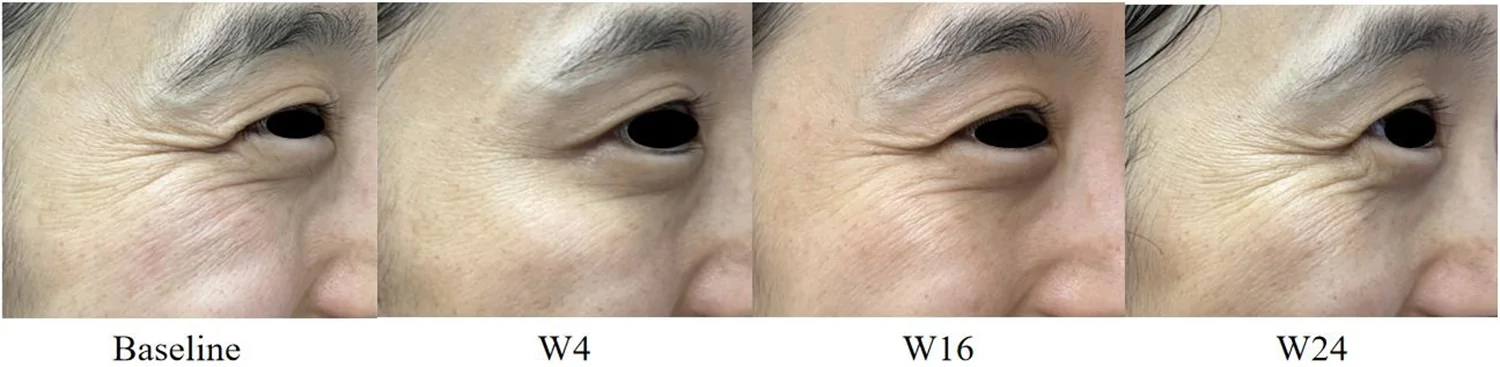
Figure 2 Representative before-and-after photographs of dynamic crow’s feet in the BoNT/A group.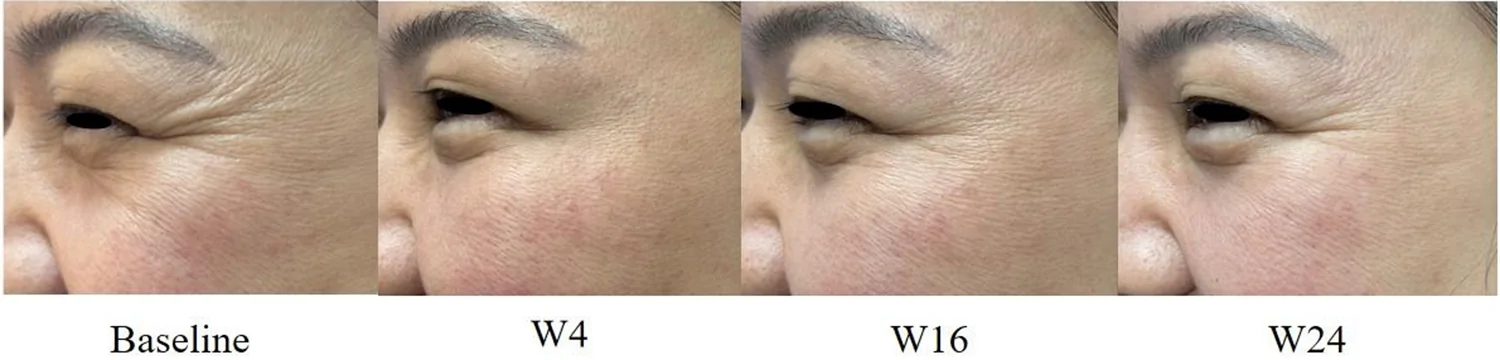
Figure 3 Representative before-and-after photographs of dynamic crow’s feet in the MFRF + BoNT/A group.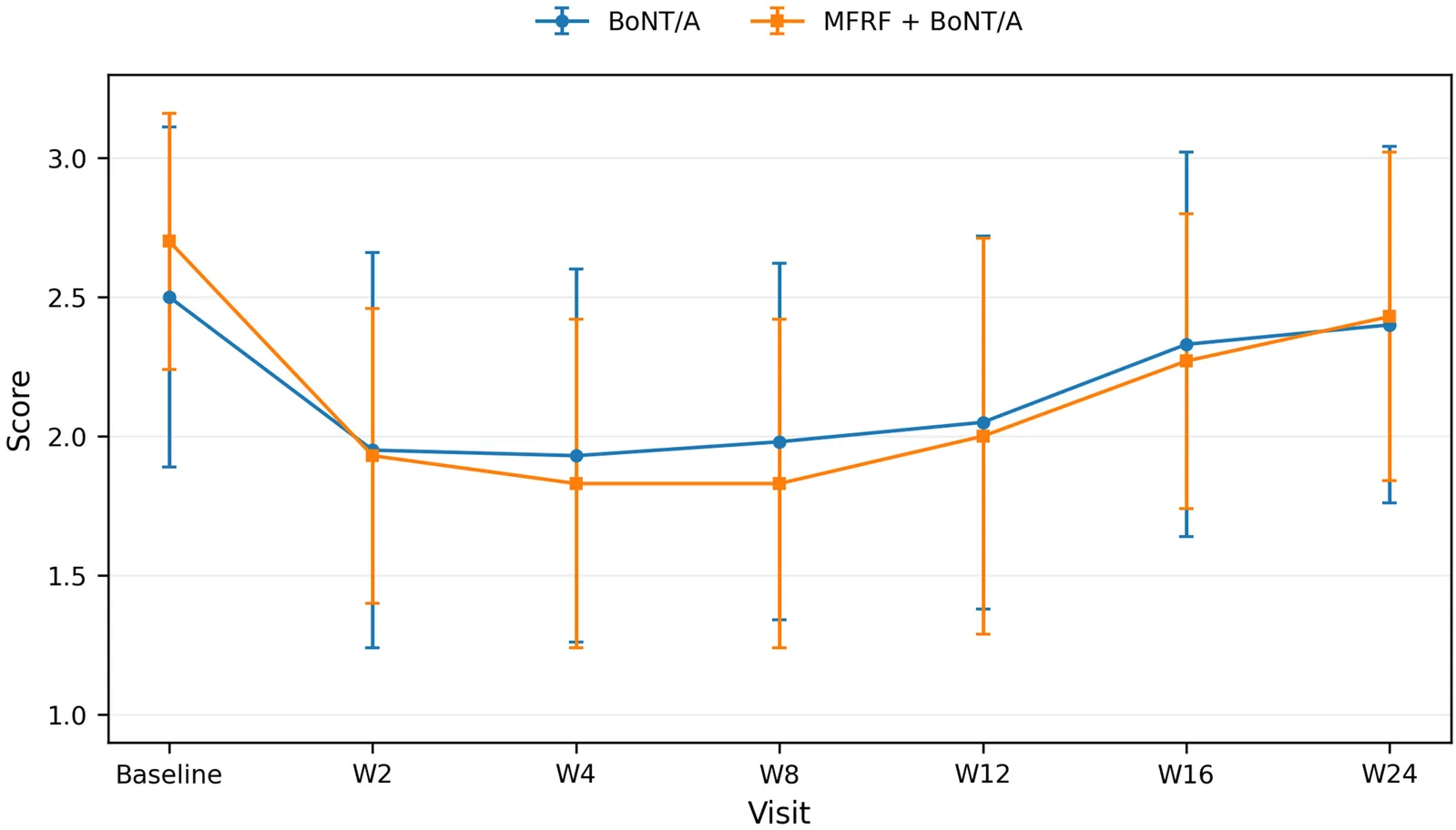
Figure 4 Trajectories of static crow’s feet scores over time. Data are mean ± SD.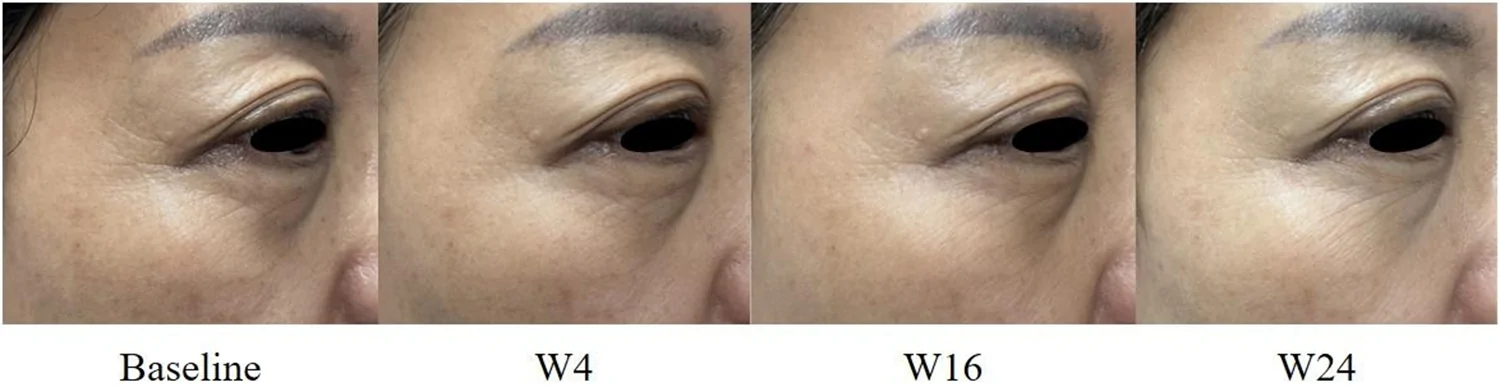
Figure 5 Representative before-and-after photographs of static crow’s feet in the BoNT/A group.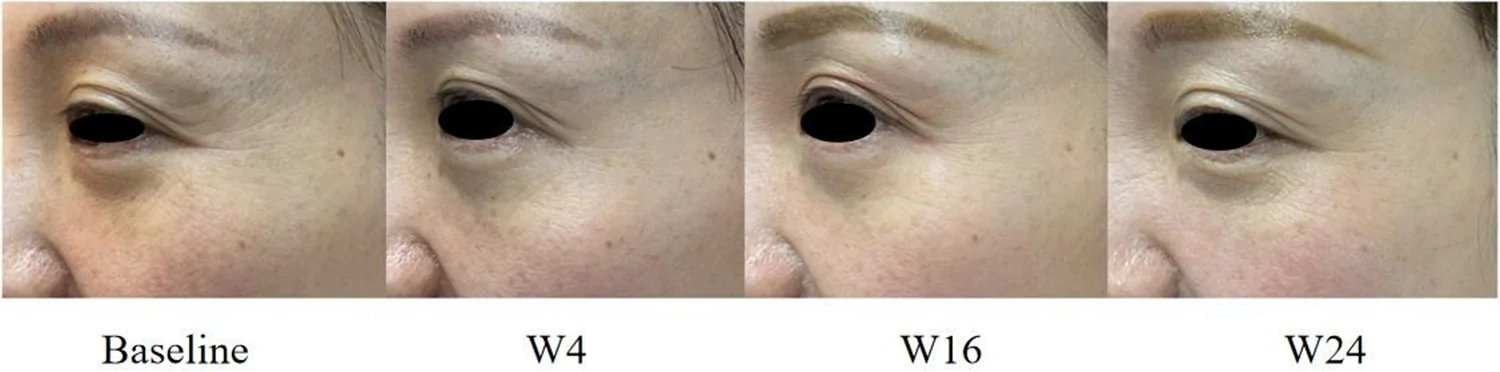
Figure 6 Representative before-and-after photographs of static crow’s feet in the MFRF + BoNT/A group.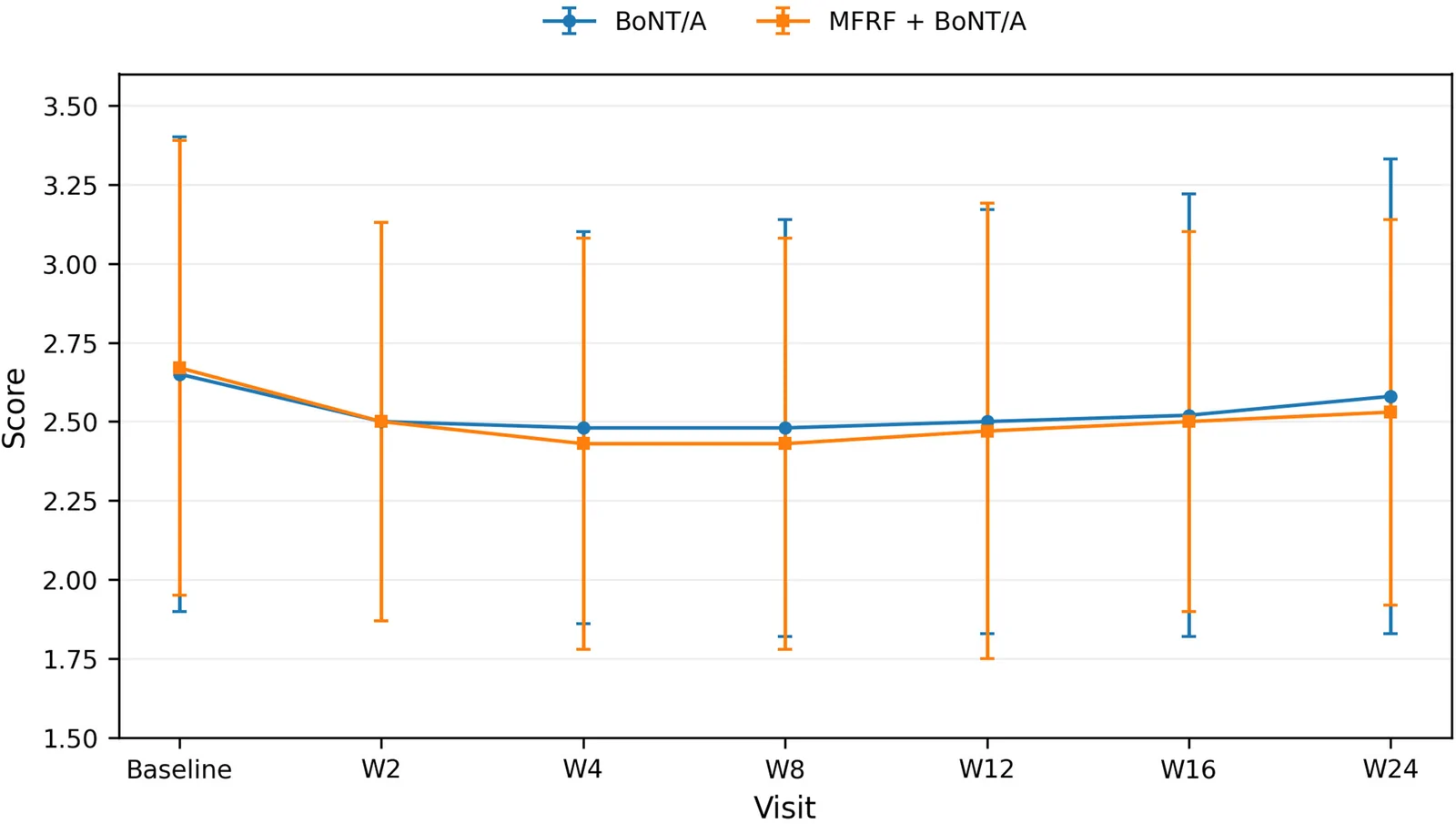
Figure 7 Trajectories of static infraorbital fine-line severity scores over time. Data are mean ± SD.
GAIS peaked at weeks 4–12 in both groups and declined thereafter ( Table 3 and Figure 8 ). The combination group had a higher GAIS at week 16 (Holm-adjusted p=0.004); no other between-group comparison remained significant. At week 12, patient satisfaction was numerically higher in the combination group (3.93±0.70 vs 3.70±0.57) but was not significantly different (p=0.327). Because the week-16 GAIS difference occurred at a single time point and week-12 satisfaction did not differ, this finding was interpreted as exploratory.
Table 3 Global Aesthetic Improvement Scale Scores Over Time (Mean ± SD)
| Group | W2 | W4 | W8 | W12 | W16 | W24 |
|---|---|---|---|---|---|---|
| BoNT/A | 3.40±0.75 | 3.70±0.47 | 3.75±0.44 | 3.75±0.44 | 2.85±0.37 | 0.95±0.22 |
| MFRF + BoNT/A | 3.47±0.52 | 3.73±0.46 | 3.80±0.41 | 3.80±0.41 | 3.47±0.52 | 1.13±0.35 |
| Adjusted p value | 1.000 | 1.000 | 1.000 | 1.000 | 0.004 | 0.371 |
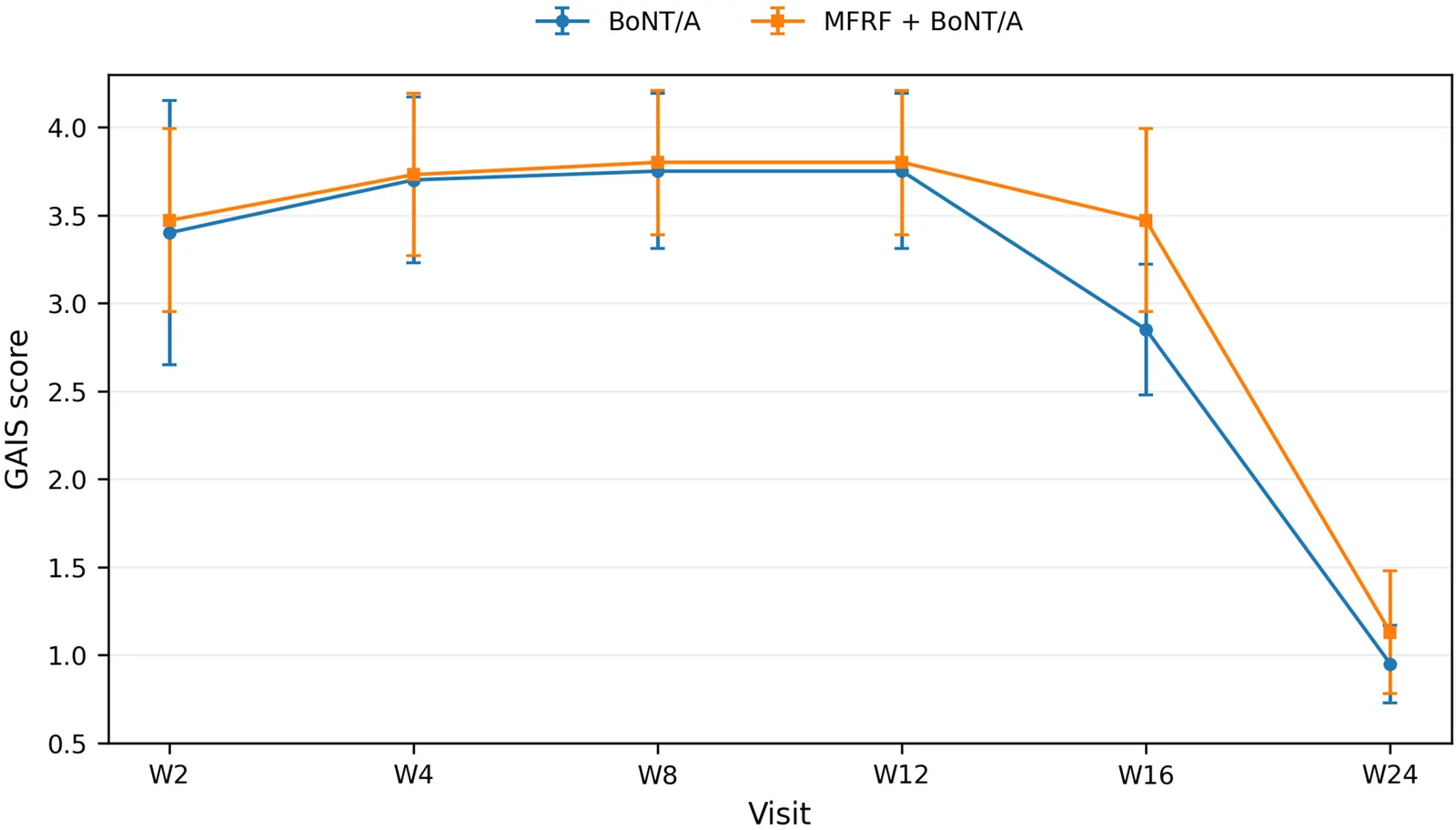
Figure 8 Global Aesthetic Improvement Scale scores over time. Data are mean ± SD.
Baseline hydration, elasticity, and TEWL were comparable ( Table 1 ). In the BoNT/A group, none changed significantly over time (hydration, χ 2 =1.91, p=0.927, Kendall’s W=0.016; elasticity, χ 2 =0.62, p=0.996, W=0.005; TEWL, χ 2 =1.66, p=0.948, W=0.014). In the combination group, significant overall time effects were observed for hydration (χ 2 =49.20, p<0.001, W=0.547), elasticity (χ 2 =44.72, p<0.001, W=0.497), and TEWL (χ 2 =29.00, p<0.001, W=0.322). Hydration was lower at week 2 (Holm-adjusted exact p=0.037) and higher at weeks 12, 16, and 24 (p=0.017, p=0.007, and p=0.007, respectively). Elasticity was significantly higher at weeks 12, 16, and 24 (p=0.002, p<0.001, and p<0.001, respectively), but not at weeks 2–8 after adjustment. TEWL increased transiently at week 2 (adjusted p<0.001) and was not significantly different from baseline thereafter ( Table 4 and Figure 9 ).
Table 4 Changes in Skin Biophysical Parameters Over Time (Mean ± SD)
| Group/Outcome | Baseline | W2 | W4 | W8 | W12 | W16 | W24 |
|---|---|---|---|---|---|---|---|
| Hydration (BoNT/A) | 60.57±10.49 | 58.84±8.41 | 60.88±6.48 | 60.93±4.36 | 60.39±7.67 | 61.98±7.06 | 60.70±8.93 |
| Hydration (MFRF + BoNT/A) | 63.61±1.87 | 59.87±5.67* | 65.33±4.46 | 67.54±7.83 | 69.43±5.17* | 70.54±4.84** | 70.49±5.28** |
| Adjusted p for Δ between groups | — | 0.750 | 0.750 | 0.750 | 0.086 | 0.155 | 0.021 |
| Elasticity (BoNT/A) | 58.79±8.55 | 58.93±7.56 | 59.45±8.07 | 58.92±8.63 | 58.89±8.77 | 59.01±5.98 | 58.94±8.49 |
| Elasticity (MFRF + BoNT/A) | 61.75±4.50 | 64.13±3.50 | 65.12±4.30 | 65.25±5.57 | 68.19±3.56** | 68.38±4.45*** | 69.96±4.34*** |
| Adjusted p for Δ between groups | — | 0.219 | 0.219 | 0.080 | 0.001 | 0.002 | <0.001 |
| TEWL (BoNT/A) | 9.88±1.88 | 10.20±2.58 | 9.98±2.50 | 9.89±2.35 | 9.96±2.22 | 9.85±2.28 | 9.98±1.58 |
| TEWL (MFRF + BoNT/A) | 9.41±2.64 | 13.41±2.07*** | 9.99±1.24 | 9.91±1.57 | 9.61±2.09 | 9.45±2.36 | 9.21±1.91 |
| Adjusted p for Δ between groups | — | <0.001 | 1.000 | 1.000 | 1.000 | 1.000 | 1.000 |
In between-group analyses of change from baseline, hydration improved more in the combination group at week 24 (Holm-adjusted p=0.021). Elasticity change was greater in the combination group at weeks 12, 16, and 24 (adjusted p=0.001, p=0.002, and p<0.001, respectively). TEWL change was greater in the combination group only at week 2 (adjusted p<0.001), reflecting transient barrier disruption after MFRF.
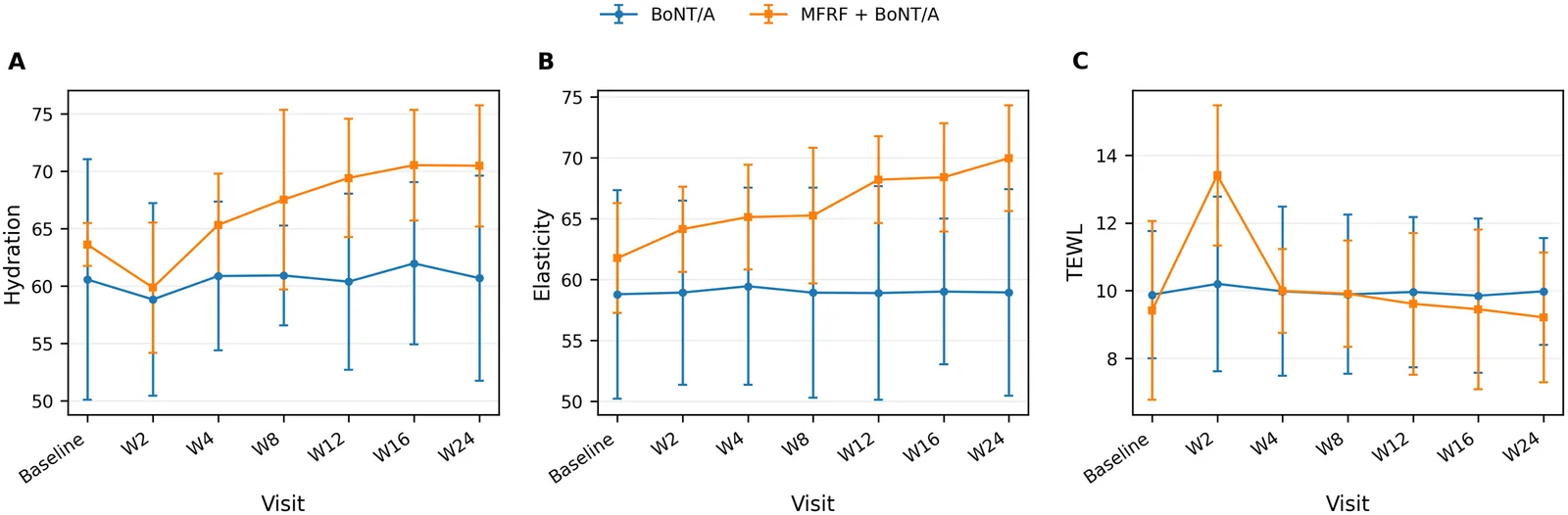
Figure 9 Trajectories of skin biophysical parameters over time: (A) hydration; (B) elasticity; and (C) transepidermal water loss. Data are mean ± SD.
No serious adverse events were documented. Periprocedural punctate bleeding at treatment or injection sites was recorded in all patients in both groups (BoNT/A alone, 20/20 [100.0%]; MFRF + BoNT/A, 15/15 [100.0%]). Transient erythema, swelling, tightness, and burning after MFRF were documented in all 15 patients in the combination group (15/15, 100.0%). Ecchymosis was documented in 1 patient in each group (BoNT/A alone, 1/20 [5.0%]; MFRF + BoNT/A, 1/15 [6.7%]); both cases resolved spontaneously within approximately 1 week. No additional adverse events were documented during subsequent follow-up, including hyperpigmentation, scarring, eyebrow change, eyelid heaviness, dry-eye symptoms, or lagophthalmos.
Both regimens produced rapid improvement in dynamic and static crow’s feet, but exact multiplicity-adjusted analyses showed different late within-group patterns. In the BoNT/A group, dynamic improvement was no longer significant at week 24 and static improvement was no longer significant at weeks 16 or 24. In the combination group, both outcomes remained significantly lower than baseline through week 24. These within-group patterns do not establish superiority, because no wrinkle-score comparison between groups remained significant after Holm adjustment. The combination arm also showed selected skin-quality advantages, including greater elasticity improvement at weeks 12–24, greater hydration improvement at week 24, and higher GAIS at week 16.
The dynamic crow’s feet results are biologically plausible because lateral canthal lines are largely driven by orbicularis oculi contraction, which is directly reduced by BoNT/A. 10 , 11 Both groups improved markedly during early follow-up, followed by partial rebound. At week 24, only 5 of 20 patients in the BoNT/A group had a score below baseline, which explains why the exact paired comparison was not significant despite a lower group mean. In the combination group, 10 of 15 patients remained below baseline at week 24. Nevertheless, the week-24 between-group comparison was not significant, so the difference in within-group significance should not be interpreted as direct evidence of comparative superiority.
The present protocol differs from the pilot study by Jeon et al, in which three MFRF sessions were compared with a single BoNT/A treatment and later improvement favored the MFRF-treated side. 19 Our cohort received only one MFRF session as an adjunct before BoNT/A. This limited exposure may have reduced the magnitude of incremental benefit and may partly explain the absence of between-group wrinkle-score superiority. Other periorbital MFRF studies have also used heterogeneous devices, depths, passes, and treatment schedules, complicating direct comparison. 20 , 21 , 25
Static infraorbital fine lines were less responsive than lateral canthal lines. Although Friedman tests detected overall time effects, no individual visit remained significant after exact testing and Holm correction in either group. Lower-eyelid appearance reflects thin skin, fine rhytides, volume loss, ligamentous support, and contour irregularity rather than muscle activity alone. 4 , 25 Moreover, enrollment was based on dynamic crow’s feet grade ≥3, so baseline static infraorbital fine-line scores were lower and the available range for improvement was limited. These findings support selecting treatment according to the dominant anatomical problem rather than expecting one modality to correct all periorbital aging domains.
The biophysical pattern is compatible with short-term barrier disturbance after MFRF followed by tissue remodeling. Hydration decreased and TEWL increased at week 2, whereas hydration and elasticity improved at later visits. Microneedling-associated procedures and radiofrequency treatments can transiently disrupt the barrier while initiating collagen and elastin remodeling. 18 , 26–28 The week-16 GAIS difference may therefore reflect broader skin-quality changes that are incompletely captured by a 5-point wrinkle scale. Nevertheless, GAIS was physician-rated and not formally blinded, the difference occurred at only one visit, and week-12 patient satisfaction did not differ; it should therefore be considered exploratory.
Multimodal rejuvenation is intended to combine mechanisms rather than apply identical treatments to every patient. Neuromodulators address dynamic lines; fillers address volume loss; PRP, polynucleotides, exosome-containing products, and microneedling target aspects of skin quality; and energy-based devices target texture or laxity. 5–9 , 29 Recent reports combining BoNT/A with PDO threads similarly illustrate the broader multimodal principle, although evidence is limited by small and heterogeneous cohorts. 30 In clinical practice, the additional cost and downtime of MFRF should be balanced against the patient’s primary concern and the uncertain incremental wrinkle benefit demonstrated in this study.
This study has several limitations. First, its retrospective, nonrandomized design introduced potential selection bias and residual confounding related to patient preference, clinician selection, or unmeasured baseline characteristics. Second, the sample size of 35 limited power for between-group analyses; absence of significance should not be interpreted as equivalence. Third, 91.4% of participants were women, limiting generalizability to men. Fourth, eligibility was based on dynamic crow’s feet rather than all wrinkle domains, contributing to lower baseline static scores and possible floor effects. Fifth, only one MFRF session was evaluated, whereas multi-session protocols may produce larger or more durable remodeling. Sixth, follow-up was limited to 24 weeks. Seventh, GAIS was not formally blinded, and the study-adapted ordinal scale used for static infraorbital fine lines, although based on the 5-point photonumeric framework described by Pavicic et al, had not undergone independent formal validation. Eighth, evaluator-specific wrinkle ratings were not retained in the de-identified analytic dataset, precluding retrospective calculation of inter-rater agreement. Finally, the study included multiple exploratory outcomes. Prospective studies using standardized multi-session MFRF protocols, objective imaging, validated outcome measures, blinded assessors, and at least 12 months of follow-up are warranted, with repeat BoNT/A treatment at approximately 6 months evaluated as part of a long-term treatment strategy.
BoNT/A alone and one MFRF session followed by BoNT/A both improved dynamic and static crow’s feet during early and intermediate follow-up. Exact multiplicity-adjusted analyses did not confirm sustained late improvement for all outcomes in the BoNT/A-alone group, whereas within-group improvement in the combination group remained significant through week 24. However, adding MFRF did not provide a statistically detectable between-group wrinkle-score advantage. Improvement in static infraorbital fine lines was not significant at any individual visit after correction. The combination regimen was associated with greater improvement in selected skin-quality outcomes, but larger prospective studies are required before drawing conclusions about comparative efficacy or equivalence.
声明:中文精读 · 仅供学术参考。内容来自公开文献检索,不代表本人观点,不构成诊疗建议。 医疗美容需在正规医疗机构由执业医师实施。
基于相同主题推荐 · 继续深挖
回顾性队列研究(35例,30–50岁,女性占91.4%)比较单纯A型肉毒毒素(BoNT/A)与「1次微针点阵射频(MFRF)+1周后BoNT/A」对眶周老化的疗效与安全性。
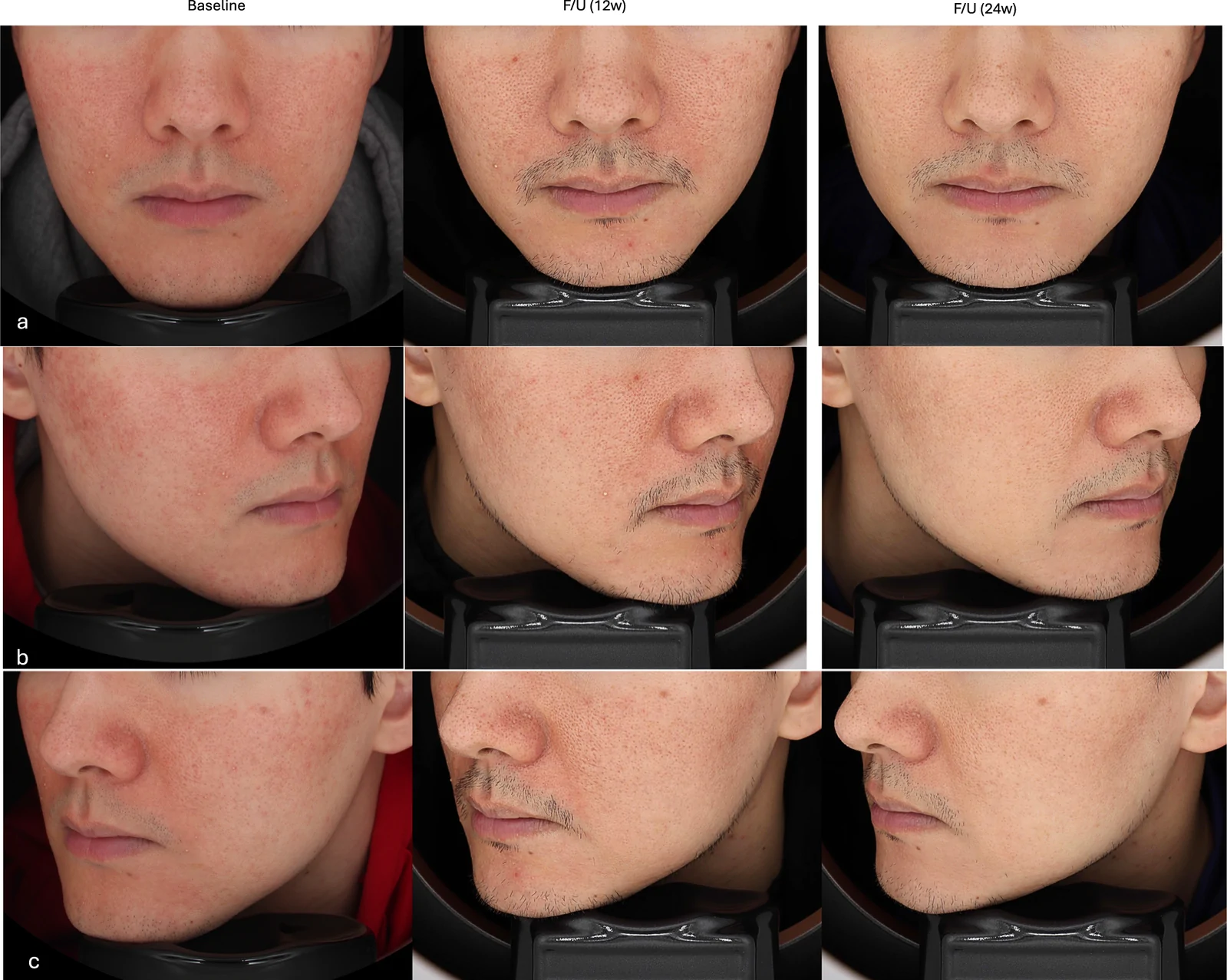
真实世界回顾性队列纳入50例临床诊断玫瑰痤疮成人,80%为女性、中位年龄33岁,多数(76%)为Fitzpatrick III型肤色。
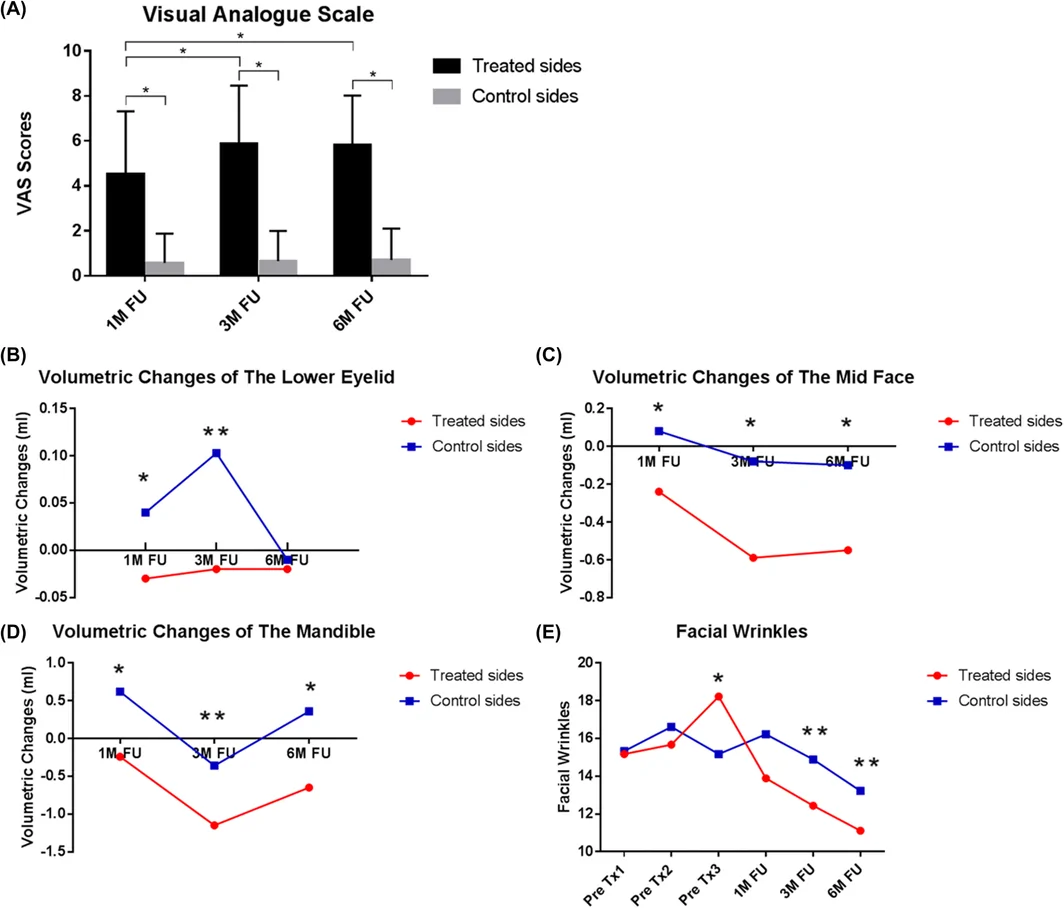
研究设计:前瞻性、随机、半脸自身对照,21例入组、18例完成随访(女17/男1,年龄30–63岁,平均47.6岁),接受3次治疗、间隔1个月,随访至末次治疗后6个月。