自体脂肪移植在乳房手术与乳房重建中非容积性适应证的范畴综述
2026年10月24日25 min read
Plastic and Reconstructive Surgery Global Open
Plastic and Reconstructive Surgery Global Open
结论与实践要点
传统上 AFG 被视为容积填充工具,本文的范畴综述系统梳理了其在乳房手术中的「非容积性」价值——即不以增加体积为主要目的,而是通过脂肪来源基质血管成分与旁分泌效应改善组织质量。证据显示:① 对接受过放疗的乳房,预防性 AFG 显著降低重度包膜挛缩(Baker III/IV)风险(RR 0.57),但在未放疗人群中总体无显著获益;② AFG 可缓解 PMPS 疼痛(VAS 平均下降约 1.85 分),可能与抗炎、神经调节及组织软化有关;③ 在轮廓畸形、先天性畸形与植入物囊腔准备中亦被推荐。
须客观看待:总体包膜挛缩率未显著下降,说明 AFG 并非「抗挛缩万灵药」;现有证据多为观察性研究、异质性高,结论外推需谨慎。临床应用中,AFG 更适合作为放疗后植入重建、PMPS 及局部轮廓缺损的辅助手段,而非独立解决方案;脂肪采集、纯化与注射的标准化仍是保证安全与效果的关键。
Background:Autologous fat grafting (AFG) has growing interest for its versatility and efficacy in breast reconstruction. This scoping review aims to summarize the evidence for nonvolumetric indications of AFG in breast surgery and breast reconstruction.
Methods:MEDLINE, Embase, and Web of Science were searched from inception to March 2024. Articles were included if they used AFG in breast surgery for nonvolumetric indications. The primary outcome was the indication for AFG. Secondary outcomes included the capsular contracture (CC) rate, incidence of postmastectomy pain syndrome (PMPS), patient satisfaction, physician outcome measures, functional discomfort, and complications. A risk-of-bias assessment was performed.
Results:After screening 7294 citations, 104 full-text articles were included. Indications included (1) CC; (2) PMPS; (3) contour deformities, asymmetry, and congenital deformities; (4) preparation of implant pocket; and (5) other indications. AFG is recommended for contour correction and congenital deformities. Pretreatment of radiated mastectomy flaps with AFG improved outcomes in implant-based breast reconstruction. Additional uses include gynecomastia, nipple reconstruction/sensation, and lymphedema. AFG did not significantly reduce CC rates overall (relative risk, 0.85 [0.62–1.17]; P = 0.31), but a significant reduction was observed in irradiated breasts (relative risk, 0.57 [0.4–0.82]; P < 0.01). AFG improved pain in PMPS patients (mean change in visual analog score −1.85 [−2.5 to −1.2], P < 0.001).
Conclusions:AFG shows promise for several emerging nonvolumetric breast applications in autologous and implant-based breast reconstruction. It may be a good adjunct in select patients, particularly those who have received radiation therapy.
Takeaways
Question: What is the evidence for nonvolumetric indications of autologous fat grafting (AFG) in breast surgery and breast reconstruction?
Findings: A total of 126 full-text articles were included. Indications included (1) capsular contracture; (2) postmastectomy pain syndrome; (3) contour deformities, asymmetry, and congenital deformities; (4) preparation of implant pocket; (5) adjunct to autologous reconstruction; and (6) other. AFG is recommended for contour correction and congenital deformities. AFG can be an important adjunct in breast reconstruction to decrease capsular contracture in irradiated breasts and improve pain in postmastectomy pain syndrome. Additional uses are being proposed and investigated.
Meaning: AFG shows promise for several emerging nonvolumetric breast applications.
Plastic surgeons use various autologous and implant-based breast reconstruction (IBBR) methods to restore breast contour and shape after mastectomy. 1 Although advancements in microsurgery have improved outcomes in autologous reconstruction, limitations such as donor-site morbidity and longer operative times remain. 2 IBBR also carries risks, including contour deformities, capsular contracture (CC), implant rippling, implant rupture, seromas/hematoma, and infection. 3 As a solution to some of these complications, such as CC, contour deformities, and implant loss, autologous fat grafting (AFG) has gained attention.
In breast surgery, the use of AFG has evolved beyond volume restoration during primary augmentation or reconstruction. Fat grafting has been well documented for its use in contour deformities after lumpectomy and following IBBR and autologous reconstruction. 4 Furthermore, studies have begun to highlight its use for nontraditional indications such as CC, postmastectomy pain syndrome (PMPS), and preparation of irradiated wound beds. Previous studies have shown that AFG may improve overall pain in PMPS. 5 In irradiated wounds, growth factors associated with AFG have been shown to improve skin thickness and quality to improve skin flap viability for IBBR.
Despite these benefits, there has been a significant focus on complications introduced by this method, including fat calcifications, cyst formation, hematoma, infection, low graft viability, and oncological safety. 6 The full extent of its applications beyond volume enhancement remains underexplored. Therefore, this scoping review aims to summarize the available evidence on the nonvolumetric uses of fat grafting in breast surgery and breast reconstruction.
The protocol for this study was registered on the International Prospective Register of Systematic Reviews (PROSPERO) (registration no.: CRD42024557739). This literature review is reported in accordance with the Preferred Reporting Items for Systematic Reviews and Meta-Analyses (PRISMA) guidelines. 7 ( See table, Supplemental Digital Content 1 , which displays the PRISMA 2020 checklist for reporting of systematic reviews and meta-analyses, https://links.lww.com/PRSGO/F257.)
We conducted a search of the following databases from database inception to March 2024: Ovid MEDLINE, Embase, and Web of Science. Search terms included “breast surgery,” “breast reconstruction,” “fat graft,” and other terms related to lipofilling and breast procedures within plastic surgery. ( See table, Supplemental Digital Content 2 , which displays the search strategy, https://links.lww.com/PRSGO/F258.) Inclusion criteria were all studies (cohort studies, case series/reports, and randomized controlled trials [RCTs]) that included more than 25% of patients receiving AFG for nonvolumetric indications. We defined the use of fat grafting as “nonvolumetric” when it was not the primary method, when it was used for secondary deformities, or when increasing breast volume was not its primary objective (ie, treatment for CC). We included studies involving autologous breast reconstruction, IBBR, and other nonvolumetric indications. We excluded articles if they used AFG as the only source of reconstruction or breast augmentation as a volume-filling procedure. We excluded all animal studies, review articles, and non-English studies.
The primary outcome was the indication for the use of AFG. The application of AFG was determined by a combination of study design, its use as primary or secondary reconstruction, primary and secondary outcomes, and the listed indications for AFG when available. Each study was reviewed by 2 authors to determine the indications for AFG. An expert breast reconstructive surgeon was consulted when there was a discrepancy. Studies were grouped into more than 1 category if there was more than 1 indication for fat grafting. Secondary outcomes included the rate of CC, pain and the incidence of PMPS, patient satisfaction, physician outcome measures, functional discomfort, and complications.
Reviewers (J.C., M.M., and L.-A.G.) independently evaluated the systematically searched titles and abstracts using a standardized, pilot-tested form in duplicate. Discrepancies that occurred at the title and abstract screening phases were resolved by the inclusion of the study. At the full-text screening phase, discrepancies were resolved by reviewer consensus. If disagreement persisted, a third reviewer (A.T.C.) was consulted. Data extraction was performed independently using a data collection form.
The data extracted included publication characteristics (author, title, year of publication, study region, study design, and primary and secondary outcomes) and patient demographics (original reconstruction/augmentative procedure, primary versus secondary fat grafting, diabetes, smoking, previous radiation therapy, and average body mass index). We extracted fat grafting procedure details (indications for fat grafting, number of fat grafting sessions, and volume injected), and patient outcomes (the rate of CC, PMPS, BREAST-Q, patient satisfaction, physician outcome measure, pain, health-related quality of life, sensation, complications, follow-up visits, and revision surgery).
A risk-of-bias assessment of observational (nonrandomized) trials was completed using the Cochrane Risk Of Bias In Nonrandomized Studies of Interventions (ROBINS-I) tool. 8 The risk-of-bias assessment of RCTs was completed using the Cochrane Risk of Bias Tool for Randomized Controlled Trials 2.0 (RoB 2). 9
For studies that had heterogeneous outcome measures that prohibited meta-analysis, a narrative review was provided. All statistical analyses and meta-analyses were performed using DataParty (Hamilton, Ontario, Canada). The threshold for statistical significance was set a priori at a P value of less than 0.05. A pairwise meta-analysis was performed using a Mantel-Haenszel random-effects model for all meta-analyzed outcomes. Pooled effect estimates were obtained by calculating the standardized mean difference in outcomes for continuous variables and relative risk (RR) for dichotomous variables, along with their respective 95% confidence intervals, to confirm the effect size estimation.
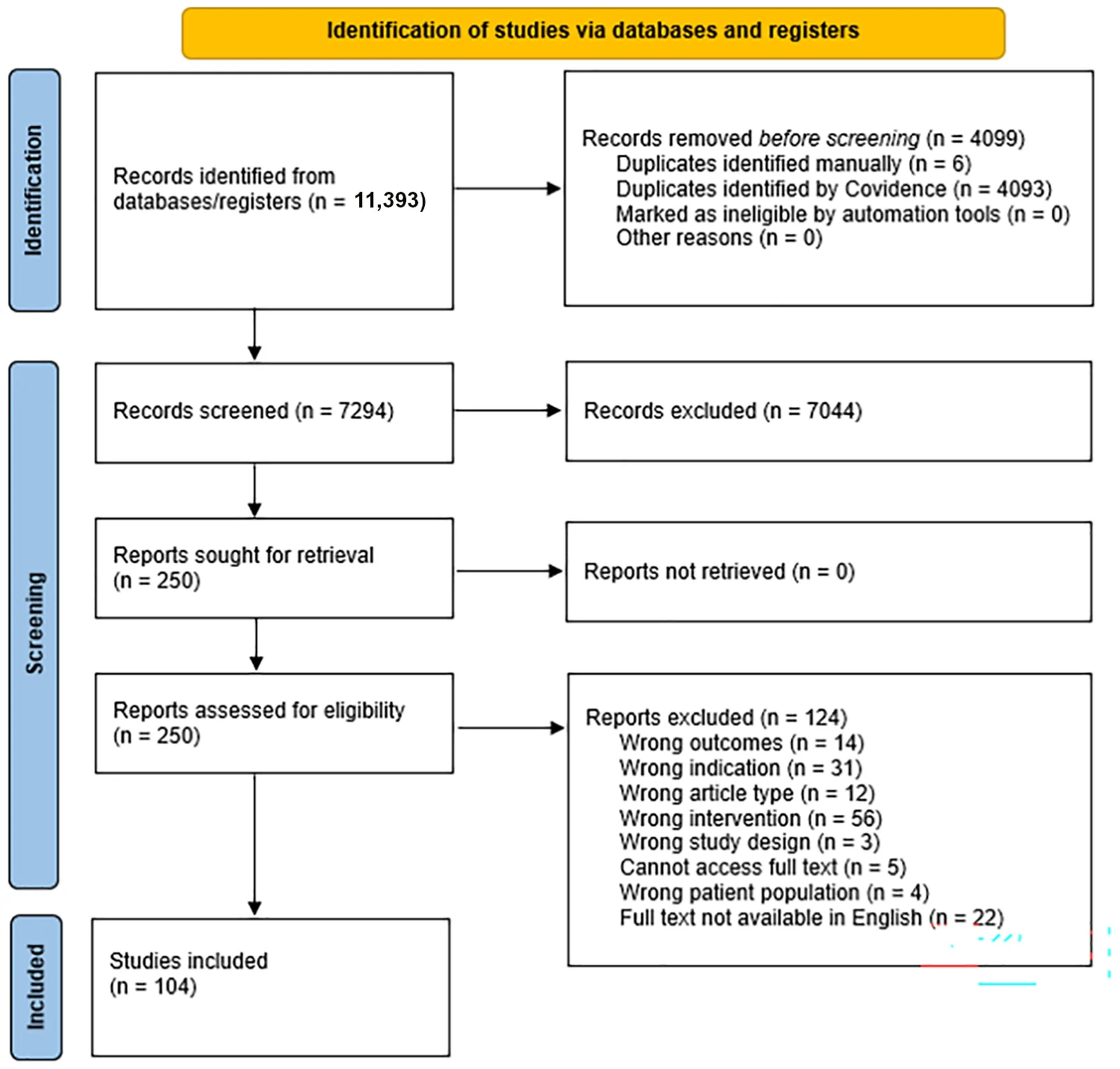
Our literature search identified 7294 citations; 104 articles were included (Fig. 1 ). ( See table, Supplemental Digital Content 3 , which displays the references of all included studies, https://links.lww.com/PRSGO/F259.) Most studies were conducted in Europe (n = 61, 58.7%), followed by North America (n = 26, 25%). We grouped the use of fat grafting into 5 categories: (1) fat grafting for CC, (2) fat grafting for PMPS, (3) fat grafting for contour defects (asymmetry, secondary deformities, and congenital defects), (4) fat grafting for preparation of the implant pocket, and (5) other indications (gynecomastia, nipple sensation/reconstruction, and lymphedema) (Fig. 2 ). A meta-analysis was performed for the first 2 indications. A narrative review is provided in the discussion for the remaining indications. ( See table, Supplemental Digital Content 4 , which displays the characteristics of included studies, https://links.lww.com/PRSGO/F260.)
Fig. 1. PRISMA flowchart of all studies using fat grafting for nonvolumetric indications in breast surgery.PRISMA 文献筛选流程图。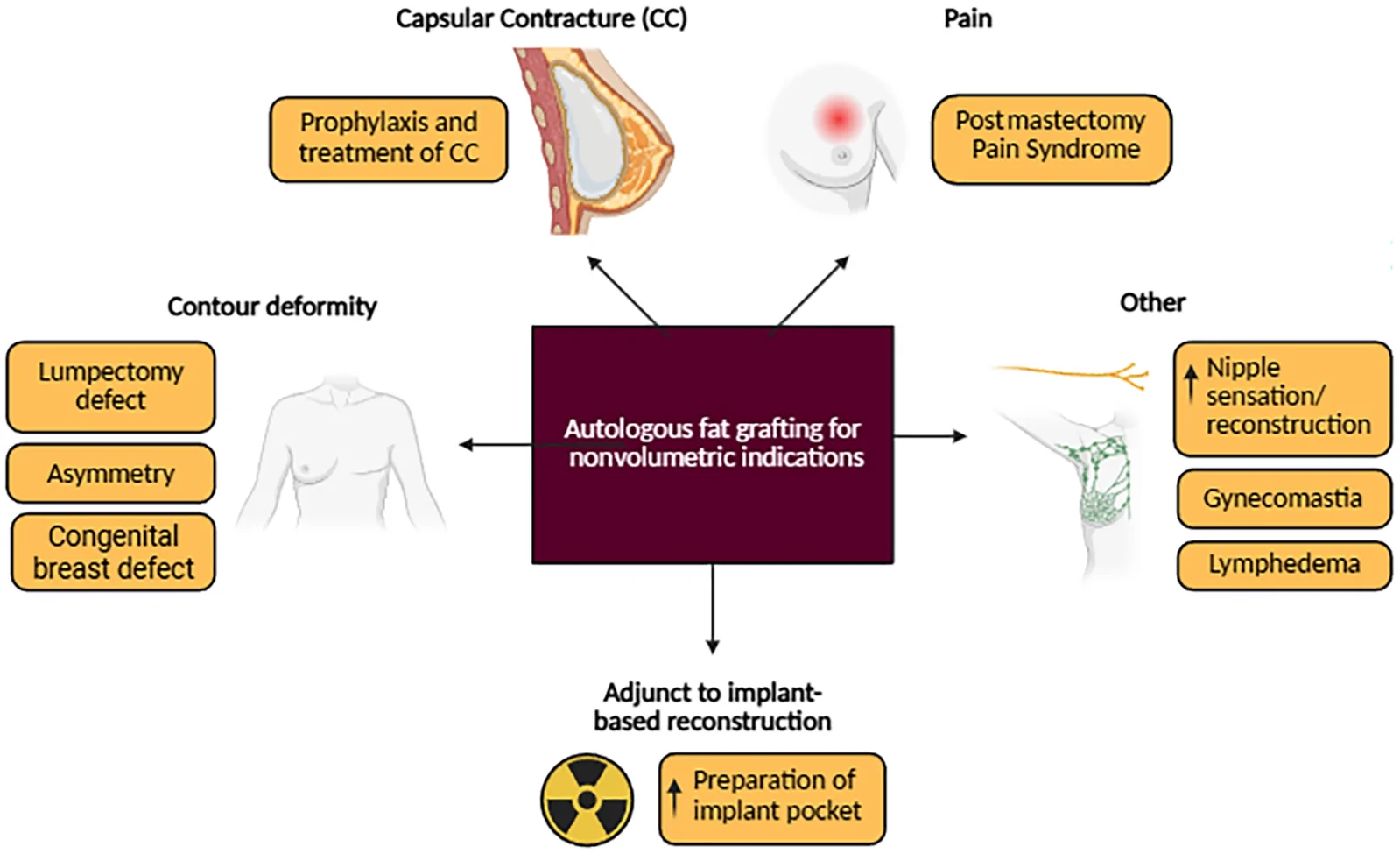
Fig. 2. Nonvolumetric indications of AFG in breast surgery.AFG 在乳房手术中的非容积性适应证总览。
Fourteen studies investigated the use of AFG for treatment and/or prophylaxis of CC. 1 , 3 , 10 – 21 Of these, 7 were comparative studies of fat grafting versus no fat grafting for the prophylaxis of CC in IBBR (Table 1 ). 3 , 10 , 13 , 14 , 17 , 18 , 20 In total, 305 patients received fat grafting, whereas 358 did not receive fat grafting. The incidence of severe CC was 51 of 305 (16.7%) in the fat grafting group compared with 67 of 358 (18.7%) in the control group (RR, 0.85 [0.62–1.17]; P = 0.31) (Fig. 3 A). The complication rate ranged from 0% to 52%. The most common complication was seroma. Among studies reporting seroma, 21 of 206 (10.2%) patients in the control group and 18 of 160 (11.3%) patients in the AFG group had seroma. Other complications included superficial infection, hematoma, and wound dehiscence.
Table 1. Comparative Studies of AFG in CC
| Study | Type of Reconstruction | Radiotherapy Status (%, Timing) | No. AFG Sessions | Average Follow-up, mo (SD) | Rate of CC, n (%) | CC Severity (Baker) |
|---|---|---|---|---|---|---|
| Bravo 10 | Implant augmentation | N/A | 1 | Minimum 1 y | 4 (5.2) | II |
| Implant augmentation + AFG | N/A | 1 | Minimum 1 y | 2 (4.7) | II | |
| Calabrese et al 3 | Two-stage implant | 12.3, after first stage | 1–3 | 36.2 (12–60) | 28 (21.5) | Not reported |
| Two-stage implant + AFG | 26.2, after first age | 1–3 | 32.9 (12–50) | 6 (7.1) | Not reported | |
| Escandon et al 13 | Two-stage implant | N/A | Not reported | 40.2 (28.0) | 6 (6) | Not reported “requiring capsulectomy/capsulotomy” |
| Two-stage implant + AFG | N/A | Not reported | 35.8 (15.4) | 14 (14) | Not reported “requiring capsulectomy/capsulotomy” | |
| Gentilucci et al 14 | Two-stage implant | 100, after first stage | N/A | 12 | 20 (66.7) | III, 12 (40)IV, 8 (26.7) |
| Two-stage implant + AFG | 100, after first stage | 3 | 12 | 18 (60) | III, 18 (60) | |
| Lindegren et al 17 | Two-stage implant | 100, before first stage | N/A | 24 | 5 (22.7) | Not reported |
| Two-stage implant + AFG | 100, before first stage | 1–2 | 24 | 1 (4.3) | Not reported | |
| Martin et al 18 | Two-stage implant | 100, after first stage | N/A | 1.9 (1.6) | 4 (16.7) | III or IV |
| Two-stage implant + AFG | 100, after first stage | 1 | 1.98 (1.62) | 10 (30.3) | III or IV | |
| Ribuffo et al 20 | Two-stage implant | 100, after first stage | N/A | 18 | 9 (56.2) | III or IV |
| Two-stage implant + AFG | 100, after first stage | 1–2 | 18 | 0 (0) | III or IV |
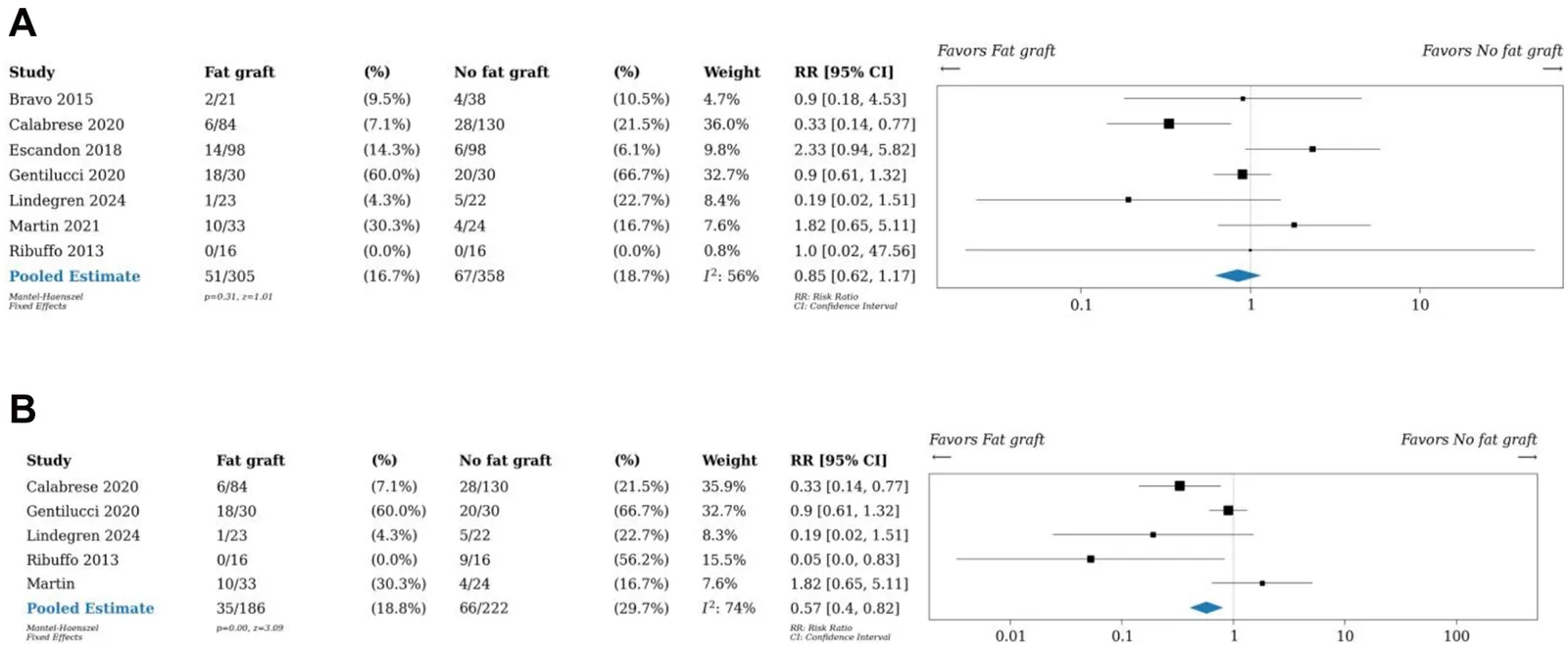
Fig. 3. Number of patients who developed severe CC (Baker grade III/IV) after use of prophylactic fat grafting in all patients with implant-based reconstruction with or without radiotherapy (A) and patients receiving neoadjuvant or adjuvant radiotherapy (B).预防性脂肪移植后重度包膜挛缩(Baker III/IV)发生患者数——全部重建(A)与接受新辅助/辅助放疗者(B)。
Next, we looked at all studies using AFG for CC prophylaxis following radiotherapy. There were 5 studies that compared the rate of CC in irradiated breasts with or without AFG. 3 , 14 , 17 , 18 , 20 In the fat grafting group, 35 of 186 (18.8%) developed CC compared with 66 of 222 (29.7%) (RR, 0.57 [0.4–0.82]; P < 0.01) (Fig. 3 B).
Crawford et al 11 and Komorowska-Timek et al 16 compared the use of AFG in irradiated versus nonirradiated breasts. Results from the study by Crawford et al 11 demonstrated that there was no statistically significant difference in the incidence of complications (including CC) between nonirradiated and irradiated breasts. Komorowska-Timek et al 16 reported that there was no significant difference in implant-related complications as it pertains to radiation status. Razzouk et al 1 reported on postradiotherapy AFG, with 11% of patients developing CC.
There were 3 studies that examined the use of AFG as a treatment method for severe CC. Haran et al 15 examined the use of surgical intervention (implant exchange with capsular release) with or without AFG as a treatment method for postirradiation CC. They found that 53.3% of patients had resolution of CC in the AFG group after a single procedure, and a total of 86.6% had resolution after an additional fat grafting procedure. In the control group, 48.5% had resolution after a single procedure, and a total of 66.7% had resolution after a secondary procedure with fat grafting. They determined that fat grafting at any stage was significantly correlated with the resolution of CC. Ueberreiter et al 21 used AFG for grade III or IV CC in 64 patients. They reported an increase in patient satisfaction among all patients. Papadopoulos et al 19 performed an observational study using AFG as a treatment for CC in nonirradiated breasts, which led to improved breast sensation and reduced pain in all cases.
There were 7 studies that examined AFG for the treatment of PMPS. 5 , 22 – 27 Of these, 4 studies were comparative studies, with the primary outcome being the mean difference in pain based on the visual analog scale. Fat grafting demonstrated a positive therapeutic effect on the reduction of PMPS, with a mean difference in pain after fat grafting of −1.85 (95% confidence interval −2.5 to −1.2, P < 0.001) (Fig. 4 ). Lisa et al 5 performed a prospective observational trial and reported a decrease in visual analog scale scores from an average of 6.9 (SD 1.3) to 3.1 (SD 1.59) at 1 month and to 0.83 (SD 1.60) by 3 months. Min et al 25 reported a case series of 3 patients who underwent stromal vascular fraction-enriched fat grafting, with evidence of efficacy in each case. Finally, in a series of 18 patients treated for pain after breast-conserving surgery, all patients responded well to the intervention, providing further evidence that fat grafting may be useful for the treatment of PMPS. 26 Four studies documented complications, of these, 3 reported no complications and 1 reported 10 (55.6%) incidences of oil cysts.

Fig. 4. Mean difference in pain after fat grafting in patients with PMPS.PMPS 患者脂肪移植后疼痛平均差值。
Fifty-six studies reported the use of AFG for correcting contour irregularities, asymmetry, or congenital deformities. Forty-two studies examined its use for contour deformities. Eight studies examined congenital deformities, most commonly tuberous breasts, followed by Poland syndrome. 28 – 35 There was a high overall satisfaction rate across patients receiving AFG, with low complication rates. Commonly reported complications included seromas, hematomas, infections, oil cysts, and fat necrosis. Additional fat grafting sessions were common across surgery and ranged from 1 to 5 across all studies.
Twenty-one studies evaluated the use of AFG to prepare the chest wall for tissue expansion or implant placement. The total number of sessions ranged from 1 to 3. BREAST-Q scores were reported in 2 studies. Complications included seromas, hematomas, oil cysts, wound dehiscence, and fat necrosis. A narrative review is provided in the Discussion.
There were 4 studies that investigated the use of fat grafting for other indications. 36 – 39 These included gynecomastia, nipple reconstruction, nipple sensation, and lymphedema. A narrative review is provided in the Discussion.
Risk-of-bias analyses are summarized in Figures 5 and 6 according to the RoB 2 and ROBINS-I. Sixteen observational studies (13.2%) were rated as having a moderate risk of bias, whereas the remaining studies were rated as having a serious risk of bias (86.8%). There were 5 RCTs, 4 of which were determined to be at high risk of bias and 1 to be at moderate risk of bias.
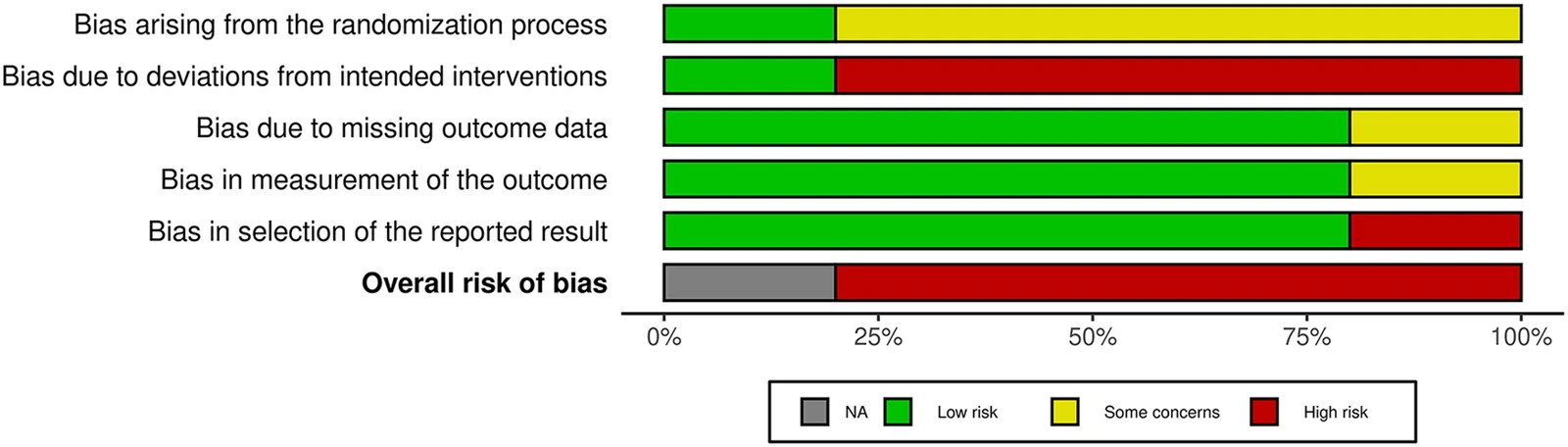
Fig. 5. Summary of the risk of bias of observational trials using RoB 2.观察性研究偏倚风险(RoB 2)总结。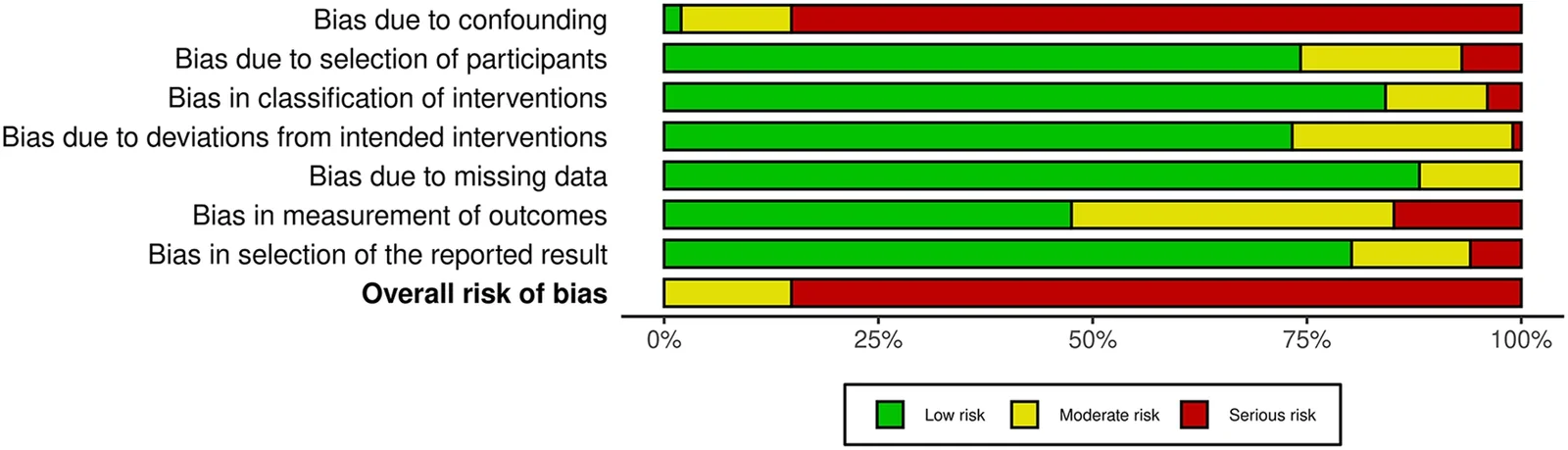
Fig. 6. Summary of the risk of bias of observational trials using ROBINS-I.观察性研究偏倚风险(ROBINS-I)总结。
This scoping review investigates the use of AFG after breast surgery and reconstruction for nonvolumetric purposes and demonstrates its expanding role beyond volume restoration. Our findings support its growing role in managing CC, particularly prophylactically in irradiated chest walls. AFG may help reduce the incidence of CC, the most common complication following IBBR. 40 Current preventive strategies emphasize surgical technique, antibiotic irrigation, hemostasis, and implant placement. 41 AFG is hypothesized to inhibit fibroblast production, reduce inflammation, and promote revascularization through adipose-derived stem cells, collectively limiting capsular formation. 15 Despite promising results, small sample sizes and limited long-term follow-up remain major challenges. Additionally, all studies used subpectoral implant placement; thus, its efficacy in prepectoral reconstruction or breast augmentation remains unclear. 3 , 17 , 18 , 20 Finally, all studies used 2-stage tissue expander-to-permanent implant reconstruction. Other studies have examined adjustable expander implants and demonstrated the prevention of CC in this population; however, the use of AFG in those undergoing direct-to-implant reconstruction remains understudied. 42 Overall, this report suggests that AFG may be beneficial in reducing the rate of CC in postirradiation chest walls undergoing IBBR. 1 , 3 , 10 – 13 , 15 – 21
Fat grafting is recommended for the treatment of contour deformities and asymmetry in reconstructed breasts. 43 One of the largest studies, by Bennett et al, 44 included 2048 women across 11 centers who underwent fat grafting to treat contour deformities following implant- or flap-based reconstruction. Across all participants, significant improvements were observed in all 4 BREAST-Q subscale scores compared with those in a control group. In a prospective 12-month study, Weichman et al 45 conducted a retrospective review of 228 patients who underwent secondary fat grafting for contour correction after autologous free flap reconstruction. Of the 374 free flaps included, 100 received postoperative fat grafting, reflecting a 26.7% rate of secondary autologous grafting. Brault et al 28 compared outcomes between fat grafting alone and fat grafting with implants, finding significantly higher satisfaction in the AFG group. In contrast, Papadopoulos et al 32 compared patient satisfaction using the BREAST-Q after correction of tuberous breast deformity with fat grafting alone or implants alone. They found no significant differences in breast satisfaction or outcome satisfaction between groups, but both groups demonstrated significantly greater satisfaction after reconstruction compared with before reconstruction. Serra-Renom et al 33 , 34 presented 2 studies examining fat grafting for the treatment of type 1 or 2 and type 3 deformities. In both studies, they demonstrated high satisfaction with low reoperation rates (7.1% and 8.8%). Uda et al 35 treated 12 patients with congenital unilateral micromastia or tuberous breasts using AFG and reported substantial overall improvement in asymmetry. In patients with congenital deformities, such as tuberous breasts, AFG enhances lower pole fullness and corrects areolar herniation, reducing the need for implants or aggressive surgical correction.
Many of these studies demonstrated that AFG improved the quality of the breast pocket, particularly in irradiated tissues, facilitating successful IBBR. Browne et al 46 showed that fat grafting increased the postexpansion relaxation interval compared with the nonfat grafting group, reducing the total expansion time. Lindegren et al 17 conducted an RCT comparing fat grafting with no fat grafting in patients with prior radiotherapy who were undergoing delayed IBBR and were not candidates for autologous reconstruction. Although there was no significant difference in complication or reoperation rates, patients in the fat grafting group reported significantly higher BREAST-Q scores. Razzouk et al 1 reported high satisfaction following staged lipofilling before prepectoral implant placement. Overall, AFG has been explored as a preparatory step for irradiated chest walls, offering a potential alternative to more invasive flap-based techniques. 47 Radiation-induced fibrosis and vascular damage complicate IBBR, and for patients ineligible for flap procedures, AFG may offer a less invasive solution.
In nipple reconstruction, the authors used AFG in 13 patients before local C-V flaps to increase the subcutaneous fat for nipple projection. 36 There was 1 C-V flap failure, and the results were “satisfactory.” Wederfoort et al 39 compared implant-based reconstruction with total breast reconstruction using AFG and assessed sensation during a 12-month period using the Semmes-Weinstein monofilament. There was significant improvement in the AFG group. In gynecomastia, 1 article used fat grafting after surgical excision to address patient dissatisfaction with the flat, underprojected, and depressed appearance of the breast after surgery. 37 There was high overall satisfaction, concluding that AFG helps achieve a more masculine and natural-looking aesthetic appearance. There was 1 study that investigated AFG for lymphedema. Toyserkani et al 38 reported a 12-month follow-up period of 10 patients with lymphedema who were treated with fat grafting into the axillary region with scar release. They found no change in their arm volume, the primary outcome. Patients did report a decrease in their lymphedema symptoms over time and had a reduction in their use of conservative management such as compression garments. Using lymphoscintigraphy, they found no change in lymph flow. Overall, there are several emerging indications for fat grafting that will require further investigations to assess patient-reported and clinical outcomes.
The primary strength of this study lies in its comprehensive, systematic search of the literature across a wide range of AFG indications in breast surgery. However, several limitations must be acknowledged. First, the breadth of the search resulted in a lack of standardized outcomes across studies, limiting the use of predefined outcome measures. To address this, we first categorized AFG indications and selected outcomes accordingly, enabling meta-analyses and narrative syntheses where appropriate. Future studies examining the use of AFG should use standardized outcome measures, such as the BREAST-Q, to allow for comparative analysis. Defining major and minor complications of fat grafting in the setting of autologous reconstruction versus IBBR should be better delineated to allow for future analysis. Consistent reporting across studies would help define complication rates following AFG. Second, the predominance of observational designs and case series limited the strength of the evidence and precluded direct comparisons across techniques or patient populations. Therefore, we attempted to summarize the available evidence by performing a narrative review of included studies. The current review demonstrates that AFG may be a useful adjunct for the prophylaxis of CC, although further prospective studies and RCTs are needed to confirm these results. Finally, most included studies exhibited a moderate to high risk of bias, underscoring the urgent need for high-quality studies in this domain. The high risk of bias highlights the large number of observational studies with the lack of standardized outcomes. For instance, there was significant heterogeneity in the grading of CC severity. Unfortunately, inconsistent reporting highly limits the ability to perform meta-analysis and, thus, limits robust clinical recommendations and conclusions. The use of validated reporting guidelines, including STROBE and CONSORT, should be documented and available in future studies.
AFG is a safe and effective technique for several nonvolumetric breast applications, particularly in correcting contour deformities, asymmetry, and congenital anomalies. Here, we show its use for several nonvolumetric applications such as the management of CC and PMPS. Overall, patients report high satisfaction with AFG, and AFG may be a useful adjunct to IBBR, especially in radiated tissue. Emerging applications in nipple reconstruction, lymphedema, and gynecomastia warrant further exploration. Despite these encouraging findings, the current evidence base is limited by study heterogeneity and methodological quality. Future high-quality prospective studies are essential to better define AFG’s role, efficacy, and safety in breast reconstruction and to inform best practices across its diverse indications.
The authors have no financial interest to declare in relation to the content of this article.
补充视频 / 附件(原文未随文提供原图,可于出版方页面查看)gox-14-e8105-s001.pdf补充视频 / 附件(原文未随文提供原图,可于出版方页面查看)gox-14-e8105-s002.pdf补充视频 / 附件(原文未随文提供原图,可于出版方页面查看)gox-14-e8105-s003.xlsx补充视频 / 附件(原文未随文提供原图,可于出版方页面查看)gox-14-e8105-s004.pdf
声明:中文精读 · 仅供学术参考。内容来自公开文献检索,不代表本人观点,不构成诊疗建议。 医疗美容需在正规医疗机构由执业医师实施。
基于相同主题推荐 · 继续深挖
自体脂肪移植(AFG)在乳房重建中应用渐广;本范畴综述总结其「非容积性」适应证的证据(检索至 2024 年 3 月,纳入 104 篇全文)。
男性乳腺发育(尤其Ⅲ度)影响心理与外观;本研究评估「增强吸脂+环乳晕圆形去上皮+皮下腺体完整切除+重建」综合术式。
个案报道:26岁白人女性因既往多次皮损内皮质类固醇注射致左侧面颊严重医源性脂肪萎缩,病程稳定约2年。